

Antique Welsh Chest
An antique welsh chest brings substantial domestic history into a room, offering robust storage fashioned from native timbers by rural cabinetmakers.
Antique Welsh Chest
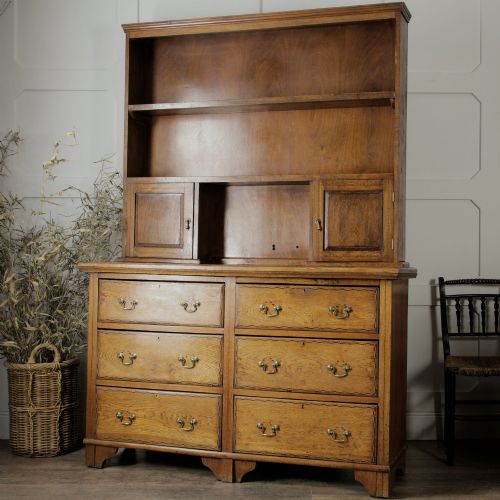
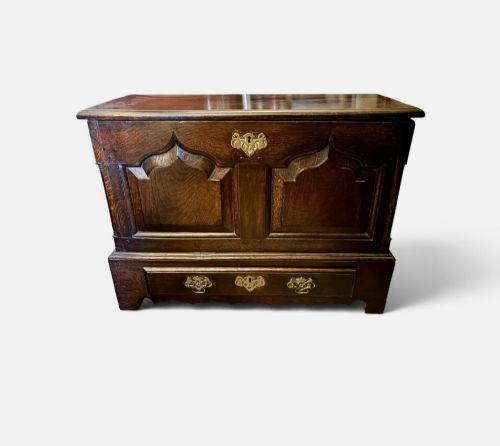
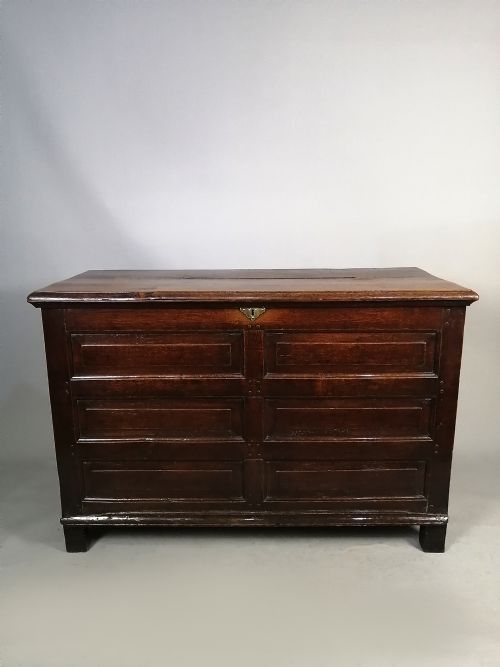
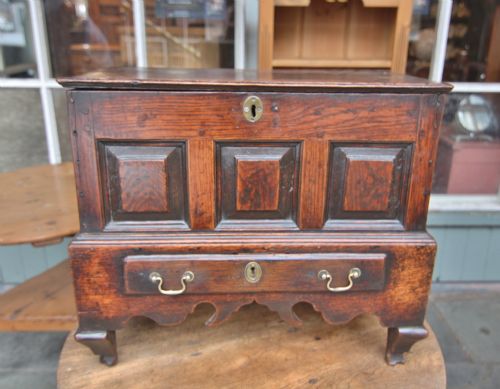
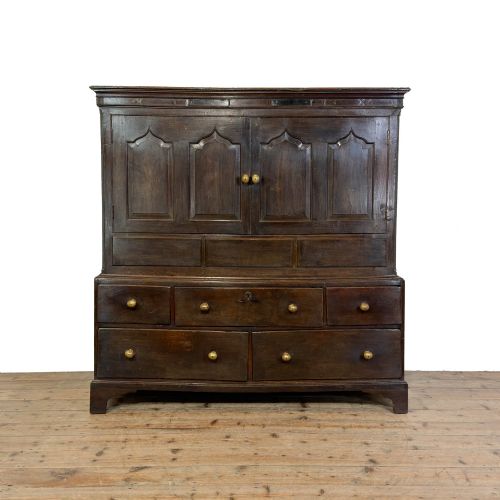
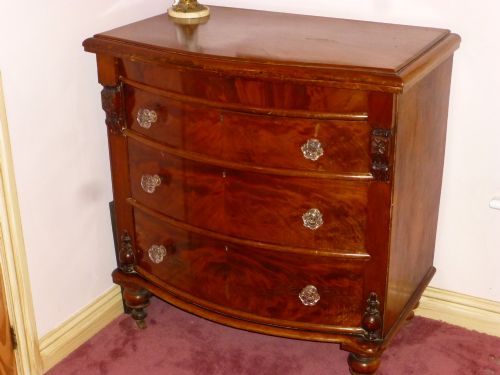
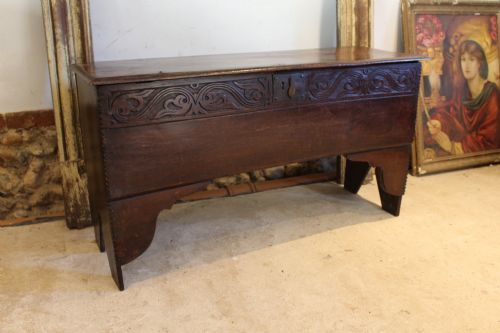
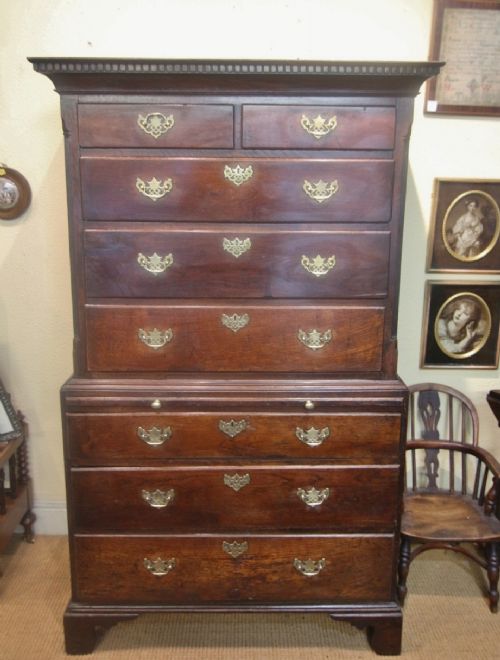
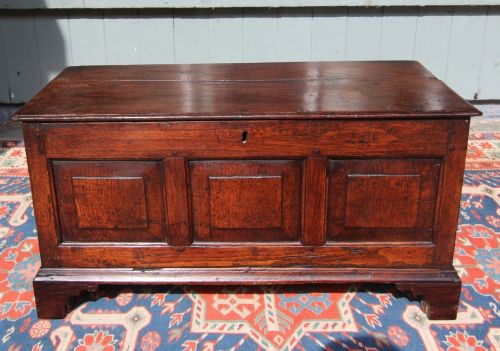
When you search for an antique welsh chest, you encounter a varied group of utilitarian furniture spanning centuries of regional craftsmanship. The selection encompasses smaller miniature coffers known as coffor bach alongside full-scale oak mule chests, drawer arrangements, and large grain arks.
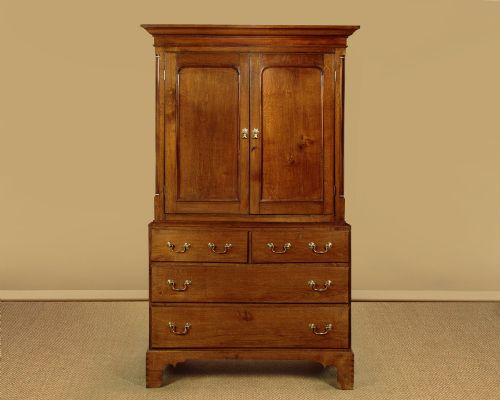
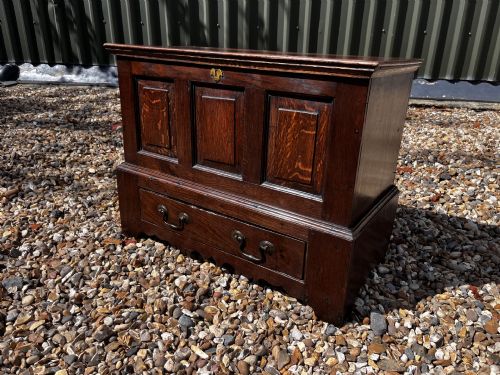
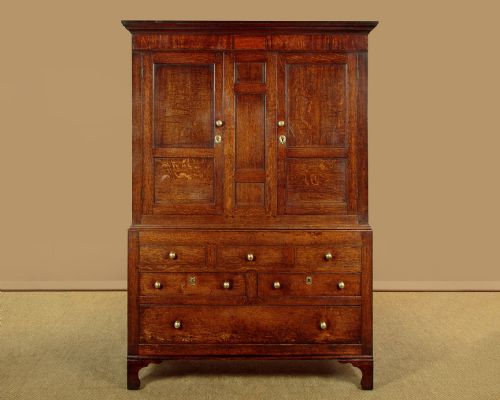
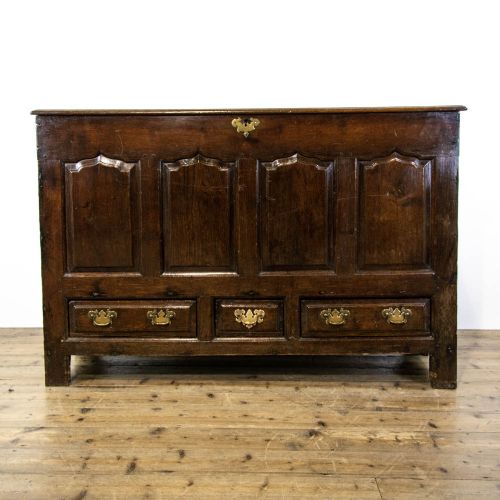
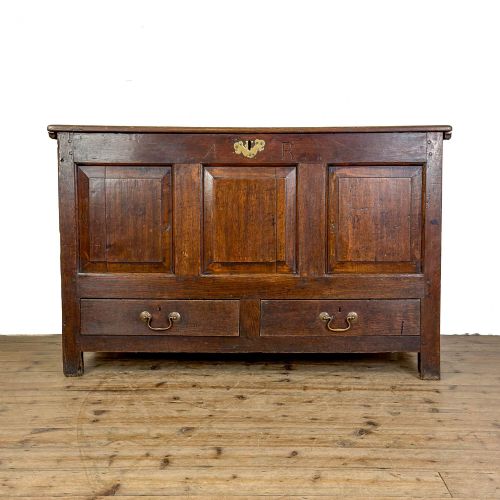
The most common form met on this page is the sturdy oak coffer or mule chest dating from the eighteenth century. These pieces reflect the practical needs of Welsh households, frequently incorporating lower drawers beneath a hinged lid or developing into sophisticated chests of drawers and press cupboards.
Materials and construction
Solid native oak dominates the construction of these regional items, often complemented by secondary pine, elm, and occasional inlaid mahogany details. Cabinetmakers utilised traditional framing and panel methods alongside dovetailing for drawers, ensuring the heavy timber structures withstood generations of domestic use.
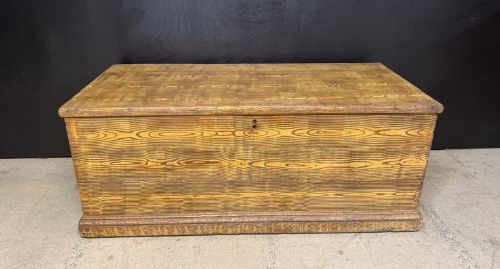
Surface treatments range from waxed natural grain showing deep patination to painted finishes on pine variants. Hardware typically includes wrought iron hinges and brasses, while regional vernacular styles display distinct local carving and panel detailing characteristic of valleys and coastal districts.
Listings span from the seventeenth century through the early twentieth century, with oak appearing alongside painted pine, elm, slate, and mahogany.
Distinctions in quality
Quality in these pieces is dictated by the integrity of the timber and the refinement of the regional vernacular design. Superior examples exhibit tightly grained native oak with rich, undisturbed patination accumulated over centuries, whereas lesser pieces may show excessive timber replacement or unsympathetic modern alterations.
The sophistication of the joinery and the presence of regional idiosyncrasies, such as complex panel carving or specialised internal compartments, separate standard utilitarian boxes from masterworks of Welsh country craftsmanship.
The Antique Welsh Chest Glossary
- Mule chest
- A storage chest featuring one or more drawers built into the base beneath the main compartment. This form bridges the traditional coffer and the modern chest of drawers.
- Vernacular
- Architecture and furniture built by local craftsmen using traditional regional methods and native materials. It prioritises utility and local habit over academic architectural styles.
- Grain ark
- A specialised heavy storage chest designed for keeping corn and grain dry in rural domestic settings. These robust pieces frequently originate from mountainous regions like Snowdonia.
- Patina
- The surface sheen and deep coloration acquired by wood through age, handling, and repeated waxing. A desirable patination cannot be artificially replicated quickly.
Antique Welsh Chest: Frequently Asked Questions
What is a coffer bach?
A coffer bach is a small Welsh miniature chest produced from the seventeenth through the nineteenth centuries. These diminutive pieces were often made to mark significant family milestones.
Despite their smaller scale, they employed the exact same robust joinery techniques as full-sized blanket chests, utilising native oak and panel construction.
How do I date an oak chest?
Dating relies on observing construction methods, handle hardware, and timber characteristics. Earlier seventeenth-century examples display pegged frame-and-panel assembly and hand-split boards.
Later eighteenth and nineteenth-century versions introduce machine-sawn elements, dovetail joints for internal drawers, and occasionally secondary woods like pine or mahogany.
Where were these chests made?
These pieces originate from workshops across Wales, with distinct stylistic traits emerging from specific areas such as the Gower Peninsula, Carmarthenshire, and Snowdonia. Local makers utilised locally available timber.
Regional vernacular traditions dictated the specific panel carvings, foot styles, and overall proportions found on chests from different valleys and coastal towns.
How should I care for old oak?
Maintaining antique oak involves keeping the timber away from direct heat sources and sudden humidity changes. Applying a traditional beeswax polish helps nourish the wood.
Avoid modern liquid silicone sprays or aggressive chemical cleaners that can strip away the accumulated patination and damage the dry surface finish.