




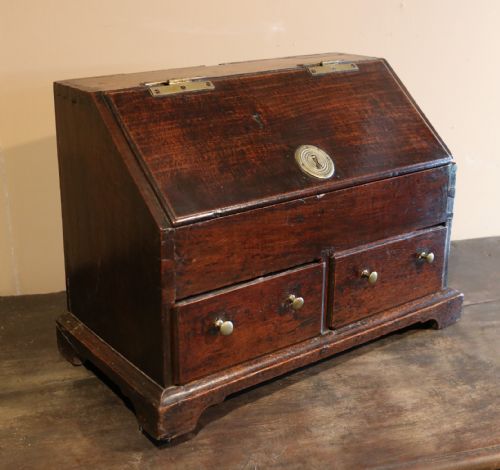
Welsh Miniature Chest
These welsh miniature chest examples are traditional vernacular pieces built for domestic use, offering charming proportions that collectors prize.
Welsh Miniature Chest
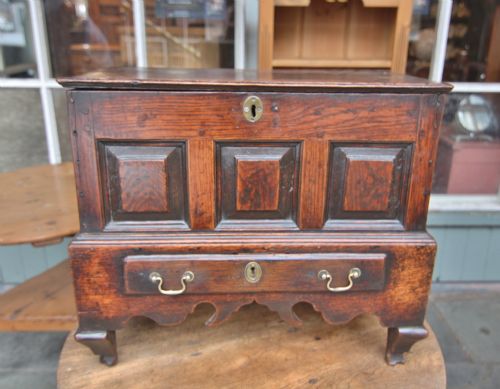
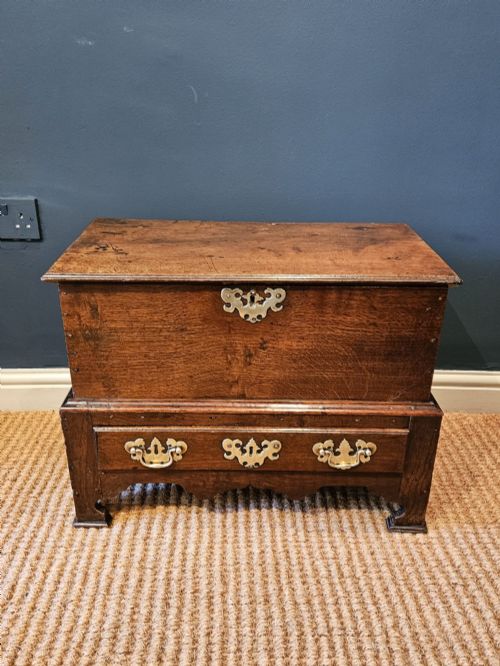
A welsh miniature chest typically takes the form of a coffer bach, which translates as a little chest, or a small chest of drawers. These pieces emerge predominantly from the eighteenth century and the Georgian period, alongside nineteenth century examples.
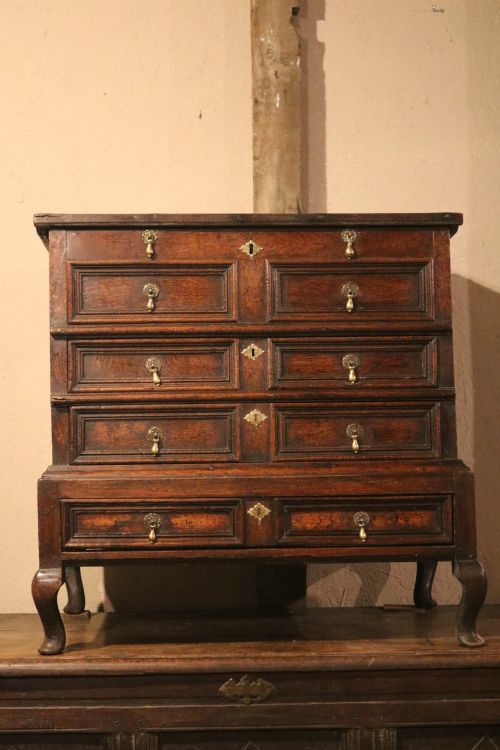
Makers constructed these smaller items in regional workshops across locations such as South Wales and Glamorgan. The forms include miniature bureaus, tallboy chests and inlaid boxes alongside standard lidded coffers.
Buyers meet sturdy vernacular interpretations that mirror full sized furniture of the era. The domestic utility of these small chests meant they served as precious storage for documents or valuables in Welsh homes.
What varies in quality
The sophistication of the vernacular carving and the precision of the timber inlay distinguish finer examples from simpler workshops. Regional traits such as distinct turned feet or local regional styling elevate the character of a piece.
Proportion and material selection drive the distinction across the range, with well preserved eighteenth century oak surfaces holding particular appeal. The presence of original brass or iron fittings contributes to the integrity of the surviving structure.
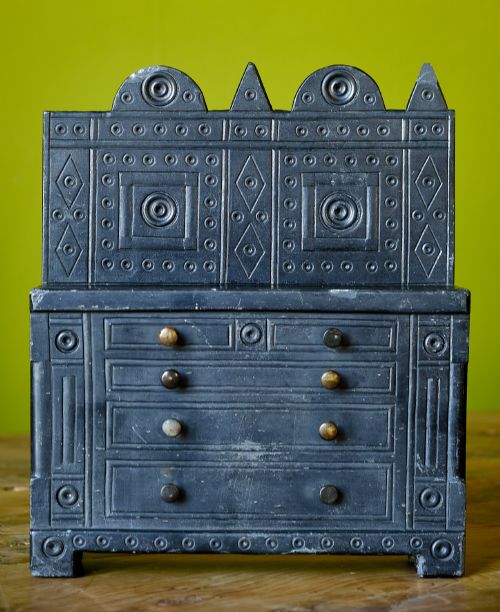
Listings demonstrate that oak is the dominant timber, spanning the eighteenth and nineteenth centuries alongside occasional pine and carved slate.
The Welsh Miniature Chest Glossary
- Coffer Bach
- A small Welsh chest or coffer, often featuring a lift lid above a drawer, historically used for keeping valuables. These miniature pieces mirror full sized furniture proportions.
- Vernacular
- Architecture or furniture built by local craftsmen using traditional regional methods and materials, rather than following high London fashions. This style defines much Welsh country cabinet making.
- Tallboy
- A tall chest of drawers formed by stacking one smaller chest on top of another. Miniature versions replicate this stacked elevation on a small scale.
- Inlay
- A technique where pieces of contrasting timber or fruitwood are inserted into depressions within the primary wood to create decorative patterns. It adds visual detail to the front panels.
- Folk Art
- Objects created by self taught or traditional artisans outside academic traditions, often displaying idiosyncratic design choices. Welsh examples include carved slate models and distinct box forms.
Welsh Miniature Chest: Frequently Asked Questions
What is a coffer bach?
A coffer bach is a small Welsh chest, translating literally as little chest. They typically feature a hinged lid over one or more drawers at the base.
Families used these miniature chests to store important family documents, marriage certificates or small valuables. Their compact size allowed them to sit easily on tables or dresser tops.
How old are these miniature chests?
The pieces seen here date predominantly from the eighteenth century and the Georgian era, with some nineteenth century examples. Cabinet makers produced them across Welsh regional workshops.
Dating relies on construction methods, timber patination and regional design traits. Earlier examples from the early seventeen hundreds display simpler vernacular joinery.
Where were they made?
Makers constructed these items in regional workshops throughout Wales, with specific pieces originating from South Wales and Glamorgan. Local craftsmen utilised native timbers available to them.
This regional independence gives Welsh vernacular furniture its distinct character. The construction methods often reflect local rural traditions rather than metropolitan styles.
How do I care for oak miniature furniture?
Keep oak furniture away from direct heat sources and dramatic humidity fluctuations to prevent the timber from splitting. A light application of traditional wax helps nourish the dry wood.
Avoid modern chemical polishes that can damage the historic patination. Gentle dusting with a soft dry cloth is sufficient for routine maintenance.