
Welsh Oak Cabinet
When you search for welsh oak cabinet, you enter a world of sturdy regional furniture built for storage and display.

Welsh Oak Cabinet
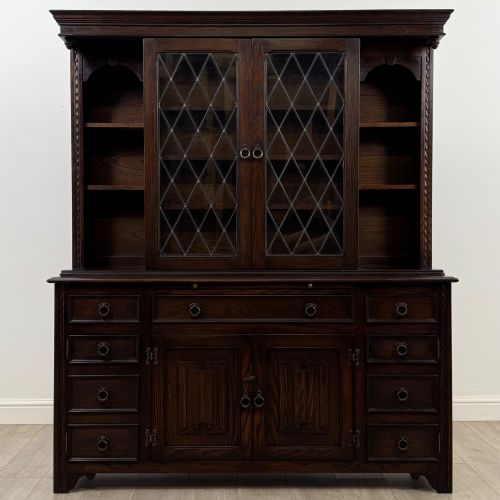
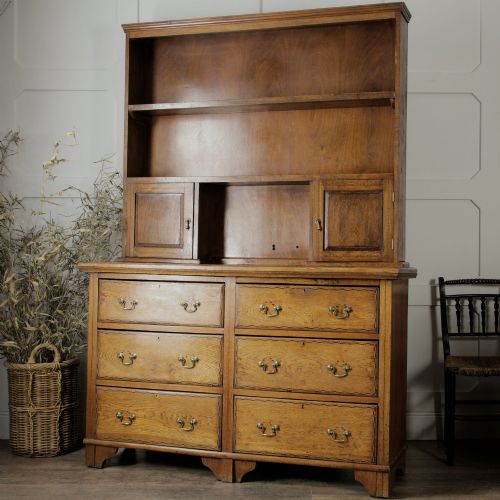
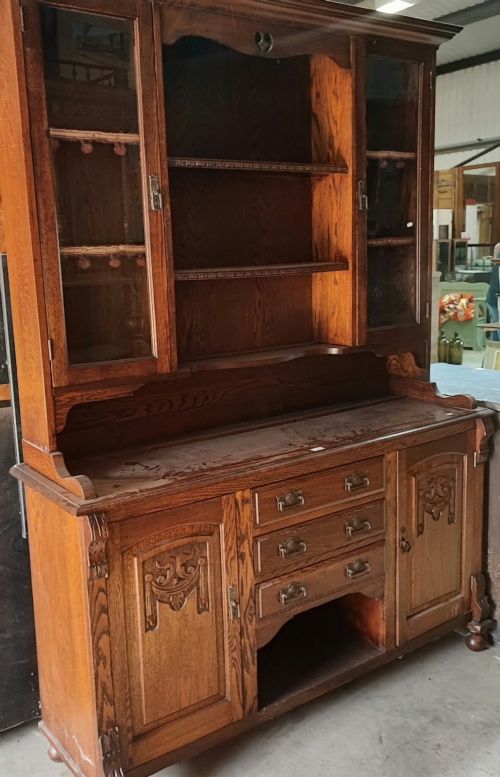
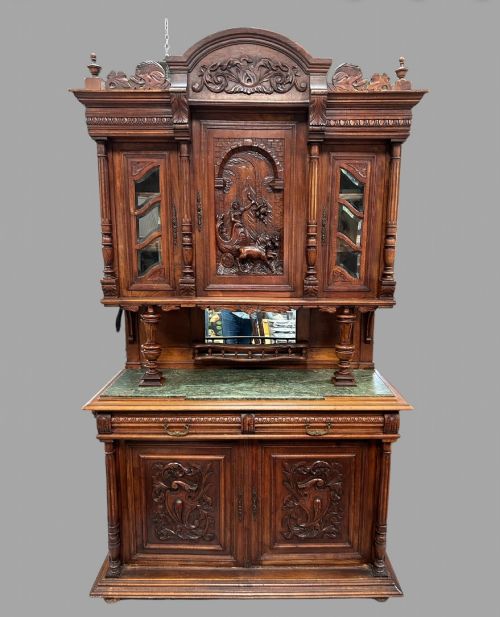
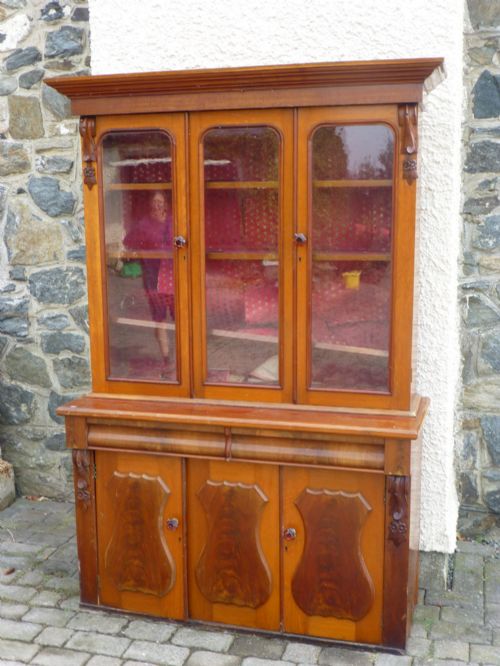
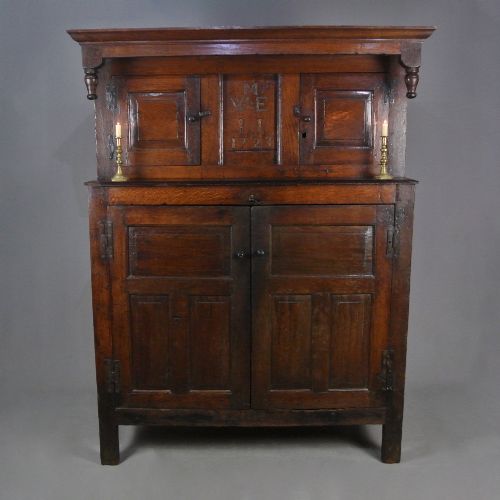
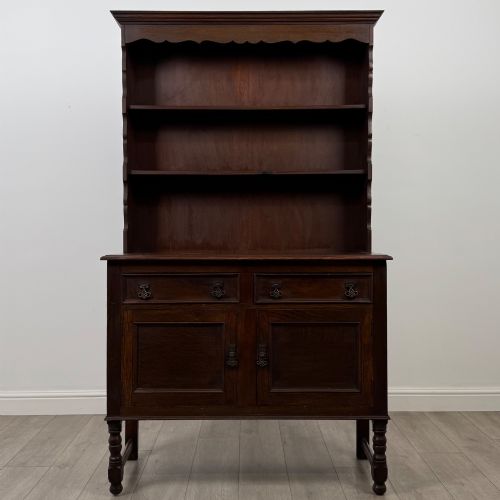
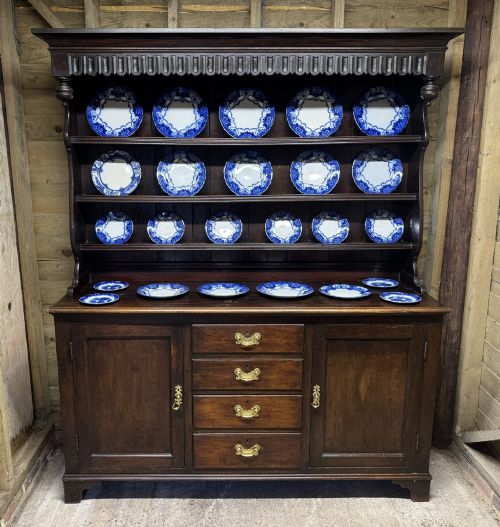
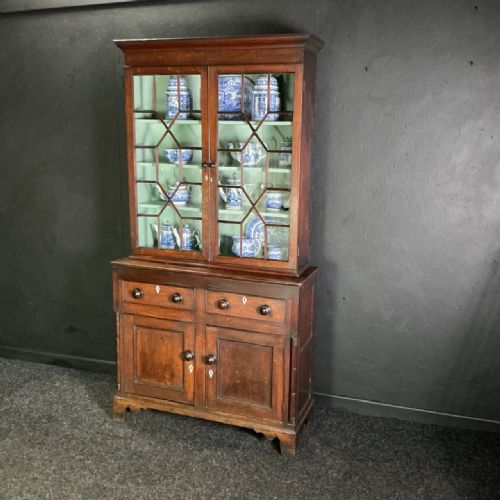
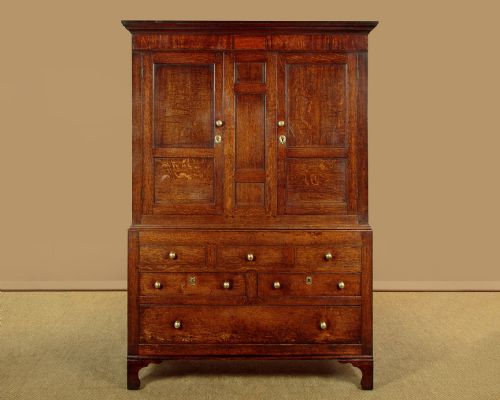
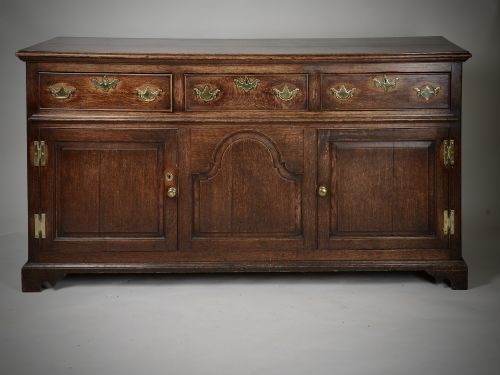
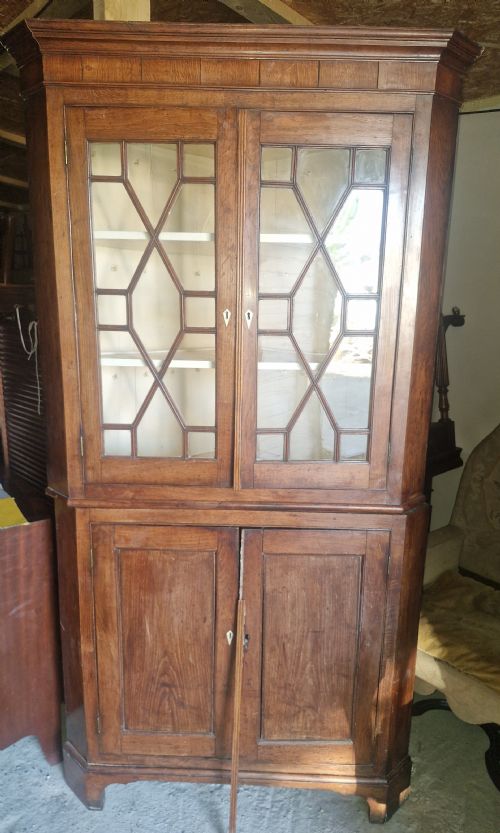
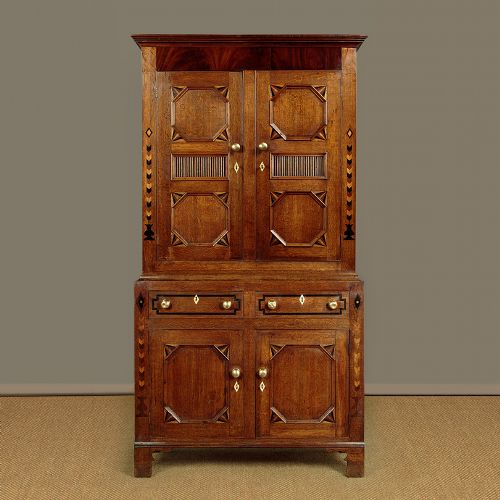
A welsh oak cabinet encompasses regional forms designed for domestic storage, spanning dressers, corner cupboards, and food larders. These pieces originate across domestic contexts from the eighteenth century through to the Edwardian era.
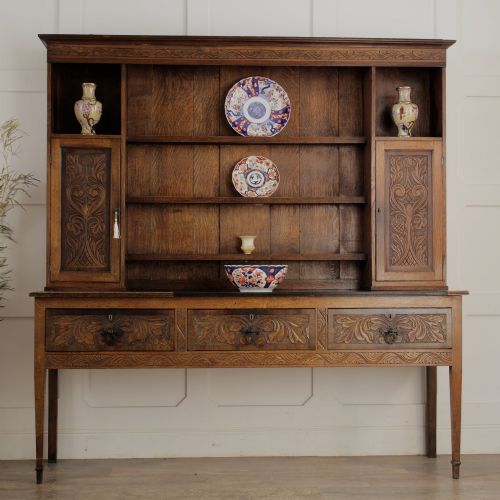
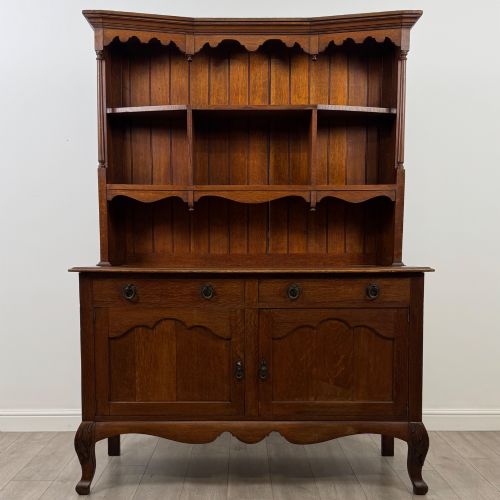
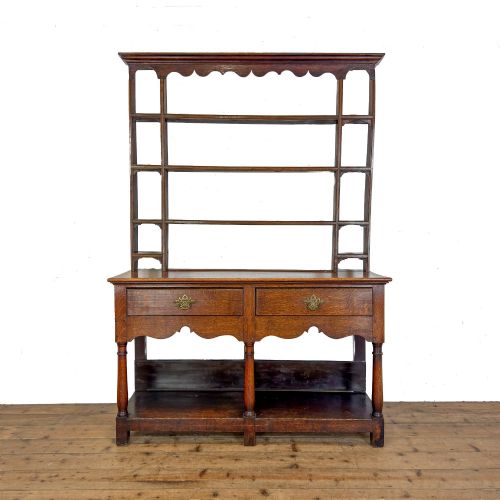
The version most commonly met on this page is the dresser or enclosed cupboard, often combining lower storage drawers or cupboards with upper shelving racks. Their forms reflect practical rural utility rather than urban formality.

How they were made
Makers utilised solid timber construction, relying predominantly on oak supplemented by secondary woods like pine and mahogany for internal elements. Metal hardware such as brass handles and iron hinges secures doors and drawers.
Joinery methods involved traditional pegged joints and hand-cut dovetails, while decorative accents occasionally incorporated inlay or carved details like green man motifs.
Early bread and cheese cupboards carry pierced wooden panels designed to let the cheese breathe while keeping the family cat firmly on the outside.
What varies in quality
Quality separates by the proportion of original timber retained and the integrity of the regional construction. Pieces retaining untouched surface patination and period brasswork stand above those altered by modern restorations.
The complexity of regional vernacular woodworking, such as early joined panels or elaborate carved cornices, dictates the standing of individual examples within the wider tradition.
Bryn Mawr·Heals of London
The Welsh Oak Cabinet Glossary
- Cwpwrdd Deuddarn
- A traditional two-part Welsh cupboard featuring enclosed upper and lower sections. These indigenous pieces provided secure storage for household provisions and textiles.
- Potboard
- A boarded shelf fitted beneath the base of a dresser, originally intended for storing heavy earthenware and kitchen pots. This open lower tier is a hallmark of vernacular design.
- Bread and cheese cupboard
- A ventilated food storage cabinet featuring pierced splats or turned spindles to allow air circulation. These cabinets preserved dairy and dried provisions in rural kitchens.
- Linen press
- A tall cabinet designed for storing folded textiles and garments, featuring sliding trays above a base of drawers. They combine deep upper capacity with accessible lower storage.
Welsh Oak Cabinet: Frequently Asked Questions
What is a welsh oak cabinet used for?
These pieces served as multi-purpose utility furniture in rural homes, holding everything from tableware and dry foodstuffs to household linens. Their upper shelves displayed pottery while lower cupboards stored heavier kitchen equipment.
Today, they function similarly in modern interiors as display units and generous storage credenzas. They integrate easily into dining rooms, kitchens, and hallways for organising tableware or books.
How do I tell an 18th-century piece apart from a Victorian one?
Eighteenth-century examples typically display hand-planed surfaces, pegged mortise and tenon joinery, and simpler vernacular proportions shaped by local country joiners. The timber develops a deep, mellow patination over centuries of polishing and use.
Victorian interpretations often incorporate machine-sawn elements, denser or darker finishes, and sometimes heavier decorative carvings like green man motifs. Hardware and drawer construction methods also shift toward nineteenth-century manufacturing standards.
How do I clean and care for old oak?
Maintain the wood by dusting with a dry, soft cloth and occasionally feeding the surface with traditional beeswax to nourish the grain. Avoid chemical sprays and keep the timber away from direct heat sources or damp environments.
Stable indoor humidity prevents the oak from drying out or splitting. Gentle, minimal intervention preserves the historic finish and natural patination built up over generations.
Where should I place a large dresser in my home?
Position large cabinets against solid interior walls where they can anchor the room without obstructing primary walkways. Ensure the floor is reasonably level so tall standing cupboards and dressers remain stable.
Because these pieces command significant visual weight, giving them adequate breathing space allows the proportions and timber grain to stand out. They make natural focal points in dining spaces and large country-style kitchens.