
Antique Brass Handles
These antique brass handles bring tactile history to everyday doors and drawers, offering both function and decorative polish.
Identifying antique brass handles
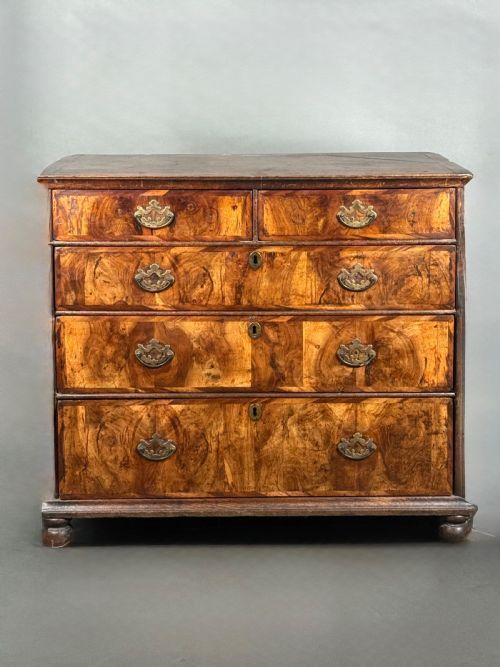
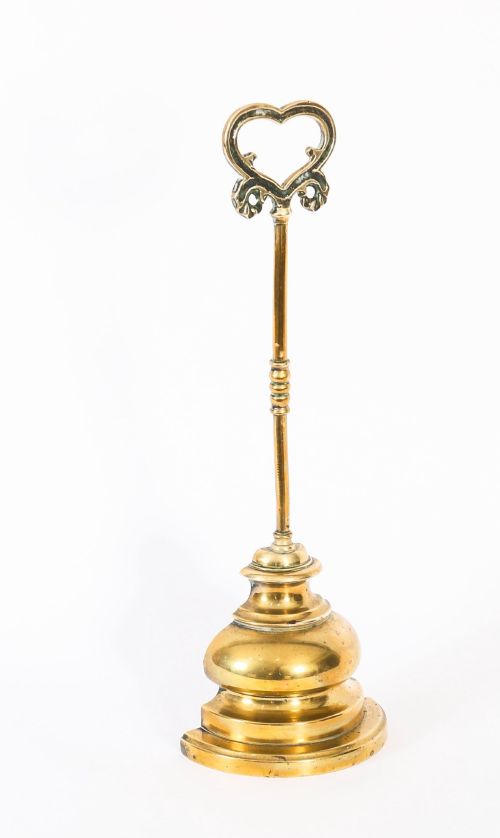
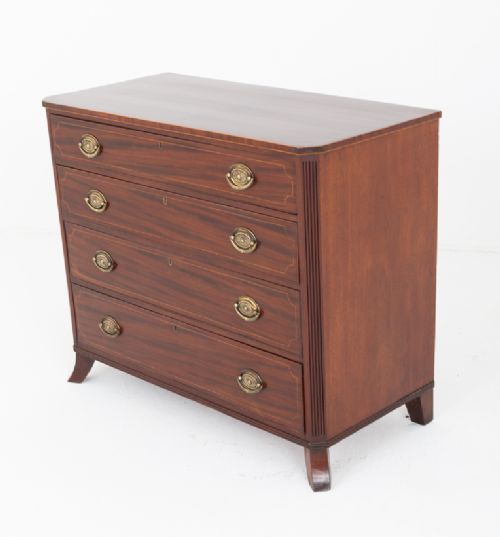
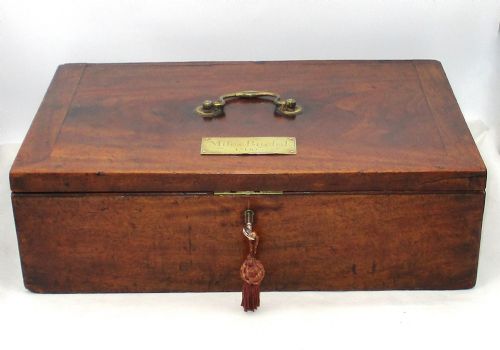
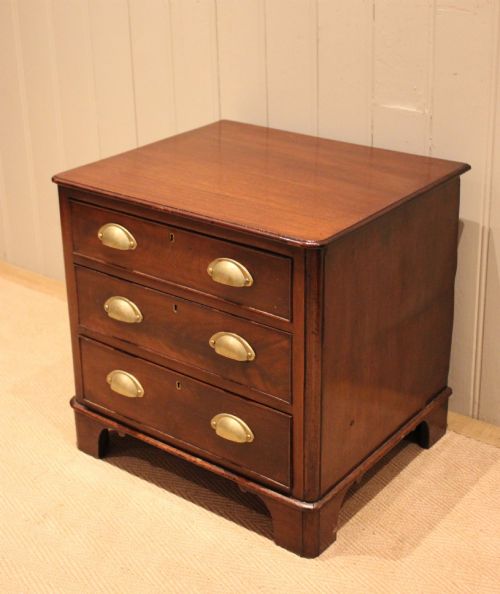
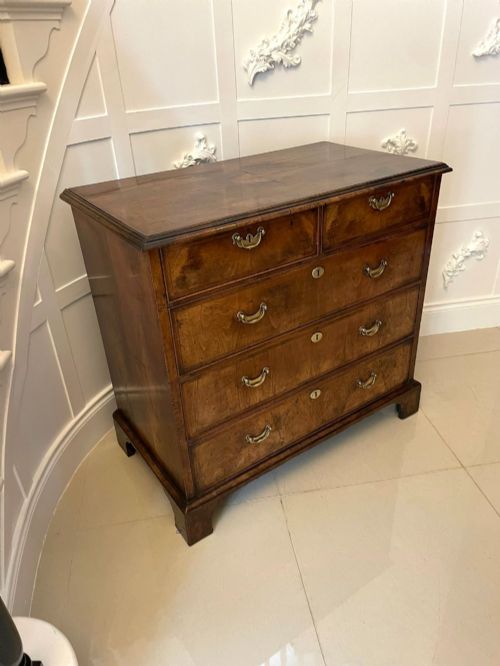
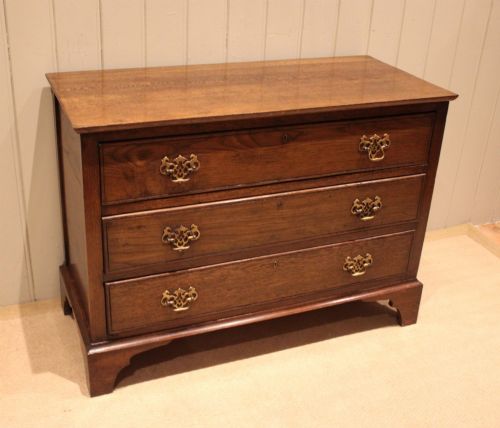
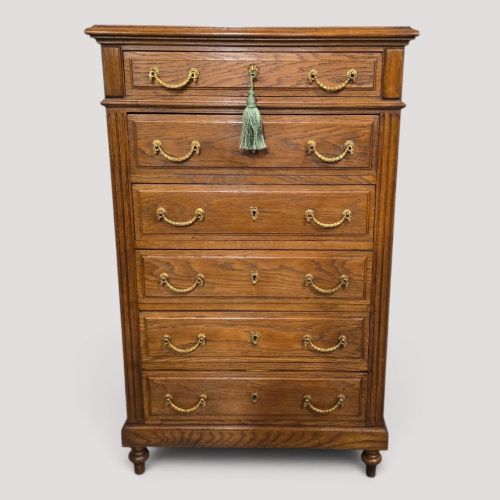
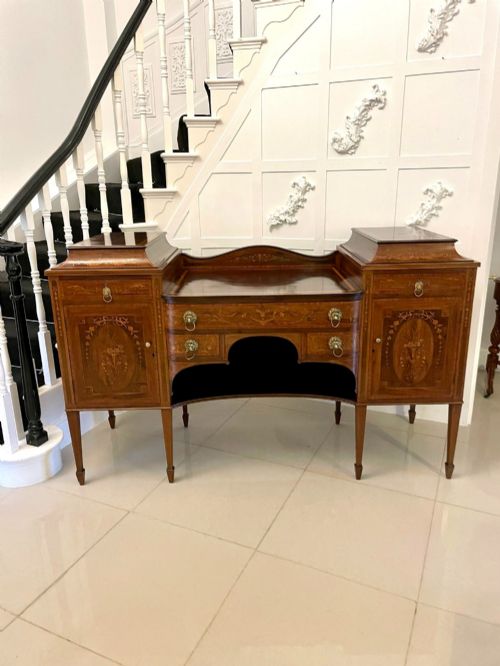
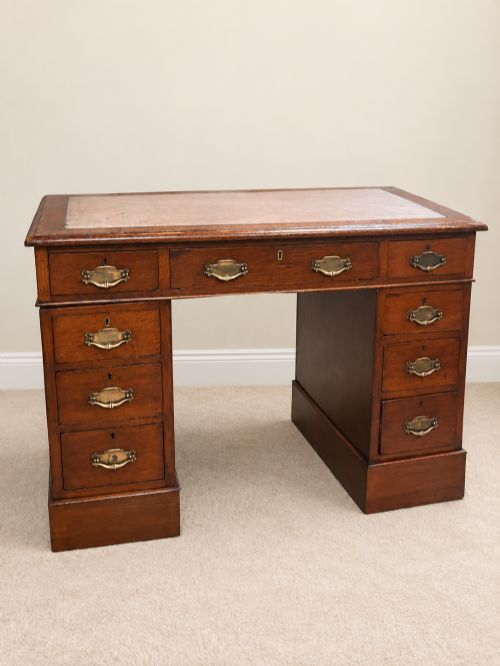
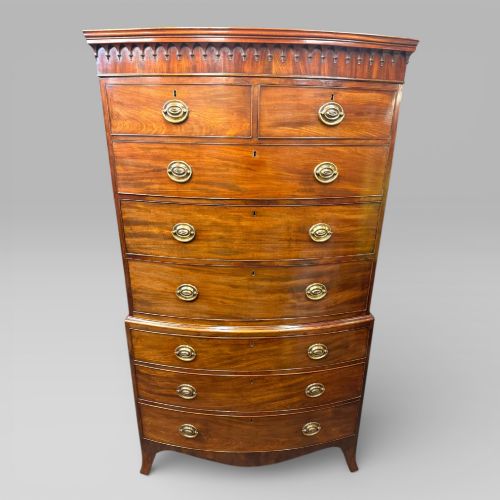
When you search for antique brass handles, you encounter architectural hardware and furniture fittings spanning several centuries of British and European design. These pieces appear either mounted on period chests of drawers and desks or offered as loose pairs and sets for doors and cabinetry.
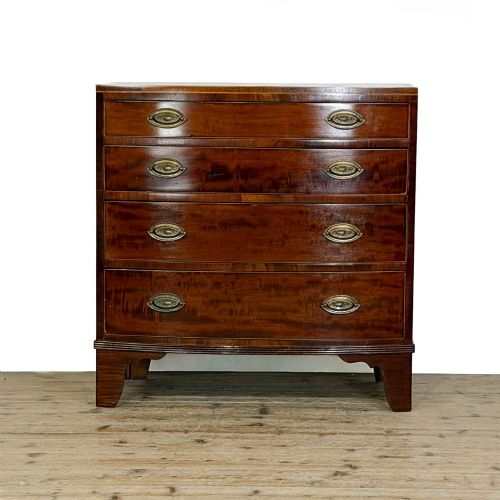
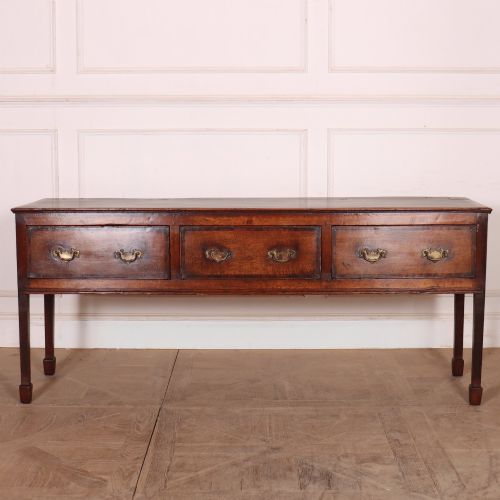
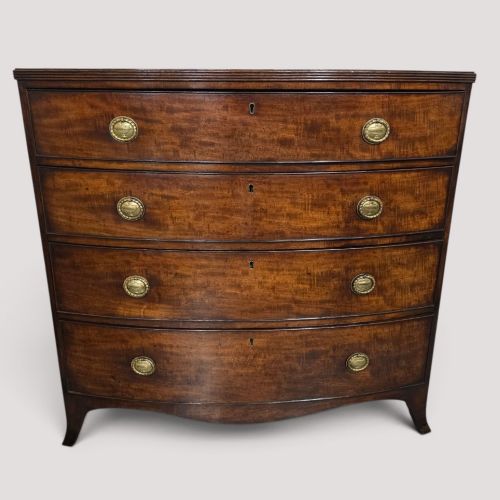
The selections here range from simple Georgian drop handles and swan necks to ornate Victorian door furniture, Arts and Crafts oval knobs, and classical ring designs. Chests of drawers dominate the furniture listings, whilst architectural pairs represent the door hardware side.
Most examples date from the eighteenth and nineteenth centuries, reflecting the major eras of cabinet making and domestic hardware production. Georgian and Victorian periods provide the largest share of these survivors.

Materials and construction methods
The hardware itself utilises cast or stamped brass, occasionally enhanced with gilding or paired with china and porcelain components. Many pieces show the marks of traditional foundry work, where molten metal was poured into sand moulds before hand-finishing.
On furniture, these handles secure to timbers such as mahogany, oak, walnut, and satinwood, often accompanying elaborate veneers or boxwood stringing. The fixing methods rely on threaded posts, split pins, or traditional backing plates that distribute pressure across the wood.
Retail Price Guide 2026
Typical UK retail prices for brass handles, calculated from the Sellingantiques database of over a million retail prices indexed since 2003. This retail price guide relies exclusively on Sellingantiques data; no external sources or auction records are used, so the figures do not describe the wider market.
Some fierce brass lion masks have spent centuries glowering at hallway floors while clutching heavy brass rings in their teeth.
Distinguishing grades of craftsmanship
Superior examples reveal themselves through crispness of casting and weight of metal, where crisp botanical or classical motifs remain sharp rather than softened by wear or poor reproduction techniques. The depth of hand-chasing and the retention of original backplates separate standard utilitarian hardware from finer decorative items.
Integration with the host piece matters immensely when handles remain attached to furniture; original mountings that match the exact shrinkage patterns and bore holes of the timber indicate a cohesive, untouched history. Loose pairs and sets achieve higher regard when matching patination and uniform wear suggest they spent their lives together on a single door or drawer bank.
The Antique Brass Handles Glossary
- Swan neck handle
- A pair of curved metal bars resembling a swan's neck, popular on eighteenth-century furniture and fixed to a central brass backplate.
- Drop handle
- A pendant style of handle that hangs freely from pivot points on a backplate, common on Georgian and Regency chests.
- Backplate
- The decorative metal sheet positioned behind a handle to protect the wood surface and anchor the fixings.
- Chasing
- The manual technique of refining cast metal details using small punches and hammers to create texture and depth.
- Patina
- The surface sheen and oxidation acquired by brass and timber over centuries of handling and environmental exposure.
Frequently Asked Questions
How do I date antique brass handles?
Dating relies on the manufacturing technique, screw thread types, and the prevailing style of the backplate or mount. Cast components with hand-finished details generally point to earlier periods, whilst machine-threaded screws often indicate later Victorian or Edwardian production.
The context of the piece matters just as much as the metalwork itself. Comparing the design to documented hardware from Georgian, Regency, and Victorian pattern books helps narrow down the decade of manufacture.
Are these handles suitable for modern doors?
Many architectural pairs and sets adapt well to modern doors, provided the spindle sizes and backplate dimensions align with contemporary joinery. Checking the projection and clearance ensures the hardware functions comfortably in daily use.
Period door furniture adds distinct character to modern interiors, though fitting requires care to preserve fragile antique metalwork and older fixing points.
How should I clean antique brass?
Gentle dusting with a soft cloth preserves the accumulated patina and historical surface character that collectors value. Aggressive metal polishes strip away the aged dark tones and can damage delicate cast details or gilding.
If cleaning is necessary to remove active grime, warm water and mild soap applied sparingly with a soft brush represent the safest approach. Dry the metal thoroughly afterwards to prevent spotting.
What is the difference between drop and fixed handles?
Drop handles feature a pivoting pendant that hangs downward when released, making them standard on eighteenth and early nineteenth-century drawer fronts. Fixed handles, such as knobs and ring pulls, remain rigid and attached directly to the mounting surface.
Both styles served different ergonomic and aesthetic purposes across eras, with drop handles suiting larger drawer fronts and knobs frequently appearing on smaller drawers and doors.