

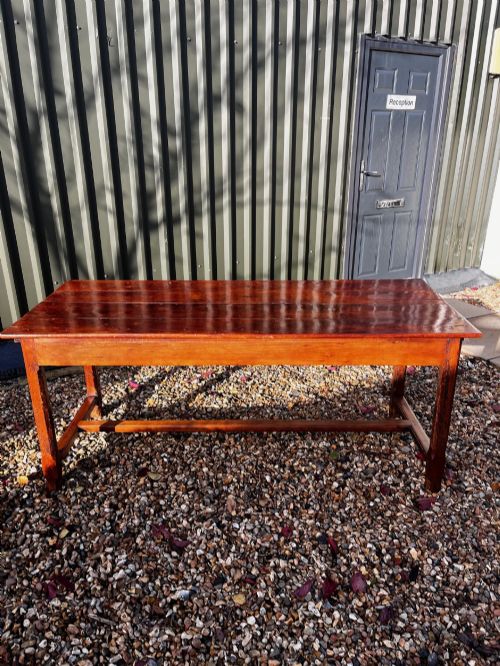
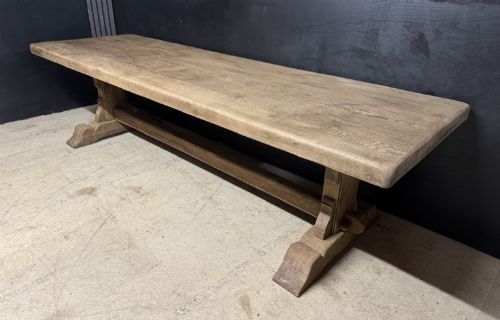
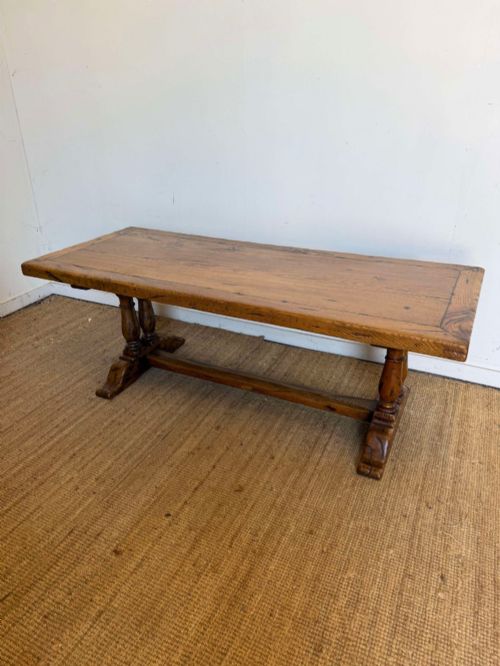
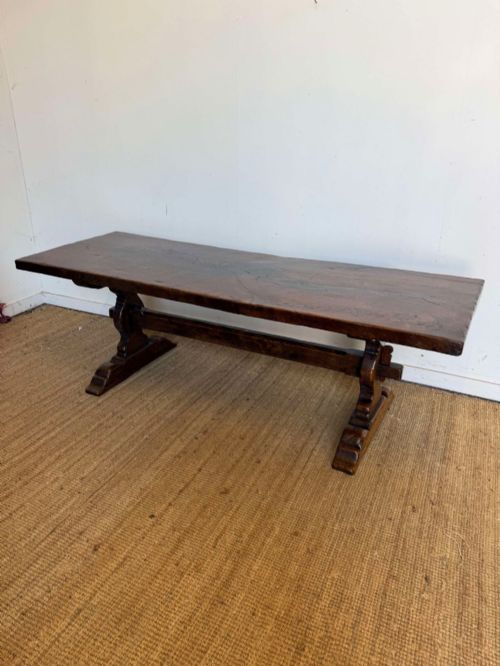
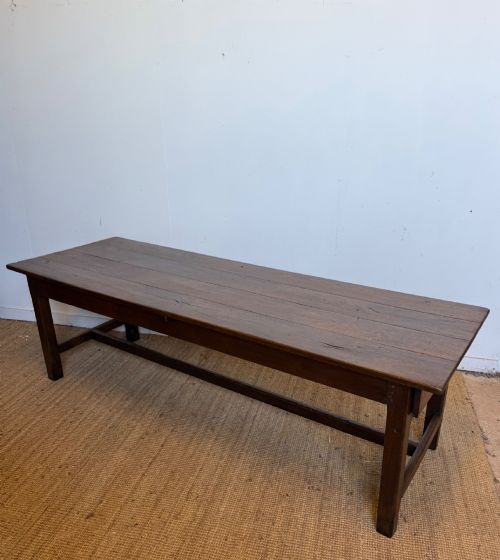
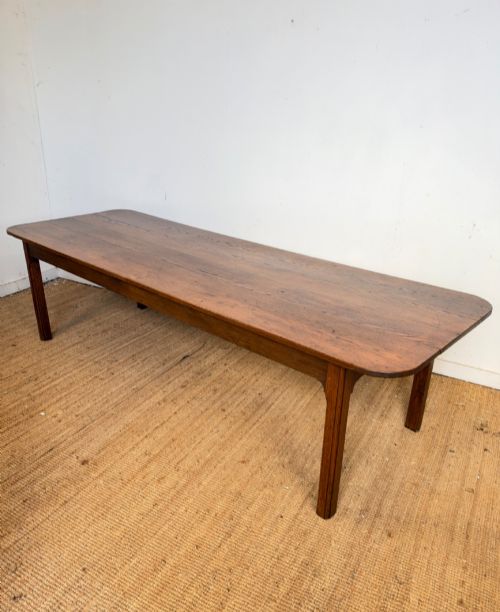
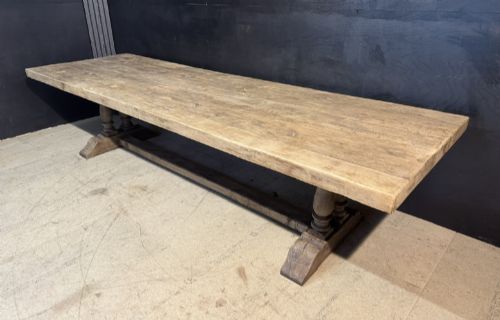
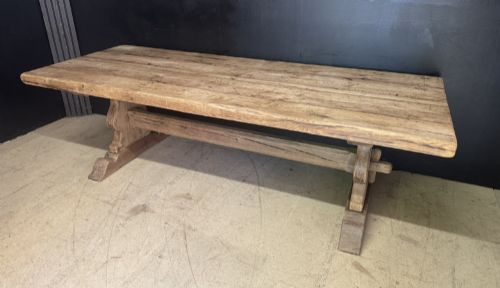
French Oak Refectory Table
A french oak refectory table brings substantial dining presence and enduring timber character to a room, built for daily gatherings.
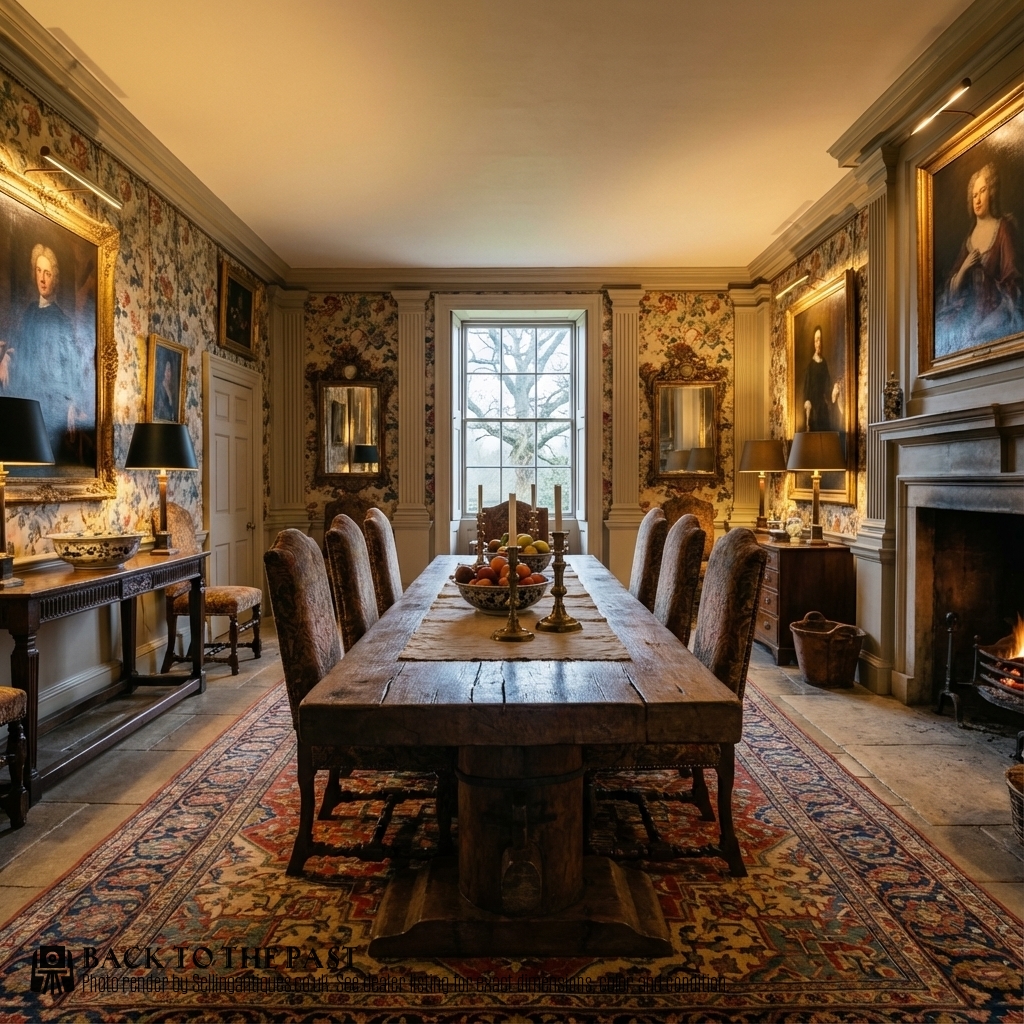
French Oak Refectory Table
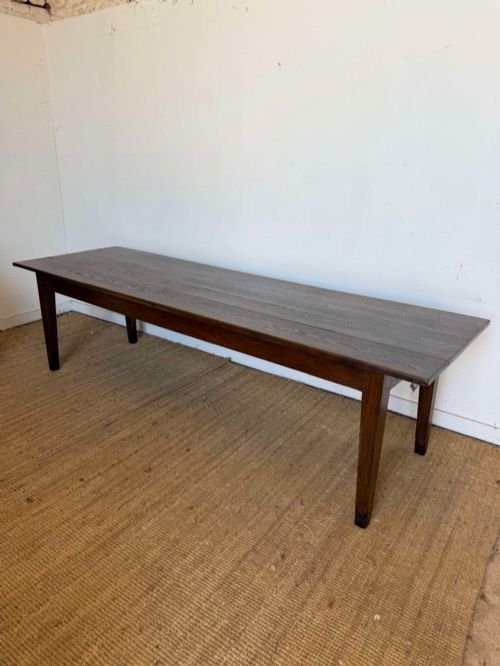
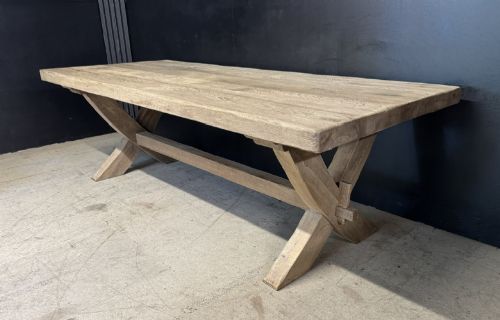
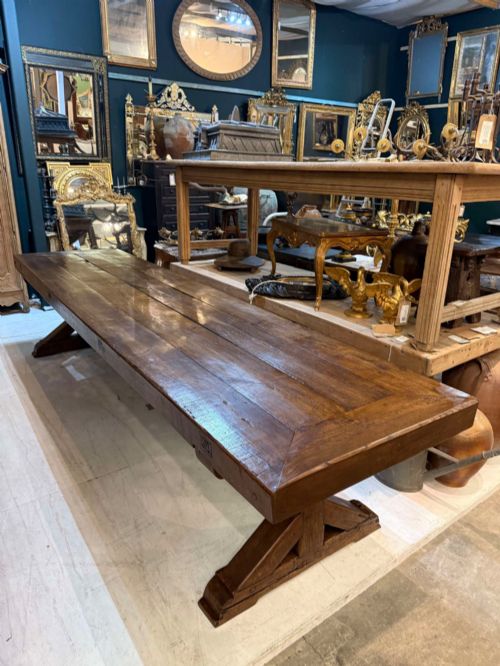
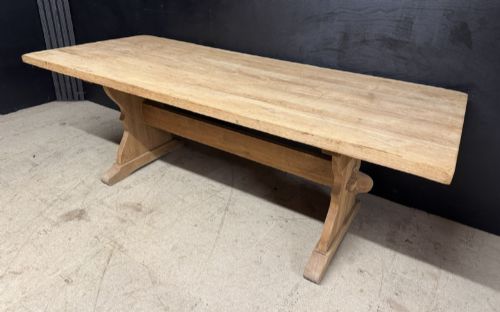
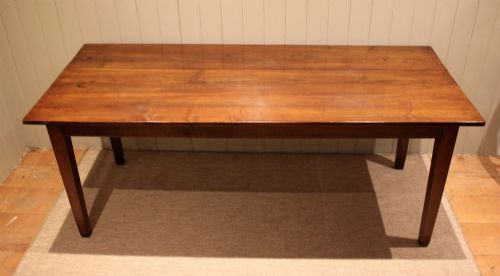
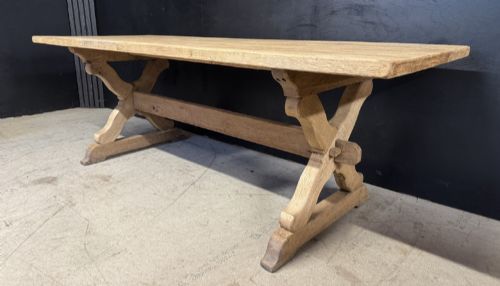
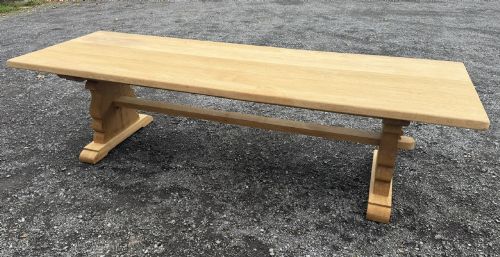
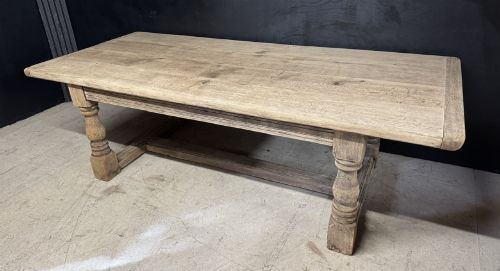
A french oak refectory table provides a long, heavy surface designed originally for communal dining in monastic or rural settings. These large tables form the core of the selection here, appearing frequently alongside farmhouse and monastic variants.
Most examples date from the nineteenth century or early twentieth century, constructed with generous proportions that easily seat large numbers of diners. Solid timber construction dominates the category, often paired with auxiliary elements like drawers or extension leaves.
The aesthetic sits firmly within rustic country and provincial traditions, showing utilitarian origins through unpretentious forms. Buyers encounter both dark, rich timber surfaces and lighter, bleached finishes that suit contemporary interiors.
Materials and construction methods
Construction relies heavily on solid oak, selected for structural strength and resistance to heavy daily use over generations. Secondary timbers such as pine, fruitwood, and birch occasionally appear in internal framing, drawers, or secondary panels.
Plank tops are joined to sturdy legs, sometimes utilising draw mechanisms, double extending frames, or carved details depending on the period. Iron and brass hardware occasionally provide structural reinforcement or operational function for drawers and leaves.
French Oak Refectory Table Retail Price Guide 2026
Typical asking prices for french oak refectory table among the pieces listed under this phrase on Sellingantiques today, from the lower quarter to the upper quarter. They describe what is for sale here now, not the wider market.
Several tables include a built-in bread slide, offering a discreet wooden shelf once used for slicing loaves away from the main dining surface.
Distinctions in quality and execution
Quality rests on the integrity of the timber selection and the structural balance of the base relative to the top. Tables fashioned from thick, uniform oak planks with substantial underframes command greater presence than those with lighter, altered secondary woods.
The degree of original joinery intact beneath the top determines the structural honesty of the piece. Subtle details in leg turning, such as tapered or bobbin profiles, elevate the visual execution from purely utilitarian to regionally refined.
The French Oak Refectory Table Glossary
- Refectory table
- A long, narrow dining table historically used in monasteries and large country houses for communal meals. They typically feature heavy timber legs joined by stretchers.
- Plank top
- A table surface constructed from multiple wide boards laid parallel. This method accommodates the natural movement of large timber over time.
- Bleached oak
- Timber treated to lighten the natural dark tone of the wood. This finish creates a softer, paler surface popular in twentieth-century country interiors.
- Draw leaf
- An extension system where auxiliary leaves slide out from beneath the main top. This mechanism expands the dining surface without removing the central boards.
- Monastic table
- A heavy refectory style associated with religious houses. These pieces emphasise simple, robust construction and thick timber tops.
French Oak Refectory Table: Frequently Asked Questions
How do I seat guests comfortably?
Consider the placement of the base stretchers and legs relative to the chairs. Tables with recessed legs or trestle style underframes allow more flexibility for legroom.
Measuring the clearance from the floor to the underside of the apron ensures standard dining chairs fit beneath without restriction.
How do I clean the timber top?
Wipe the surface with a damp, soft cloth using mild soap when necessary, avoiding harsh chemical sprays. Dried spills should be addressed promptly to prevent staining into the grain.
Occasional applications of natural beeswax maintain the moisture of the oak and enhance the historic patina.
Will a large table fit my dining room?
Allow adequate clearance around all sides of the table for chairs to pull out fully and people to walk past comfortably. Measuring doorways and stairwells beforehand prevents delivery complications with heavy timber.
Proportioning the length of the table to the scale of the room maintains visual balance.
How do I distinguish nineteenth century pieces?
Examine the underside and joints for hand-cut tool marks, pegged joinery, and the natural weathering of the timber. Variations in plank widths and minor hand-planed irregularities indicate historical construction methods.
Comparing leg turning styles and hardware helps narrow down the specific decade of origin within the broader period.