
Rustic Oak Trestle Table
A rustic oak trestle table brings sturdy timber surfaces and enduring joint work into the heart of the home.
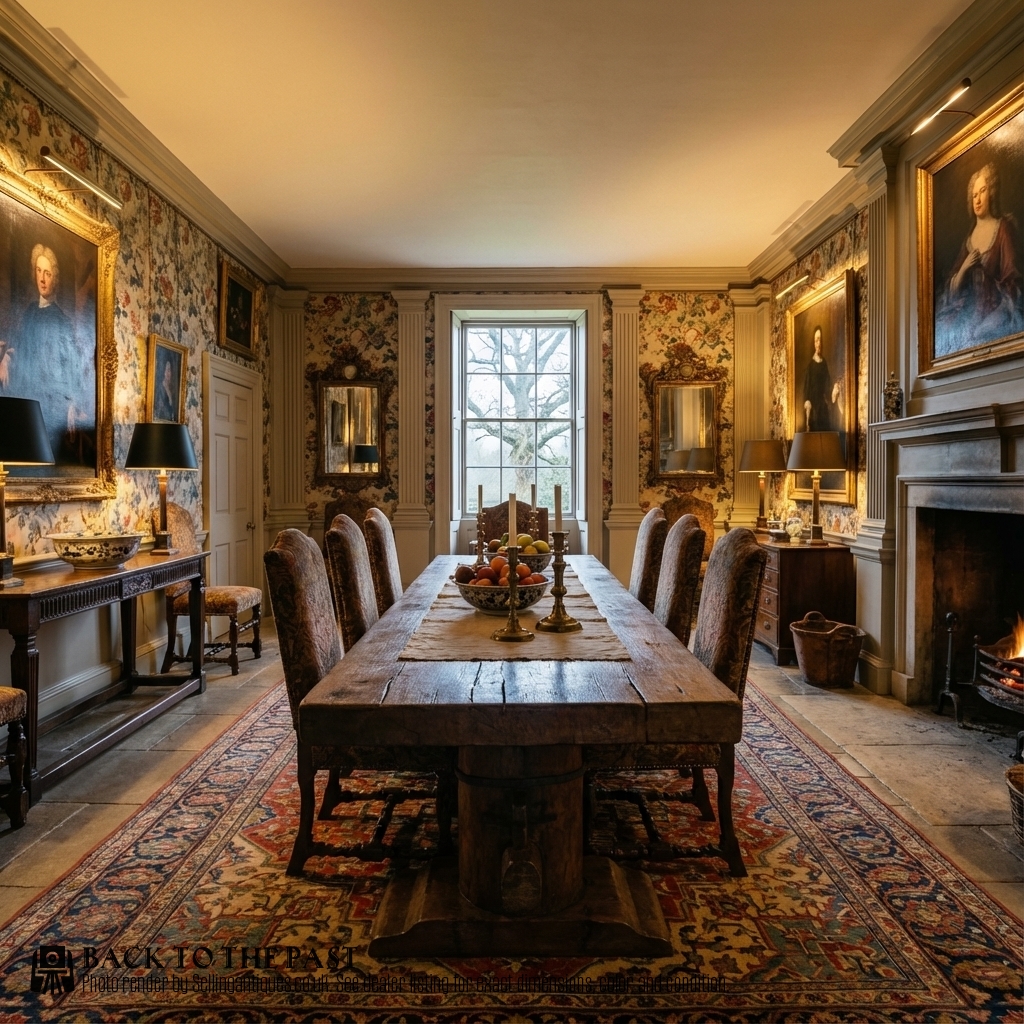
Rustic Oak Trestle Table
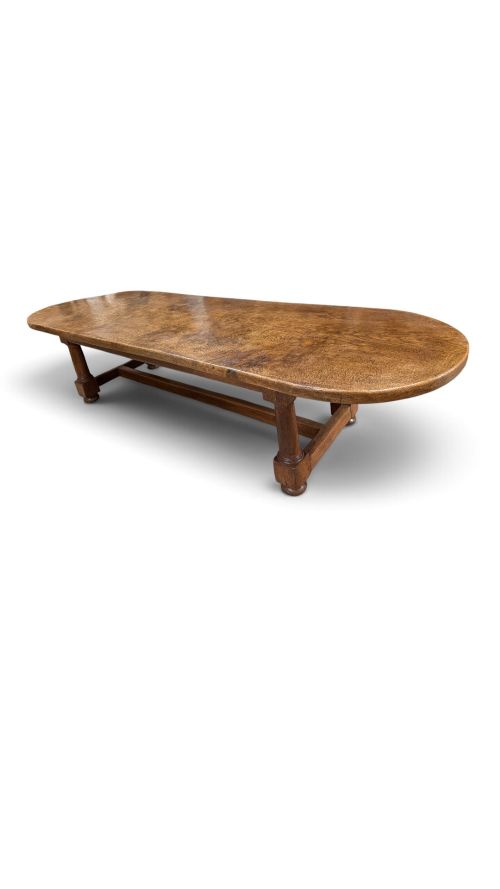
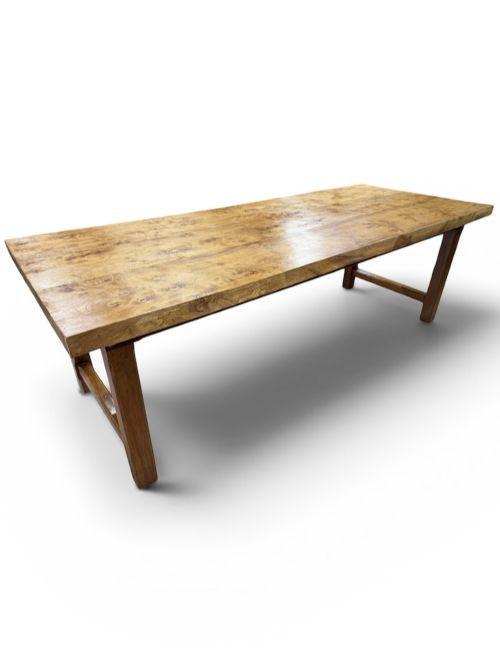
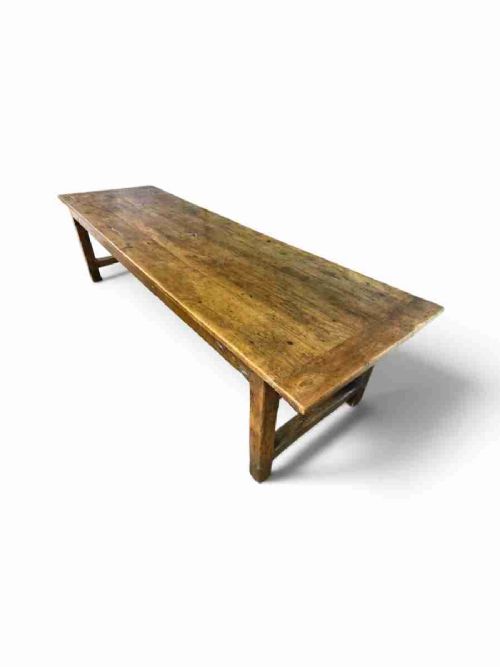
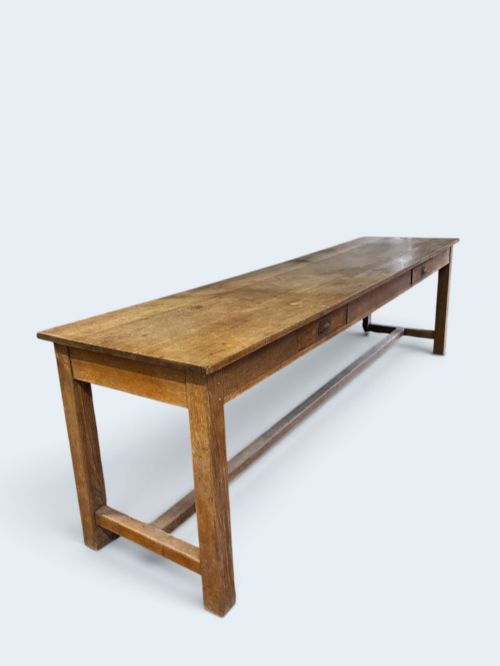
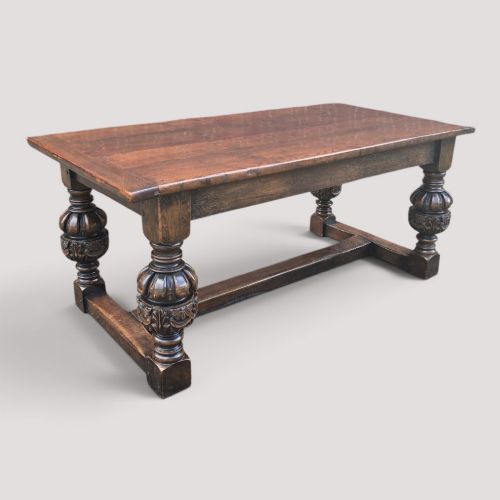
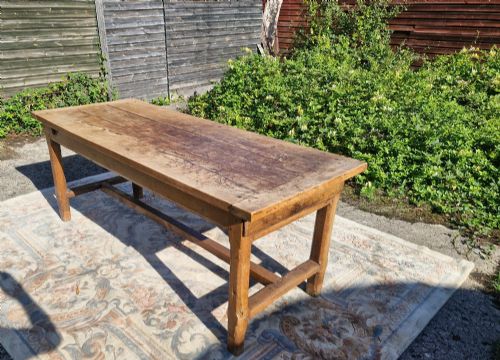
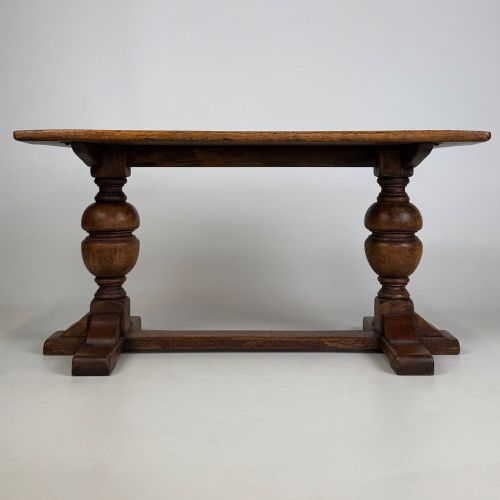
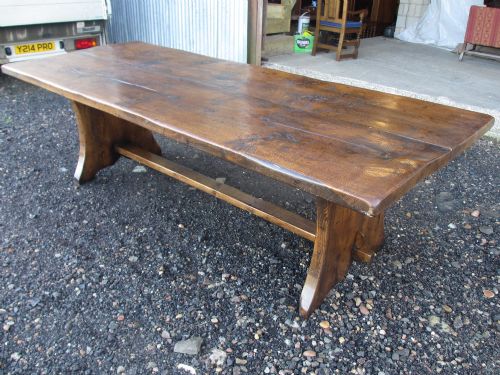
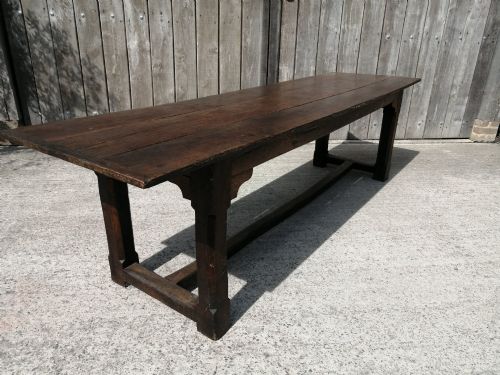
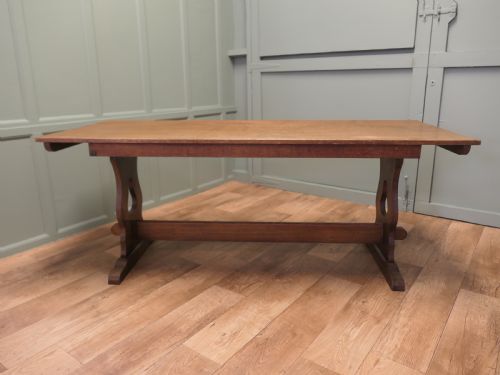
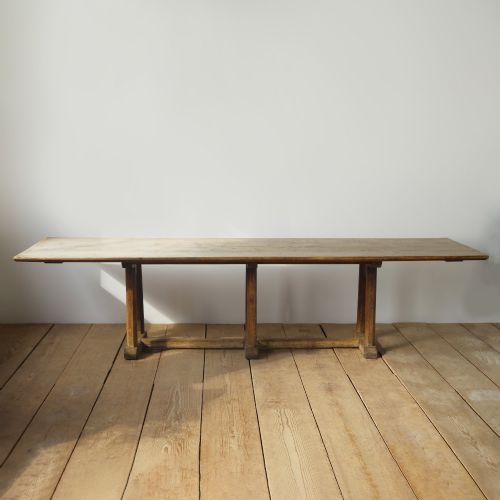
A rustic oak trestle table embodies centuries of dining tradition, originating from long monastic refectories and robust farmhouse kitchens. When searching for a rustic oak trestle table, buyers encounter formats spanning from early seventeenth-century single-plank iterations to Edwardian interpretations with shaped trestle ends.
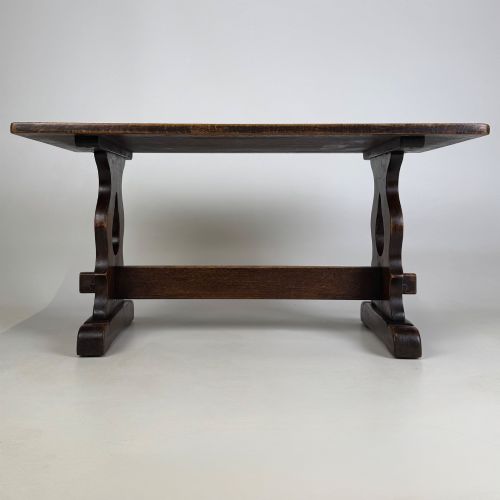
Solid oak provides the primary structural framework across these pieces, frequently paired with elm tops or beech elements. Buyers will find both long deep dining surfaces and smaller coffee or side formats suitable for varied room layouts.
Distinctions in quality
Quality rests in the original selection of timber, the thickness of the top boards, and the integrity of the joinery. Tables featuring single-plank elm or oak surfaces display superior material selection compared to multi-board alternatives.
The sophistication of the trestle ends and the presence of hand-cut pegs reveal the level of craftsmanship involved. Pieces retaining their original finish and structural bracing stand apart from heavily restored or altered examples.
Rustic Oak Trestle Table Retail Price Guide 2026
Typical asking prices for rustic oak trestle table among the pieces listed under this phrase on Sellingantiques today, from the lower quarter to the upper quarter. They describe what is for sale here now, not the wider market.
Listings span multiple centuries, ranging from seventeenth-century refectory examples to twentieth-century Arts and Crafts interpretations in solid oak and pine.
The Rustic Oak Trestle Table Glossary
- Refectory table
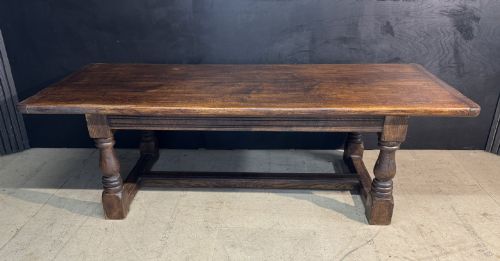
- A long narrow dining table originally used in monastic dining halls. These pieces typically feature heavy legs or trestles connected by a central floor stretcher.
- Trestle ends
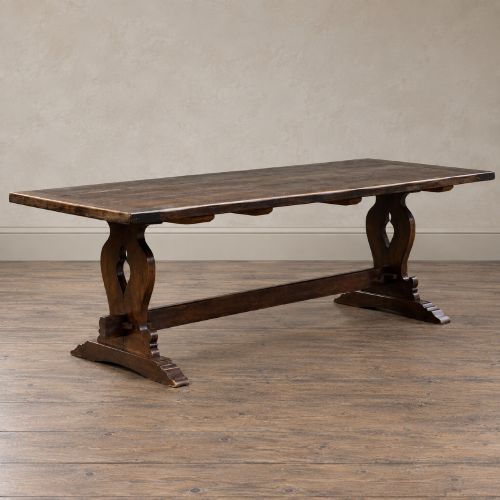
- Upright supports placed near the ends of a table to hold the top surface. They often feature shaped profiles and steady large dining boards.
- Single-plank top
- A table surface constructed from one wide piece of timber rather than multiple joined boards. This indicates significant age and high-grade original material.
- Elm
- A tough durable wood frequently used for table tops in early vernacular furniture. It pairs well with oak frames due to its resistance to splitting.
- Patina
- The deep surface sheen and colour acquired by wood through age, wear, and polishing. It marks genuine historic use.
Rustic Oak Trestle Table: Frequently Asked Questions
How do I clean a rustic oak trestle table?
Wipe the timber surface regularly using a soft dry cloth to remove dust and daily grit. Avoid harsh chemical sprays that strip the aged patina.
For stubborn marks, use a damp cloth with mild soap and dry the area immediately. Applying natural beeswax periodically preserves the wood and enhances the grain.
Can I use benches with these tables?
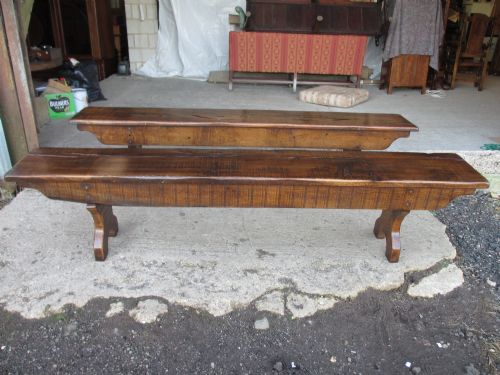
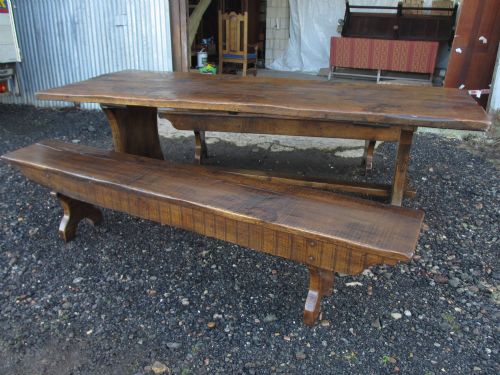
Matching oak benches with shaped trestle ends appear frequently alongside these tables in period listings. They offer practical seating that tucks neatly underneath when not in use.
Benches share the same heavy timber construction and rustic finish as the main dining surfaces, creating a cohesive arrangement for everyday meals.
Are these tables suitable for daily dining?
Solid oak construction and sturdy trestle bases make these tables exceptionally durable for regular family use. Their robust nature withstands heavy daily demands.
Using heat mats and coasters protects the historic surface finish from accidental damage while maintaining the practical utility of the wood.
How do I identify a 17th century table?
Early pieces from the seventeenth century typically feature pegged mortise and tenon joints, hand-planed single planks, and heavy elm or oak tops. Construction methods show distinct signs of hand tooling rather than machine work.
Inspect the underside and joints for hand-cut marks and natural timber movement that comes from centuries of age.