
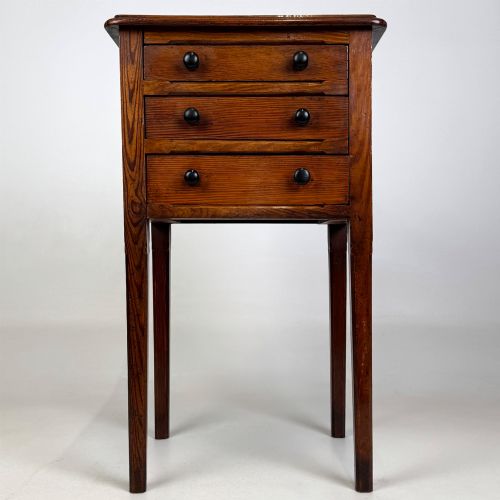
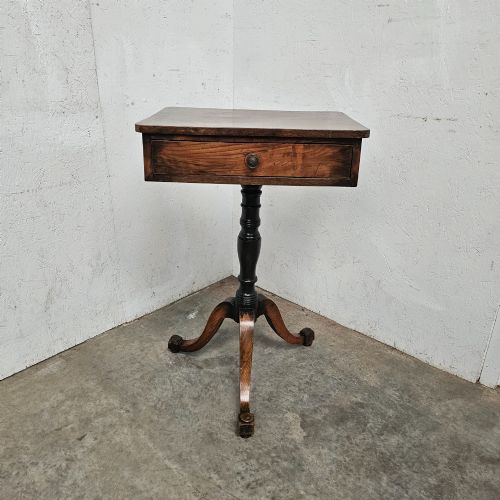
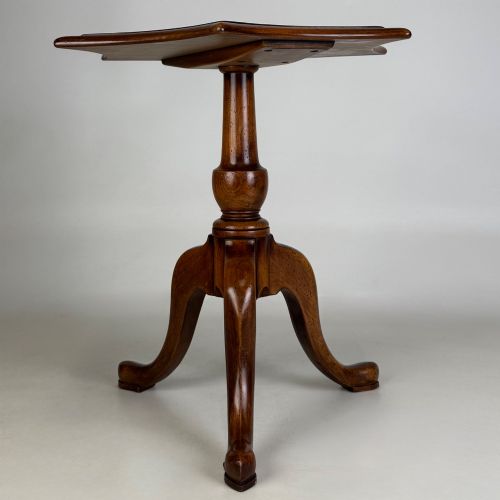
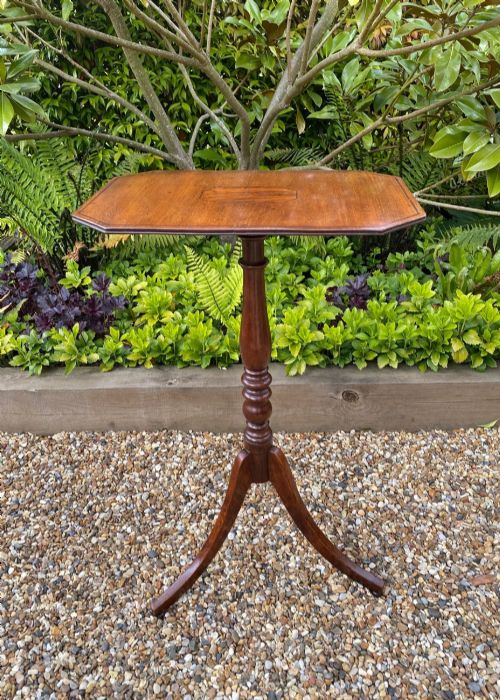
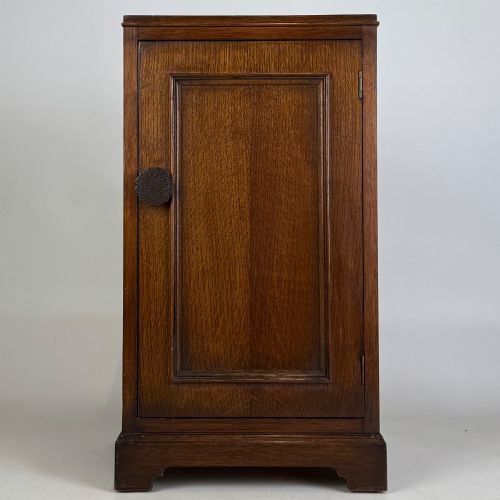
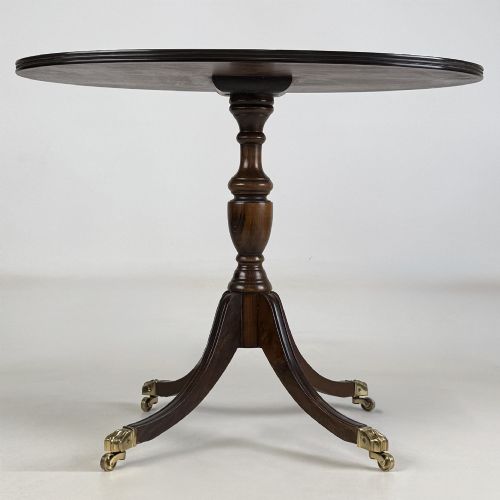
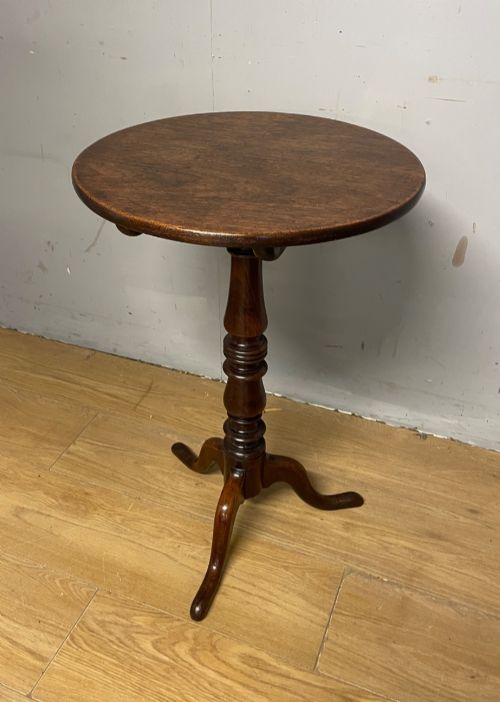
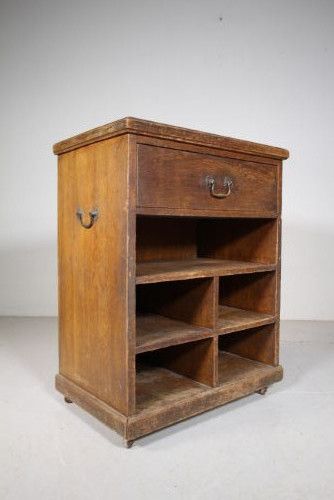
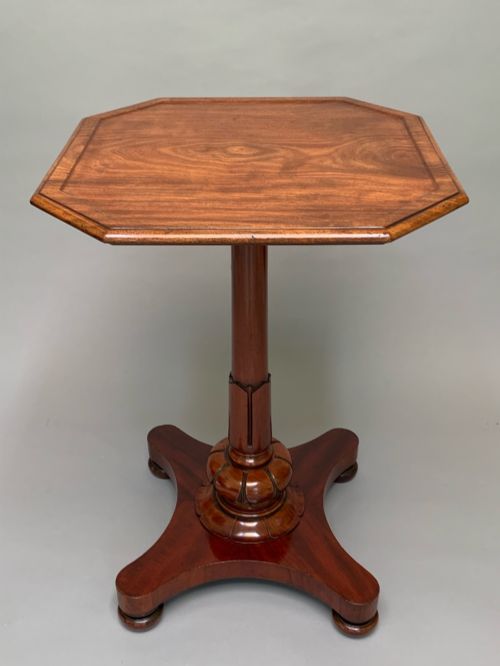
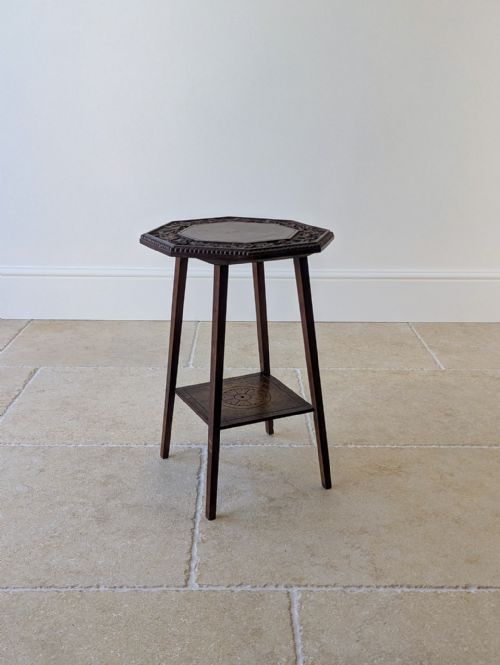
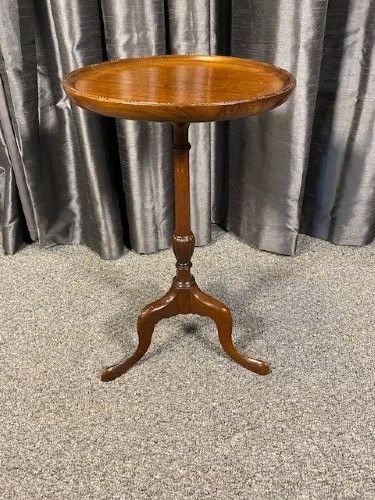
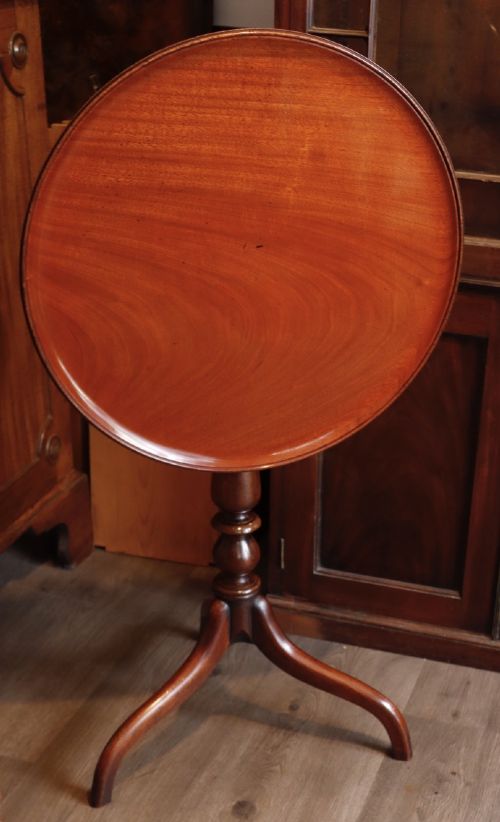
Small Wooden Pedestal Table
A small wooden pedestal table brings compact utility and traditional craftsmanship to any corner, offering a stable central column that supports surface tasks without crowding a room.
Small Wooden Pedestal Table
When you search for a small wooden pedestal table, you are looking at items designed to stand on a single central leg rather than four corner posts, saving floor space while remaining steady. The pieces gathered here span several periods, including Victorian, Edwardian, and Georgian eras, alongside later twentieth-century examples.
Makers utilised various traditional timbers to construct these items, resulting in pieces that range from simple country fruitwood and elm to formally styled mahogany and walnut. They serve practical roles as bedside stands, plant holders, or display surfaces for lighting.
How they were made
Cabinet makers relied heavily on solid hardwoods like mahogany, oak, and walnut, frequently selecting figured veneers such as burr walnut and burr oak for top surfaces. These timbers were joined using traditional woodworking joints to attach the pillar to the tabletop and the stabilizing tripod or circular base.
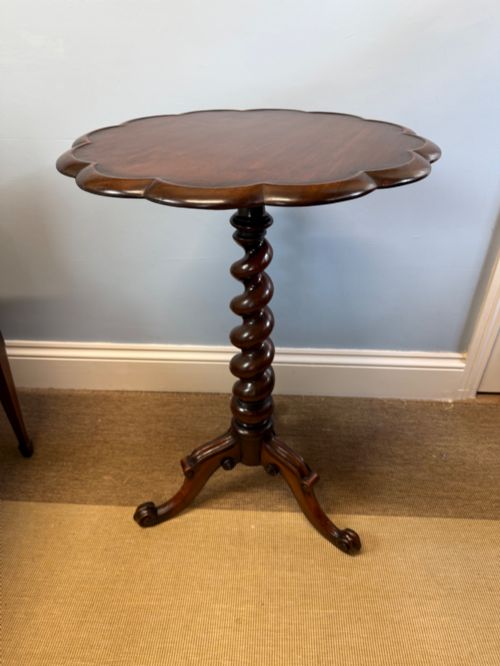
Turning lathes shaped the central pedestals into columns, sometimes featuring barley twist detailing or classical vase profiles to add visual texture. Metal components like brass fixings and tilt-top mechanisms were incorporated into functional designs to allow the surface to pivot or fold away when not in use.
Periods represented span the Georgian, Victorian, Edwardian, and twentieth-century eras.
What varies in quality
The standard of timber selection and veneer matching largely dictates the visual appeal of a small wooden pedestal table, with symmetrical grain patterns marking out finer work. Grain continuity across a tilt-top surface shows greater care from the cabinet maker.
The stability and turning of the central column and its supporting legs reveal the maker's skill, where clean lines and balanced proportions prevent wobbling. Heavier, denser woods and well-fitted mechanical joints indicate superior construction longevity.
Druce & Co London·Baillie Scott
The Small Wooden Pedestal Table Glossary
- Tilt-top
- A tabletop hinged to the central pedestal so it can be folded flat and stored against a wall when not in use. This mechanism was popular on eighteenth and nineteenth-century wine tables.
- Tripod table
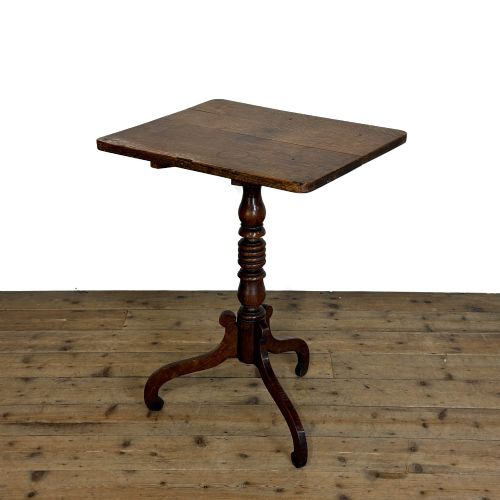
- A small table supported by three legs radiating from a central pillar. This design ensures the table remains stable even on uneven floors.
- Barley twist
- A decorative turning style resembling a twisted rope, carved into the central column of the table. It appears frequently on Edwardian and Victorian oak pieces.
- Wine table
- A compact occasional table originally designed to hold a glass and bottle of wine beside a chair. They typically feature small circular tops and single pedestals.
Small Wooden Pedestal Table: Frequently Asked Questions
What was a small wooden pedestal table used for?
These tables served primarily as movable surfaces for holding drinks, books, or small lamps near seating areas. Their compact footprints made them easy to reposition around a room as daily needs changed.
Over time, specific variations developed for specialised tasks, such as candle stands by evening hearths or bedside cabinets for overnight storage. Their portable nature meant they moved freely between parlours, bedrooms, and drawing rooms.
What is the difference between an occasional table and a wine table?
Wine tables generally feature smaller, circular tops specifically proportioned for a single glass and bottle, whereas occasional tables offer larger surfaces for general display or utility. Both utilise the same single-pillar support structure.
Occasional tables are more likely to appear in rectangular, square, or oval formats to suit different living spaces. Wine tables lean towards dedicated height and smaller diameters for reaching over armchair arms.
How can I tell the period of my table?
Dating relies on observing the timber species, turning styles, and construction methods characteristic of different eras. For instance, heavy barley twist columns often point toward the late Victorian or Edwardian periods, while simpler tripod bases frequently indicate Georgian origins.
Looking underneath reveals tool marks and screw types that help separate handmade historical examples from later twentieth-century reproductions. Comparing the wood finish and joinery against documented period pieces provides further clarity.