

Georgian Style Pedestal Table
A georgian style pedestal table anchors a room with balanced proportions and timber warmth, offering timeless utility across dining rooms and reading corners.
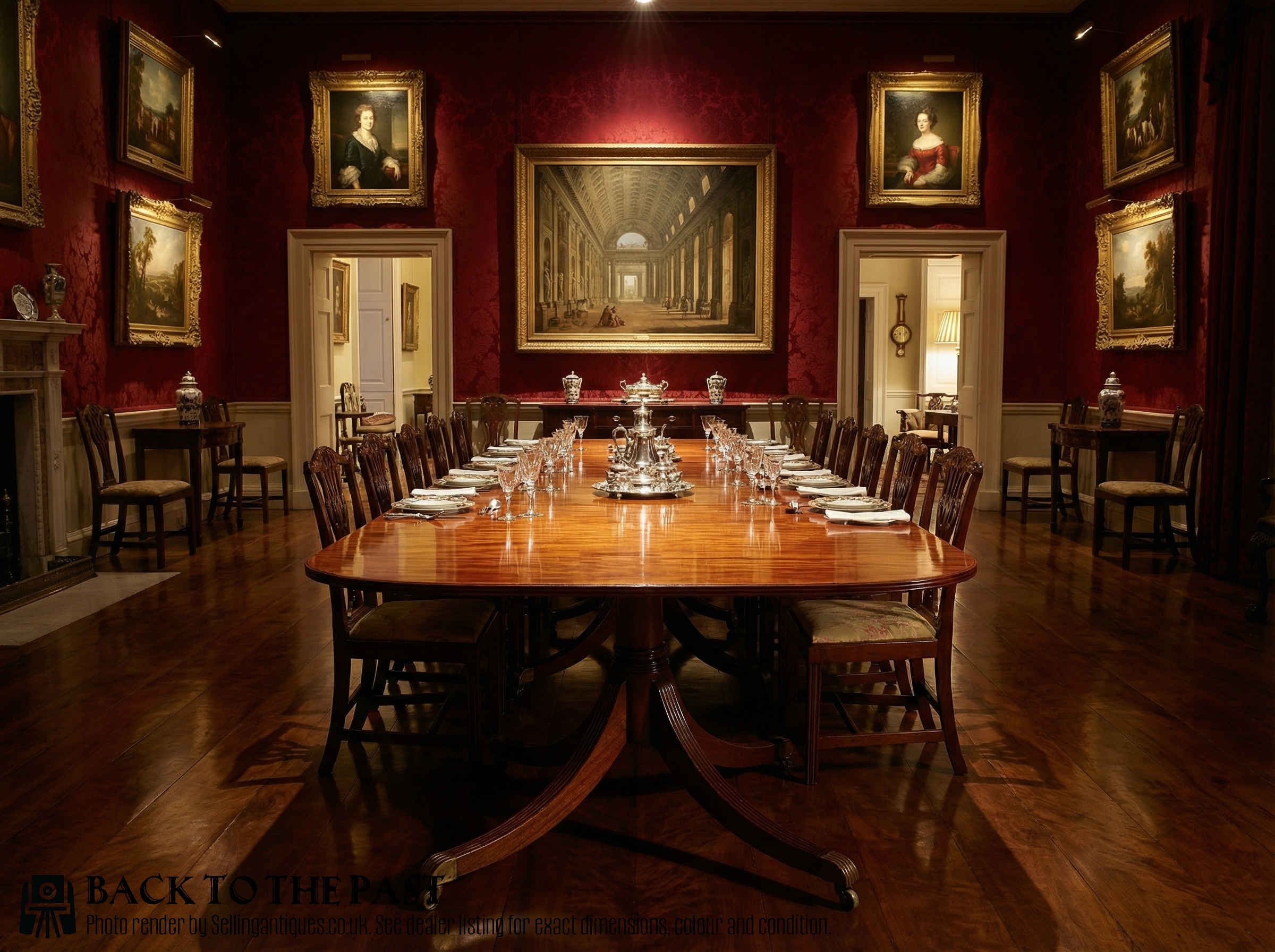
Georgian Style Pedestal Table
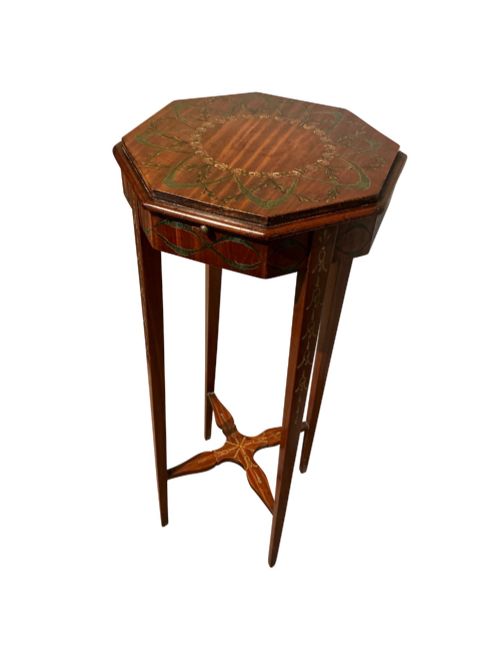
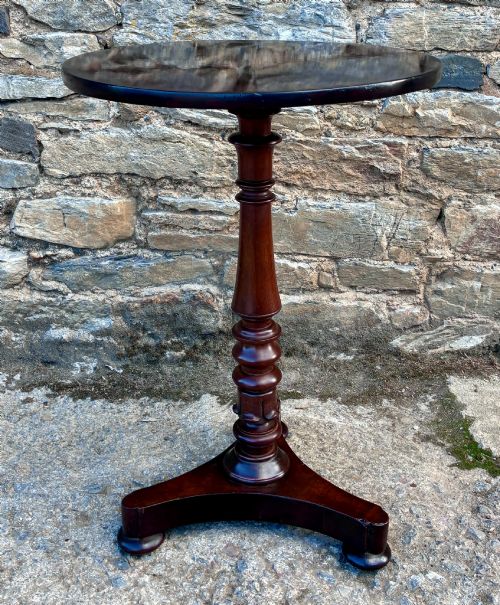
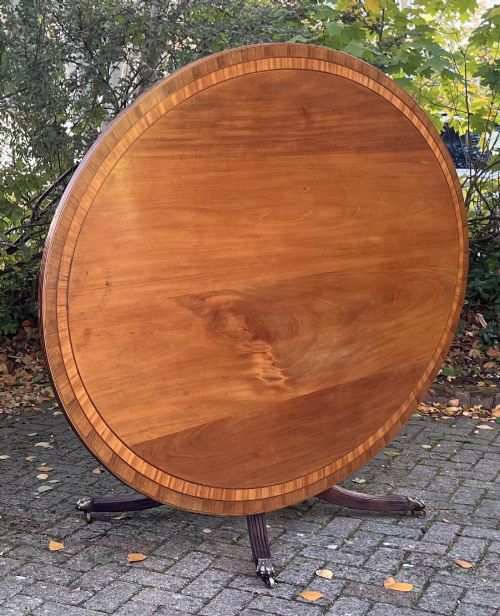
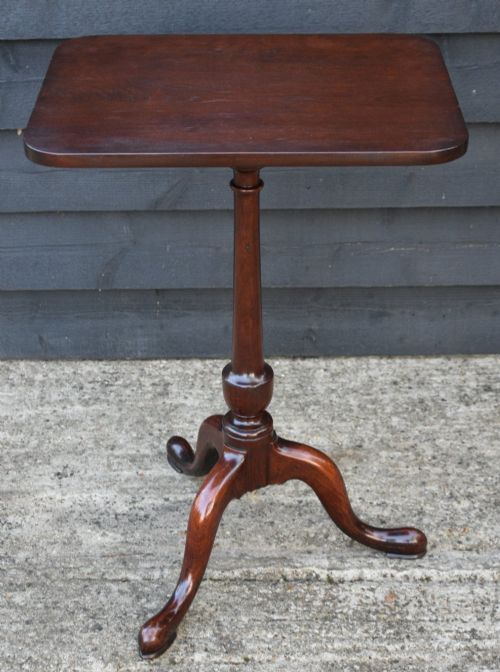
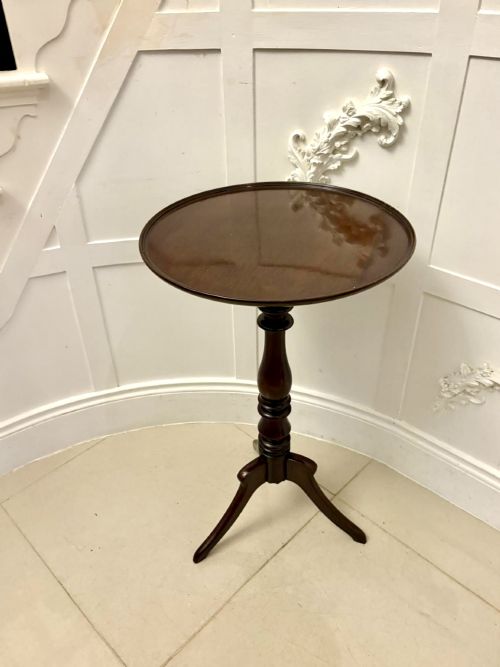
A georgian style pedestal table encompasses smaller lamp, wine, side and occasional tables alongside larger multiple-pillar dining formats. These pieces draw on eighteenth-century design principles executed during subsequent periods.
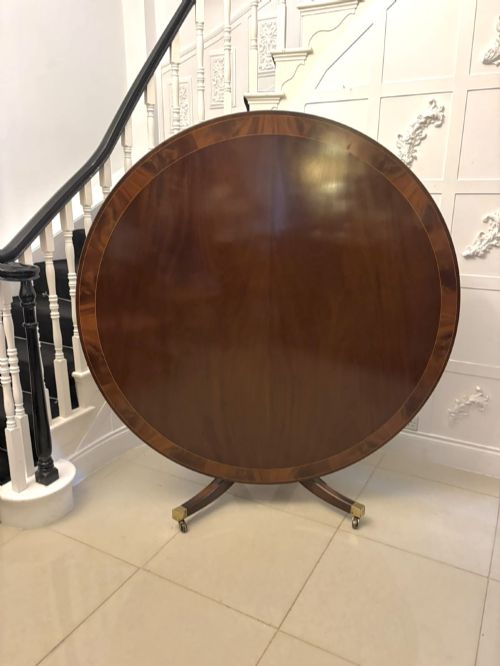
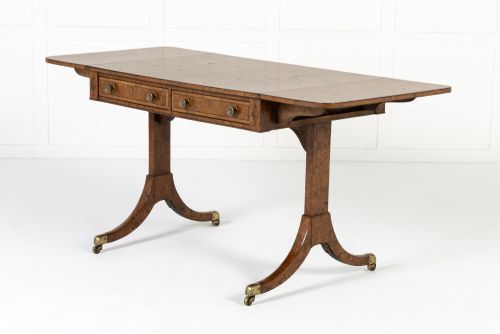
The nineteenth century and Edwardian era generated most of these works, spanning single-pillar occasional pieces to grand three-pillar dining tables. Buyers frequently encounter mahogany wine tables and substantial twin or triple pedestal dining versions on this page.
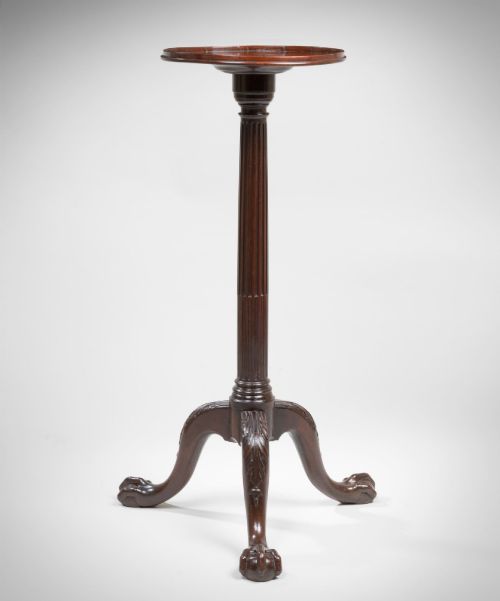
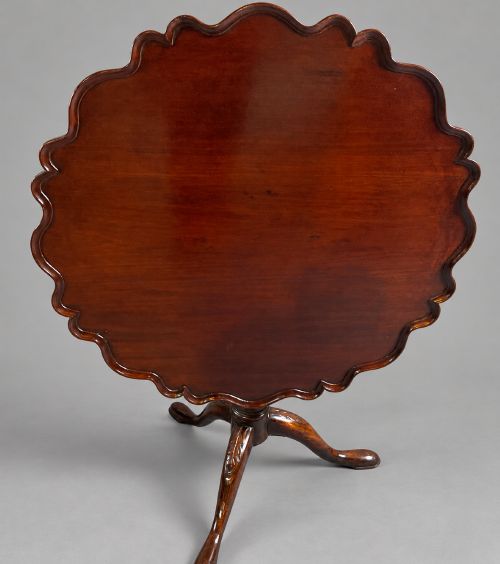
Forms range from tilt-top tea and supper tables with tripod bases to substantial fixed dining tables supported by robust timber pillars. Makers adapted earlier proportions for nineteenth-century and early twentieth-century domestic spaces.
How they were made
Makers relied primarily on mahogany, supplemented by English elm for specific regional occasional tables. Timber was selected for grain movement and stability, particularly in wide table tops and turned support pillars.
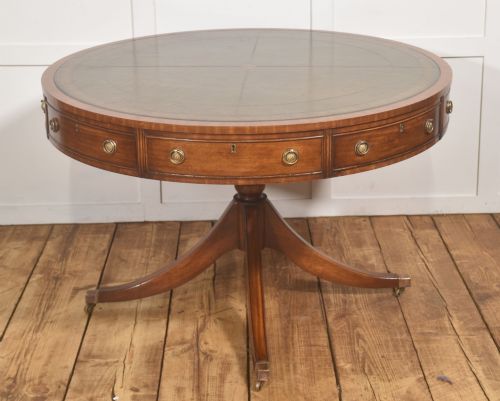
Construction involved sophisticated joinery including tilt-top bird cage mechanisms and tripod leg arrangements fixed to central columns. Brass fittings and leather inserts appear on selected examples, while others utilise paint and gilt highlights.
Georgian Style Pedestal Table Retail Price Guide 2026
Typical asking prices for georgian style pedestal table among the pieces listed under this phrase on Sellingantiques today, from the lower quarter to the upper quarter. They describe what is for sale here now, not the wider market.
Listings feature pieces spanning the nineteenth century, the Regency period, and the Edwardian era.
What varies in quality
Quality rests in the selection of timber figures, the precision of pillar turning, and the balance of tripod or pedestal bases. Superior examples demonstrate harmonious proportions where the column weight matches the span of the top and legs.
The integration of mechanisms such as tilt-top bird cage mounts reveals the maker's technical capability. Finer pieces maintain crisp carving and tight joints across the pillar and leg junctions.
The Georgian Style Pedestal Table Glossary
- Pedestal
- A central column support replacing traditional four-corner table legs. This pillar design allows greater legroom around the perimeter of the table.
- Tilt-top
- A hinged table top mechanism allowing the surface to fold vertical when not in use. This clever engineering saved valuable floor space in historical rooms.
- Tripod
- A three-legged base configuration commonly found on smaller occasional and wine tables. It ensures stability on uneven floor surfaces.
- Bird cage
- A timber framework beneath a tilt-top table allowing the top to both pivot and rotate. It represents a higher level of cabinetmaking skill.
Georgian Style Pedestal Table: Frequently Asked Questions
How do I use a pedestal table?
These pieces serve multiple domestic functions depending on their scale. Smaller variants work well beside seating for lamps or drinks.
Larger multi-pillar versions function as principal dining surfaces. Their central columns eliminate corner legs, improving seating accessibility.
Are these tables from the eighteenth century?
Most examples originate from the nineteenth century and the Edwardian era. Makers during these periods reproduced and adapted earlier eighteenth-century designs.
Stylistic cues draw heavily on Georgian and Regency aesthetics while reflecting the manufacturing methods of later decades.
What timber was used?
Mahogany dominates the available material record for these tables. Its rich grain and stability made it the preferred choice for cabinetmakers.
English elm also appears in specific regional pieces, alongside secondary elements in brass, leather, paint, and gilt.
How do single and multi-pillar tables differ?
Single-pillar tables typically operate as movable occasional, lamp, wine, or side pieces with tripod or platform bases. They suit flexible placement around a room.
Multi-pillar dining tables utilise two or three heavy pedestals to support extended timber tops, providing the necessary structural strength for large gatherings.