



Elm Pedestal Table
An elm pedestal table brings warmth and rich grain to a room through a central column support.
Elm Pedestal Table
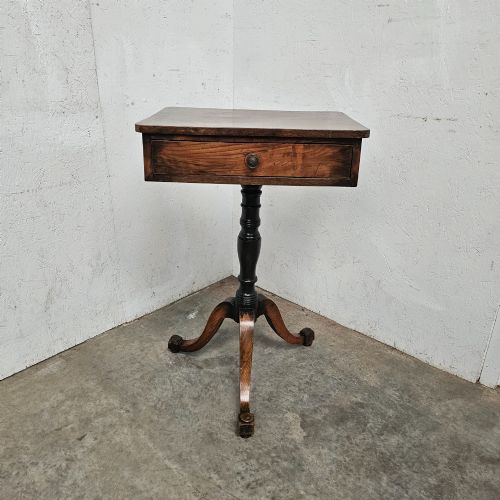
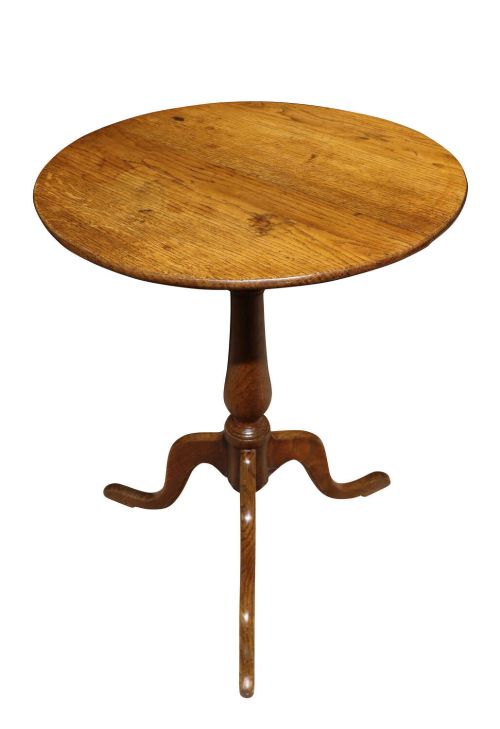
An elm pedestal table combines a robust single column base with a characterful timber top, appearing across periods from George II and Georgian eras through to the Victorian period and the twentieth century. These pieces serve practical functions as breakfast tables, occasional tables, and occasional lamp stands within domestic spaces.
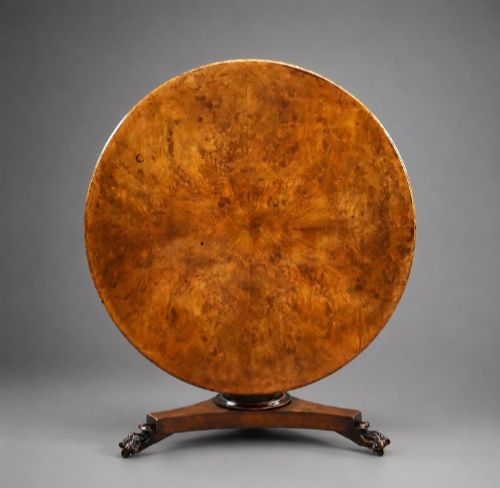
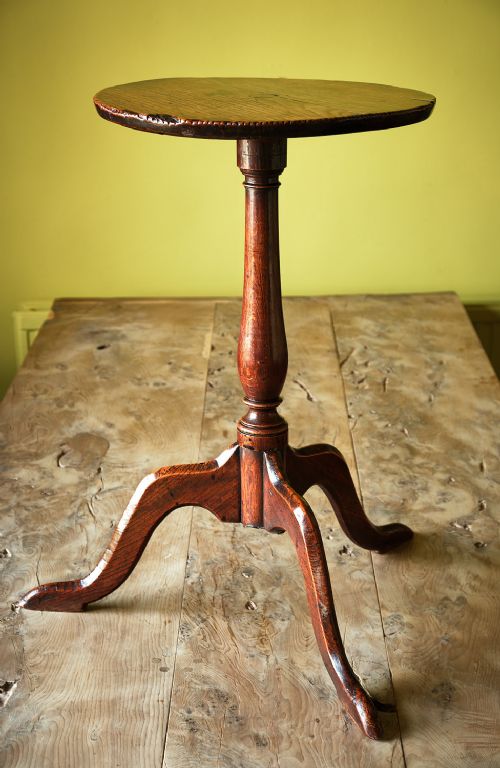
The most common examples on this page are circular and occasional tables supported by tripod or pedestal bases, frequently utilising burr elm for its striking figure. Buyers encounter forms ranging from compact tripod tables to larger tilt-top breakfast tables and writing desks.
Origins span English, French provincial, Scandinavian, and Chinese traditions, showing how different cabinetmakers harnessed the native hardness and interlocking grain of the wood. A buyer selects one of these tables to introduce organic texture and historical depth into an interior.
Assessing Quality and Craftsmanship
The distinction between ordinary and exceptional pieces rests upon the selection and matching of the timber veneers, particularly where burr elm displays depth and movement across a circular top. Superior examples exhibit harmonious grain patterns rather than jarring patches, showing the maker took care to centre the most striking figuring.
Proportion and stability define the upper tier of these tables, where the pedestal column flows naturally into the legs without awkward transitions or excessive bulk. Finer specimens retain original patination and subtle turning details that demonstrate the joiner's restraint and skill.
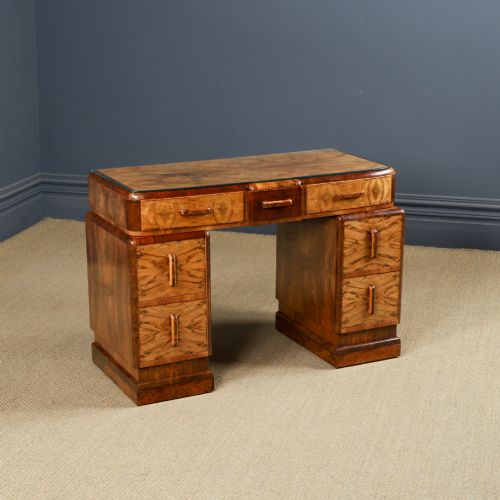
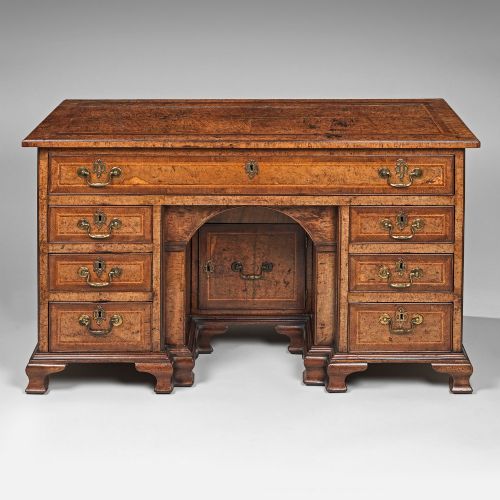
Object forms span diverse functions including teapoys, kneehole desks, guéridons, breakfast tables, and compact tripod occasional tables.
The Elm Pedestal Table Glossary
- Burr Elm
- The growth excrescence on an elm tree that produces highly figured, swirling wood grain prized for decorative table tops. Cabinetmakers slice this wood into veneers or use solid sections to create dramatic visual patterns.
- Tripod Table
- A small occasional table supported by three legs radiating from a central pillar. This construction prevents wobbling on uneven floors.
- Tilt-Top
- A table mechanism allowing the top to pivot to a vertical position when not in use. This design saved space in historical interiors.
- Guéridon
- A small French occasional table supported by a single central column or figures. The form originated in the seventeenth century and persisted through the nineteenth century.
- Teapoy
- A small pedestal table or box designed originally for storing and serving tea. Examples often feature internal compartments for caddies and mixing bowls.
Elm Pedestal Table: Frequently Asked Questions
Where should I place an elm pedestal table?
These tables suit hallways, sitting rooms, and corners where a circular or octagonal top softens rectangular furniture layouts.
Their compact footprints make them useful as lamp stands or display surfaces beside seating.
How do I care for burr elm surfaces?
Dust the timber regularly with a soft, dry cloth and avoid placing the table in direct sunlight or near heat sources.
Apply occasional traditional wax polish to nourish the grain and maintain the natural lustre.
Can I use a tilt-top table daily?
The tipping mechanism is sturdy, but frequent movement wears the brass catch or wooden block over time.
Most owners leave the top horizontal for everyday use and tilt it only when cleaning or rearranging space.
How do I distinguish Georgian from Victorian examples?
Georgian tables tend to show simpler, lighter tripod proportions and understated pillar turnings from the eighteenth century.
Victorian pieces often incorporate heavier pedestal bases, platform supports, and more assertive burr veneers.