
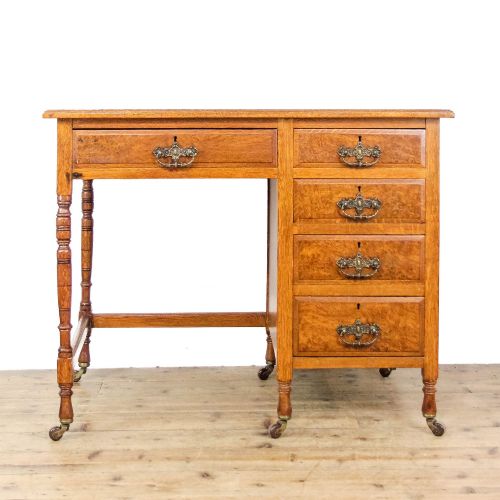
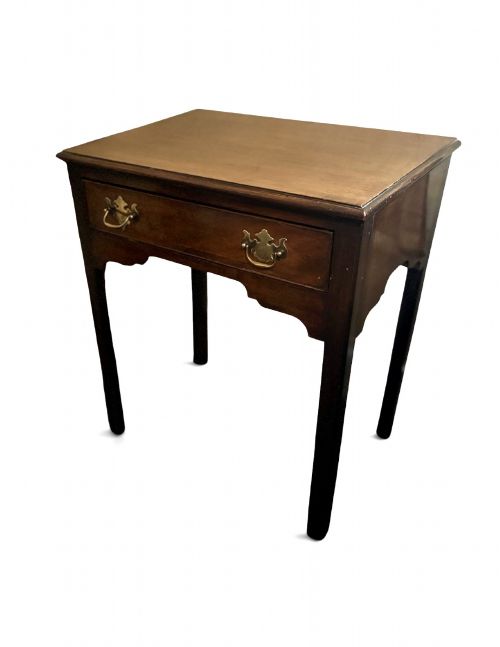
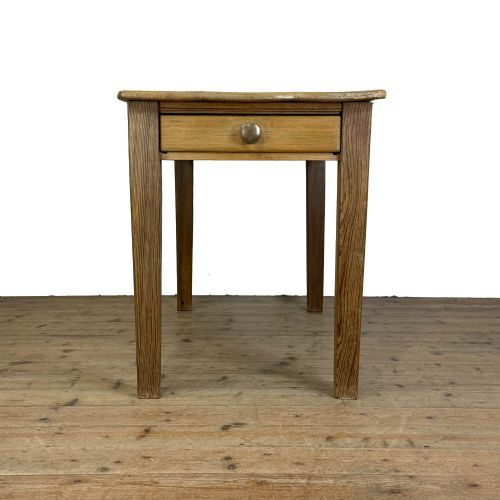


Small Single Drawer Table
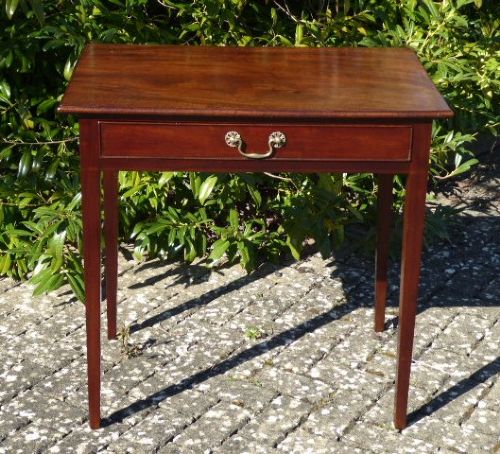
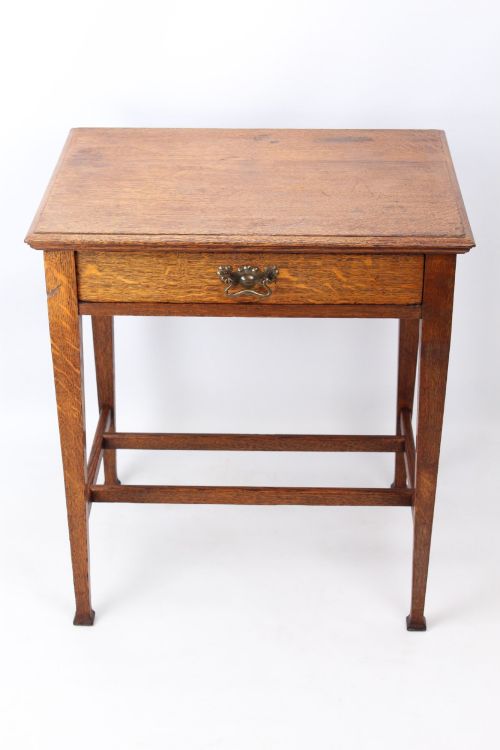
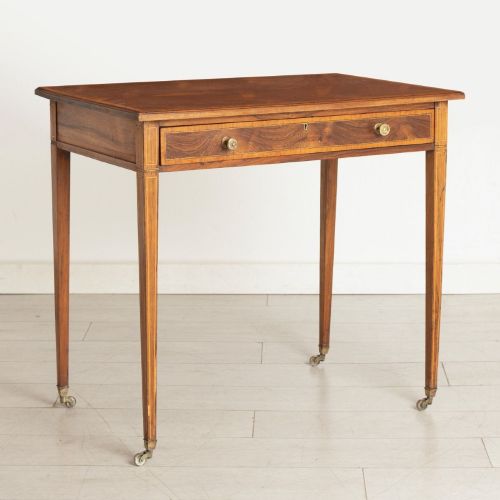
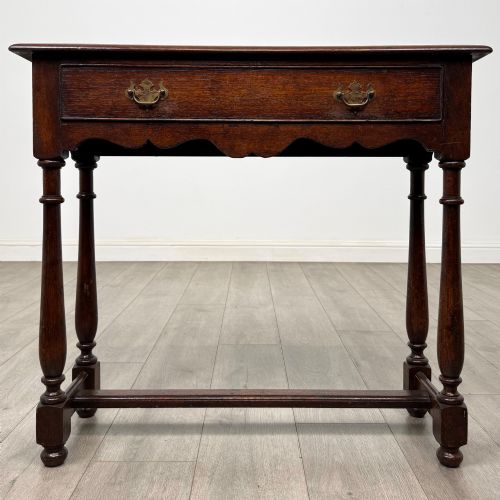
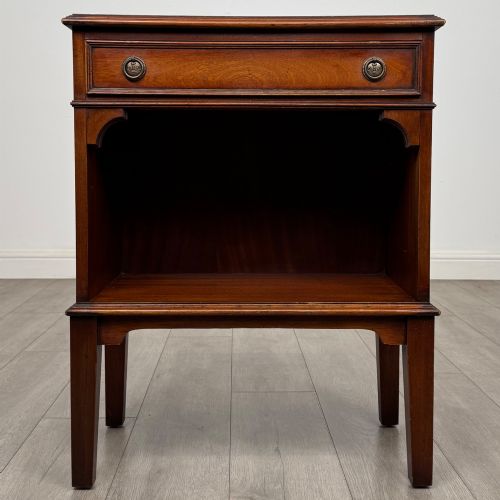
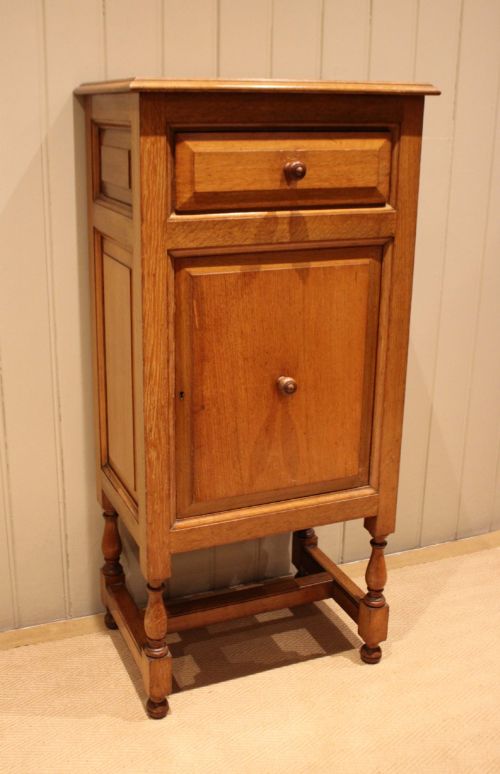
A small single drawer table offers a compact surface and discreet storage, spanning utilitarian oak designs to refined mahogany writing desks.
Small Single Drawer Table
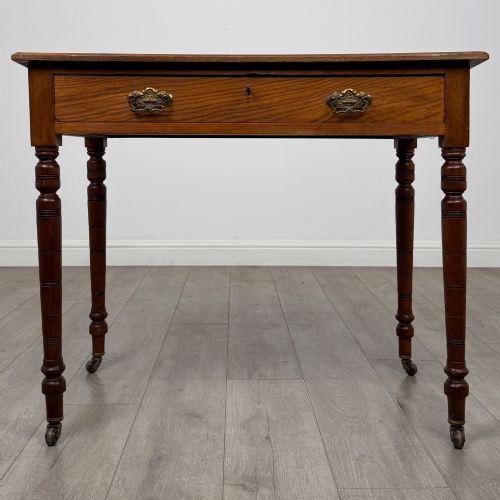
A small single drawer table functions primarily as a versatile household piece, serving as a side table, lamp table, bedside stand, or compact writing desk. These items appear across multiple periods, including the Georgian, Victorian, and Edwardian eras, reflecting changing domestic needs for modest work and display surfaces.
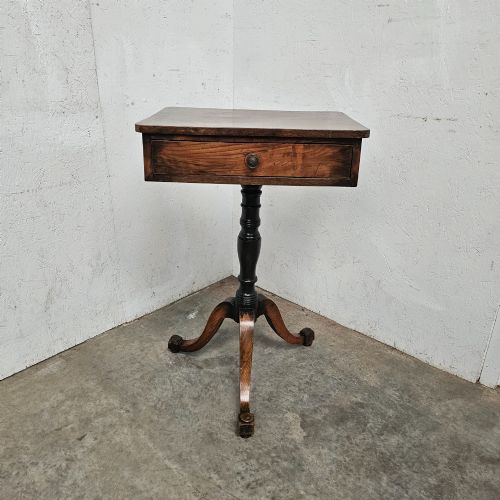
Buyers meet forms constructed from various woods, with mahogany and oak dominating alongside elm, pine, rosewood, and yew. Such pieces range from rustic farmhouse kitchen tables and lowboys to formal Regency occasional tables and inlaid Empire revival designs.
The format accommodates both plain utilitarian construction and decorative revival styles, capturing centuries of cabinetmaking traditions in spaces designed for everyday utility.
Materials and Construction
Makers utilised solid native and imported timbers, notably mahogany and oak, alongside alternative woods like elm, pine, rosewood, satinbirch, and cherry. Timber selection dictated the structural weight and visual character of each piece, whether finished with a warm polish or left in a rustic state.
Joinery techniques relied on traditional cabinetmaking methods appropriate to the period, incorporating brass hardware for drawer pulls and occasionally subtle inlay work. Surface treatments varied from plain waxed finishes to painted decorations and fine French polishing on high-status writing tables.
Some nineteenth-century tables manage to squeeze a functioning drawer into furniture no wider than a modern laptop.
Assessing Quality
Quality rests on the selection of timber and the precision of the cabinet work, distinguishing utilitarian workshop output from finely finished drawing room pieces. Superior examples demonstrate careful timber matching, refined proportions, and intact period hardware.
The integrity of the drawer construction and the crispness of any inlaid decoration separate standard regional items from pieces produced by skilled urban workshops. Material choice also plays a role, with dense hardwoods like mahogany and figured rosewood often denoting higher ambition in design.
The Small Single Drawer Table Glossary
- Lowboy
- A small seventeenth or eighteenth-century dressing or side table with one or more drawers, typically raised on slender legs.
- Writing Table
- A desk designed specifically for correspondence, frequently fitted with one or more drawers beneath the writing surface.
- Occasional Table
- A small, movable table intended for intermittent use around a room, such as for holding lamps or drinks.
- Side Table
- A small table designed to stand against a wall, common in hallways, living rooms, and bedrooms.
- Inlay
- A decorative technique where pieces of contrasting timber or other materials are inserted into the surface to form patterns.
Small Single Drawer Table: Frequently Asked Questions
What rooms suit a small single drawer table?
These compact tables fit easily beside beds, next to sofas, or within narrow hallways where surface space is limited.
They also function effectively as writing desks in small home offices or studies.
How do I date an antique wooden table?
Dating relies on examining the timber species, construction methods, handles, and overall style characteristics typical of specific eras.
Georgian and Victorian pieces display distinct joinery traits and proportions that set them apart from later Edwardian or twentieth-century examples.
Were these tables used for writing or storage?
Many examples served multiple functions, acting as lamp tables, bedside stands, or dedicated writing desks depending on their height and drawer layout.
The single drawer provided convenient storage for correspondence, small accessories, or household essentials.
What woods were commonly used for these tables?
Oak and mahogany appear most frequently across the available inventory, representing sturdy regional furniture and refined formal cabinetmaking.
Alternative timbers such as elm, pine, rosewood, and yew also feature in various regional and period styles.