



Golden Wood Occasional Table
A golden wood occasional table brings rich grain and warmth to a room, offering a versatile surface for daily use.
Golden Wood Occasional Table
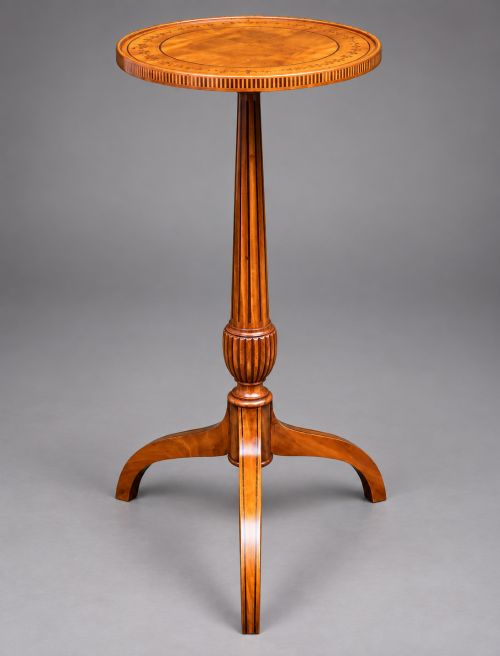
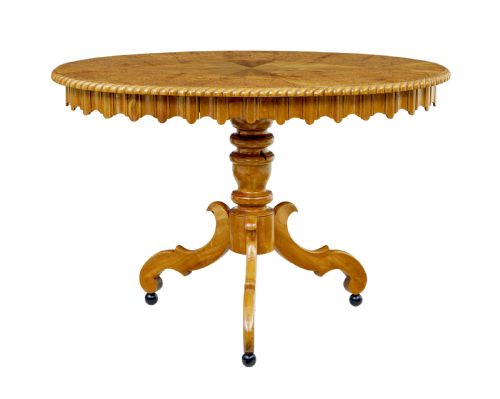
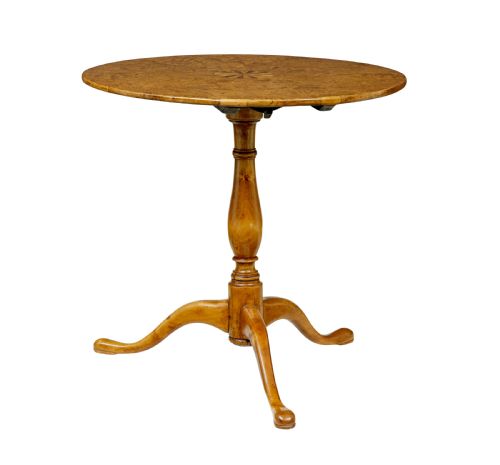
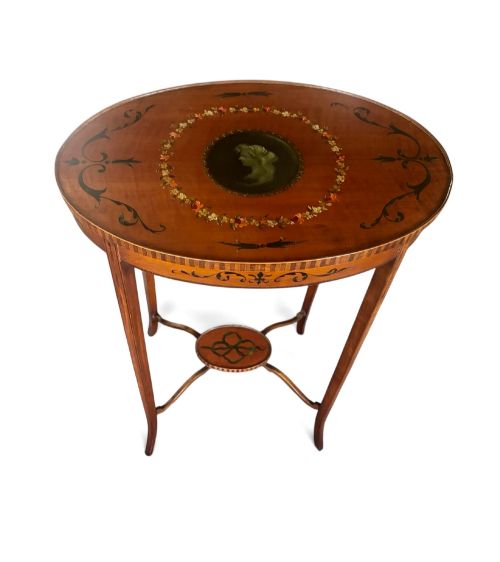
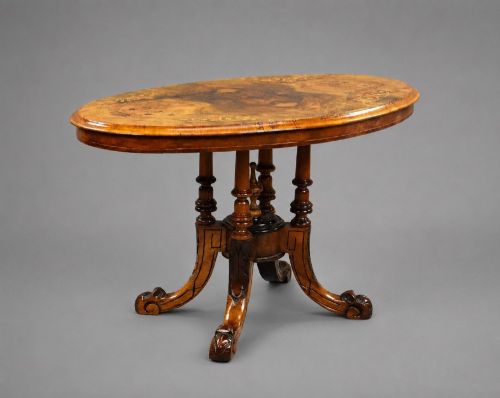
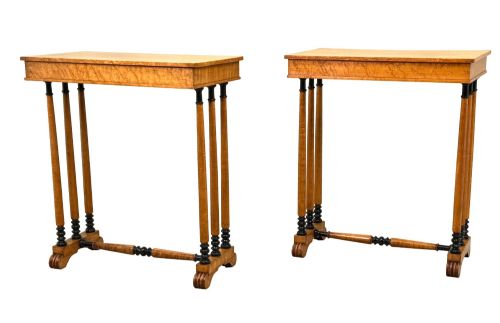
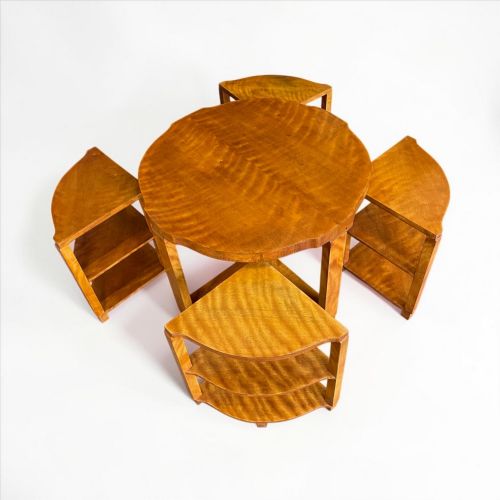
A golden wood occasional table encompasses a variety of compact freestanding forms, including side tables, coffee tables, lamp tables, and nests of tables designed for flexible placement in a room. These pieces emerge across the nineteenth century, Edwardian era, and the 1930s, reflecting shifts from Regency and Biedermeier styles to Edwardian satinwood and Art Deco modernist lines.
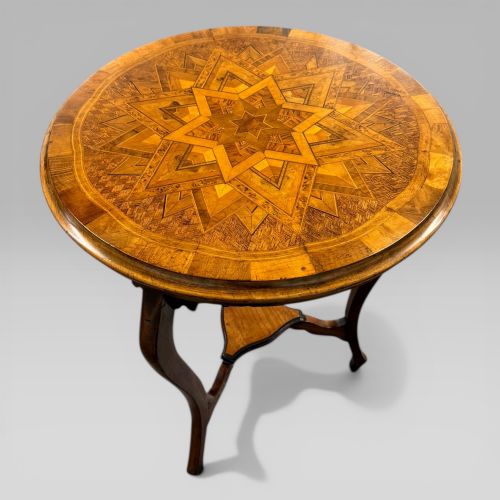
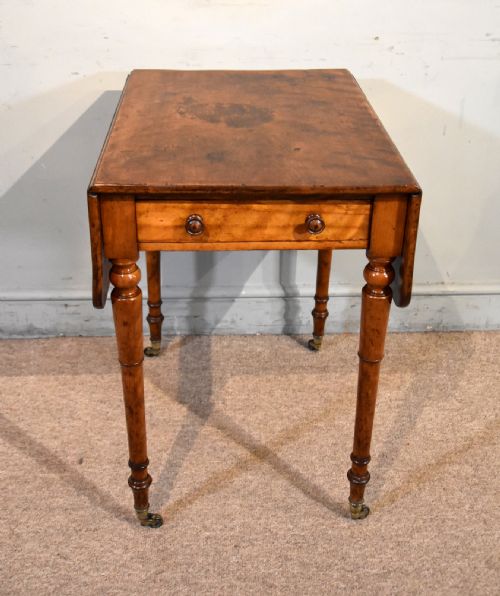
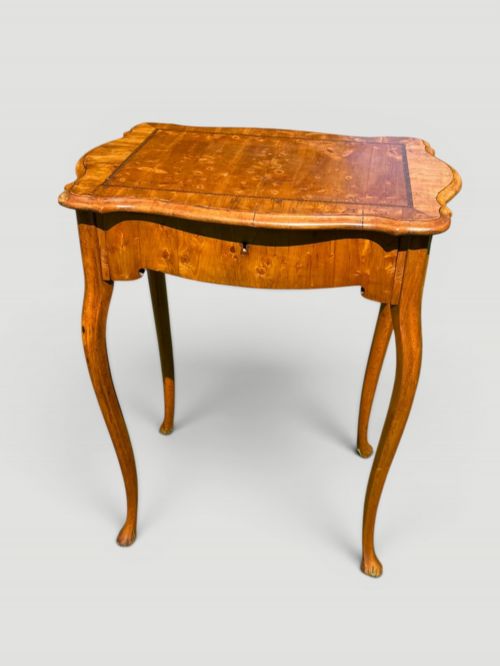
The version most frequently met on this page is the nineteenth century Scandinavian burr birch or satinwood occasional table, often featuring circular or oval tops, tripod bases, and subtle inlay. Buyers encounter everything from French burr elm guéridons to English Pembroke tables and Swedish birch side tables, each offering distinct proportions and lighter honey-toned timbers.
These tables function practically as display surfaces or tea tables while acting as focal points through their decorative veneers. Whether selecting an Edwardian satinwood piece with painted floral decoration or a Swedish Empire revival birch side table, the emphasis remains on light-reflecting grain patterns and manageable scale.
Materials and construction methods
Structural elements rely on traditional joinery, utilising solid timbers for tripod pedestals, tapered legs, and drop-leaf mechanisms found on Pembroke and sofa tables. Surface finishes were carefully rubbed to highlight the natural golden luminescence of the wood without obscuring the intricate figure of burr and bird's-eye varieties.
Golden Wood Occasional Table Retail Price Guide 2026
Typical asking prices for golden wood occasional table among the pieces listed under this phrase on Sellingantiques today, from the lower quarter to the upper quarter. They describe what is for sale here now, not the wider market.
Listings feature satinwood, burr birch, and mahogany across periods spanning from the eighteenth century to Art Deco.
Distinctions in craftsmanship and preservation
Quality separates tables by the selection and matching of the veneer, where top-tier examples display continuous, balanced grain patterns across the entire top rather than mismatched sections. The crispness of inlaid details and the delicacy of hand-painted floral decoration further distinguish superior pieces from simpler utilitarian items.
Proportion and structural integrity define the remaining differences, as finer examples maintain slender legs and stable joints that resist warping over time. Original surfaces and minimal restoration preserve the crispness of the timber's golden tone, elevating the piece within its period.
Anton Seuffert·Johnstone and Jeanes·Hille
The Golden Wood Occasional Table Glossary
- Occasional table
- A small, movable table designed for casual use in a reception room. These pieces include lamp tables, side tables, and small display stands.
- Satinwood
- A durable, hard wood native to Ceylon and the West Indies, known for its lustrous yellow-gold sheen and smooth texture. It became especially popular in late eighteenth and Edwardian neoclassical furniture.
- Burr birch
- A woody outgrowth on a birch tree containing numerous dormant buds, which produces a highly figured, swirling grain pattern when sliced into veneer. Cabinet makers prized this material for decorative table tops.
- Pembroke table
- A small table featuring two hinged drop leaves on opposing sides, often fitted with a single drawer. It was widely used for breakfast, writing, or casual tea service.
- Biedermeier
- A central European style spanning the mid nineteenth century characterised by clean lines, minimal ornamentation, and a focus on the natural beauty of native veneers such as birch and elm.
- Guéridon
- A small French round table supported by one or more central columns, frequently utilised for holding lamps or decorative objects.
Golden Wood Occasional Table: Frequently Asked Questions
What is an occasional table used for?
An occasional table provides a portable surface for lamps, books, or drinks within a living space.
Their compact scale allows them to sit beside sofas or chairs and move easily around the room as needed.
How do I identify satinwood furniture?
Satinwood exhibits a distinct pale yellow or golden colour with a fine, natural sheen that resembles satin cloth.
It frequently appears in Edwardian and late eighteenth-century pieces, sometimes accented with painted floral motifs or mahogany banding.
Where were nineteenth century birch tables made?
Many nineteenth-century birch tables originated in Sweden and wider Scandinavia, where local birch and burr elm were widely utilised.
These pieces often reflect Biedermeier or Empire revival aesthetics with a focus on minimalist elegance.