


Antique Country Furniture
Antique country furniture comprises honest domestic pieces shaped by regional makers using local timbers like oak, elm, and pine for everyday utility.
Antique Country Furniture
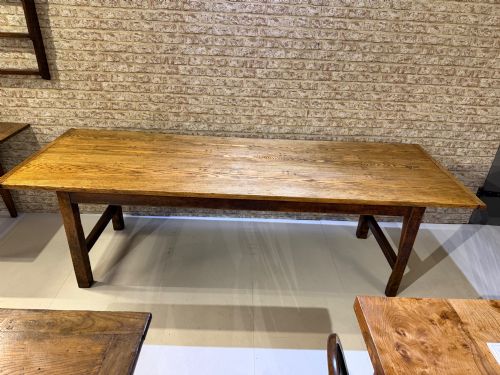
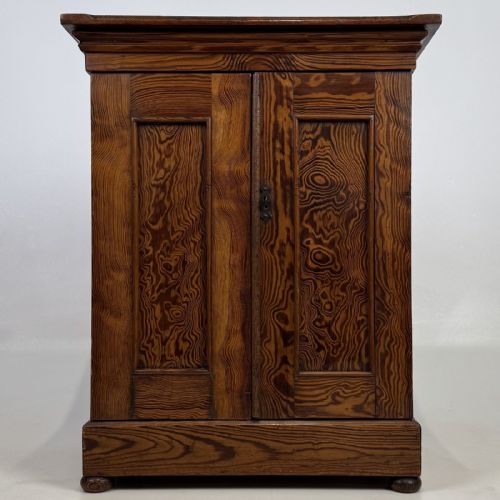
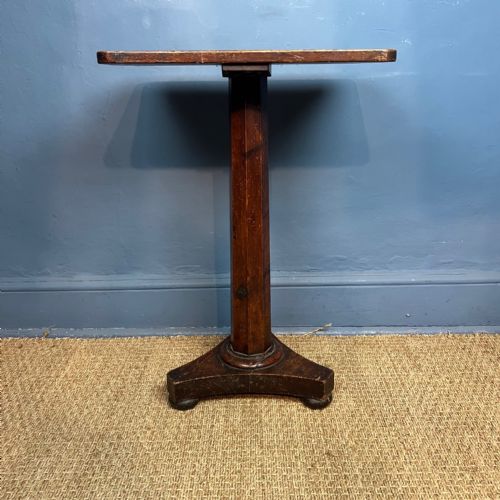
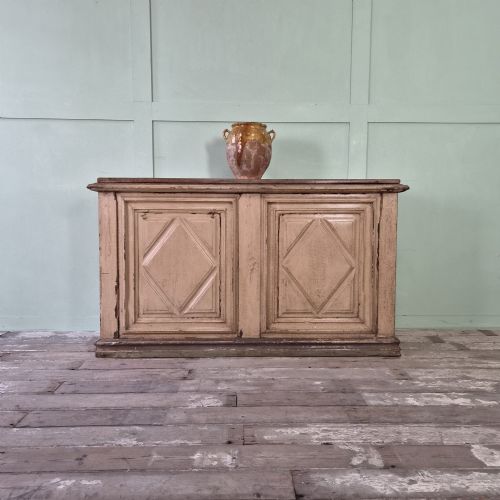
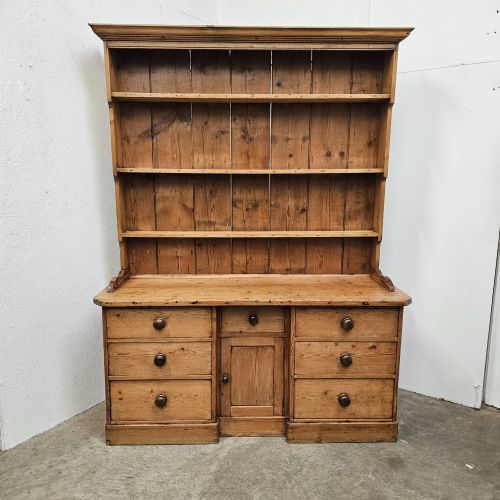
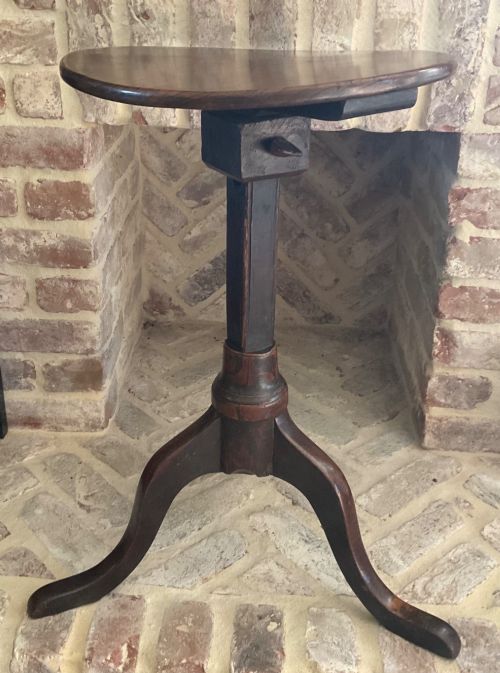
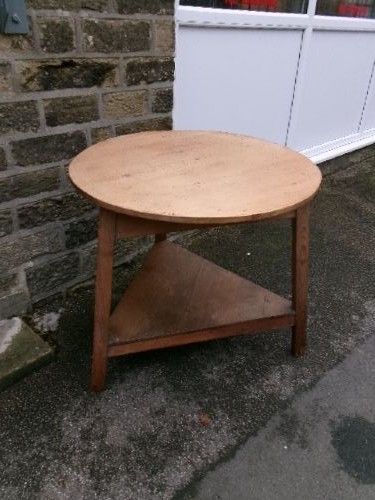
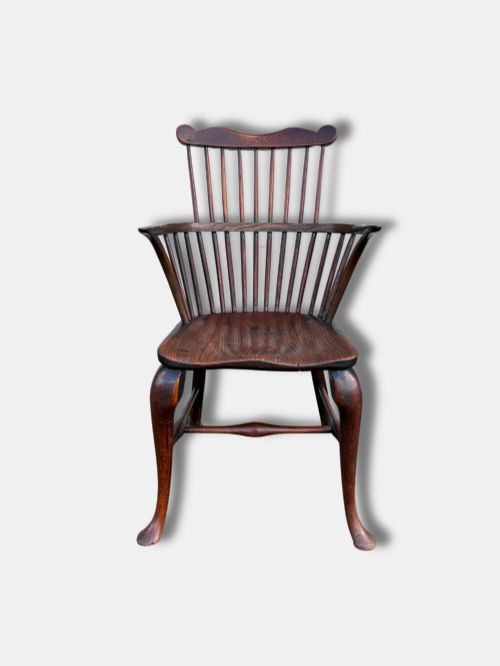
Antique country furniture encompasses domestic utilitarian pieces originating from provincial workshops and rural homesteads rather than metropolitan cabinet makers. These items span functional forms including robust dressers, Windsor armchairs, settles, refectory tables, and chests of drawers.
The selection on this page draws heavily from 18th-century and 19th-century periods, featuring regional vernacular styles such as Welsh potboard dressers, Scottish farmhouse tables, and English Windsor chairs. Buyers encounter solid timber construction designed for hard daily use rather than delicate parlour display.
How They Were Made
Construction relied upon locally available timbers such as oak, pine, elm, ash, and fruitwood, often combining multiple woods within a single piece depending on structural needs. Cabinet makers and rural joiners utilised traditional joints like mortise and tenon, secured with pegged tenons rather than metal fixings.
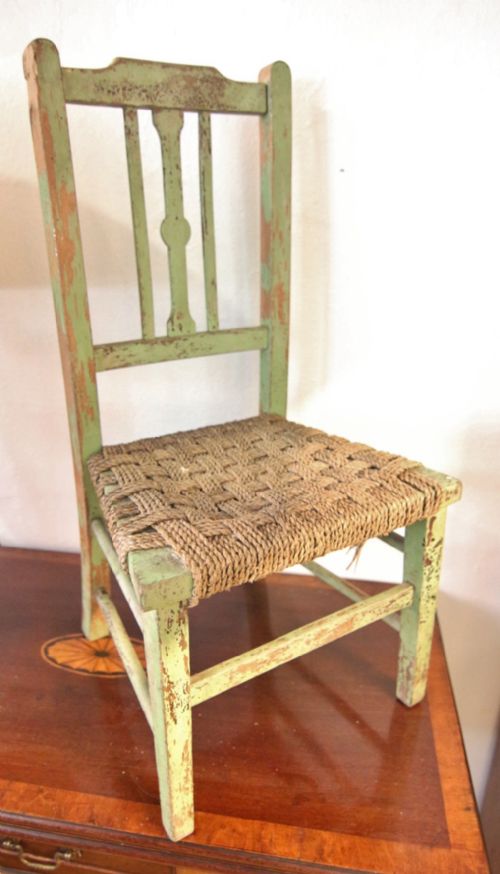
Surfaces were frequently left bare to age naturally, though many pieces display original paint, wax finishes, or early brass hardware. Turning techniques produced spindles and legs on lathes, while steam-bending shaped the hoops and armbows of country Windsor chairs.
Antique Country Furniture Retail Price Guide 2026
Typical asking prices for country furniture among the pieces listed under this phrase on Sellingantiques today, from the lower quarter to the upper quarter. They describe what is for sale here now, not the wider market.
Listings feature primary materials such as oak, pine, elm, and brass, spanning the 17th, 18th, and 19th centuries.
What Varies In Quality
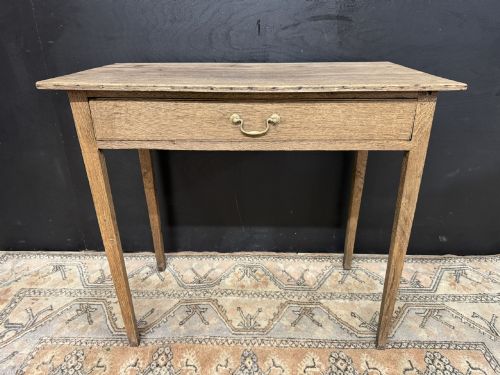
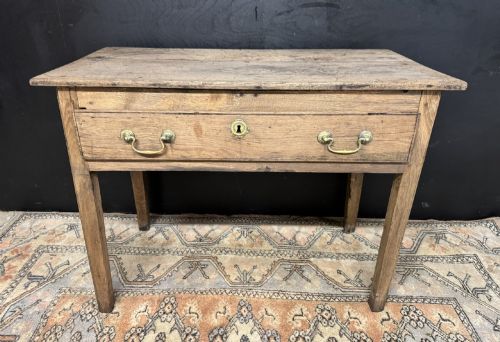
Quality in rural pieces rests upon the integrity of construction, the purity of timber selection, and the survival of original surfaces. Pieces retaining their early or original brasses, patinated paint, and uncompromised timber thickness sit at the upper end of the scale.
Proportion and regional character also dictate distinction, as vernacular items made by skilled local hands display harmonious scaling and balanced turnings. Alterations, replaced tops, or stripped timber that has lost its historical patina diminish desirability among collectors.
Whytock And Reid·Sir Clough Williams-Ellis
The Antique Country Furniture Glossary
- Settle
- A wooden bench with high back and solid arms, often featuring a storage box beneath the seat. It protected sitters from draughts in farmhouse kitchens.
- Dresser base
- A low sideboard or table with drawers, sometimes fitted with an open plate rack above. These served as central storage units in country dining rooms.
- Windsor chair
- A chair built with a solid wooden seat into which the legs and back spindles are separately tenoned. Regional variations include low-back and comb-back designs.
- Potboard
- A lower shelf fitted between the legs of a Welsh or farmhouse dresser base. It was traditionally used for storing pots and pans.
- Coffer
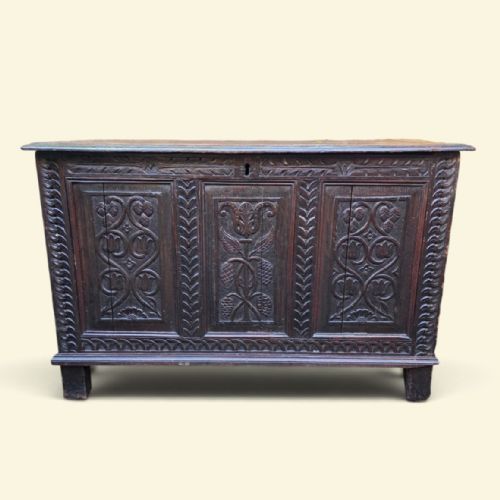
- A large wooden chest used for storing valuables, textiles, or documents. Early examples feature heavily panelled lids and sides joined by sturdy framing.
Antique Country Furniture: Frequently Asked Questions
What defines country furniture?
Country furniture comprises domestic items made in provincial regions for everyday use rather than formal urban display. These pieces prioritise structural honesty, local utility, and native timbers over fashionable ornamentation.
Craftsmen relied on practical forms tailored to rural homes, creating robust tables, settles, and chests that developed deep patinas through generations of daily service.
How do I identify regional styles?
Regional styles reveal themselves through the specific timbers utilised and the construction methods typical of particular areas. For instance, Welsh pieces often employ oak for substantial dressers, while East Anglian or West Country workshops favoured ash, elm, and fruitwood for chairs.
Examining the turning profiles on legs and the framing techniques provides further clues to a piece's geographical origin.
Are these pieces suitable for modern homes?
These items integrate naturally into contemporary interiors due to their understated designs and robust proportions. Their neutral timber tones and practical storage configurations suit modern living spaces ranging from kitchens to bedrooms.
Living with these pieces requires little beyond standard wax maintenance to preserve the dry, historic surfaces accumulated over centuries.
What is patination on timber?
Patination is the gradual surface transformation caused by light, handling, oils, and waxing over long periods. It gives old timber a warm, mellow glow and a tactile quality that modern reproduction techniques cannot replicate.
Retaining this untouched skin is vital for preserving the historical character and visual depth of rural antiques.