

Georgian Country Table
A georgian country table brings honest timber and simple domestic utility into a modern interior.
Georgian Country Table
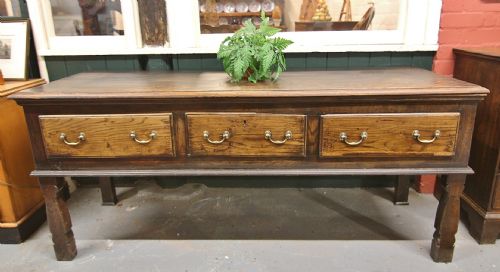
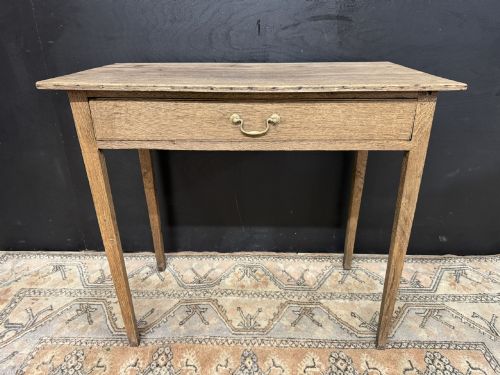
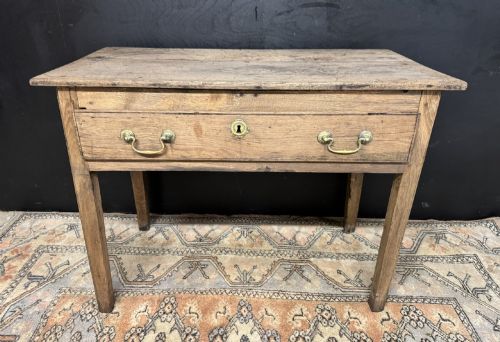
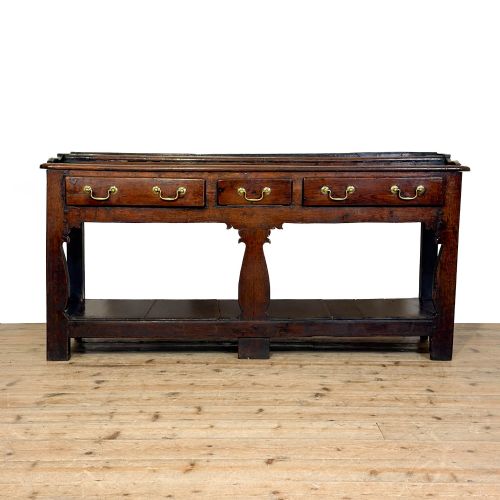
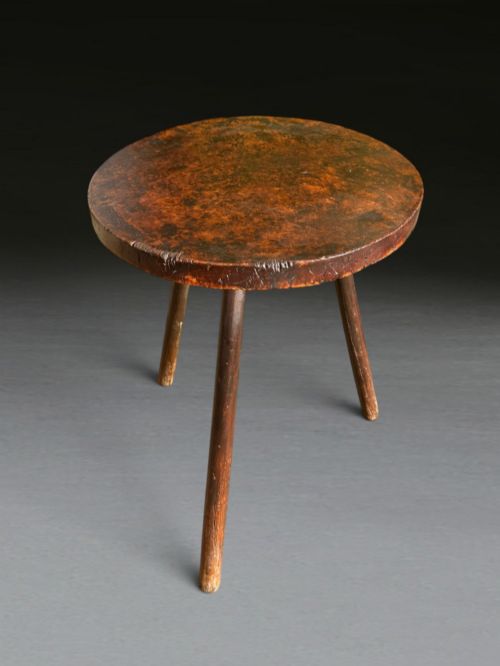
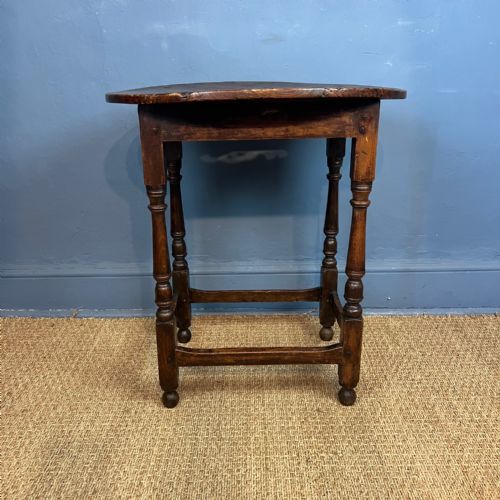
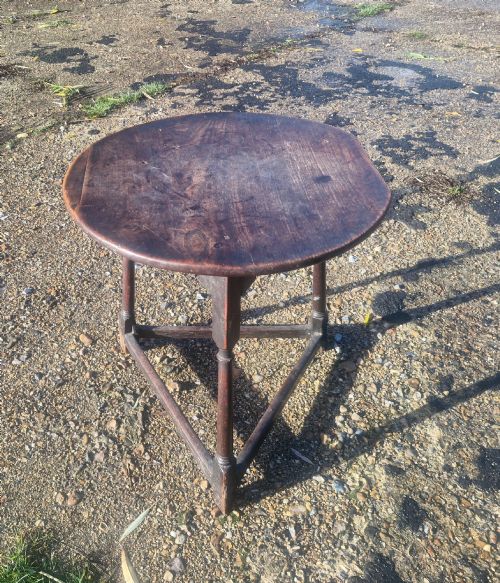
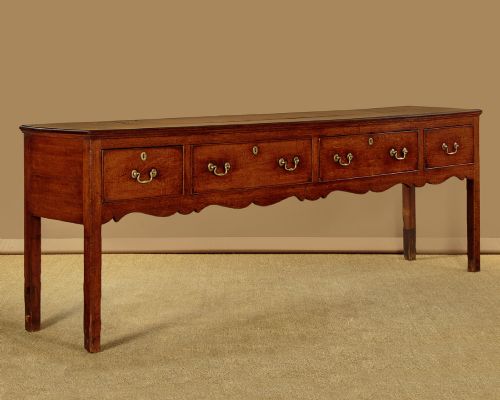
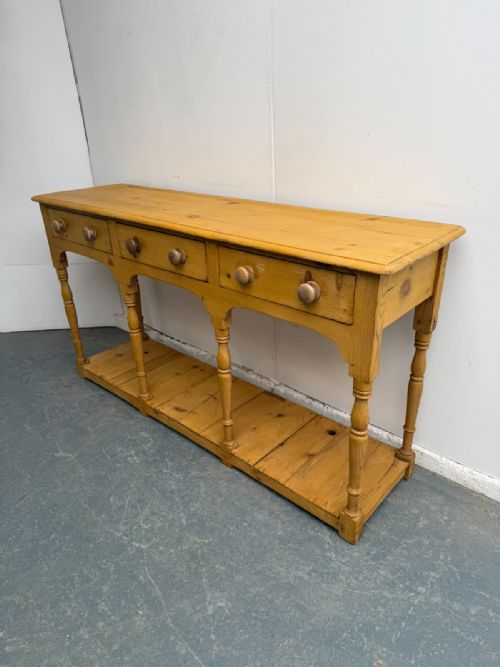
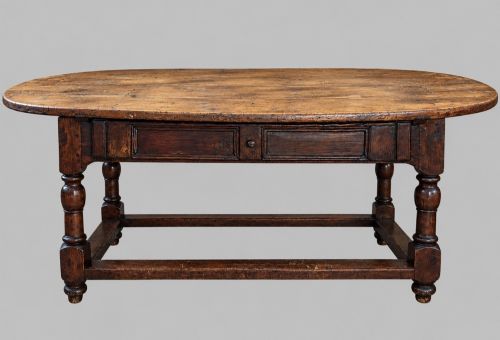
A georgian country table encompasses practical domestic forms built outside metropolitan workshops, ranging from large dining tables and tavern tables to small occasional pieces and dairy or butcher's tables.
The material record shows robust utilitarian furniture intended for everyday domestic tasks rather than formal entertaining.
Makers in rural workshops and regions such as Wales shaped these forms from native timbers, often resulting in primitive styles and regional characteristics that distinguish them from urban equivalents.
Materials and Construction
Construction relies heavily on native hardwoods recorded in the evidence, predominantly oak, elm, ash, and occasional fruitwoods like cherry.
Joinery methods served function and durability, utilising sturdy timbers and regional building traditions suited to heavy domestic or rural labour.
Georgian Country Table Retail Price Guide 2026
Typical asking prices for georgian country table among the pieces listed under this phrase on Sellingantiques today, from the lower quarter to the upper quarter. They describe what is for sale here now, not the wider market.
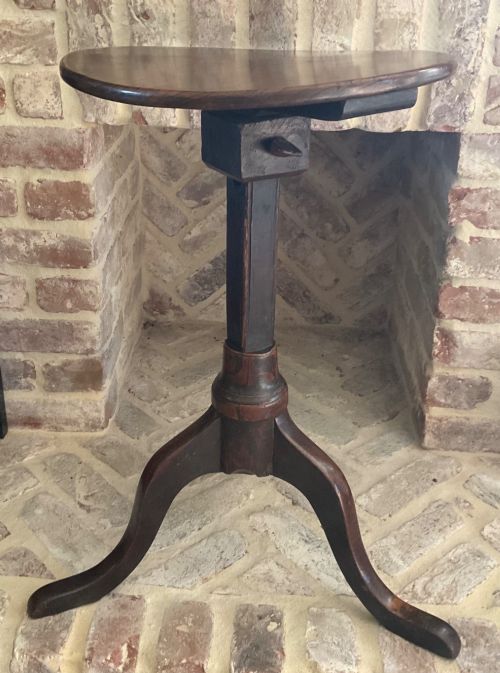
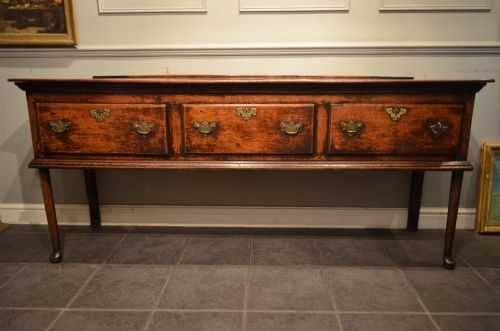
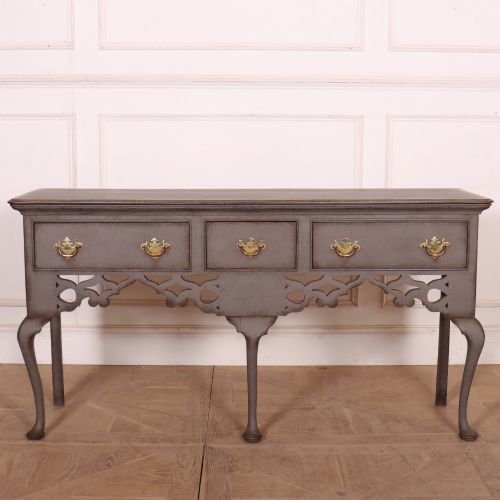
Listings for a georgian country table frequently feature elm, oak, ash, and timber forms spanning side tables, dining tables, and tripod bases.
Assessing the Pieces
Quality rests on the integrity of the timber, the depth of natural surface patina achieved through decades of use, and the honesty of the construction.
The Georgian Country Table Glossary
- Patina
- The surface sheen and mellow tone developed by timber over years of handling, polish, and exposure to light. This characteristic is a primary indicator of age and authenticity.
- Primitive Style
- Furniture constructed with rustic simplicity, often by local carpenters working outside metropolitan fashions. These pieces emphasise utility over ornamentation.
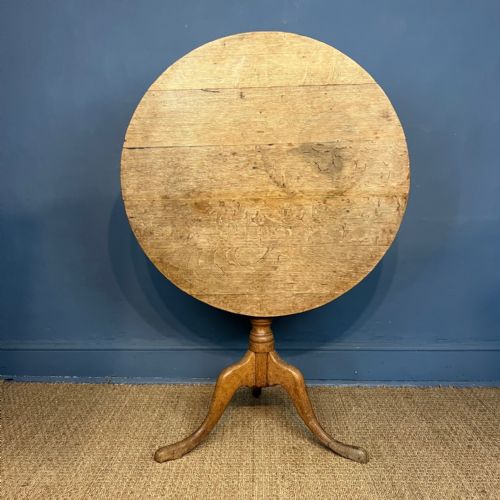
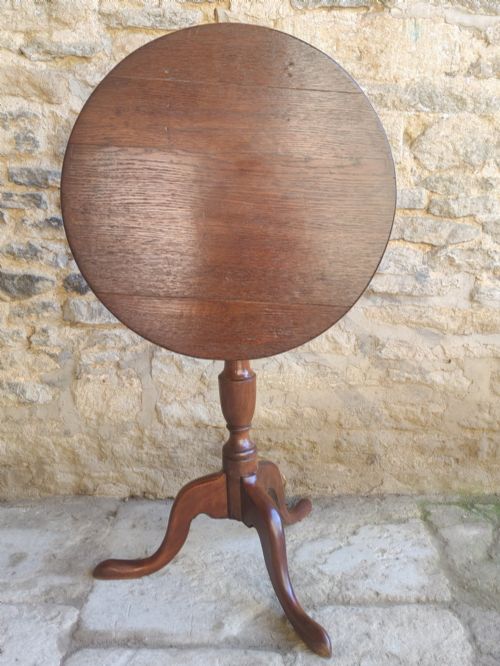
- Tripod Table
- A small table supported by a central pillar and three legs, frequently designed with a tilt-top mechanism. They served as versatile tea or wine tables in country houses.
- Gateleg Table
- A drop-leaf table with hinged flaps supported by swinging legs that resemble a gate. This form allowed tables to expand for dining and contract for storage.
- Lowboy
- A small side table featuring one or more drawers and relatively short legs, commonly used as a dressing or writing table.
Georgian Country Table: Frequently Asked Questions
What is a georgian country table?
A georgian country table is a domestic piece of furniture made during the Georgian period in regional workshops rather than city centres. These items prioritize practical utility and sturdy local timbers over ornate decoration.
Common forms include dining tables, tavern tables, side tables, and occasional tripod tables used for dining, work, or leisure in rural homes.
How do I live with one?
Living with these pieces involves appreciating their robust utility and integrating them into modern rooms as dining surfaces, side tables, or writing desks. Their honest timber construction pairs well with both traditional and contemporary interiors.
Maintain the wood using gentle cleaning methods and avoid placing them in direct sunlight or near heat sources to protect the historic surface.
What woods were used?
Makers utilised native British hardwoods available in their local regions, primarily oak, elm, ash, and occasional fruitwoods like cherry. These timbers were selected for their strength and availability rather than exotic appearance.
Over time, these woods develop rich patinas and varied grain patterns, including burr elm and quarter-sawn oak.
How are regional styles identified?
Regional styles are identified through distinct construction methods, local timber choices, and specific forms native to areas like Wales or rural English counties. Pieces built in these districts often display primitive or vernacular characteristics.
Comparing leg turning, drawer construction, and joinery details helps differentiate regional workshops from standard metropolitan output.