

Dark Oak Trestle Table
A dark oak trestle table brings solid timber construction and historic character into a modern dining space.

Dark Oak Trestle Table
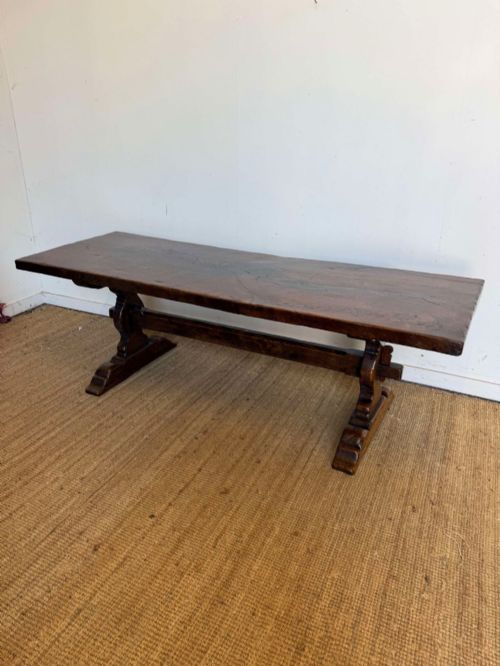
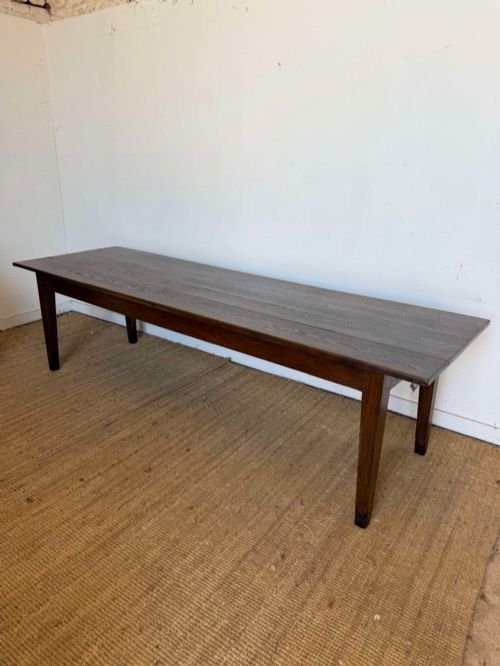
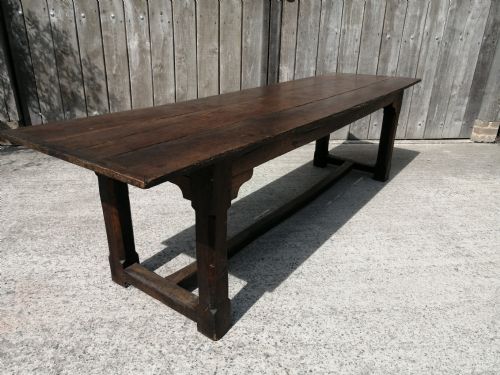
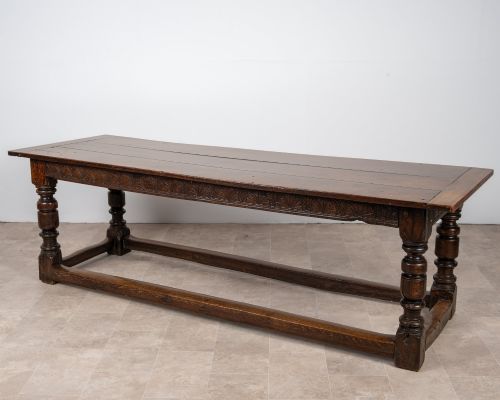
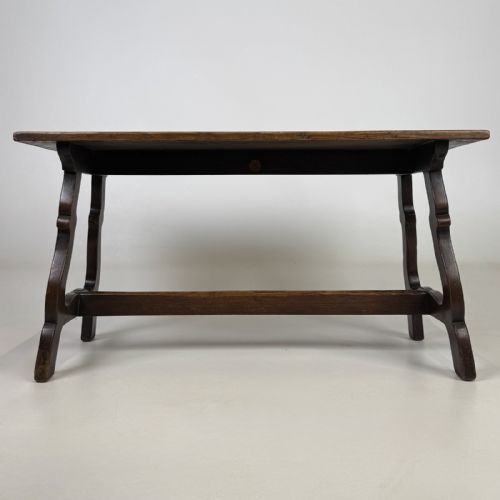
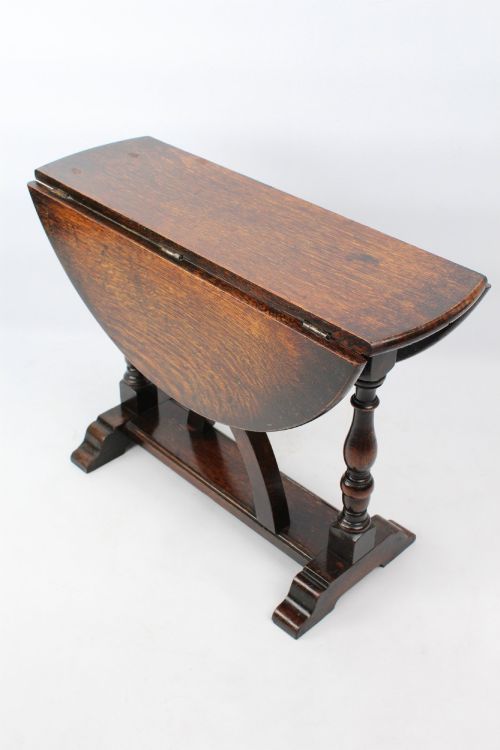
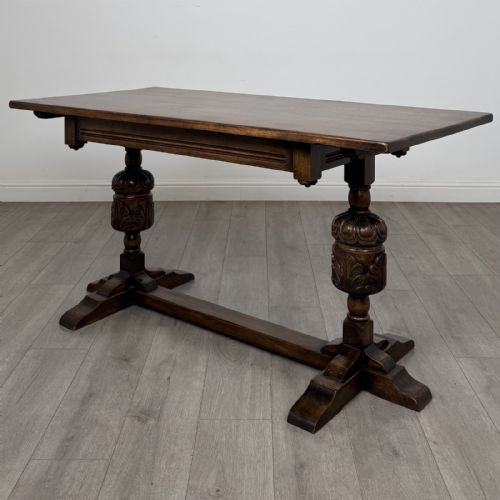
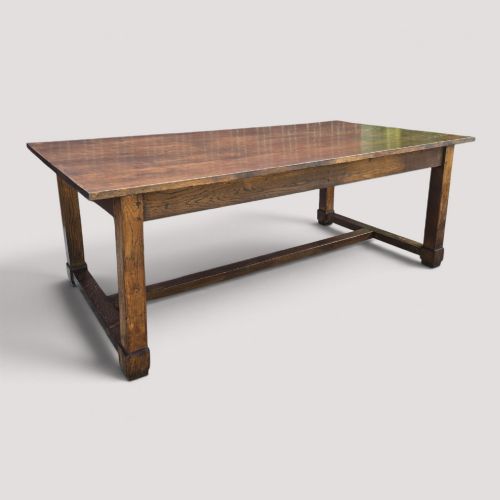
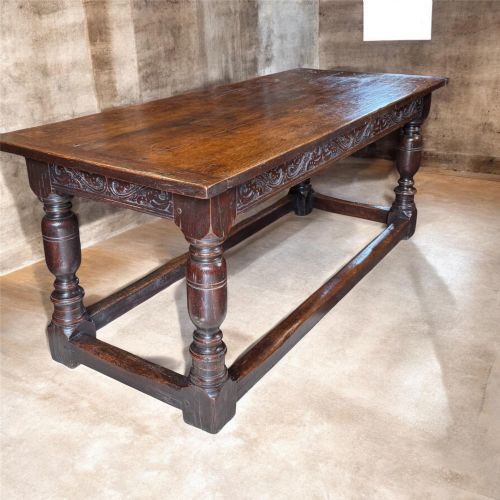
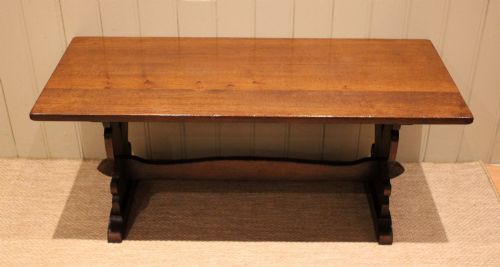
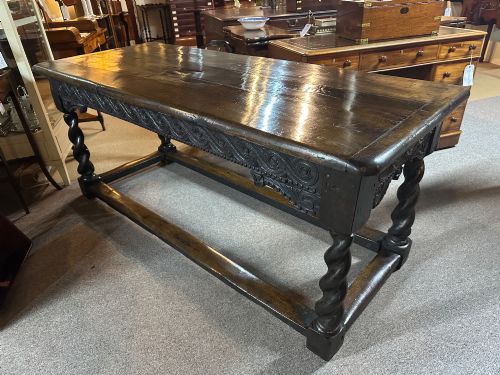
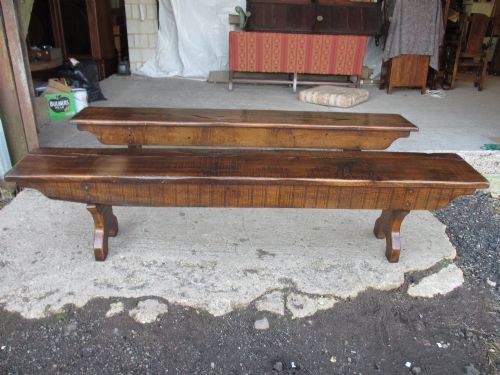
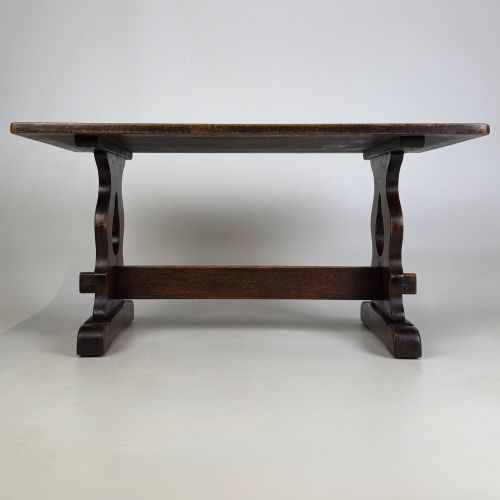
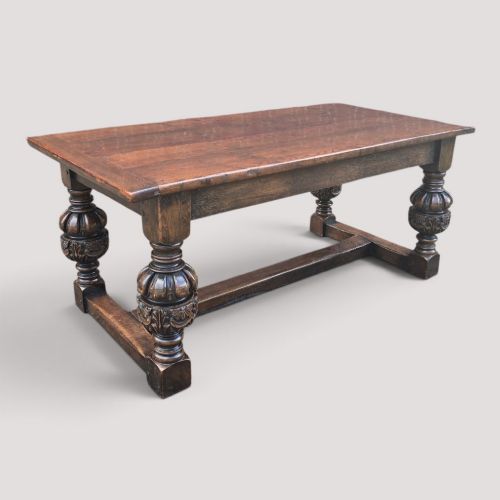
A dark oak trestle table is a robust piece of furniture designed primarily for dining, supported by shaped trestle ends rather than standard corner legs. These surfaces appear in various forms, including large refectory dining tables, smaller coffee tables, and narrow console tables. Buyers searching for a dark oak trestle table will find pieces spanning from the seventeenth century through to the twentieth century revival periods.
The selection frequently includes Edwardian and early twentieth century interpretations alongside genuine eighteenth and seventeenth century examples. Revival styles such as Jacobean, Tudor, and Arts and Crafts dominate the later pieces, while earlier items show vernacular farmhouse and tavern characteristics. Solid timber construction remains a consistent feature across the entire range of available dining and side tables.

How they were made
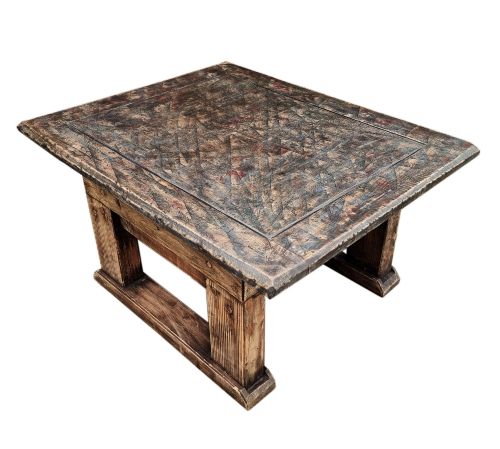
Makers utilised solid oak alongside secondary timbers such as elm and walnut, often shaping thick planks for the top surfaces. Wrought iron and metal hardware frequently reinforced joints and trestle supports on heavy refectory and monastery forms. Some examples incorporate paint finishes or carved detailing along the friezes and trestle ends.
Joinery methods relied on pegged mortise and tenon joints to secure the heavy timber frames. Single plank tops appear on seventeenth century pieces, whereas later twentieth century versions often utilise joined boards finished in solid oak or walnut.
Dark Oak Trestle Table Retail Price Guide 2026
Typical asking prices for dark oak trestle table among the pieces listed under this phrase on Sellingantiques today, from the lower quarter to the upper quarter. They describe what is for sale here now, not the wider market.
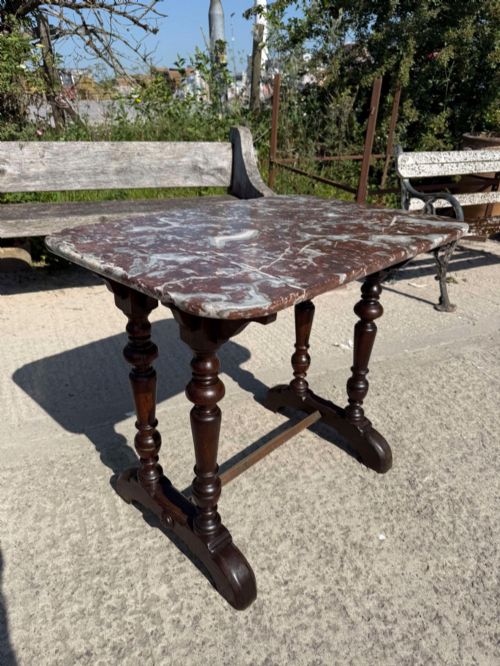
Some nineteenth century tavern tables doubled as operational work surfaces for sorting wine harvests.
What varies in quality
The standard of timber selection and plank thickness distinguishes finer examples from simpler utilitarian pieces. Grain density and the choice of quarter sawn oak create stability and visual depth across the top surfaces. Finer items display crisply executed hand carving on the friezes and trestle supports rather than machine milling.
Proportion and structural integrity define the architectural merit of each table. Heavy trestle ends must properly balance the length of the top board without sagging or lateral movement. Original surface patination and honest signs of age elevate the historical interest of seventeenth and eighteenth century items.
The Dark Oak Trestle Table Glossary
- Refectory table
- A long narrow dining table traditionally used in monasteries and large halls. These form the majority of trestle tables found in oak.
- Trestle ends
- Upright supports connected by a horizontal stretcher that hold up the main surface board. This design allows maximum legroom along the length.
- Jacobean Revival
- A nineteenth and twentieth century decorative style emulating seventeenth century English architecture and furniture. Pieces often feature heavy turning and deep carving.
- Elm
- A dense timber frequently paired with oak for table tops and structural framing in seventeenth and eighteenth century vernacular pieces.
- Arts and Crafts
- A design movement valuing hand craftsmanship and simple utility over mass production. Tables from this tradition emphasise honest construction and exposed joinery.
Dark Oak Trestle Table: Frequently Asked Questions
How do I clean a dark oak trestle table?
Use a soft, damp cloth to remove everyday dust and debris from the surface. Avoid harsh chemical cleaners that strip the historic finish.
Apply a natural beeswax periodically to nourish the dry timber and maintain a soft sheen. Wipe up liquid spills immediately to prevent staining the porous oak.
Are these tables suitable for daily dining?
Solid oak construction provides exceptional durability for everyday family meals and heavy use. The trestle design accommodates chairs or matching benches along the entire length.
Consider the clearance height beneath the stretcher rails when selecting seating. Protective mats help shield older timber surfaces from heat and moisture.
How can I tell an older table from a revival piece?
Examine the underside of the top boards and joint construction for tool marks and wear patterns. Seventeenth and eighteenth century examples display hand-cut joinery and natural timber movement.
Nineteenth and twentieth century revival pieces often show standardised machine milling and uniform surface textures. Period context helps date items accurately alongside stylistic clues.
Do trestle tables dismantle for transport?
Many refectory and trestle designs feature knock-down construction with wooden pegs holding the top to the base. Removing the pins allows the top board to lift off the trestle ends safely.
Larger monastery and tavern tables may require professional removal if joints are permanently fixed. Check the construction method before attempting to move heavy solid oak pieces.