

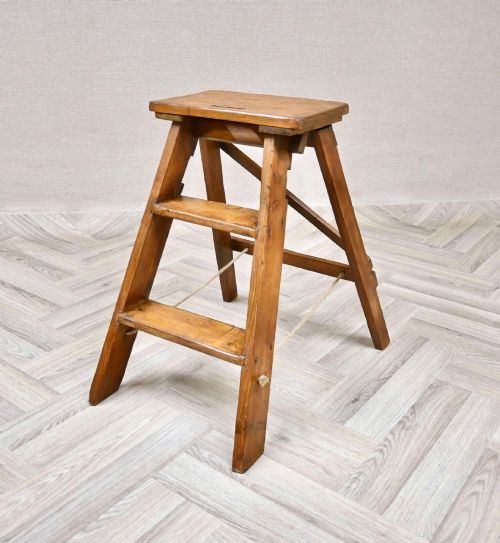
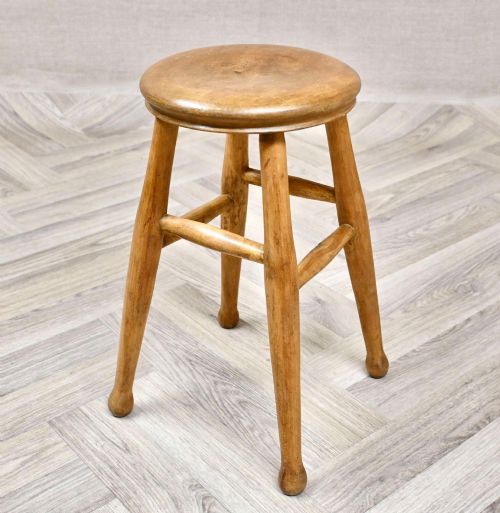
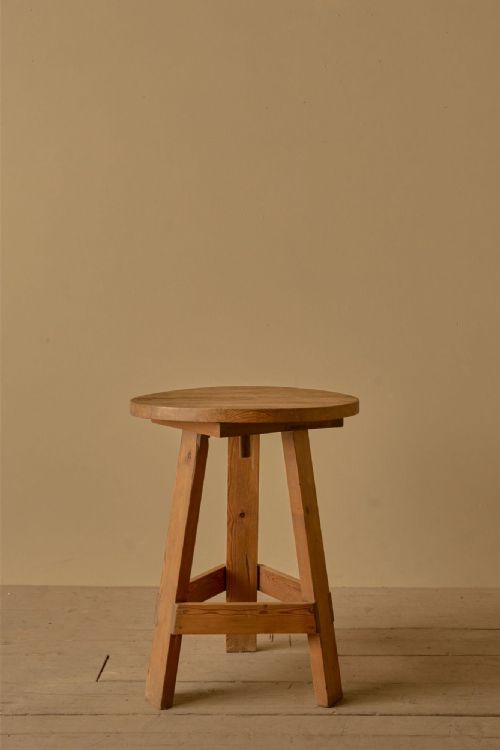
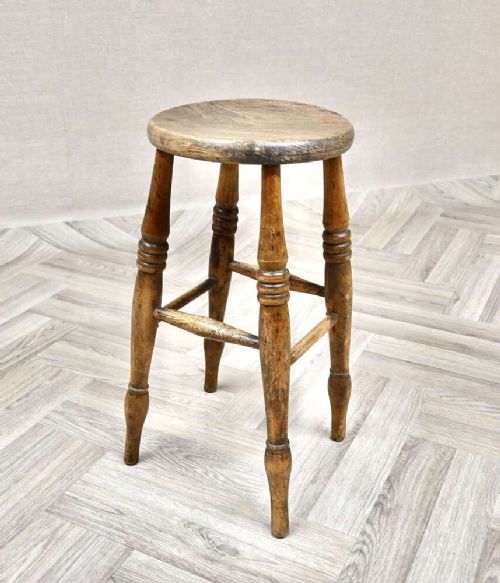
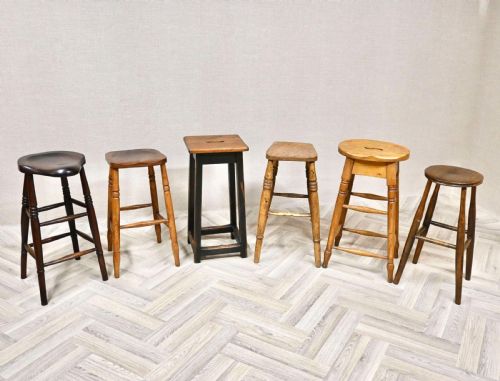
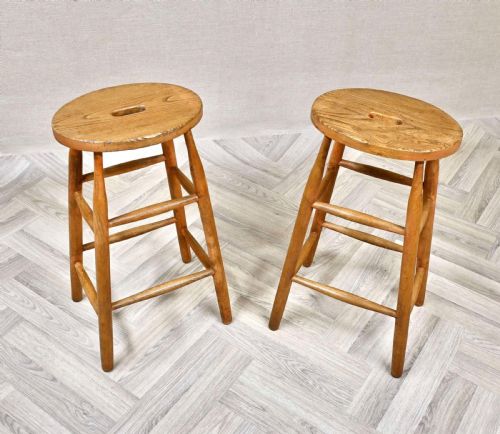

Antique Pine Stool
An antique pine stool offers honest utility and tactile warmth, bringing unpretentious domestic history straight into modern rooms.
Antique Pine Stool
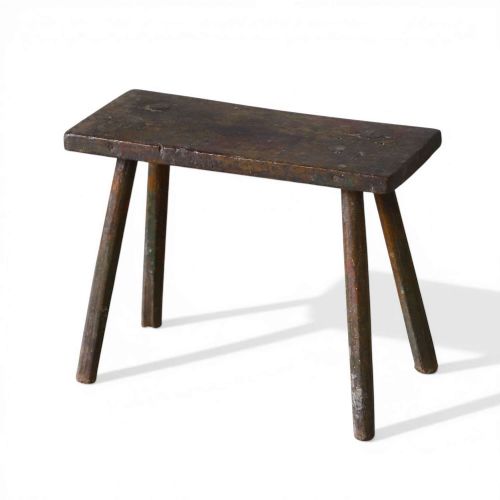
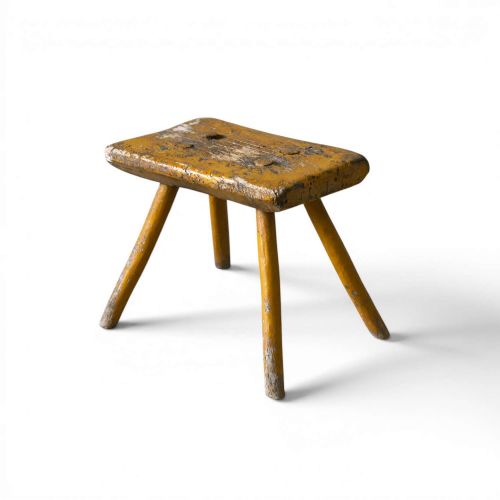
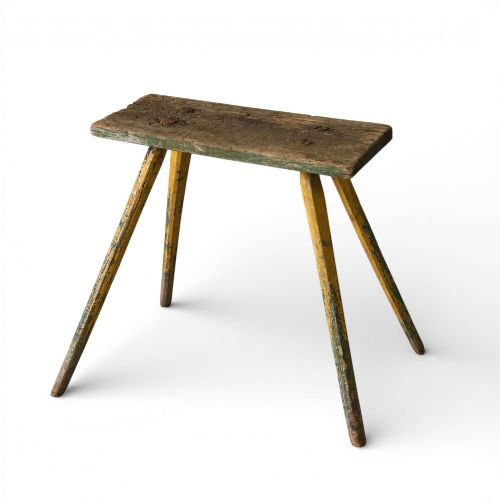
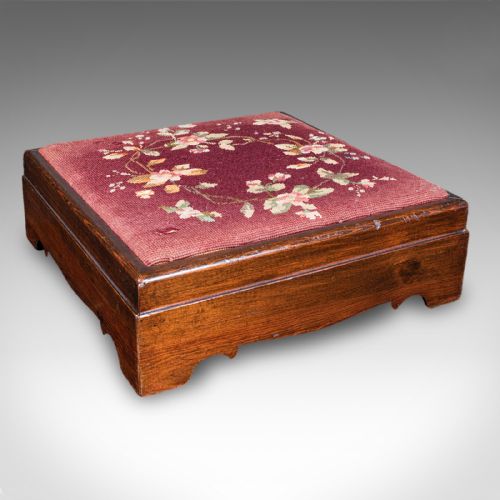
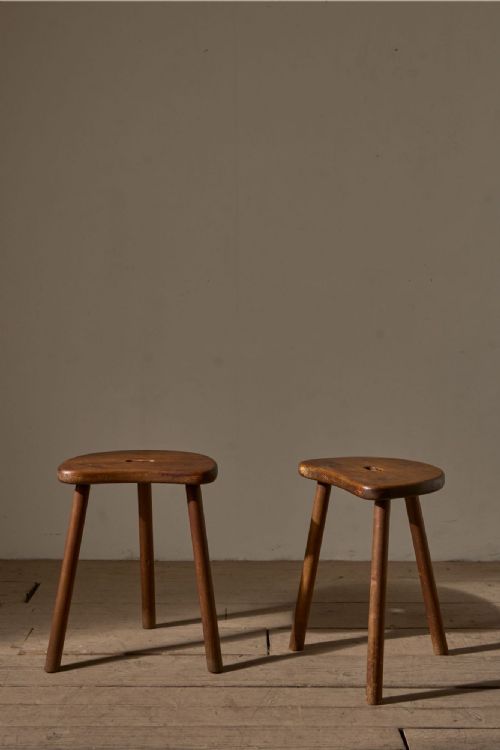
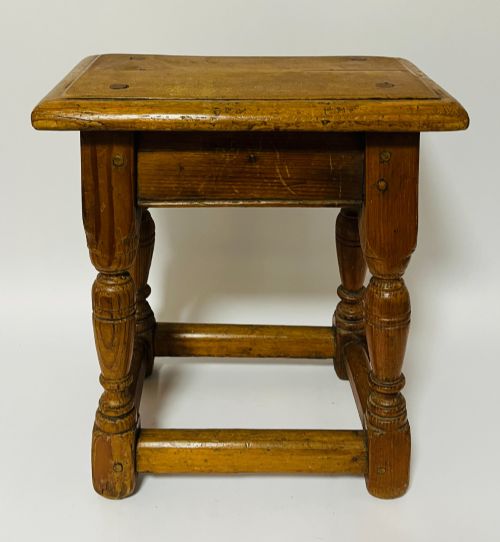
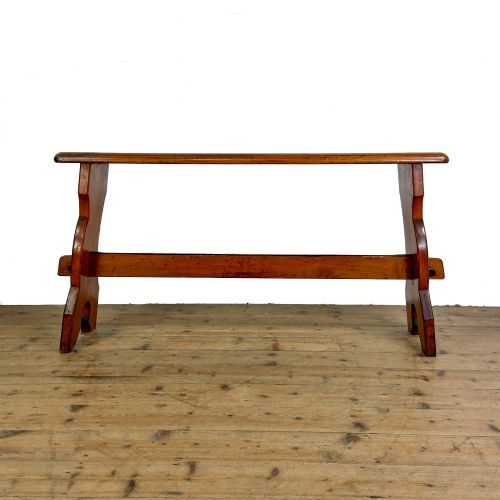
When you search for an antique pine stool, you encounter a remarkably broad range of utilitarian seating spanning the nineteenth century and early decades of the twentieth. The selection most frequently includes sturdy milking stools, tall bar stools, low footstools, and joint stools shaped by regional vernacular traditions across Britain, France, and Eastern Europe.
Survival depends entirely on how heavily each piece was worked, meaning simpler boarded and joined structures endure alongside painted surfaces. Buyers find that rustic farmhouse examples dominate the available pool, offering direct links to domestic and agrarian routines.
Materials and Construction
Makers relied primarily on pine, pitch pine, and elm for structural timbers, frequently combining them with beech and oak components to withstand heavy daily use. Surfaces often retain traces of original paint or natural patination built up through decades of domestic handling and basic maintenance.
Joinery techniques range from simple pegged mortise and tenon joints in joint stools to primitive scratch-built constructions and turned wooden legs fitted into solid plank seats. Iron bracing and cast iron hardware appear on industrial machinist examples, adding mechanical strength to soft timber frameworks.
Antique Pine Stool Retail Price Guide 2026
Typical asking prices for pine stool among the pieces listed under this phrase on Sellingantiques today, from the lower quarter to the upper quarter. They describe what is for sale here now, not the wider market.
Listings feature nineteenth-century pine, pitch pine, and elm alongside painted surfaces and industrial iron.
Judging Character and Integrity
Quality in these domestic survivors rests on the retention of original surface finish and honest structural survival rather than ornate decoration. Pieces that keep their early paintwork, whether ochre, green, or muted tones, hold significantly more visual depth than stripped or heavily restored counterparts.
Proportion and stance dictate the appeal of a piece, separating utilitarian items hurriedly knocked up on farms from deliberate vernacular craftsmanship. Strong joints, minimal timber replacement, and balanced wear patterns around footrests and seat edges mark out the better examples.
The Antique Pine Stool Glossary
- Creepie
- A traditional low wooden stool originating in Scottish and northern rural dwellings. These small seats sat near the hearth for warmth during winter months.
- Joint stool
- A sturdy wooden seat constructed with pegged mortise and tenon joints rather than simple nailed boards. Carpenters originally built them for domestic seating or to support coffins during wakes.
- Milking stool
- A small, usually three-legged seat designed for stability on uneven agricultural floors. Milkers balanced on them while tending livestock in barns and fields.
- Pitch pine
- A resinous softwood noted for its high durability and distinct grain patterns. Cabinet makers utilised it extensively for heavy-use domestic furniture and industrial fittings.
- Vernacular furniture
- Domestic pieces made by local craftspeople using regional materials and traditional methods without academic architectural influence. These items prioritize local utility over metropolitan style.
Antique Pine Stool: Frequently Asked Questions
What is a creepie stool?
A creepie is a traditional low wooden seat from Scottish and northern rural traditions. They were typically positioned close to cottage hearths for warmth and domestic tasks.
These compact items are easily integrated into modern interiors as low plant stands or fireside seats, maintaining a distinct connection to historic rural life.
How were milking stools used?
Farm workers used milking stools for stability while tending livestock in barns and pastures. The traditional three-legged design prevented rocking on uneven earthen or stone floors.
Today, collectors value their simple silhouette and patinated surfaces as decorative accent pieces or occasional seats in kitchens and hallways.
What distinguishes a joint stool?
Joint stools feature rigid frames built with pegged mortise and tenon joinery rather than nailed construction. Carpenters originally fabricated them for domestic seating or utility surfaces.
Their robust timber framing allows them to function reliably as small side tables or bedside stands in contemporary living spaces.
How do I identify original paint?
Original painted surfaces show natural wear, gentle fading, and multiple thin layers rather than flat, modern synthetic coatings. Look for subtle craquelure and areas where daily friction has softened the pigment over generations.
Preserved paintwork adds historical depth and character, marking out pieces that escaped mid-century stripping trends.