


Distressed White Bench
A distressed white bench brings a pale, weathered patina and classic Scandinavian or country proportions to an interior.
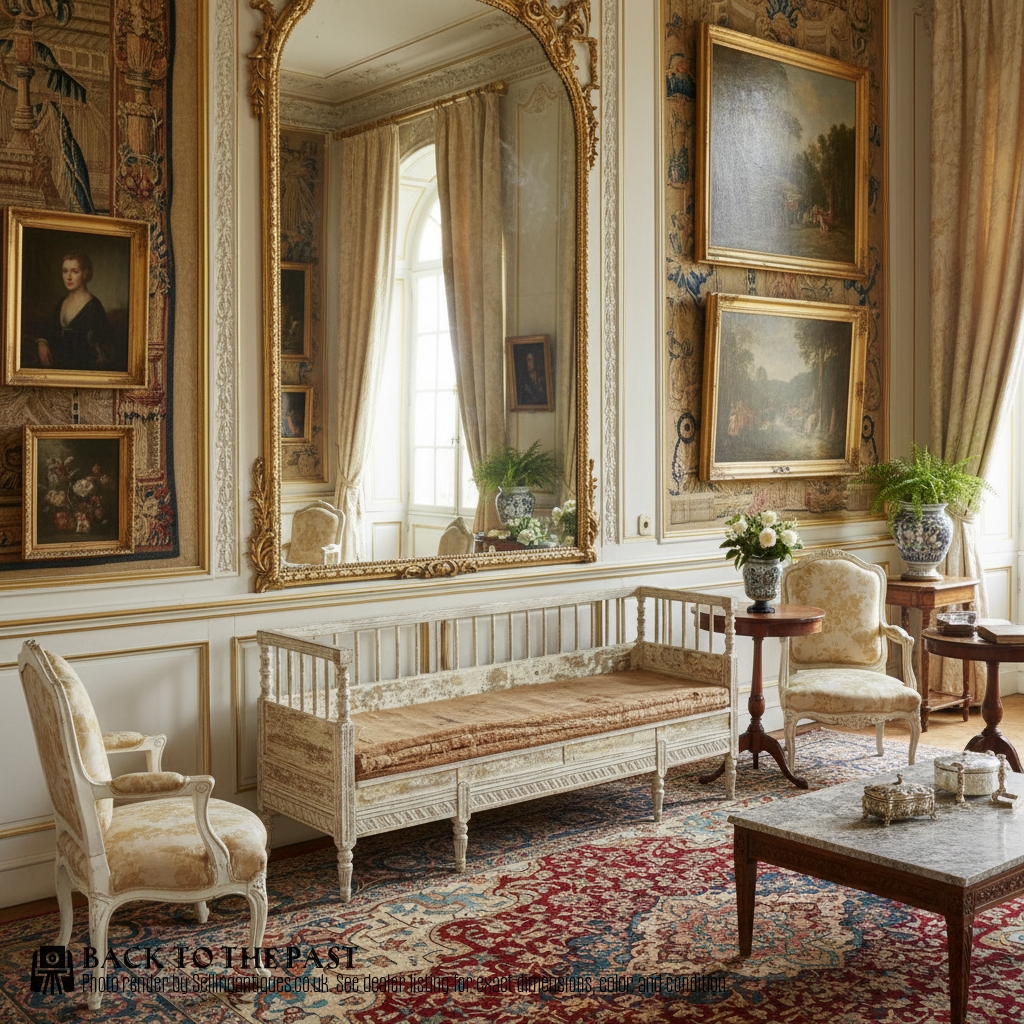
Distressed White Bench
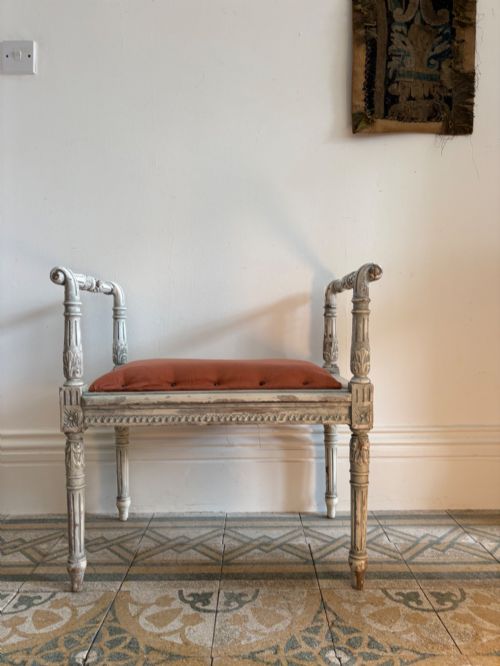
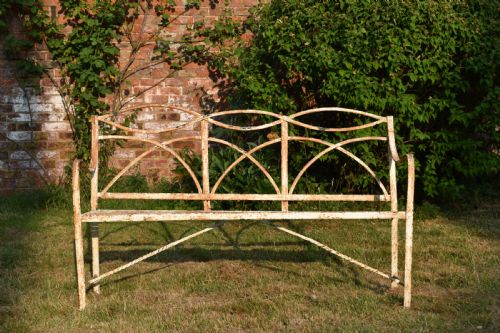
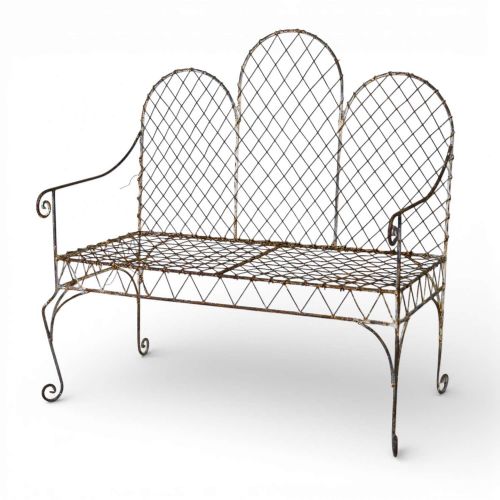
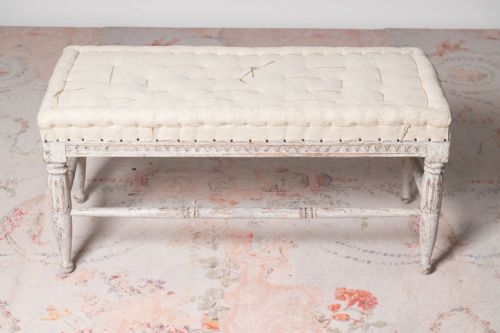
A distressed white bench encompasses a range of seating forms from the eighteenth, nineteenth, and early twentieth centuries, particularly those originating from Sweden, France, and Britain. When exploring a distressed white bench, buyers encounter pieces finished in aged paint, including Swedish Gustavian settees, country pine benches, and iron garden seats.
The selection on this page relies heavily on Scandinavian Country, Gustavian Neoclassical, and Rustic Farmhouse styles, alongside Regency and French Gothic Revival influences. Forms vary from large painted pine settles and sofas down to low stools, ottomans, and garden benches.
Origin details span the eighteenth century through to the Edwardian era and 1930, capturing both formal neoclassical restraint and utilitarian country workshop traditions. Buyers most frequently meet painted wooden surfaces and weathered metal frameworks designed for domestic rooms and gardens alike.
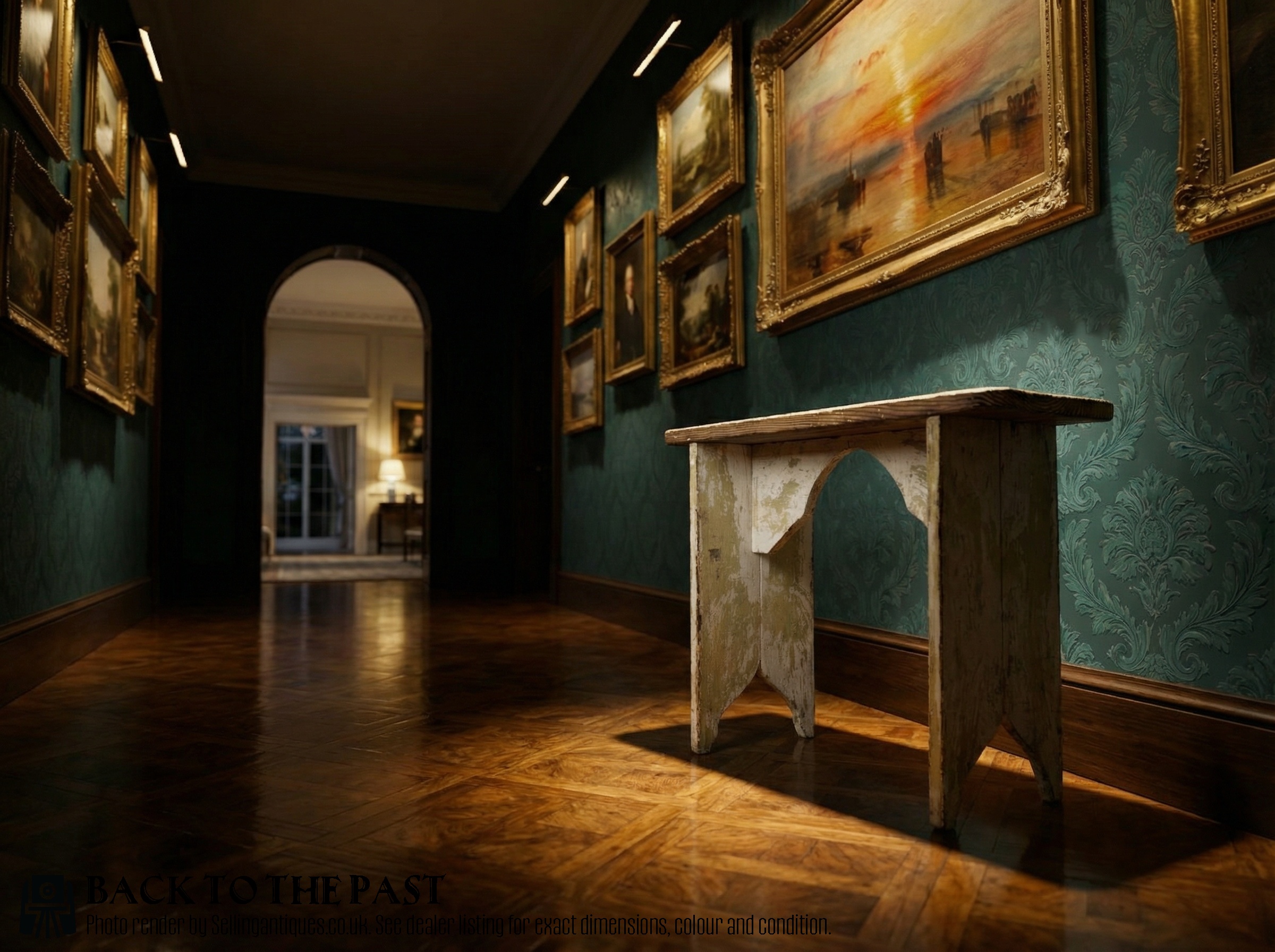
Materials and construction
Makers constructed these pieces primarily from solid pine, teak, and other resilient woods, alongside wrought iron and steel for garden varieties. Structural joinery ranges from scratch-built country pine framing to refined neoclassical carved woodwork.
Surfaces received layers of paint, often accumulating natural wear over generations to create the characteristic distressed finish. Upholstered elements feature traditional textiles such as silk on seating components.
Distressed White Bench Retail Price Guide 2026
Typical asking prices for distressed white bench among the pieces listed under this phrase on Sellingantiques today, from the lower quarter to the upper quarter. They describe what is for sale here now, not the wider market.
Listings incorporate nineteenth-century pine, eighteenth-century Swedish settees, and twentieth-century metal garden benches.
Factors of quality
Quality rests in the integrity of the original painted surface and the authenticity of the period finish rather than artificial distressing. Early pine construction and period joinery distinguish regional workshop pieces from later interpretations.
Proportion and decorative detail elevate specific examples, such as Gustavian carved woodwork or crisp Regency strapwork, above standard utilitarian forms.
The Distressed White Bench Glossary
- Gustavian
- The Swedish interpretation of neoclassical design, characterised by restrained carving, pale paintwork, and balanced proportions. It emerged during the late eighteenth century under King Gustav III.
- Settle
- A wooden bench featuring a high back, solid arms, and often a storage compartment beneath the seat. This form offered protection from drafts in traditional farmhouse interiors.
- Strapwork
- Ornamentation composed of flat, interlaced bands resembling leather straps or ribbons. It appears frequently on Regency ironwork and garden seating.
- Scratch built
- Describes an item constructed by a local artisan using available materials without factory standardisation. These pieces display direct, unpretentious vernacular craftsmanship.
- Settee
- A small upholstered or wooden sofa designed for multiple sitters. The form gained popularity in European domestic interiors during the eighteenth century.
Distressed White Bench: Frequently Asked Questions
Where should I place a distressed white bench?
These benches suit hallways, living rooms, bedrooms, and sheltered outdoor spaces depending on whether they are built from wood or metal. Their pale painted finishes brighten neutral or dark interiors alike.
Outdoor garden benches require placement in spots where weathering will not compromise the metal or paint beyond its natural aged character.
How do I care for aged painted wood?
Dust surfaces regularly with a soft, dry cloth and avoid harsh chemical cleaners that can strip historic paint layers. Maintaining stable indoor humidity prevents wood from drying or cracking.
If the piece is used outdoors, store it under cover during damp winter months to protect the underlying material.
What is the difference between a settle and a bench?
A settle incorporates a high back and solid wooden sides designed to block cold drafts in older domestic rooms. Standard benches feature open sides and simpler backrests intended for general seating.
Both forms appear frequently in country and vernacular furniture traditions.
Are these benches suitable for daily use?
Most period wooden and metal benches remain sturdy enough for regular seating when placed on level floors. Upholstered variants with silk or fabric seats benefit from careful use to preserve historic textiles.
Checking the structural joints helps ensure safe daily use in busy family spaces.