
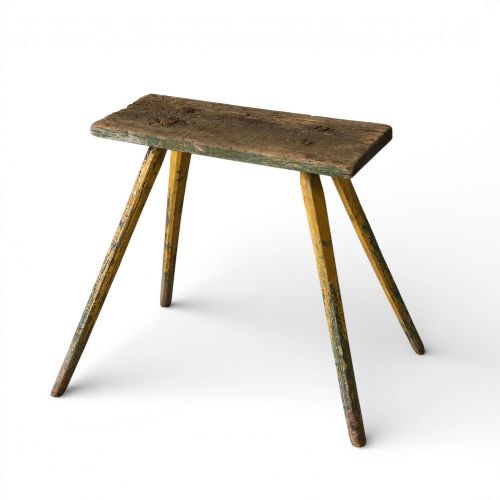
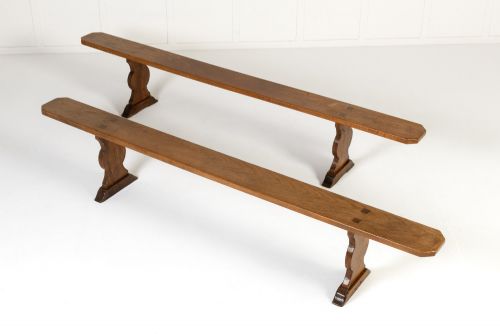
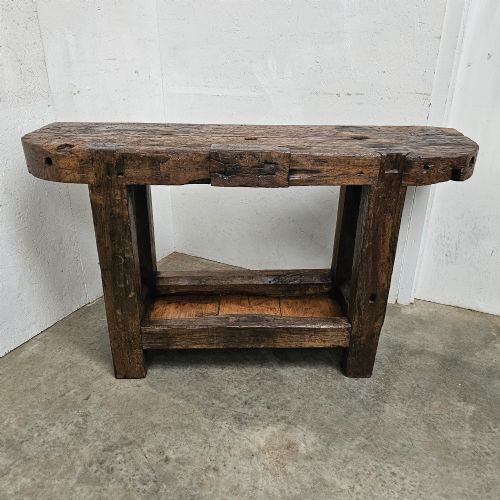
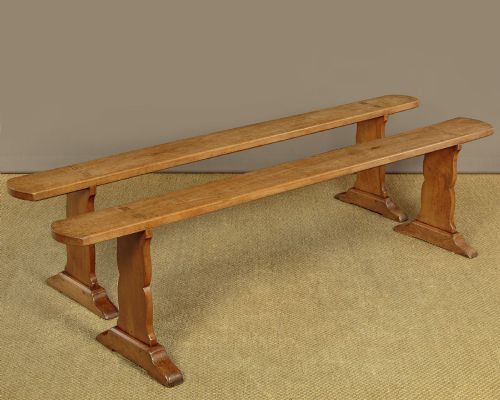



French Country Wooden Bench
A french country wooden bench brings tactile warmth and utilitarian honesty to an interior through honest timber and provincial craft.
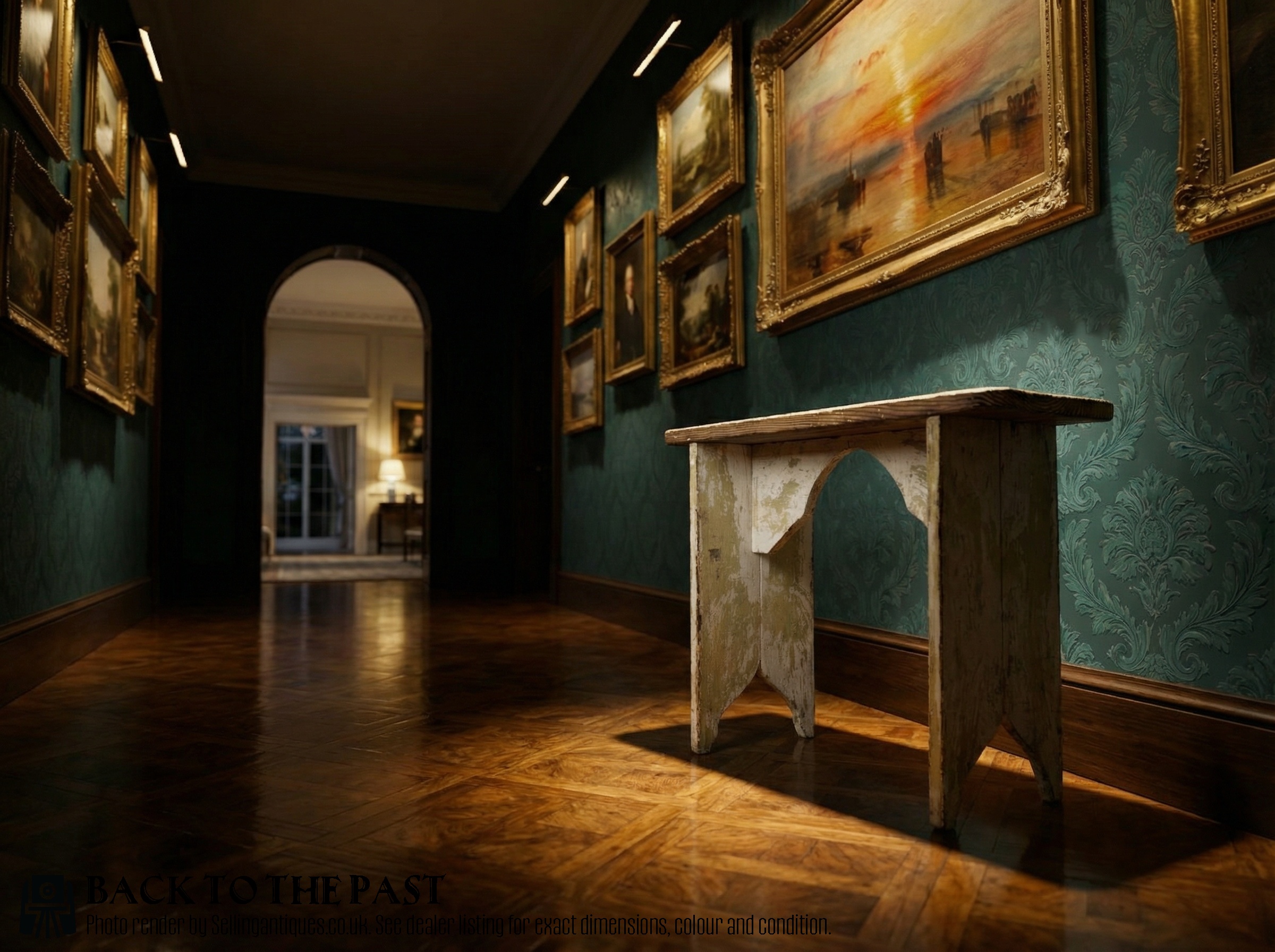
French Country Wooden Bench
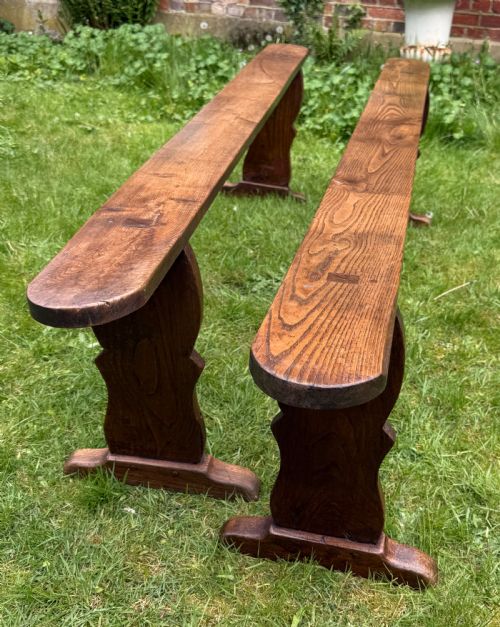
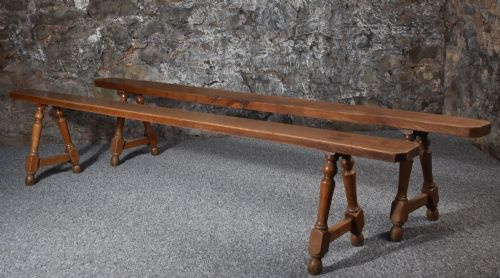
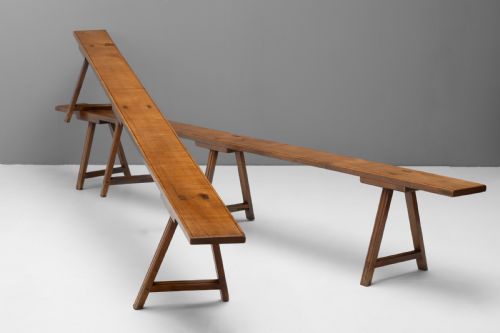
A french country wooden bench is a functional seating form originating from provincial houses, chateaux, and workshops across France. When searching for a french country wooden bench, buyers encounter pieces fashioned for everyday domestic or working life rather than formal display.
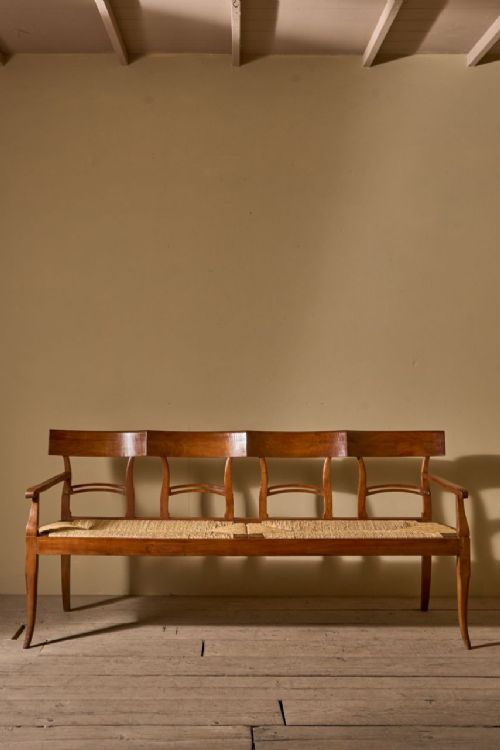
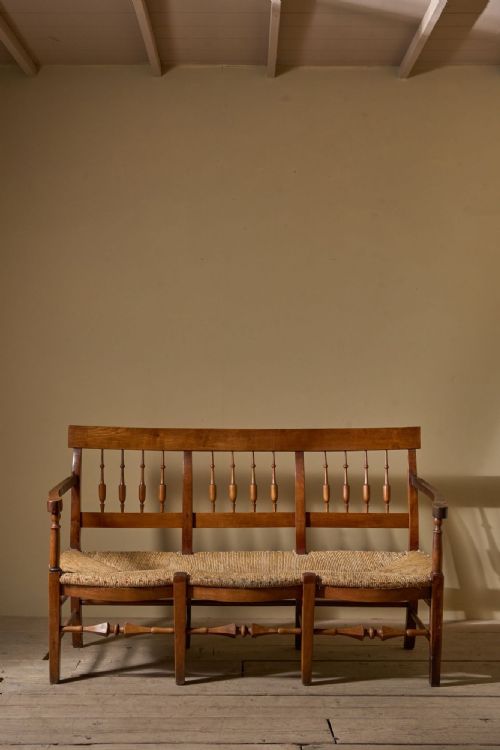
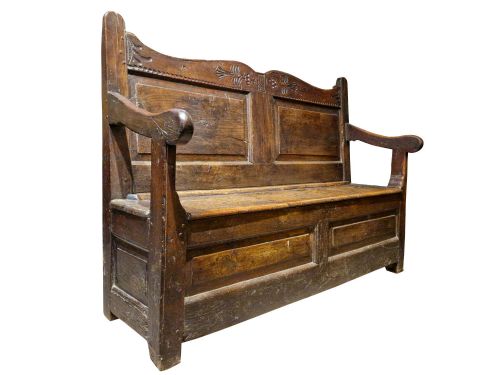
The selection here encompasses forms originating from the eighteenth, nineteenth, and early twentieth centuries. Surviving examples range from rush-seated hall benches and long dining benches to sturdy workbenches and box-seated settles.
Most pieces derive from regional French traditions, showcasing straightforward construction intended for practical utility. Elm, cherrywood, oak, and pine dominate the inventory, reflecting the timber available to local artisans.
How they were made
These items rely on solid regional hardwoods and softwoods such as elm, cherrywood, oak, sycamore, and pine. Artisans joined heavy timber boards using traditional pegged mortise and tenon joints to withstand decades of daily use.
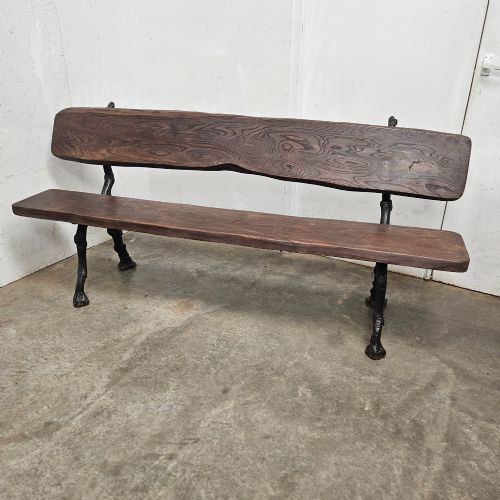
Surfaces frequently display the marks of hand tools, scratch-built framing, and accumulated layers of original paint or natural patination. Iron bracing, vices, and rush seating appear on specific utilitarian forms like workbenches and hall seating.
What varies in quality
Quality rests in the integrity of the timber and the honesty of the surface wear accumulated over centuries of service. Pieces retaining their original scrubbed finishes, undisturbed patination, and untouched structural joinery stand apart from heavily restored alternatives.
Proportion and scale dictate desirability, with exceptionally long dining benches or diminutive milking stools holding distinct architectural presence. The articulation of hand-carved details or the retention of early paint layers elevates a utilitarian object into a compelling decorative statement.
The French Country Wooden Bench Glossary
- Rush seated
- Fitted with a woven seat made from marsh rushes or similar natural grasses. This traditional seating method appears frequently on provincial hall benches and country chairs.
- Box-seated settle
- A high-backed wooden bench featuring a concealed storage compartment beneath the lift-up seat. These heavy oak or chestnut pieces provided draught protection in traditional farmhouse interiors.
- Workbench
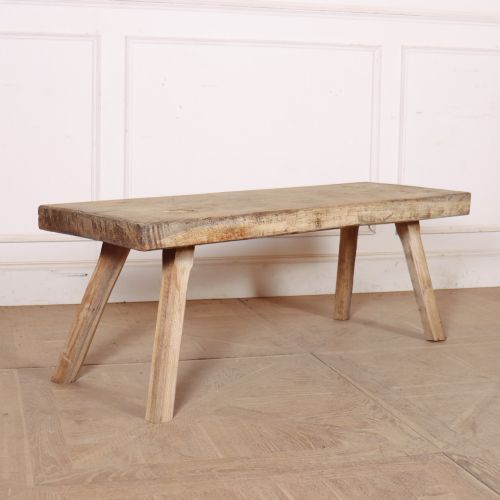
- A heavy utilitarian table fitted with wooden vices and tool wells used by artisans. Surviving examples in elm and pine are repurposed as architectural console or dining tables.
- Trestle table
- A long surface supported by two or more upright trestle feet rather than four traditional corner legs. They are frequently paired with long country benches for communal dining.
- Canape
- An upholstered French settee or sofa featuring an exposed wooden frame. These decorative seating forms often display regional stylistic influences from provincial chateaux.
French Country Wooden Bench: Frequently Asked Questions
Where did these benches originate?
These pieces originate from provincial regions across France, spanning rural farmhouses, workshops, and chateaux.
They reflect local woodworking traditions that utilised readily available regional timbers like cherrywood, elm, and oak.
How do I style a wooden bench at home?
A long dining bench pairs naturally with refectory or trestle tables to create an informal seating arrangement.
Smaller hall benches and stools function effectively in entryways, hallways, or as bedside surfaces.
Are these benches comfortable for daily seating?
Many provincial benches were built for utilitarian durability rather than cushioned lounging, featuring solid timber boards or woven rush seats.
Adding antique textiles or loose cushions easily softens the firm wooden surface for extended sitting.
How do I date a French country bench?
Dating relies on examining the tool marks, construction methods, timber shrinkage, and accumulated surface patination.
Eighteenth-century examples typically feature pegged joinery and hand- split boards, whereas nineteenth-century pieces often incorporate standardised framing.