


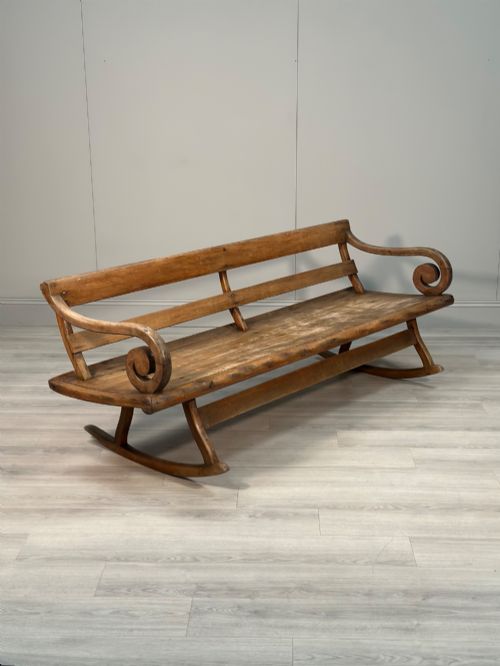
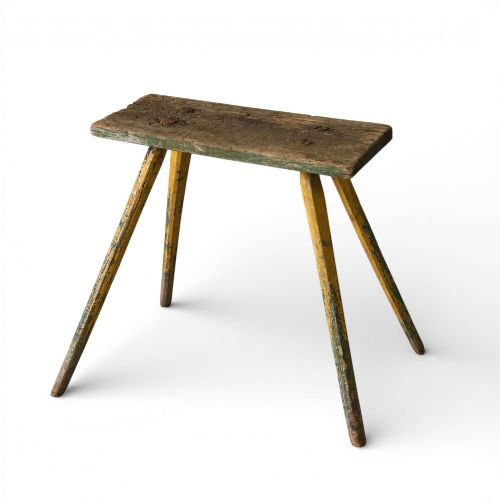


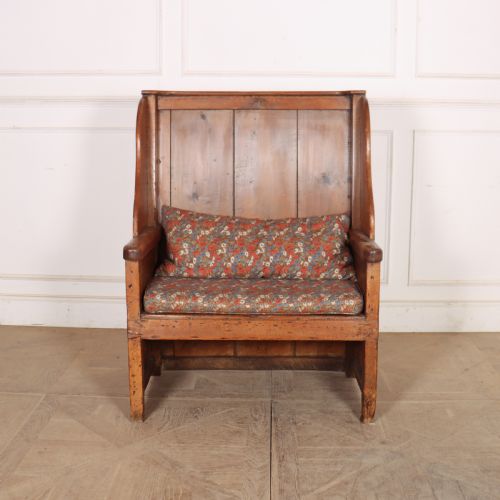


Vernacular Pine Bench
These vernacular pine bench examples are straightforward country seats built for daily use, offering honest utility and robust character.
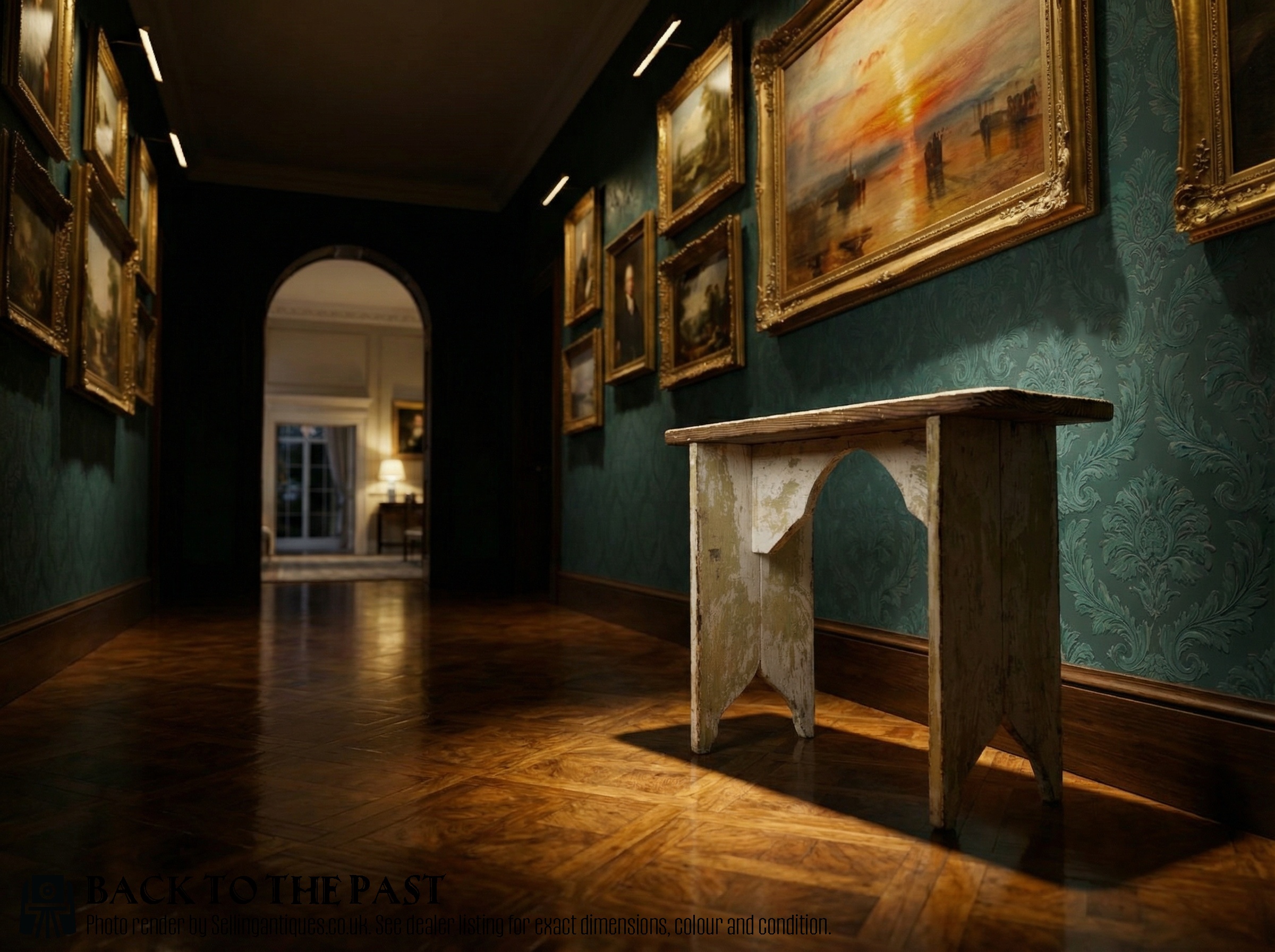
Vernacular Pine Bench
A vernacular pine bench is a utilitarian seat built by local craftsmen using softwoods rather than expensive hardwoods. These pieces range from simple country benches and settles to hybrid forms such as chair tables and lambing chairs.
The pieces on this page appear in styles including rustic country, French provincial, Georgian vernacular, and Welsh country. Most examples date from the eighteenth and nineteenth centuries, reflecting domestic and tavern life.
Forms vary from long tavern settles with high backs to low milking stools and scratch-built benches. Each object shows the regional traditions of its maker, whether English, Welsh, French, or Swedish.
How they were made
Makers constructed these pieces using pine and softwood timber, often relying on scratch-built techniques suited to local workshops. Construction prioritised function over refinement, utilising sturdy joints and heavy boards.
Many surviving examples retain original paint finishes, adding colour and protection to the soft wood. Iron fasteners or fixings occasionally appear alongside traditional woodwork to reinforce high-stress joints.
Vernacular Pine Bench Retail Price Guide 2026
Typical asking prices for vernacular pine bench among the pieces listed under this phrase on Sellingantiques today, from the lower quarter to the upper quarter. They describe what is for sale here now, not the wider market.
Regional styles represented include English, Welsh, French provincial, and Swedish country traditions.
What varies in quality
Quality rests in the survival of original surfaces and the integrity of the timber. Pieces retaining their early or original paint command greater interest than those stripped down to bare wood.
Proportion and construction methods also separate standard items from superior examples. A well-balanced frame with honest wear tells a clearer story of its working life than a heavily restored piece.
The Vernacular Pine Bench Glossary
- Settle
- A wooden bench with a high back, solid arms, and often a box base used for storage. This form kept draughts away from the sitter in cold rooms.
- Vernacular
- Architecture or furniture built by local tradesmen using regional materials and traditional methods rather than academic designs. These objects reflect the practical needs of everyday life.
- Primitive
- A term describing furniture of simple, unpretentious construction and early design. Such pieces often lack the decorative flourishes associated with formal cabinetmaking.
- Scratch built
- An item made from scratch using available materials, often without formal plans or professional workshop machinery. This method results in individual quirks unique to each piece.
Vernacular Pine Bench: Frequently Asked Questions
What is a vernacular pine bench?
A vernacular pine bench is a practical wooden seat made by local makers for everyday use in homes, farms, or taverns. These pieces utilise softwoods and reflect the regional styles of their makers.
They offer a straightforward aesthetic rooted in utility rather than formal design. Surviving examples often display decades of honest wear and regional character.
How were these benches used historically?
These seats served functional roles in domestic kitchens, farmhouses, and public taverns. High-backed versions helped block cold draughts near open hearths.
Some dual-purpose designs, such as chair tables, converted into surfaces for dining or work. Their robust construction suited them to heavy daily use.
How do I care for a pine bench?
Keep pine furniture away from direct heat sources and drastic humidity changes to prevent the timber from splitting. Dust the surface regularly with a dry cloth.
Avoid harsh chemical cleaners, especially on pieces retaining original paint. Simple wax can nourish bare pine over time.
How can I tell the age of a pine bench?
Age is indicated by construction techniques, tool marks, and the natural patina of the wood. Hand-sawn boards and early fastening methods point to eighteenth or nineteenth-century origins.
Wear patterns around footrests and seat edges also suggest long periods of historical use. Comparing regional styles helps narrow down the period.