





Vintage Provincial Pine Bench
A vintage provincial pine bench brings honest, hard-working country utility and scrubbed timber warmth straight into a modern hallway or kitchen.
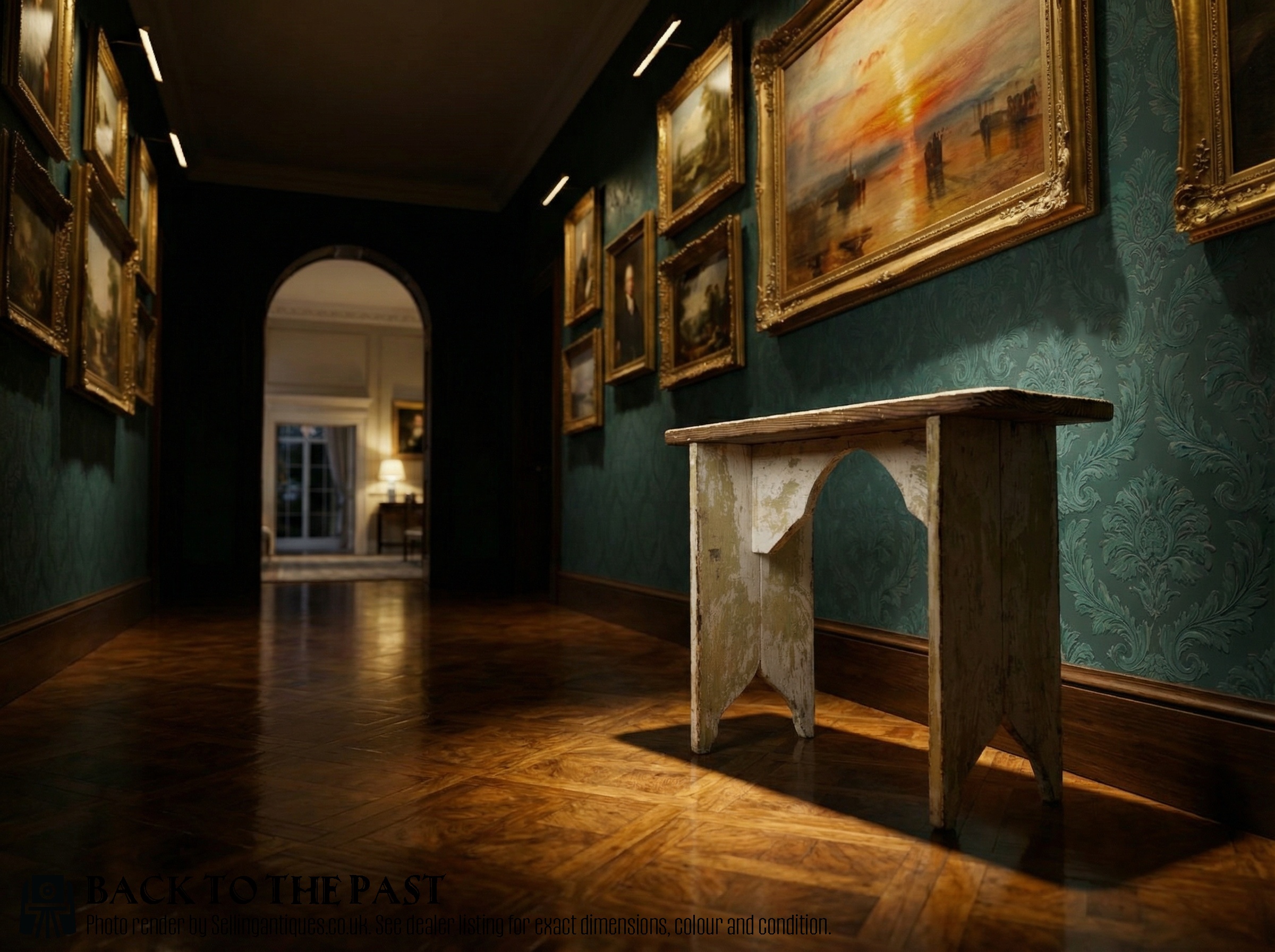
Vintage Provincial Pine Bench
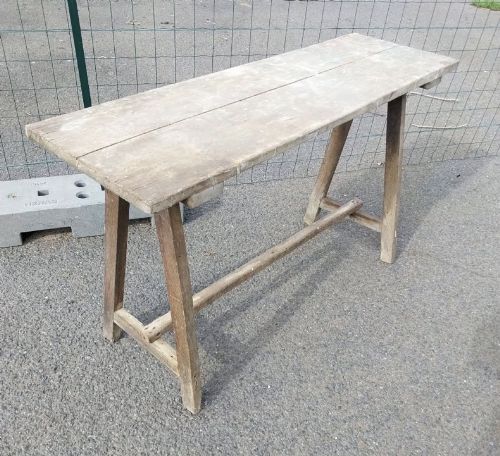
When you search for a vintage provincial pine bench, you are looking at utilitarian nineteenth-century seating shaped by rural French necessity. These items emerge from farmhouses, workshops, and workrooms where durability mattered far more than polish or ornament.
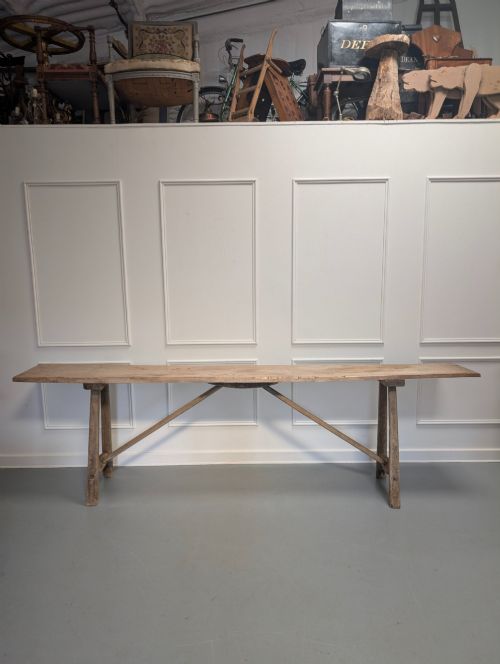
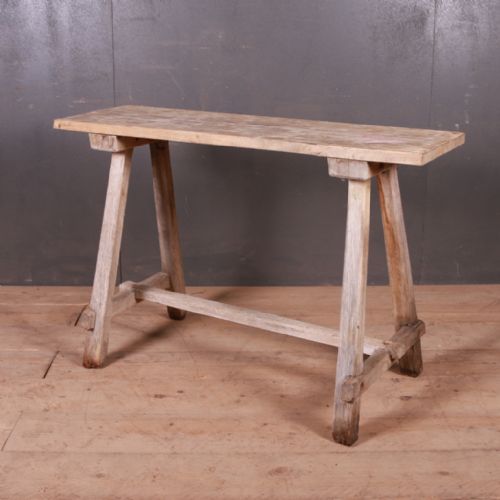
The versions you are most likely to meet on this page include scratch-built country pine benches and exceptionally long dining benches dating from the nineteenth century. They share a direct lineage with heavy work tables and trestle furniture from the same period.
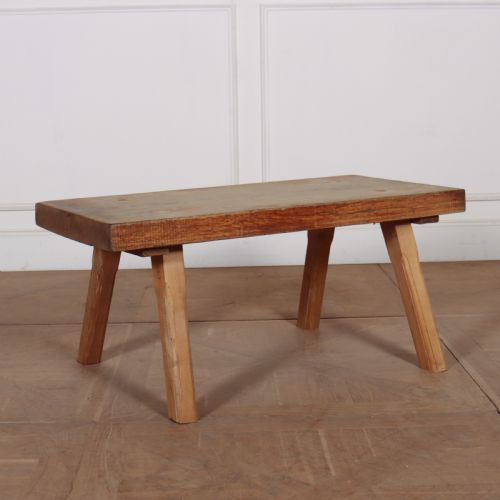
Makers built these pieces from softwood and pine, sometimes combining them with elm or sycamore for hard-wearing tops. Their simple forms serve as practical seating or low platforms, reflecting a straightforward rural aesthetic.
How they were made
Makers constructed these provincial benches using solid pine and softwood timbers, frequently pairing them with scrubbed elm or sycamore surfaces designed to withstand daily scrubbing. Construction relied on straightforward joinery suited to rural workshops rather than urban cabinet-making yards.
Surfaces often show traces of original paint or bare timber scrubbed clean by generations of use. This honest manual labour left tool marks and pegged joints visible across the frame.
Vintage Provincial Pine Bench Retail Price Guide 2026
Typical asking prices for vintage provincial pine bench among the pieces listed under this phrase on Sellingantiques today, from the lower quarter to the upper quarter. They describe what is for sale here now, not the wider market.
One scratch-built country bench carries the unmistakable physical memory of a rural French workshop right into the sitting room.
What varies in quality
Quality in a provincial bench rests on the integrity of the timber and the honesty of the construction. Pieces that retain their original structural proportions without heavy timber replacement sit at the top of the range.
The depth of character in the scrubbed surface separates standard examples from exceptional ones. Timber that has weathered naturally through decades of use displays a tactile grain and patina that mechanical stripping simply cannot replicate.
The Vintage Provincial Pine Bench Glossary
- Provincial
- Describing furniture made in the regions far from the capital, prioritizing local utility and available timber over fashionable metropolitan trends. This approach created sturdy, unpretentious domestic and working pieces.
- Scrubbed pine
- Timber surfaces washed repeatedly with soap and water until the soft grain recedes and the harder growth stands proud. This cleaning method leaves a pale, matte texture characteristic of hardworking dairy and kitchen tables.
- Softwood
- Timber derived from conifers such as pine, used extensively for framing and carcass work in rural joinery. It provided an accessible, workable material for everyday provincial furniture.
- Trestle
- A structural support consisting of a horizontal beam fixed to two splayed legs, commonly used to carry long table tops and benches. This design allowed maximum legroom for workers and diners alike.
Vintage Provincial Pine Bench: Frequently Asked Questions
How were these benches originally used?
These long benches served working households and communal dining spaces across rural France.
People used them around large farmhouse tables for daily meals or as sturdy seating near workshop prep areas.
Where should I place a long dining bench?
A very long bench suits narrow hallways, long entryways, or paired alongside a large rustic dining table.
Their narrow depth allows them to sit flush against walls without blocking movement in busy rooms.
How do I care for scrubbed timber?
Maintain scrubbed pine and elm surfaces using dry dusting or a slightly damp cloth without harsh chemical detergents.
Allow the natural dry patina to breathe rather than applying heavy modern varnishes or synthetic polishes.
How can I tell nineteenth century pieces apart?
Nineteenth-century country pieces reveal their age through hand-cut joinery, pegged joints, and the distinct wear patterns of scrubbed timber.
Every workshop built items to suit local needs, creating subtle variations in leg splay and board thickness.