
Edwardian Mahogany Stool
An edwardian mahogany stool brings refined timber and practical seating into a room, offering both traditional character and reliable function.
Forms and periods of the edwardian mahogany stool
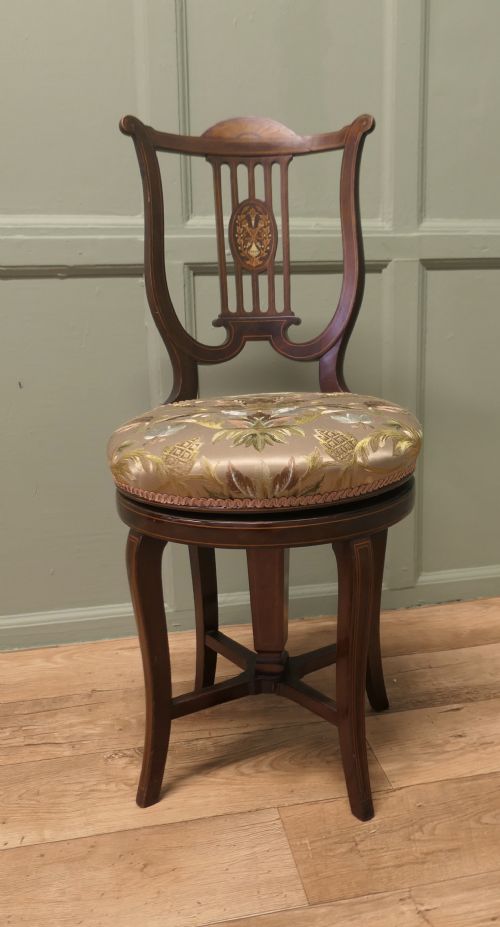
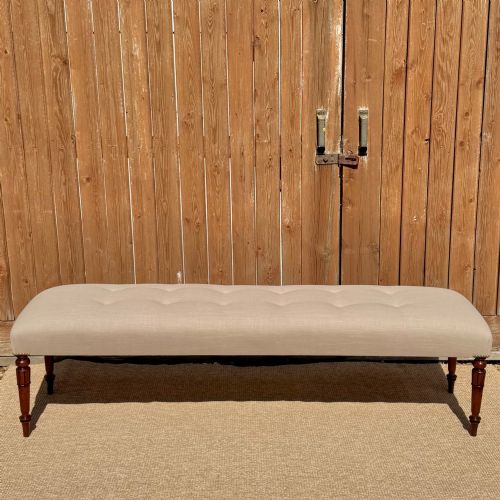
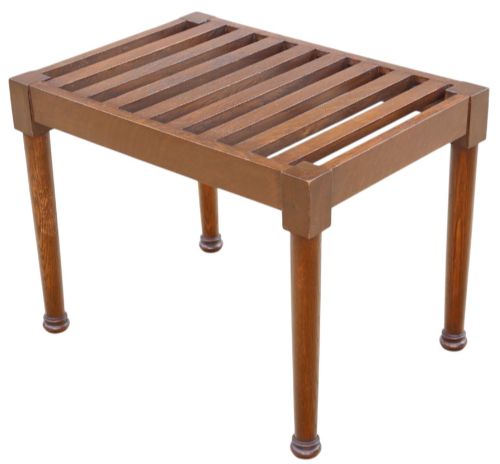
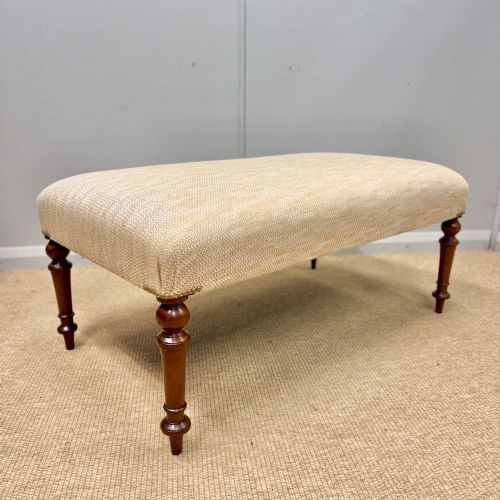
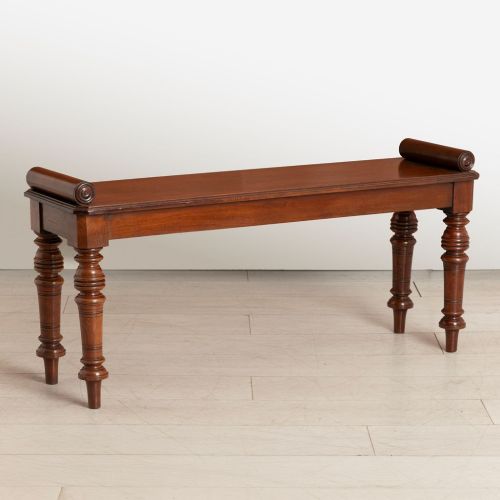
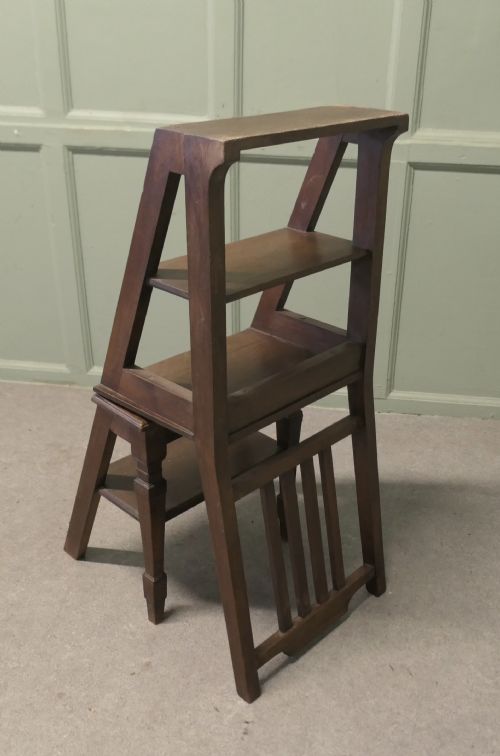
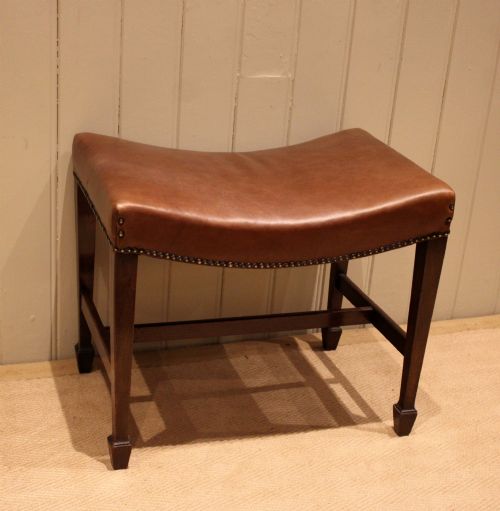
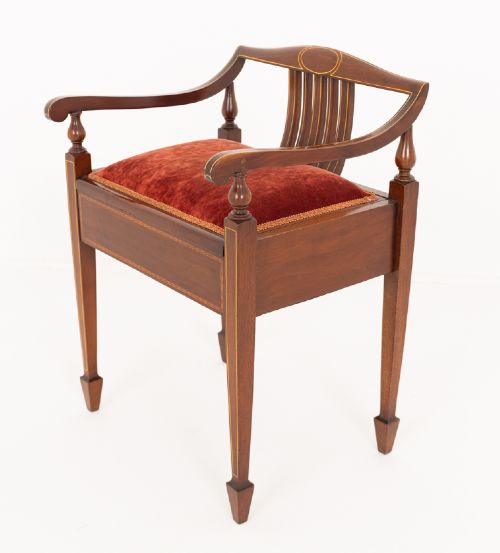
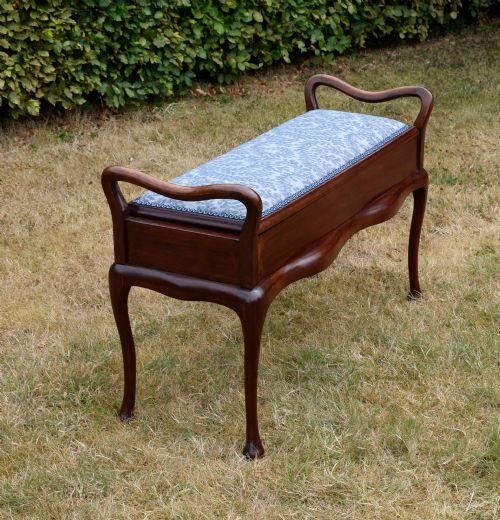
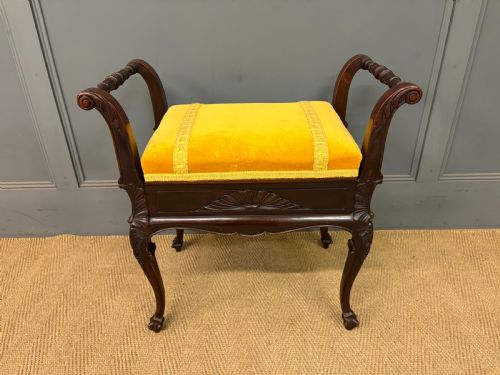
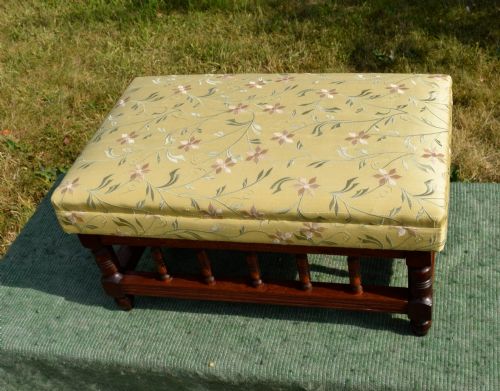
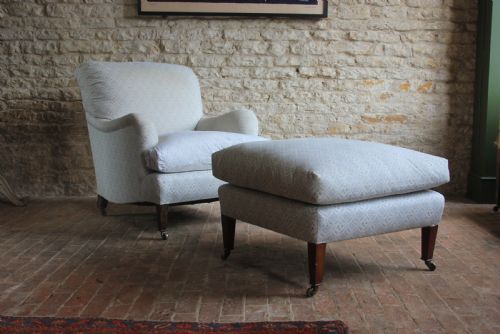
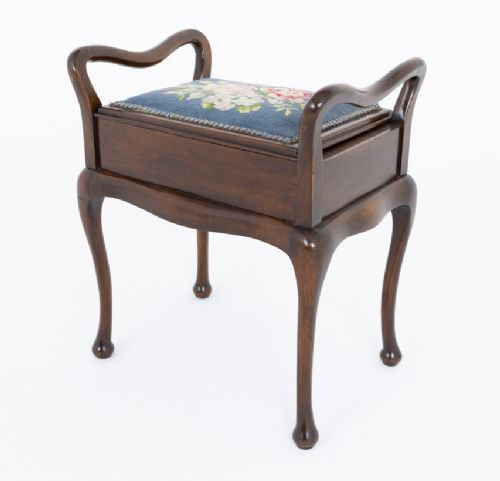
The edwardian mahogany stool primarily manifests as piano stools, dressing table seats, and footstools produced around the turn of the twentieth century. These pieces span standard single seats, wider duet versions, and specialised metamorphic designs.
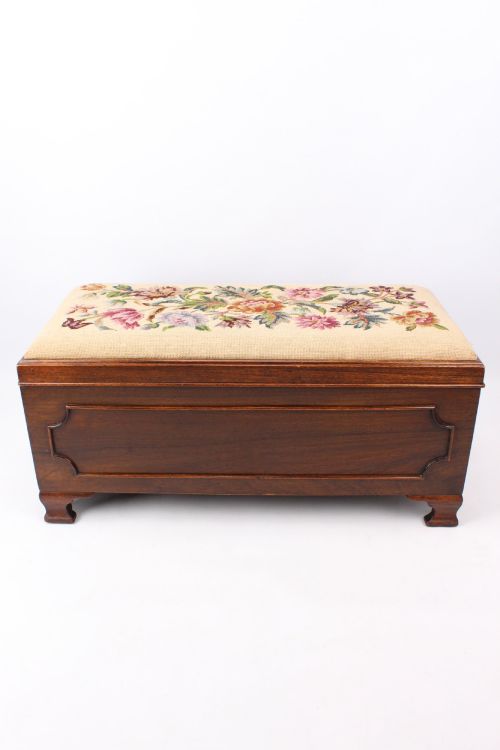
Evidence shows variants ranging from straightforward upholstered tops to pieces fitted with storage compartments, lifting lids, and music cabinet drawers. Styles frequently draw on Georgian Revival and Sheraton Revival influences, alongside occasional eighteenth-century examples.
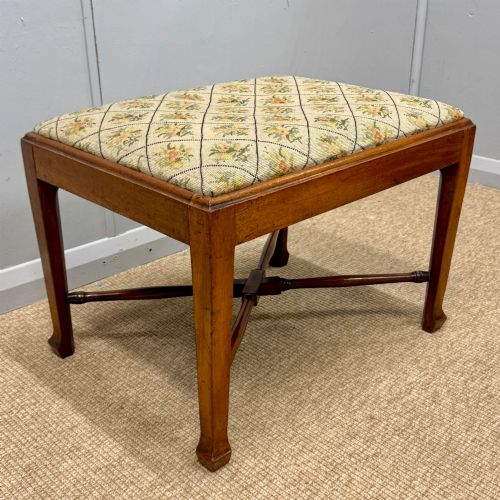
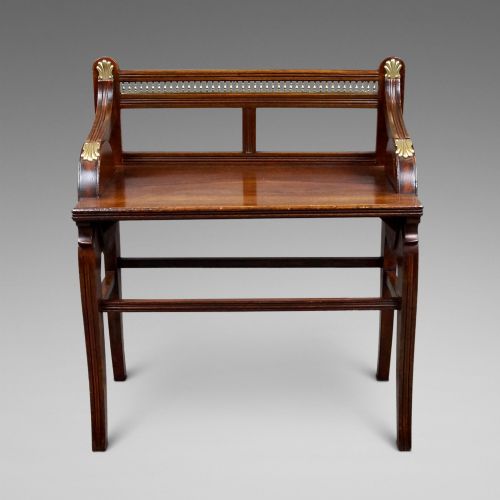
Makers utilised mahogany as the primary timber, sometimes incorporating satinwood inlay or brass details. Forms include cross-stretcher frames, window seats, and circular or X-frame structures.
Distinctions in craftsmanship
Quality diverges between plain functional frames and those incorporating sophisticated detailing like satinwood inlay, brass fittings, or intricate cross stretchers. The precision of the joinery and the selection of timber grain set finer examples apart.
Internal mechanisms, such as those found on rise-and-fall piano stools or music storage drawers, indicate the level of original expense and utility. The choice of top covering, from simple fabric to worked tapestry or tan leather, alters the visual presence of the piece.
Retail Price Guide 2026
Typical UK retail prices for edwardian mahogany stool, calculated from the Sellingantiques database of over a million retail prices indexed since 2003. This retail price guide relies exclusively on Sellingantiques data; no external sources or auction records are used, so the figures do not describe the wider market.
Listings include mahogany, leather, brass, tapestry, fabric, velvet, and satinwood inlay across multiple periods.
The Edwardian Mahogany Stool Glossary
- Duet stool
- A wider seating form designed to accommodate two people side by side, frequently utilised at a piano.
- Metamorphic
- A descriptive term for furniture that transforms from one function into another, such as a gout stool altering its angle.
- Cross stretcher
- An X-shaped timber brace running between the lower legs to provide structural stability and rigidity.
- Satinwood inlay
- A decorative technique where contrasting light satinwood is inserted into recesses within the darker mahogany surface.
Frequently Asked Questions
What is a piano stool?
A piano stool is a designated seat built to support a musician at a keyboard instrument.
Many versions include internal storage compartments beneath lifting lids for sheet music.
How do I identify an edwardian piece?
Edwardian furniture typically dates from the early twentieth century and displays lighter proportions than heavier Victorian predecessors.
Details often include Sheraton Revival influences and mahogany construction.
What is a duet stool used for?
A duet stool provides extended seating capacity for two individuals sharing a piano or dressing table.
These wider variants frequently incorporate music storage beneath the seat.
Where do I place a window seat?
A window seat fits neatly into low alcoves or beneath window frames to provide compact occasional seating.
Mahogany frames coordinate well with traditional living spaces and bedrooms.