




Low Walnut Bench
When you search for low walnut bench, you find sturdy timber seats and low stools upholstered in varied textiles, designed for quiet corners and foot of the bed placement.
Low Walnut Bench
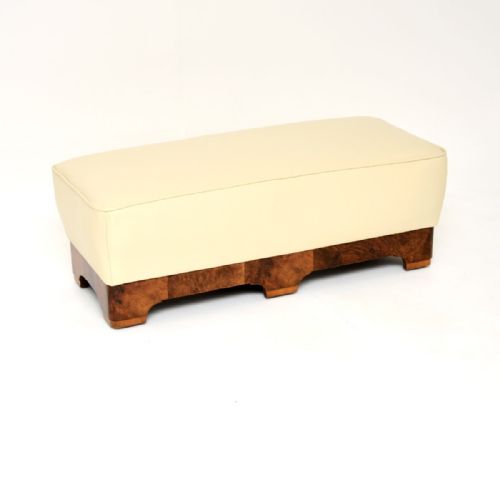
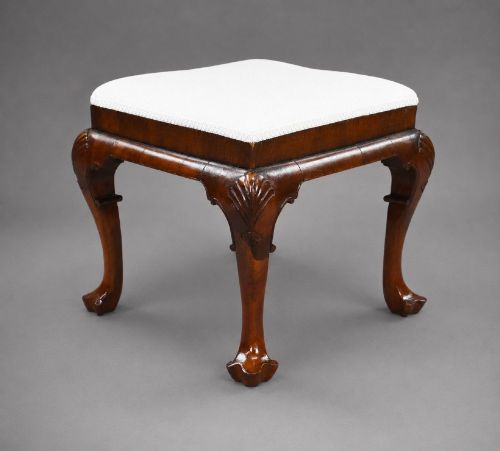
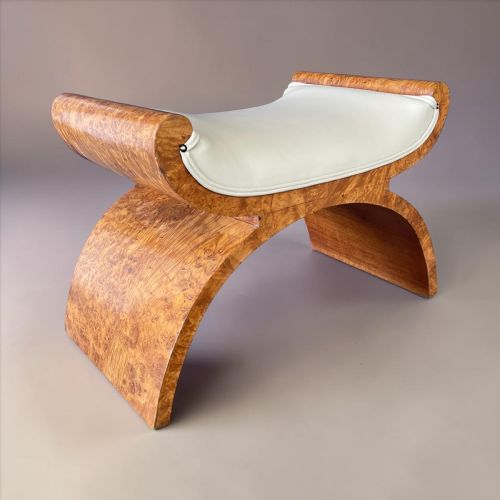
A low walnut bench encompasses low stools, dressing stools, fender stools, and window seats shaped from dark timber. You meet Victorian and Edwardian examples alongside Art Deco burr walnut forms and revival styles echoing Queen Anne or George I periods.
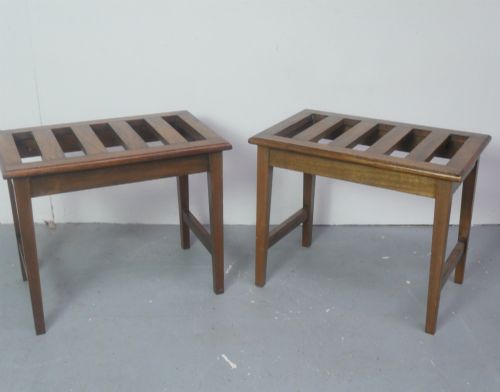
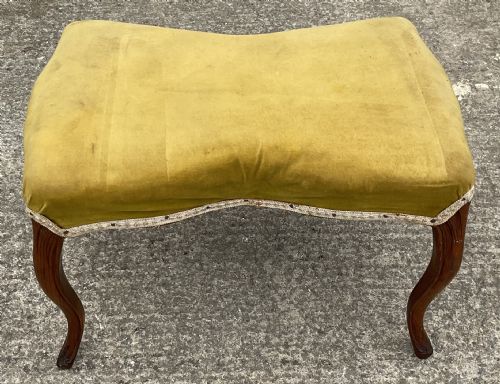
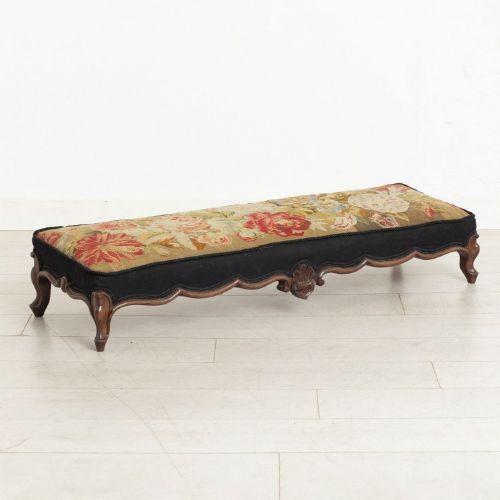
The primary forms serve as salon seating, footrests, or luggage racks rather than long dining benches. Many pieces feature short cabriole legs, carved frames, and upholstered tops covered in leather, velvet, tapestry, or needlepoint.
How they were made
Craftsmen shaped these frames from solid walnut and burr walnut, applying hand carving to legs and rails in styles ranging from Louis XIV revival to mid-century modern. Timber surfaces were polished to display natural grain patterns and rich brown tones.
Upholstered elements rely on traditional stuffing techniques secured beneath durable textiles, brass studs, velvet, leather, or tapestries. Needlepoint covers and original fabric surfaces often survive alongside replacement textiles.
Master carver Valentino Panciera Besarel signed his Venetian window seats into the wood, ensuring his handiwork outlasted the velvet.
What varies in quality
The standard of carving defines the distinction between standard production and exceptional studio work, seen in the crispness of acanthus leaves on cabriole legs or detailed figural elements. Timber selection matters equally, with figured burr walnut commanding greater attention than plain grain.
Integrity of the frame construction and the survival of original upholstery materials separate fine examples from heavily altered pieces. Proportion and balance in revival styles determine whether a piece sits comfortably within a room.
Harry and Lou Epstein·Gillows of lancaster
The Low Walnut Bench Glossary
- Cabriole leg
- A furniture leg that curves outward at the knee and tapers inward to an ankle, finishing in a pad, scroll, or claw foot. This form appears frequently on Queen Anne and Victorian walnut seating.
- Burr walnut
- A specialised timber cut from the abnormal growth of a walnut tree, yielding swirling grain patterns of high decorative value. Makers utilised burr walnut veneers on tabletops and stool frames.
- Fender stool
- A long, narrow low stool designed to sit in front of a hearth fender to keep feet warm. These pieces typically feature elongated rectangular proportions.
- Needlepoint
- Stitched canvas embroidery utilising wool yarn in tent stitch or cross stitch, often forming floral or geometric patterns. Antique stools frequently retain original needlepoint seat covers.
- Luggage rack
- A low frame fitted with straps or flat slats designed to hold suitcases in bedrooms. Walnut pairs appear across the nineteenth and early twentieth centuries.
Low Walnut Bench: Frequently Asked Questions
Where do I place a low walnut bench?
These low seats function well at the foot of a bed, beneath a window, or alongside a fireplace as a fender stool.
They also serve as occasional coffee tables or dressing table seats when paired with appropriate textiles.
How do I identify a Queen Anne style walnut stool?
Look for characteristic cabriole legs terminating in pad feet, simple shell carvings on the knee, and walnut frames with curved seat rails.
Many examples date from nineteenth-century revival periods rather than the original eighteenth-century reign.
Are the upholstery fabrics original?
Some Victorian and Edwardian pieces retain period needlepoint, leather, or tapestry covers fastened with brass studs.
Others have received sympathetic reupholstery over time to preserve the structural usability of the seat.
What is the difference between burr walnut and plain walnut?
Burr walnut comes from knotty tree growths that produce dense, swirling grain patterns highly prized in Art Deco design.
Plain walnut displays straight, uniform grain lines across Victorian and revival frames.