





Art Deco Dressing Stool
An art deco dressing stool brings period geometry and warmth to a bedroom, pairing practical seating with striking veneer work.
Art Deco Dressing Stool
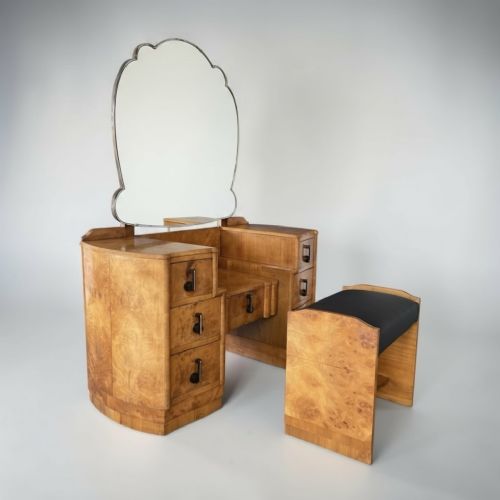
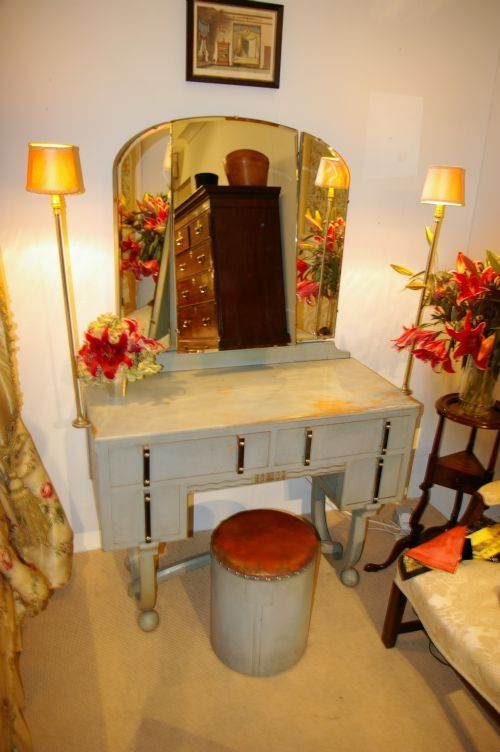
An art deco dressing stool is a low seat designed to accompany a bedroom vanity, frequently found matching a larger suite of furniture. These pieces belong to the periods spanning nineteen twenty to nineteen thirty, reflecting the distinct design shifts of those decades.
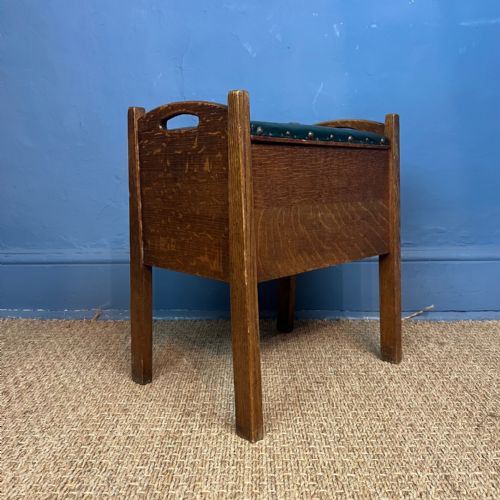
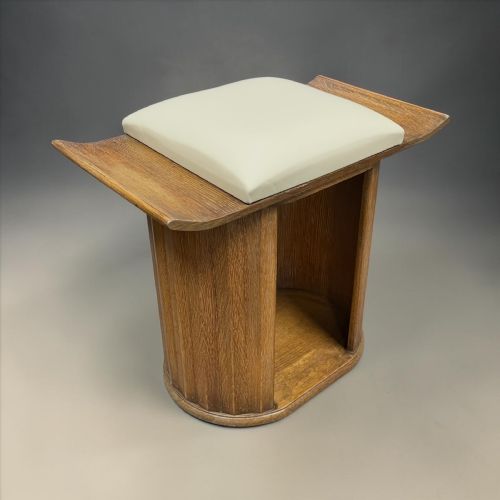
The version most commonly met on this page is an English or French dressing table stool formed from rich timbers. Many examples double as piano stools or include built-in storage beneath the top, serving dual functions in period homes.
Makers and workshops produced these seats alongside matching dressing tables, mirrors, and wardrobes. Buyers encounter them either as standalone accent items or as part of comprehensive bedroom suites.
How they were made
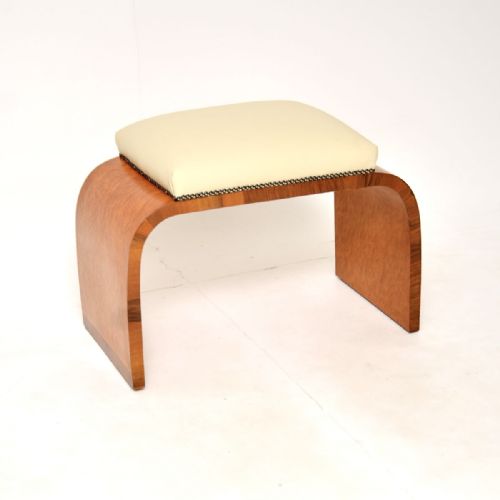
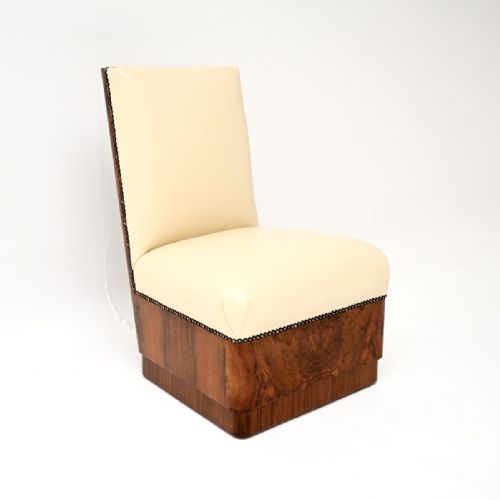
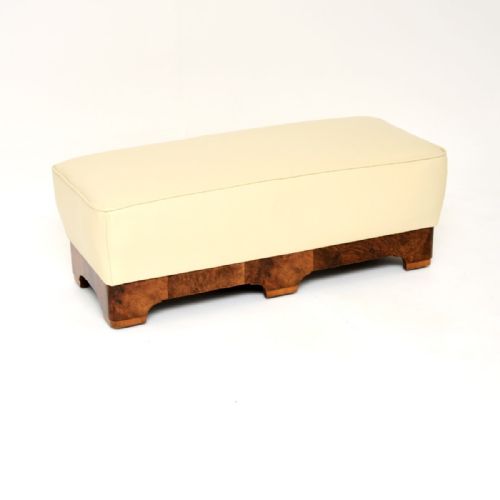
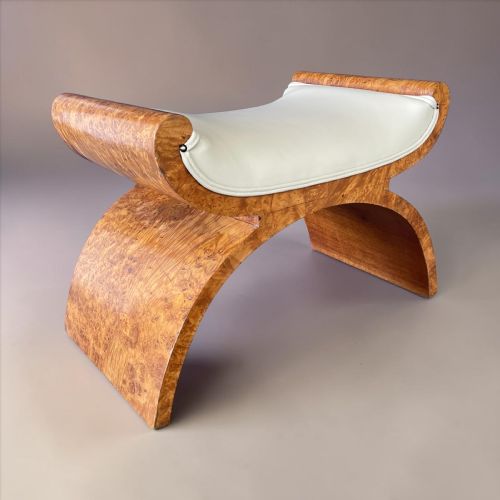
Cabinet makers utilised choice timbers such as burr walnut, birds eye maple, sycamore, oak, and rosewood to form the frames and bodies. These figured woods were cut and laid to display striking natural grain patterns across flat panels and curved surfaces.
Upholstered elements rely on traditional materials including leather, fabric, and velvet for the seating surface. Some pieces feature specialised forms like drum shapes or cloud-like contours, shaped through targeted woodwork techniques of the period.
Art Deco Dressing Stool Retail Price Guide 2026
Typical asking prices for art deco dressing stool among the pieces listed under this phrase on Sellingantiques today, from the lower quarter to the upper quarter. They describe what is for sale here now, not the wider market.
At least one coronation stool by B. North and Son finds its way among the dressing seats, proving royal events left spare chairs.
What varies in quality
The grade of timber veneer selection dictates much of the visual distinction between examples, with tightly patterned burr walnut or birds eye maple commanding greater presence. Figured grain matching across curved elements shows the skill of the original workshop.
Makers of note elevate certain pieces through documented attribution, particularly workshops associated with high-end English and French production. Construction integrity, intact original upholstery materials, and fitted storage compartments further separate standard production items from finer studio output.
Harry and Lou Epstein·Heals·B. North and Son·Rowley Gallery
The Art Deco Dressing Stool Glossary
- Burr Walnut
- A timber harvested from the warted growths on walnut trees, prized by makers for its swirling, highly figured grain patterns. It forms the primary visual surface on many high-grade period bedroom pieces.
- Birds Eye Maple
- Afigured hardwood variant displaying small, circular dot patterns resembling tiny eyes across the light surface. This material appears frequently on lighter-toned dressing furniture.
- Sycamore
- A pale British hardwood utilised for clean-lined modernist and art deco bedroom suites. It accepts finishes well and provides a bright contrast to darker walnut framing.
- Drum Shaped
- A cylindrical furniture form occasionally employed for compact storage stools. This curved silhouette allows for internal compartment space beneath the seat.
- Cloud Shaped
- A stylistic contour featuring undulating, rounded edges reminiscent of stylized clouds. This specific silhouette defines particular dressing stool designs from the period.
Art Deco Dressing Stool: Frequently Asked Questions
Are these stools comfortable to use daily?
Most period stools provide adequate height and firm support for routine grooming at a vanity table. Many feature padded leather or velvet tops designed for comfortable sitting.
Upholstered surfaces vary from firm padding to softer sprung interiors depending on the original maker's design. Buyers using them daily often retain or restore the traditional padding materials.
How do I match a stool to a table?
Matching relies primarily on identifying the timber species and finish tone, such as burr walnut or figured sycamore. Examining the leg style and geometric lines helps connect an orphaned stool to a dressing table.
Exact matching is secondary to balancing wood grains and period proportion within the room. Many period dressing stools were manufactured as independent pieces rather than strict suite components.
Can these be used as piano stools?
Several period examples served dual functions for both dressing tables and piano seating. Their compact proportions and sturdy wood frames suit keyboard instruments equally well.
Storage variants offer practical space for sheet music beneath the lid. This multi-use capability made them popular in homes during the nineteen thirties.
How should I care for leather and velvet?
Leather surfaces benefit from periodic conditioning to maintain suppleness and prevent the vintage hide from drying out. Gentle cleaning preserves the original patina built up over decades.
Velvet and fabric covers require careful brushing to lift dust without crushing the pile. Avoiding direct sunlight protects both dyed textiles and polished wood veneers from fading.