


Walnut Vanity Bench
A walnut vanity bench combines practical seating with period timber work, offering a compact touch of historic style to a dressing room.
Walnut Vanity Bench
A walnut vanity bench typically serves as a dressing table stool or piano stool, providing low seating designed for use in a bedroom or parlour. When searching for a walnut vanity bench, buyers encounter pieces spanning the Victorian era through to the Art Deco period of nineteen thirty.
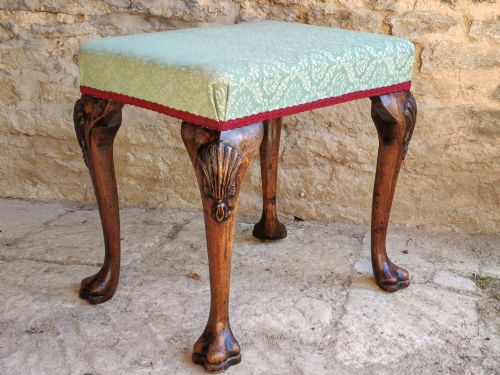
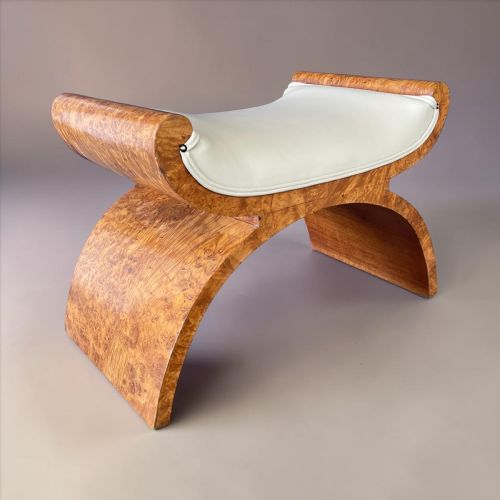
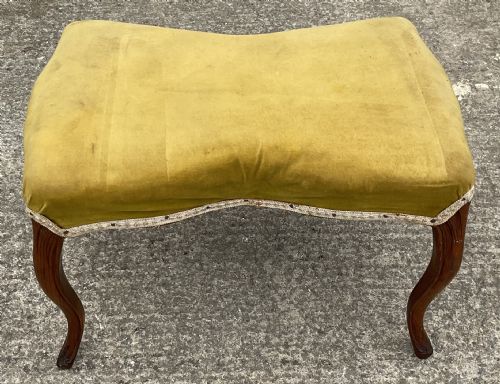
The selection ranges from nineteenth century styles featuring carved cabriole legs to twentieth century designs with figured veneers and storage compartments. Formats include rectangular frames, X-framed structures, and upholstered seats covered in velvet, textile, fabric, leather, or needlepoint.
Materials and construction
Frames are constructed from walnut and burr walnut timber, sometimes incorporating brass fittings for stability or decorative effect. Woodworking techniques span traditional hand carving on cabriole legs to the smooth, geometric veneering characteristic of later twentieth century cabinet work.
Upholstery methods utilise textile, velvet, fabric, and leather, occasionally paired with buttoning or twisted rope legs. These seating surfaces are fitted to structural wood frames that rely on period joinery to support daily use.
Some dressing stools thoughtfully hide secret storage compartments beneath their plush velvet tops, perfect for keeping daily trinkets out of sight.
Assessing quality in walnut seating
Quality shows in the selection of the timber grain, particularly where burr walnut veneer is laid across the seat rail or frame to create symmetrical patterns. Finer pieces display crisp hand carving on the cabriole legs and frame rather than soft or shallow moulding.
The integrity of the frame construction and the execution of the upholstery finish distinguish standard workshop production from notable pieces by makers such as Harry and Lou Epstein. Attention to detail in the joinery and the selection of covering materials indicate the tier of craftsmanship.
Harry and Lou Epstein
The Walnut Vanity Bench Glossary
- Cabriole leg
- A furniture leg that curves outward at the knee and tapers inward to an ankle, common on eighteenth century and Victorian styles. This form mimics animal limbs and requires skilled woodworking.
- Burr walnut
- A prized timber cut from walnut tree growths, featuring swirling grain patterns. Cabinet makers utilise these decorative veneers on prominent surfaces.
- X-framed stool
- A seating form supported by intersecting diagonal wooden members beneath the seat. This structural arrangement provides both stability and visual interest.
- Needlepoint
- Hand stitched canvas work utilising yarn to create detailed pictorial or geometric patterns. This textile often covers the tops of period dressing stools.
- Art Deco
- A design movement prominent around nineteen thirty characterised by streamlined forms and figured wood veneers. Pieces from this era often feature clean geometric lines.
Walnut Vanity Bench: Frequently Asked Questions
What is a walnut vanity bench?
A walnut vanity bench is a low seat designed primarily for a dressing table, combining a wooden frame with an upholstered top. These pieces range from Victorian examples to Art Deco designs.
They provide functional seating while introducing period wood tones and decorative upholstery into a bedroom or dressing space.
How do I date a walnut stool?
Dating relies on examining the leg style, wood finish, and upholstery techniques used in the construction. Victorian pieces often show carved cabriole legs or buttoned upholstery.
Twentieth century pieces from around nineteen thirty typically display figured burr walnut veneers and geometric Art Deco styling without heavy carving.
Are these benches comfortable for daily use?
Most of these stools feature padded upholstered tops covered in textile, velvet, fabric, or leather. They are designed for short periods of sitting at a dressing table or piano.
Some twentieth century variants even incorporate internal storage compartments beneath the seat, adding practical utility to the compact design.
Where should I place a vanity bench?
These compact seats fit neatly beneath dressing tables, desks, or in small alcoves as occasional seating. Their modest footprint makes them versatile for bedrooms and hallways.
They also serve well as piano stools or window seats, echoing the proportions of nineteenth century furniture arrangements.