
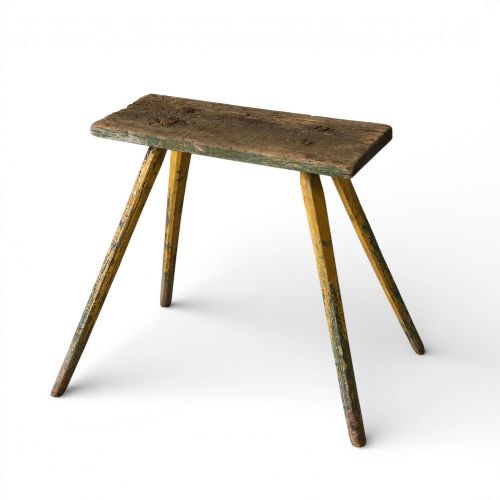
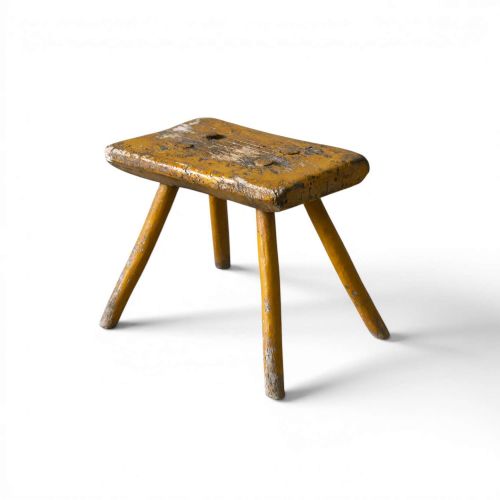
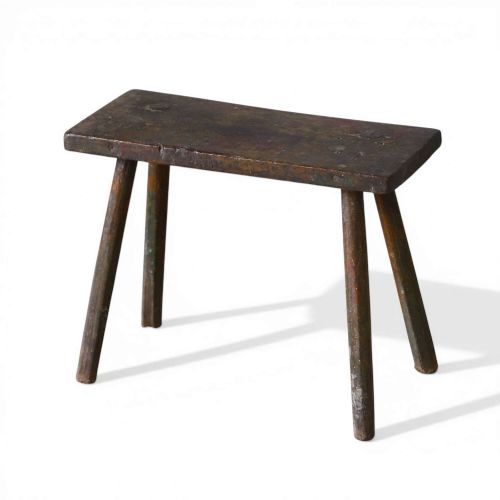
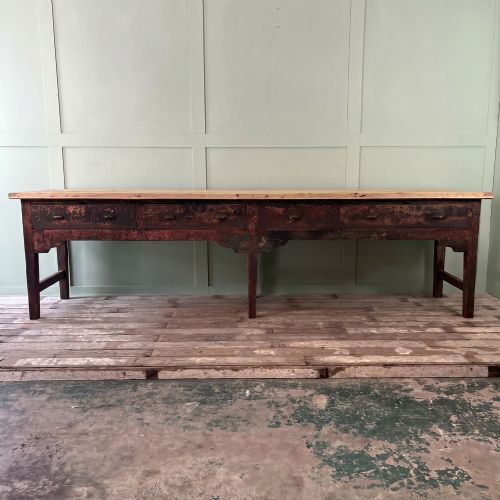
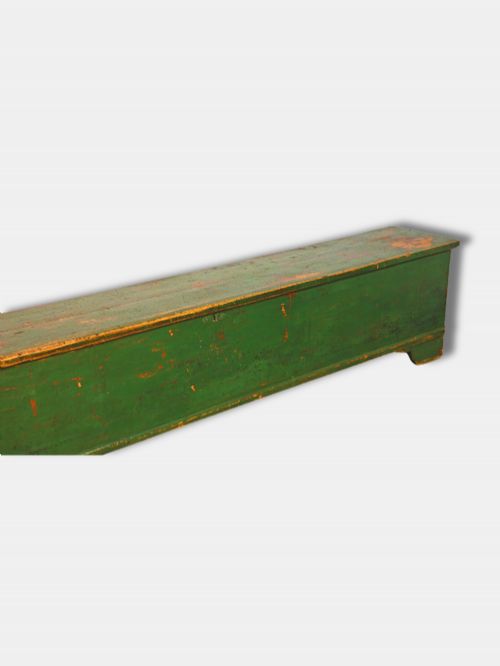

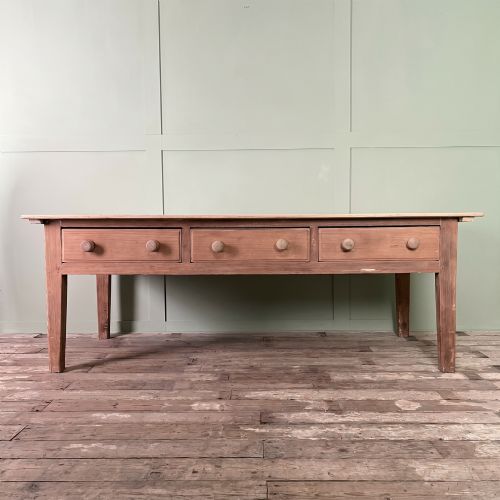

19th Century Pine Bench
A 19th century pine bench brings honest utility and vernacular character to an interior, offering robust seating shaped by decades of domestic or workshop use.
19th Century Pine Bench
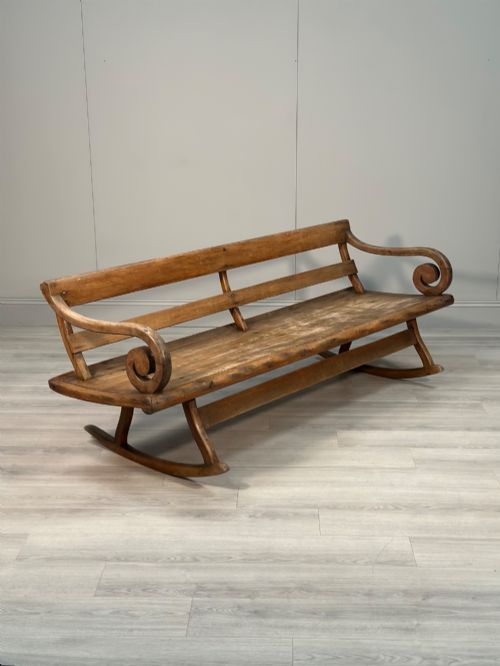
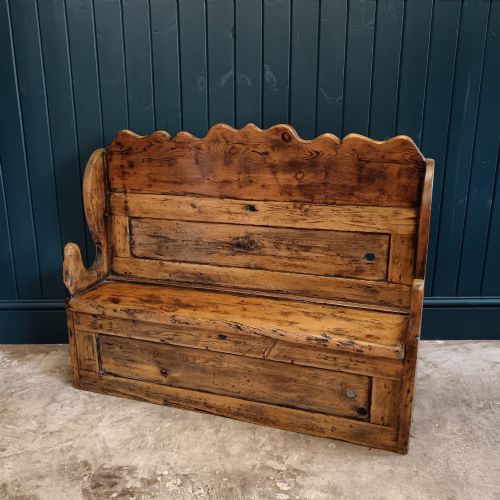
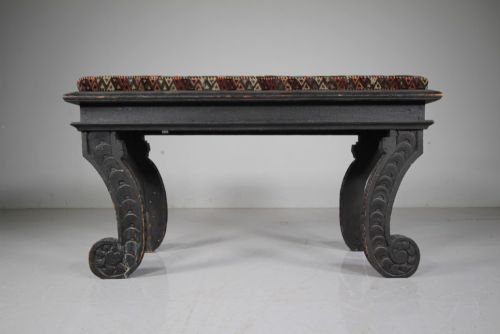
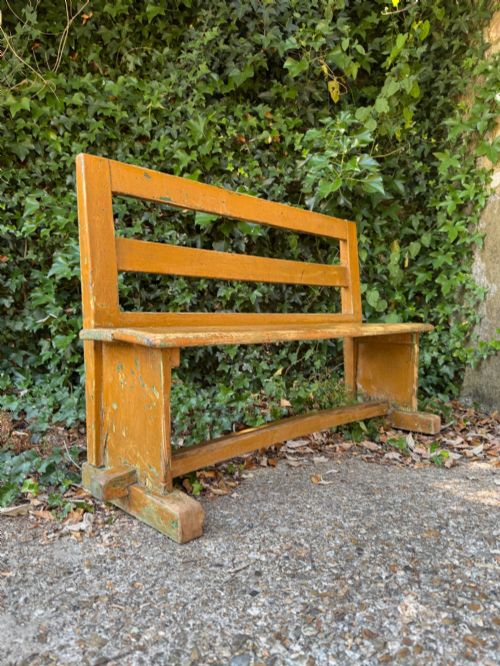
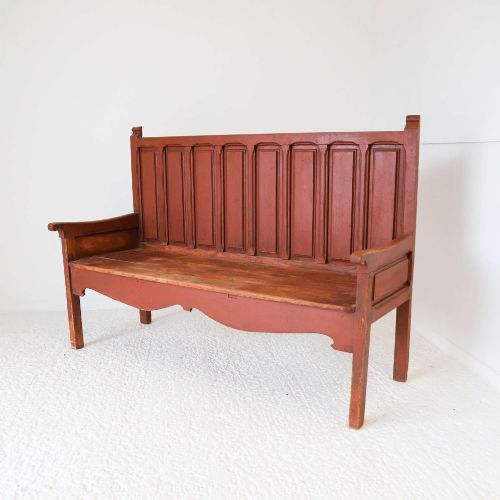
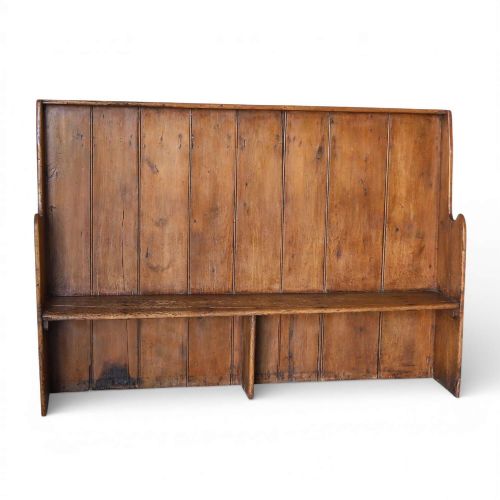
A 19th century pine bench encompasses simple utilitarian seating alongside high-back settles, chapel benches, and workshop forms originating from English, Welsh, Scandinavian, and continental European traditions.
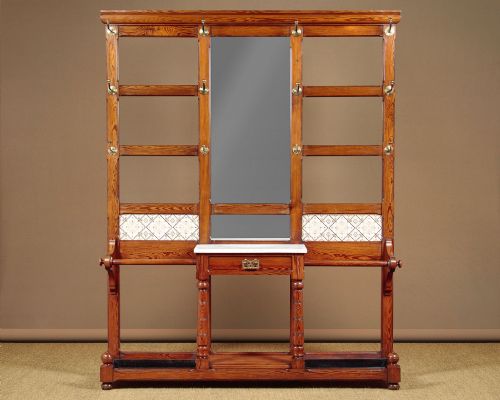
The regional variations include Swedish painted pieces, Spanish settles, and Cumbrian hallway seats designed for domestic hearths, hallways, and communal spaces.
Makers ranged from village joiners to industrial workshops producing waiting room pews and railway benches in pitch pine or softwoods.
Materials and Construction
Construction relies primarily on solid pine and pitch pine timbers, frequently combined with elm, sycamore, oak, or iron bracing for structural endurance.
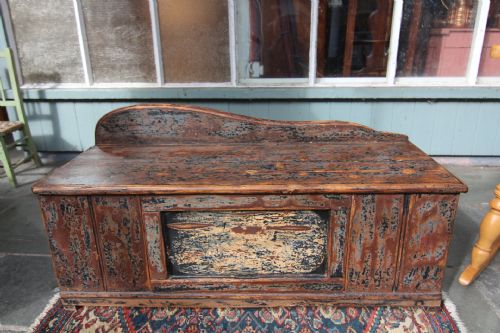
Surfaces exhibit either scrubbed natural wood or surviving historical layers of paint, ranging from folk art decoration to simulated oak graining and plain wax finishes.
Several items survive under utilitarian names such as pig scratches and milking stools, recording daily agrarian routines.
Evaluating Quality
Quality rests in the integrity of the original construction, the depth of natural or painted patina accumulated through prolonged use, and the survival of uncompromised structural proportions.
Pieces retaining original polychrome paint surfaces or untouched honey brown patination command greater interest than those stripped down or heavily restored in later periods.
The 19th Century Pine Bench Glossary
- Settle
- A wooden bench with a high back, solid arms, and often a storage box beneath the seat. It was designed to block cold drafts in traditional domestic rooms.
- Patina
- The surface sheen and colour developed by timber over years of handling, polishing, and environmental exposure. It indicates age and authentic wear.
- Pitch pine
- A durable resinous softwood derived from North American pine species, known for distinctive grain patterns and strength. It was frequently utilised for heavy-duty public and institutional seating.
- Folk art
- Decorative painting or ornamentation applied by local artisans rather than trained academic artists. It frequently characterises regional Scandinavian and continental European seating.
- Scrubbed
- A finish achieved through repeated vigorous washing and scouring of softwood surfaces with water and sand. This process leaves a pale, clean grain texture associated with dairy and kitchen furniture.
19th Century Pine Bench: Frequently Asked Questions
What is a pine settle?
A pine settle is an enclosed wooden bench featuring a high back and solid wings designed to shield occupants from drafts in older homes.
Many examples include a hinged box seat intended for storing household blankets or fuel.
How do I care for original paint?
Original painted surfaces require protection from direct sunlight and excessive moisture to prevent flaking or fading.
Dust gently with a dry microfiber cloth and avoid modern chemical cleaning products.
Where were these benches used?
These benches served varied roles across farmhouses, chapels, railway stations, workshops, and grand hallways.
Robust construction allowed them to withstand heavy daily traffic in both domestic and institutional settings.
How do I distinguish regional styles?
Regional identity often reveals itself through construction methods, timber choice, and decorative paint applications.
Swedish pieces frequently display bright polychrome finishes, while English and Welsh examples rely more on exposed timber grain or simpler dark waxes.