

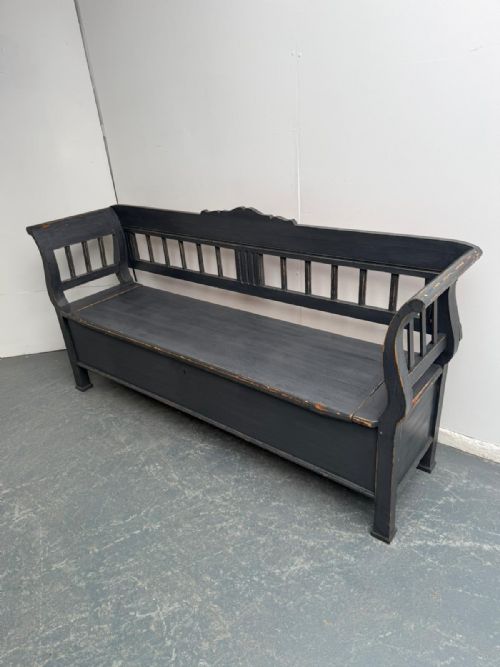
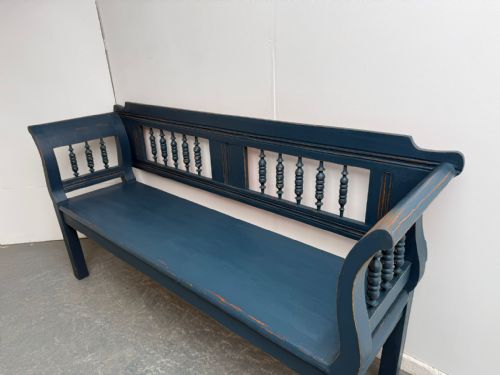

Victorian Pine Settle Bench
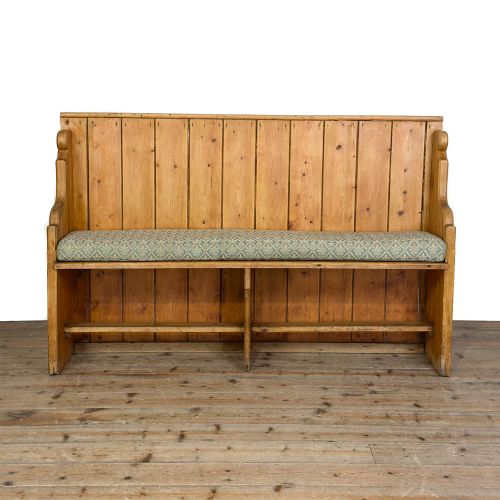
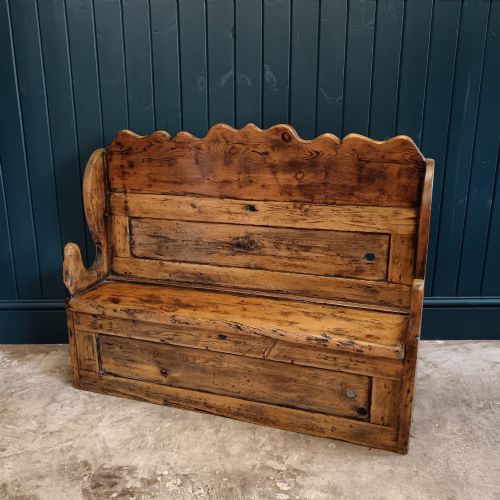
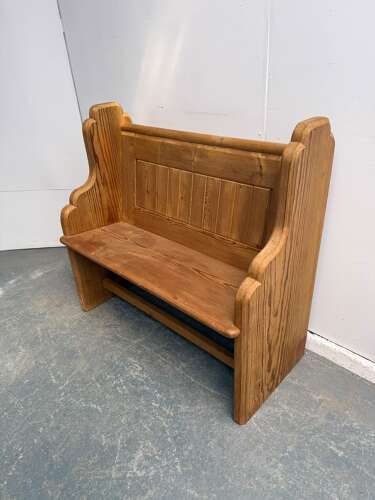
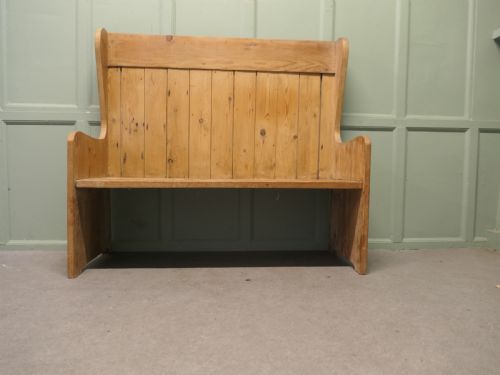
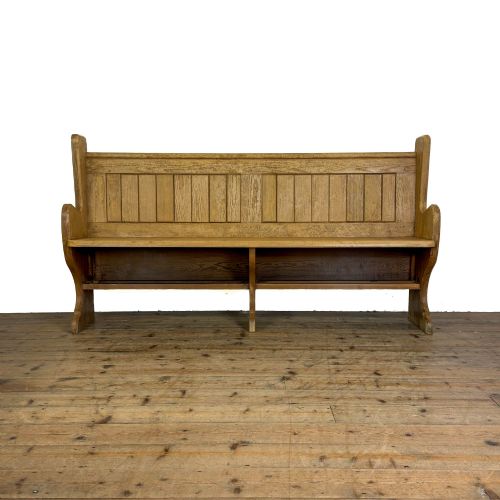
A victorian pine settle bench brings solid timber architecture, high backs and enclosed seating straight from period pubs, churches and farmhouses into a modern hallway.
Victorian Pine Settle Bench
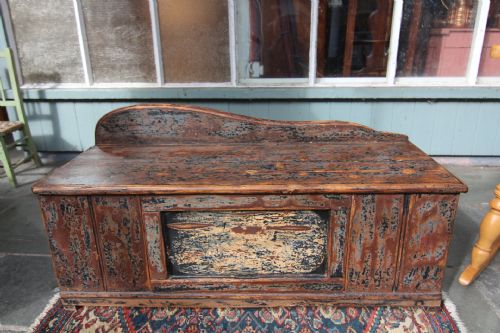
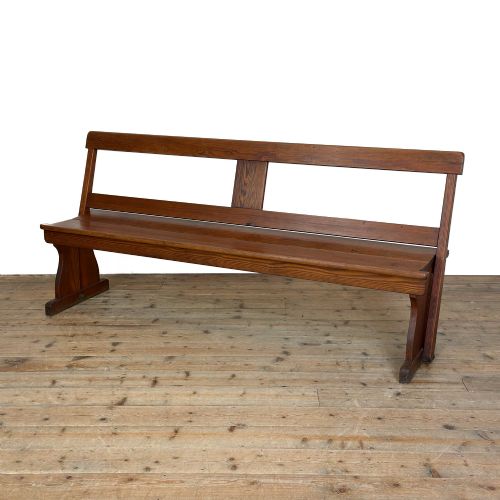
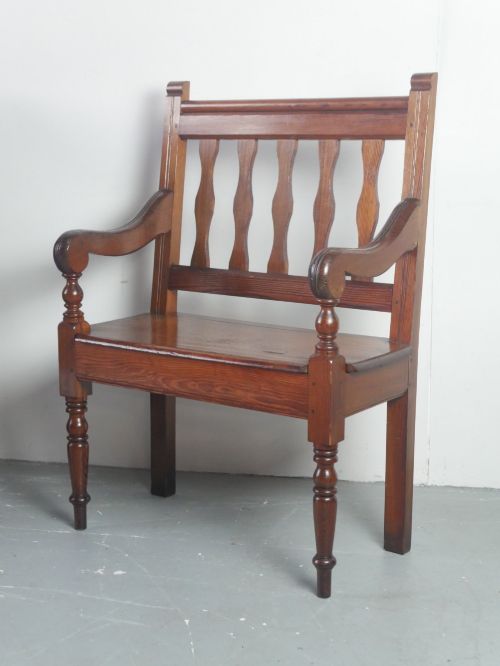
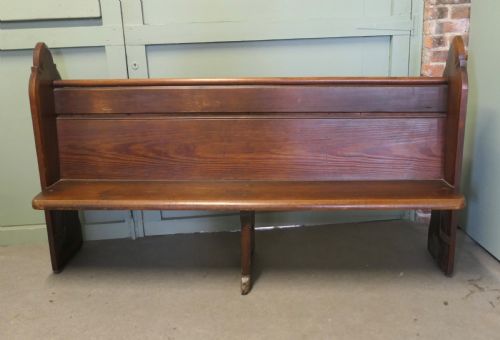
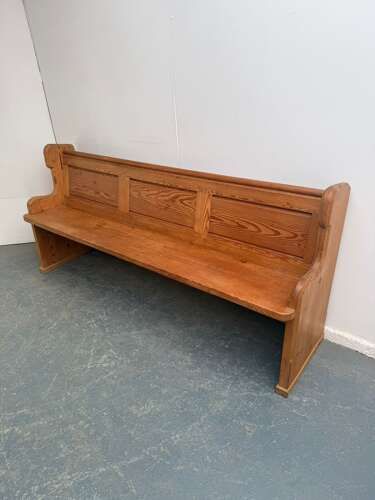
When you search for a victorian pine settle bench, you encounter sturdy seating forms spanning church pews, high-backed fireside settles, box seats and hallway benches. The selection ranges from vernacular English country items to painted Hungarian folk art examples and pitch pine gothic church furniture.
The most common formats on this page are high-backed settles with integrated box storage, chapel and church pews, and provincial hall benches. These pieces originate predominantly from the nineteenth century, with specific dates clustering around 1850 through to 1900.
How they were made
Construction relies heavily on solid pine and pitch pine, sometimes supported by secondary timbers like elm, ash, oak or walnut for structural resilience. Joinery techniques prioritize utilitarian strength, utilising pegged mortise and tenon joints suited to heavy daily use in institutional and domestic settings.
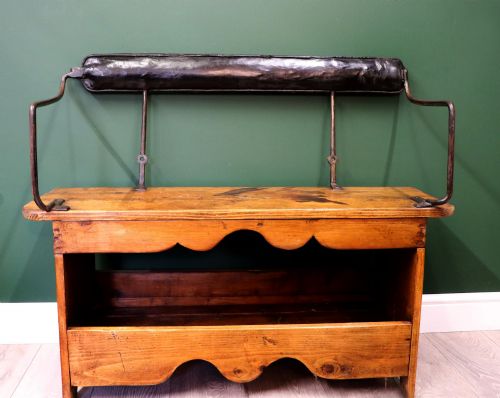
Surfaces exhibit either waxed finishes that highlight the natural grain or original painted treatments including polychrome, grey, blue, black and cream variants. Iron fixings, leather elements, and fabric components appear where hardware or upholstery serves a functional role.
Listings feature items built from solid pine, pitch pine, elm and ash, encompassing styles from rustic farmhouse to Victorian Gothic and Hungarian folk art.
What varies in quality
Structural integrity and proportion also dictate standing, with slimmer hallway proportions and integral box seats commanding attention over altered or mismatched constructions. Retained institutional markings, such as chapel or school provenance, add documentary depth to individual forms.
The Victorian Pine Settle Bench Glossary
- Settle bench
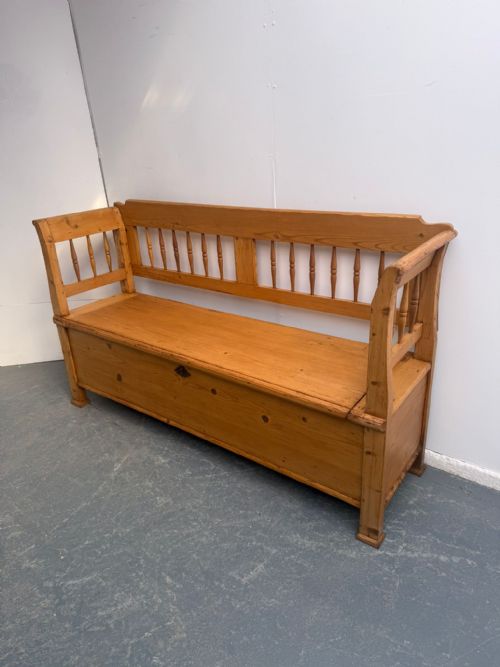
- A wooden bench with a high back designed to block draughts, often featuring armrests and a built-in box seat for storage. This form served domestic halls and tavern firesides for centuries.
- Pitch pine
- A dense, resinous variety of pine timber widely utilised in the nineteenth century for institutional and church furniture due to its durability. It often shows a strong, figured grain pattern.
- Box settle
- A variant of the settle featuring a hinged seat that lifts to reveal a storage compartment beneath. These pieces doubled as blanket boxes or utility storage in vernacular interiors.
- Monks bench
- A convertible furniture form featuring a hinged back that flips forward to transform the bench seat into a table top. This space-saving design is found in domestic country settings.
- Polychrome
- Decorated or painted in multiple colours, frequently seen on folk art pieces and vernacular European furniture. This treatment preserves historical aesthetic choices applied by regional makers.
Victorian Pine Settle Bench: Frequently Asked Questions
Where were settle benches originally used?
These benches served communal and domestic spaces, including country pubs, village churches, school halls and farmhouses. Their high backs provided shelter from draughts in open, unheated rooms.
In domestic settings, they stood in hallways or beside hearths, while institutional examples furnished chapels, railway waiting rooms and vestries.
How do I care for a waxed pine finish?
Maintain waxed pine surfaces by applying a traditional beeswax polish sparingly and buffing with a soft cloth. Avoid placing these pieces near direct heat sources or strong sunlight, which can dry out the timber.
Regular dusting keeps the grain clear without stripping the accumulated patina developed over the nineteenth century.
Are painted finishes on these benches original?
Many pieces retain their early or original painted schemes, such as blues, greys, creams and black, particularly among Hungarian folk art examples and institutional church pews. Close inspection of the surface reveals wear patterns and layers consistent with age.
Original paint adds significant character and historical value compared to modern decorative overpainting.
What is the difference between a settle and a pew?
A settle typically incorporates enclosed sides, armrests and often a box storage base designed to shield the sitter from draughts in domestic or tavern environments. Pews generally feature open ends and lack built-in storage compartments, reflecting their origin in rows of church seating.
Both utilise sturdy nineteenth-century pine construction but served distinct architectural functions.