
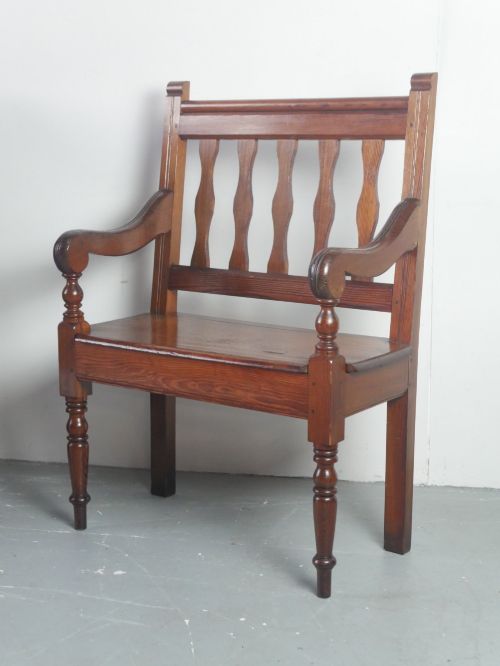
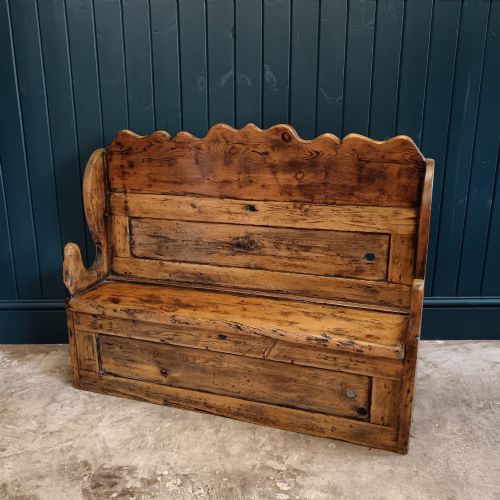
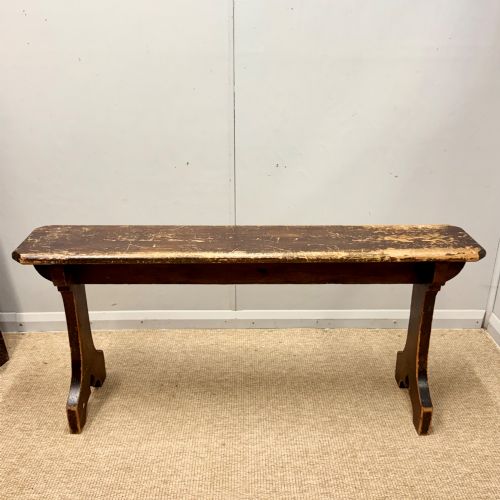
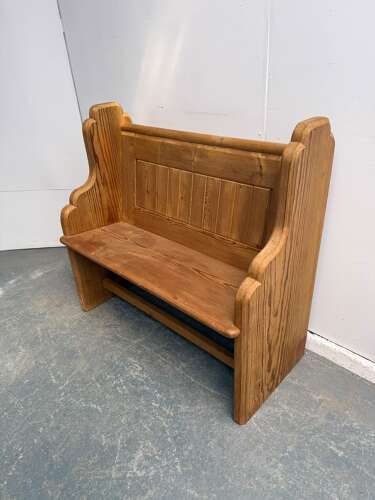
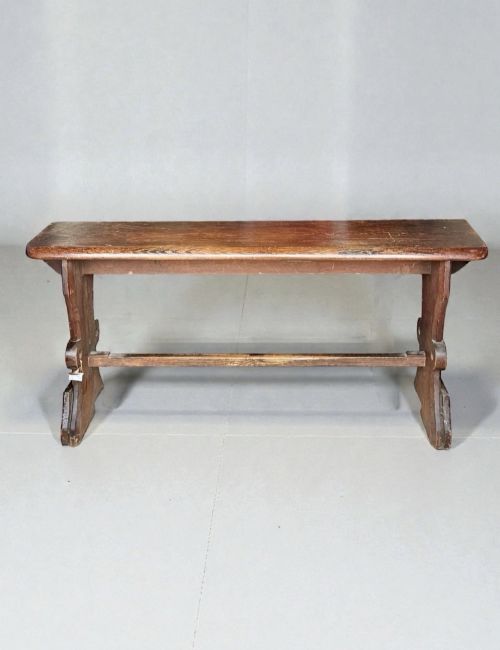


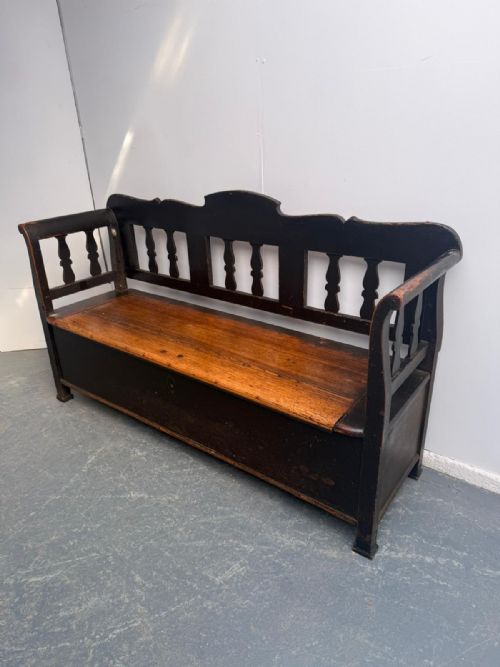
Hallway Pine Bench
A hallway pine bench brings honest utility and vernacular character to an entrance, offering robust timber seating with deep roots in domestic and institutional history.
What these pieces are
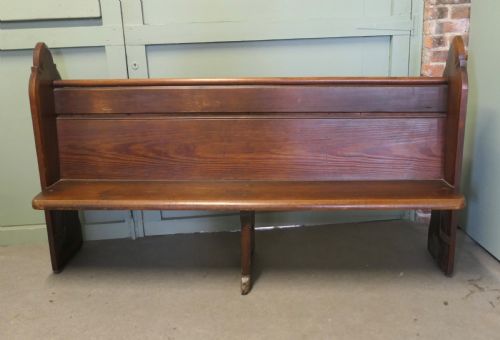
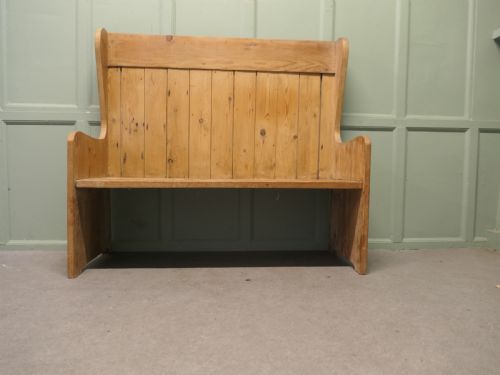
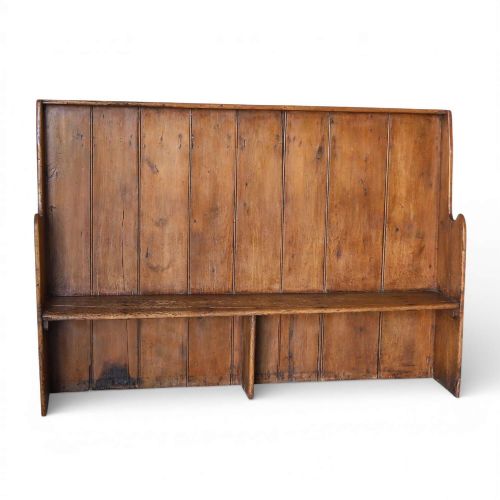
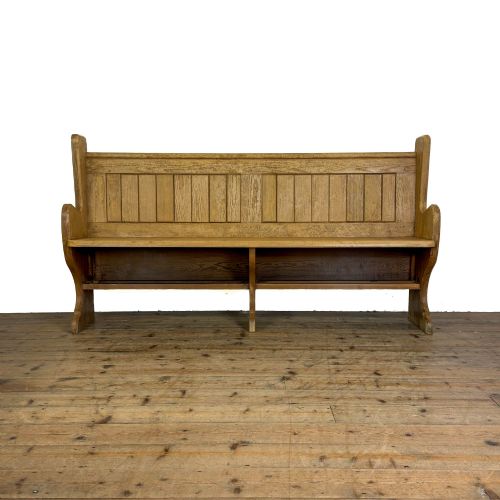
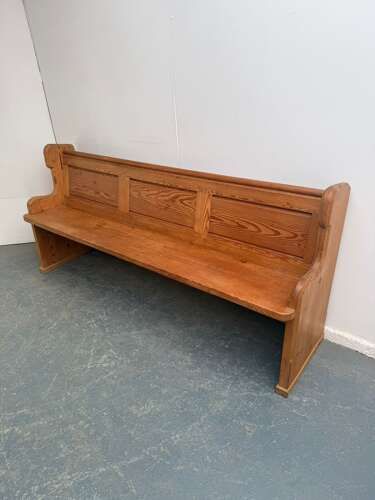
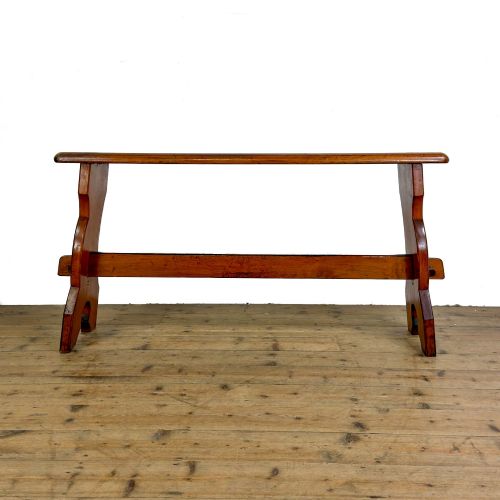
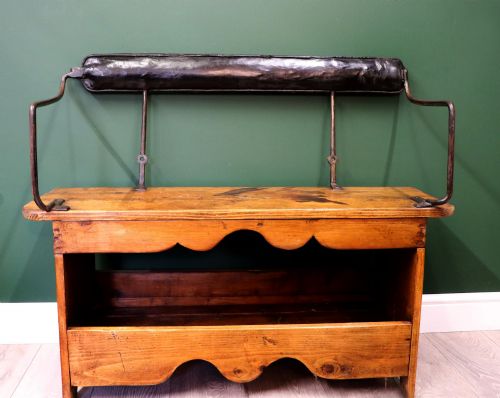
A hallway pine bench appears across domestic, rustic, and ecclesiastic forms, encompassing long settles, church pews, and compact chapel seating designed for functional use. These sturdy seats bridge everyday practicality and period charm, originating from periods such as the nineteenth century up to nineteen ten.
The variations recorded in the evidence range from high-back fireside settles to single-seater pews and marked chapel benches. English examples often show vernacular simplicity, utilising durable softwood construction suited to busy passageways and reception spaces.
How they were made
Construction relies entirely on pine timber, shaped into substantial boards for seats, backs, and supports. Cabinetmakers and joiners utilised traditional panel and board techniques to build rigid frames capable of withstanding heavy daily use.
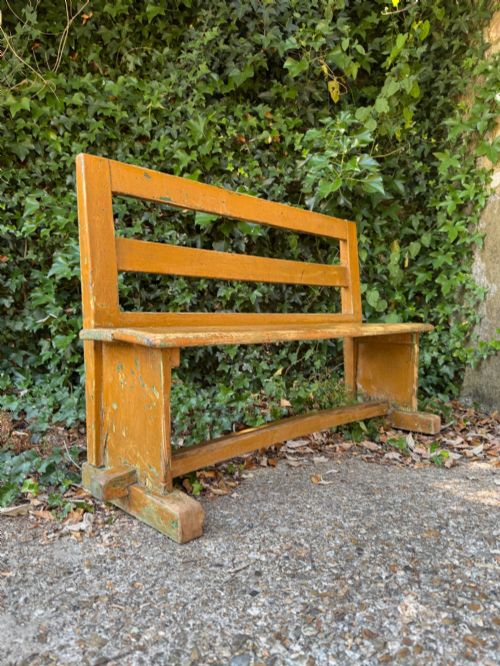
Surface treatments recorded on these pieces include natural wax finishes that nourish the timber alongside historical painted applications. A notable example retains its original painted finish and specific markings from the chapel at Llanfair.
Retail Price Guide 2026
Typical UK retail prices for hallway pine bench, calculated from the Sellingantiques database of over a million retail prices indexed since 2003. This retail price guide relies exclusively on Sellingantiques data; no external sources or auction records are used, so the figures do not describe the wider market.
Listings for a hallway pine bench span the nineteenth century, nineteen ten, and Victorian periods, utilising pine, wax, and paint.
What varies in quality
Quality in a hallway pine bench rests upon the integrity of the timber and the honesty of its original form rather than superfluous ornamentation. Pieces that retain their genuine patination, uncompromised structural joints, and untouched surfaces stand clearly apart from heavily altered examples.
The distinction between a standard utility seat and a superior example lies in vernacular provenance, such as ecclesiastical or institutional markings that connect the furniture to a specific historical context. Proportions also dictate desirability, where well-balanced lengths and high backs offer greater visual presence in an entrance.
The Hallway Pine Bench Glossary
- Pine
- A softwood timber widely utilised in British vernacular furniture making for its accessibility and resilience. It takes wax and paint finishes readily, developing a warm patination over decades of handling.
- Settle
- A wooden bench featuring a high back and solid arms designed to shield occupants from draughts. These forms are frequently associated with country pubs and domestic firesides.
- Pew
- Long wooden bench seating traditionally found in churches and chapels. In domestic settings, they provide linear seating with deep seat boards and upright backs.
- Patina
- The surface sheen and colour acquired by wood through age, wear, and regular waxing. It serves as a visual indicator of a piece's history and untouched condition.
- Vernacular
- Everyday furniture built by local craftsmen to satisfy practical requirements rather than following high-style metropolitan fashions. These pieces often employ regional construction methods.
Frequently Asked Questions
Where did hallway pine benches originate?
These benches originate from a mix of domestic, rural, and ecclesiastical settings across England. Many examples served in chapels, churches, and country pubs before entering domestic hallways.
Craftsmen built them for utilitarian seating in spaces that required durable, hard-wearing furniture.
How do I care for a waxed pine bench?
Maintain waxed pine surfaces by applying a traditional beeswax polish sparingly and buffing with a soft cloth. This preserves the natural timber and guards against dryness.
Keep the bench away from direct heat sources and strong sunlight to protect the historic finish.
Are painted pine benches original?
Some pieces retain original paint applications from their institutional use, such as marked chapel furniture. Historical paint adds significant character and confirms the bench's working past.
Examine the paint surface under natural light to understand its age and relationship to the timber underneath.
What is the difference between a settle and a pew?
A settle typically incorporates enclosed sides and a high back designed to block cold air in domestic rooms or rustic pubs. Pews are generally open-ended linear seating built for institutional spaces like churches.
Both forms utilise sturdy pine construction suited to heavy communal traffic.