
Vintage Church Bench
A vintage church bench brings architectural weight and ecclesiastical character into a domestic interior, offering sturdy communal seating with centuries of history.
Vintage Church Bench
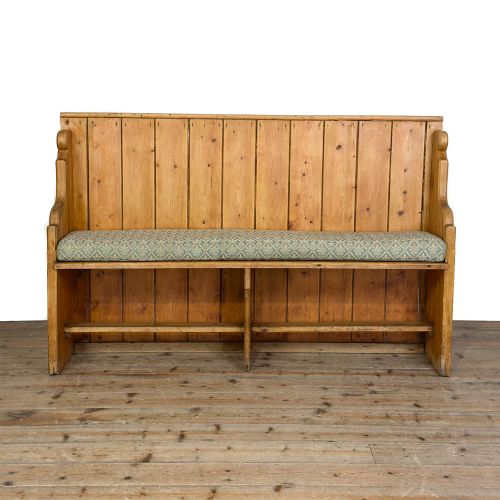
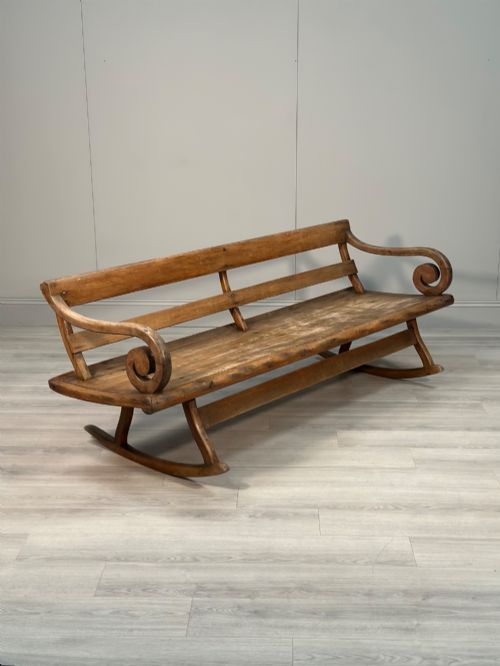
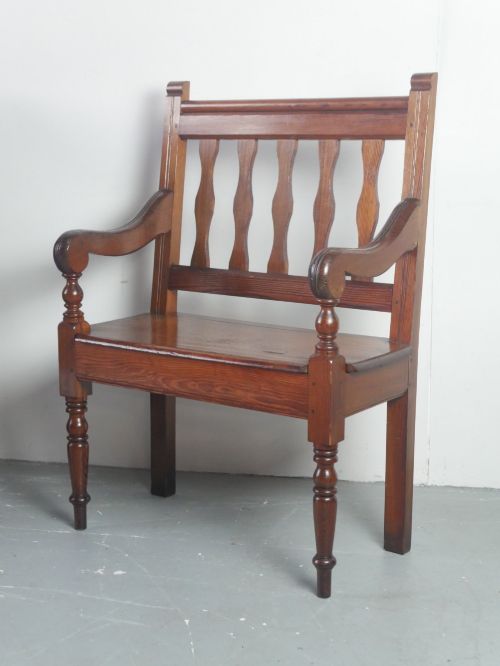
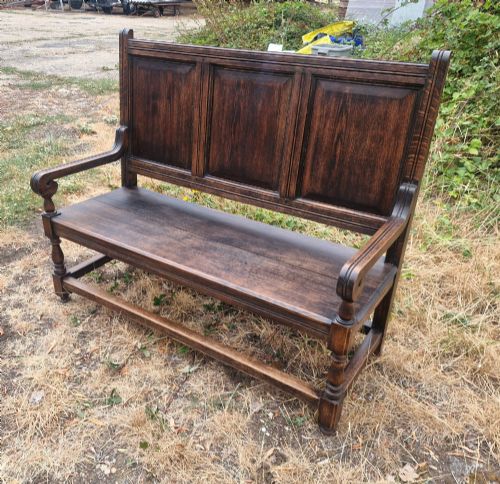
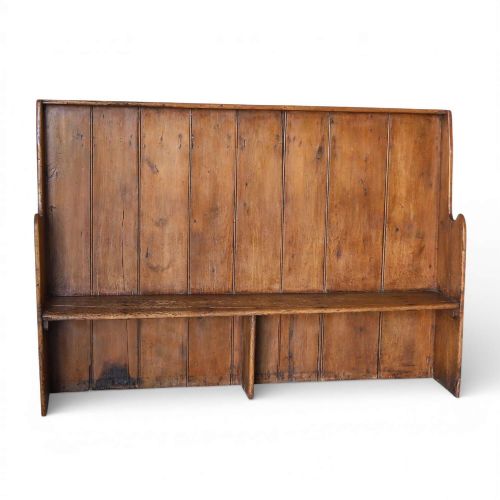
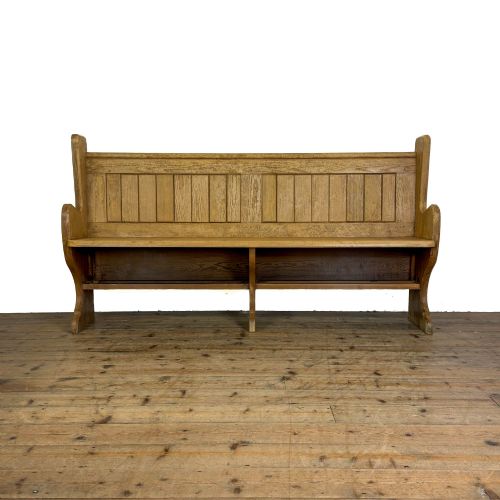
When you search for a vintage church bench, you encounter robust ecclesiastical seating and communal forms originating from chapels, churches, and public houses. These pieces range from simple pine pews to elaborate oak chapel seating and rustic tavern benches.
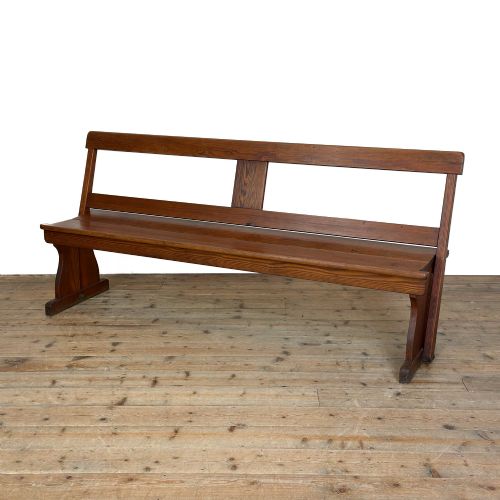
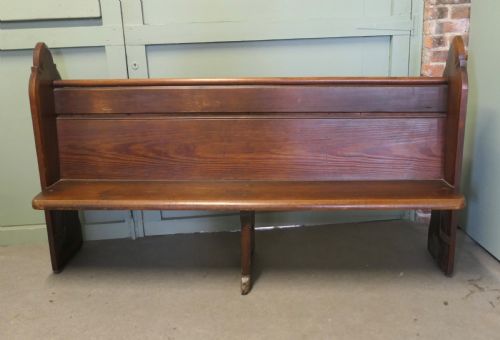
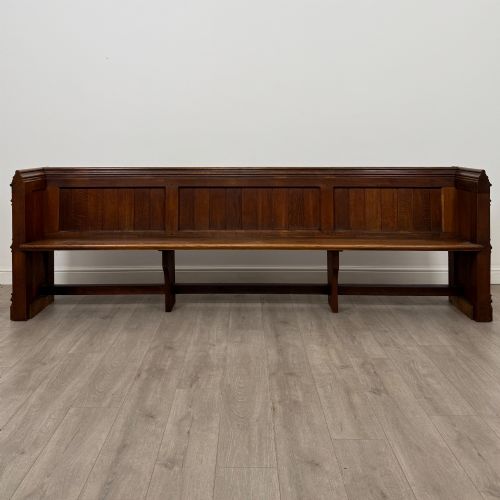
The most common examples on this page are pine and oak pews dating from the nineteenth century, including Victorian Gothic designs and country variants. Many retain their original chapel or tavern provenance, spanning utilitarian forms to more decorative Gothic Revival styles.
How they were made
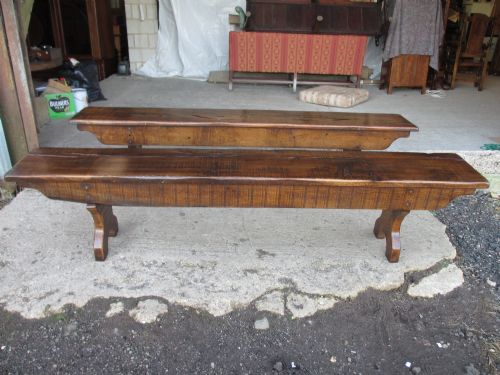
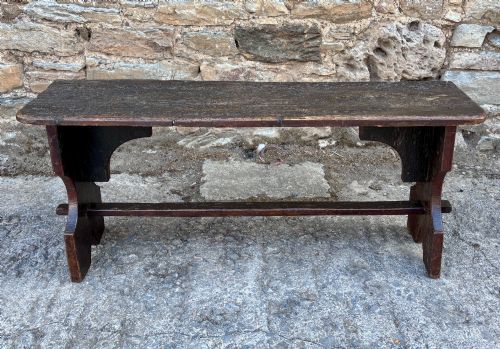
Construction relies heavily on solid timber such as pine, pitch pine, and oak, often shaped into heavy panelled backs and trestle ends. Joinery is robust and utilitarian, designed to withstand decades of heavy public use.
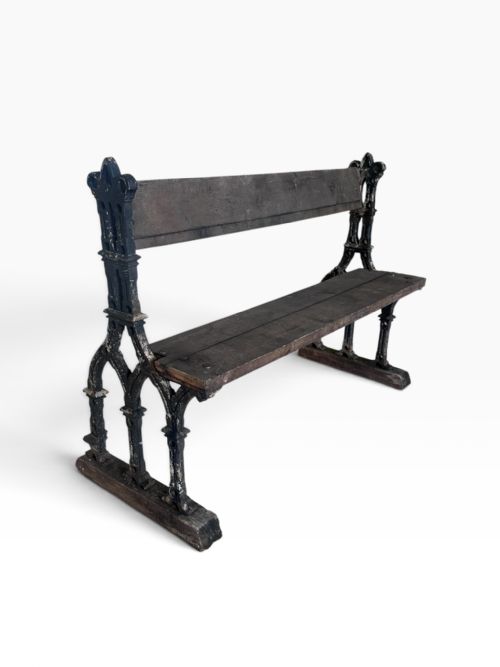
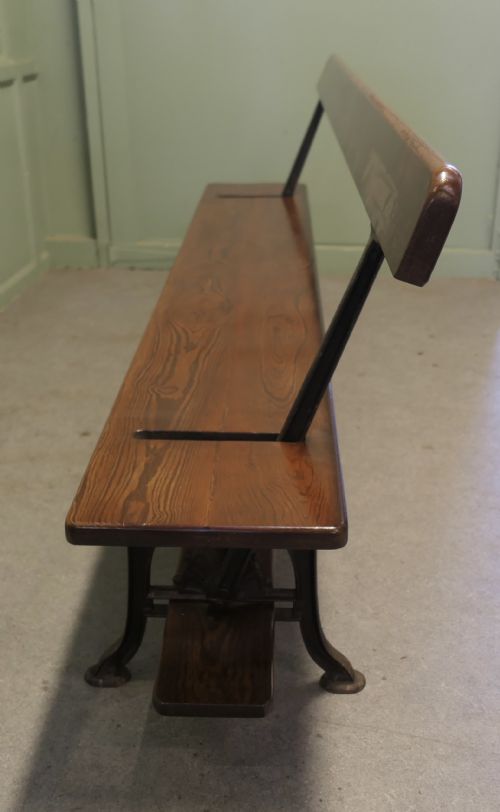
Surface treatments vary from natural honey brown patinas and bleached chestnut to original painted finishes in blue or other tones. Cast iron components also appear, providing structural support in garden and industrial contexts.
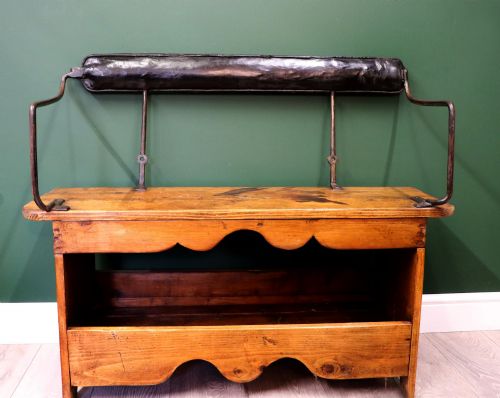
Object forms range from traditional chapel pews and flip-over seating to hall settles, organ benches, and long dining refectory benches.
What varies in quality
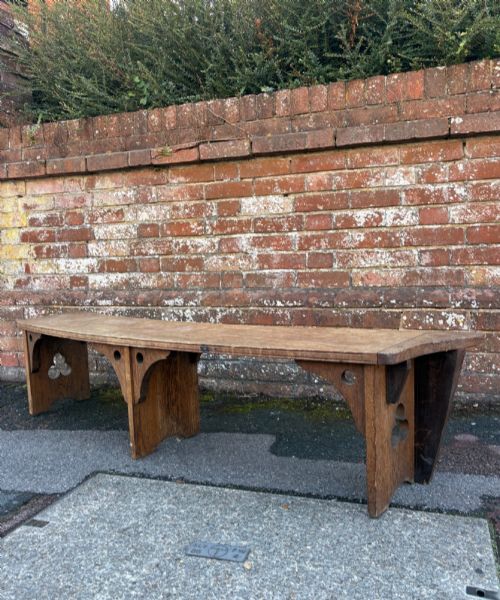
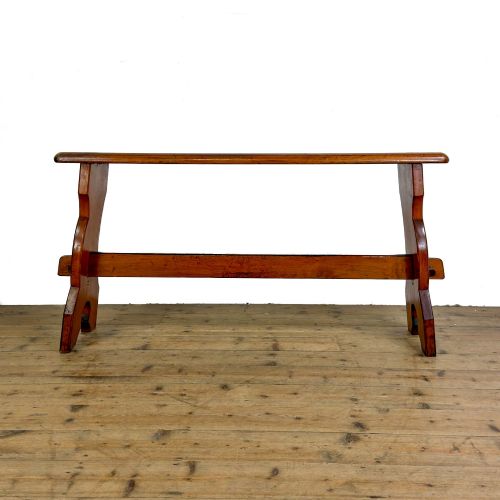
Quality rests upon the integrity of the timber, the sophistication of the carved supports, and the preservation of original surfaces. Pieces with trefoil carvings, shaped trestle ends, or documented institutional provenance stand apart from plain utilitarian seating.
The degree of original finish preservation dictates distinction. Benches retaining unblemished patinas, original paint, or specific historical markings carry greater character than heavily restored or stripped alternatives.
The Vintage Church Bench Glossary
- Settle
- A wooden bench with a high back, solid arms, and often a storage compartment beneath the seat. This form provided draught-exclusion in older buildings.
- Pew
- A long wooden bench used for seating congregations in churches and chapels. These often feature integrated book ledges and panelled backs.
- Pitch pine
- A durable, resinous softwood sourced from North America, commonly utilised for nineteenth-century church seating and architectural joinery. It displays a distinct dense grain.
- Gothic Revival
- An architectural and decorative style drawing inspiration from medieval design, featuring pointed arches and trefoil motifs. This style is prevalent in Victorian ecclesiastical furniture.
- Trestle
- A structural support consisting of a horizontal beam fixed to two splayed legs, commonly found beneath long benches and tavern tables.
Vintage Church Bench: Frequently Asked Questions
How do I style a church bench at home?
These benches work effectively positioned along a dining table, placed in a wide hallway, or used against a living room wall. Their linear forms provide strong vertical backing that grounds an empty space.
Pair them with simple cushions or sheepskins to soften the solid timber seating. Ensure you measure the length and depth carefully, as historical church seating is often deeper and longer than modern domestic benches.
Were all these benches made for churches?
While many originate from churches, chapels, and ecclesiastical buildings, the selection includes tavern benches, hall seats, and refectory styles. Institutional furniture shared similar robust construction methods regardless of its exact public setting.
Ecclesiastical pieces typically feature book ledges or numbered ends, whereas tavern and hall variants focus on domestic comfort or corridor utility. Examine the back structure and support ends to understand the original context of use.
How do I care for antique pine and oak?
Maintain the timber by dusting regularly with a dry cloth and occasionally applying natural beeswax to nourish the wood grain. Avoid placing antique wood in direct sunlight or near sudden heat sources.
Original painted surfaces require particular care, needing only gentle cleaning without abrasive solvents. Preserving the existing patina maintains both the visual depth and the historical integrity of the piece.
How can I tell the period of a bench?
Dating relies on timber selection, tool marks left during manufacture, stylistic details, and construction methods. Nineteenth-century examples often display machine-sawn elements alongside traditional hand-planed surfaces.
Victorian Gothic pieces frequently incorporate pointed arches and heavy panelled construction, whereas Edwardian variants lean towards simpler shaped trestle ends. Comparing the overall wear patterns and hardware helps confirm the era.