




Traditional Pine Pew
A traditional pine pew brings honest architectural weight and practical bench seating into a hallway, kitchen or living space.
Traditional Pine Pew
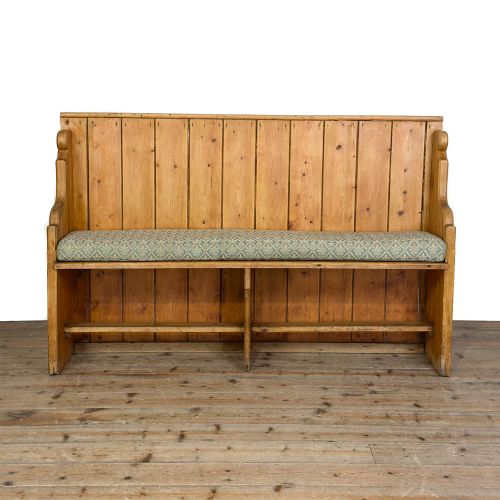
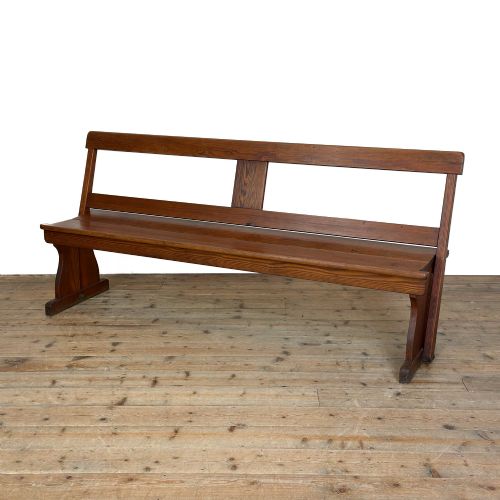
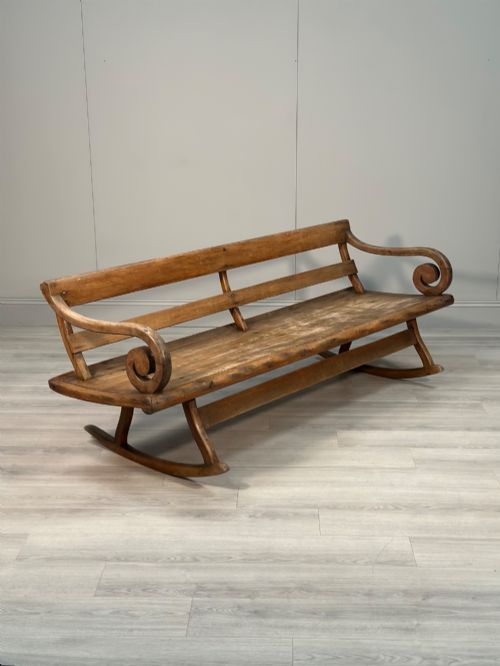
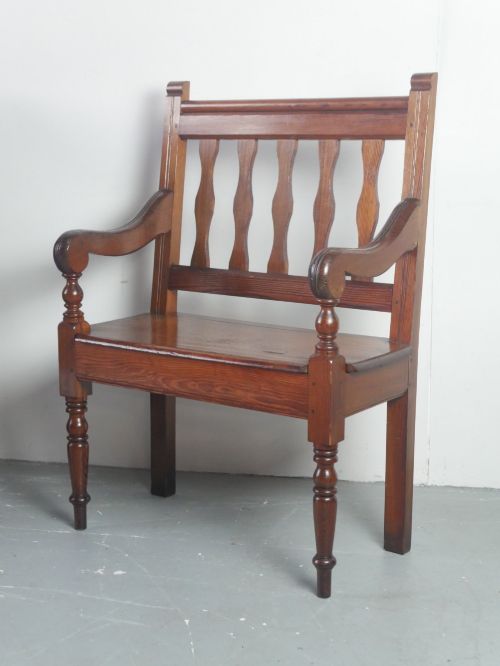
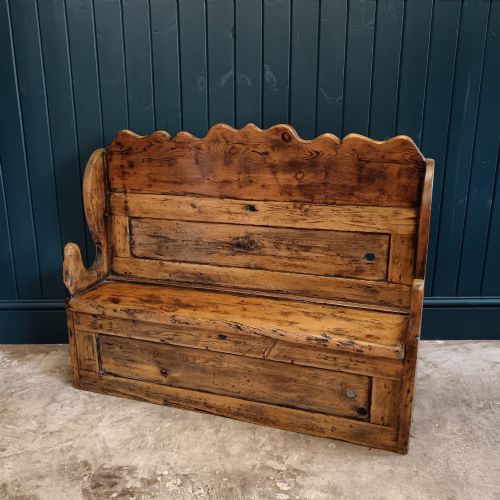
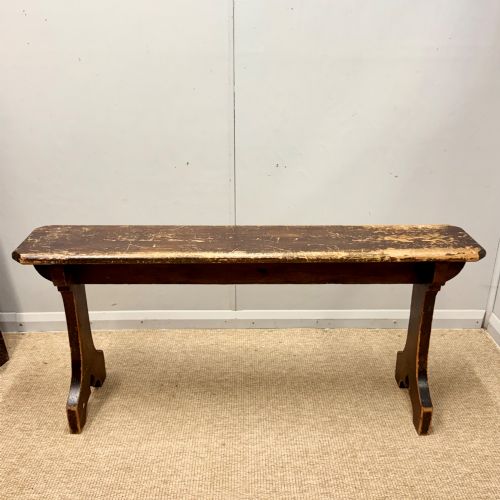
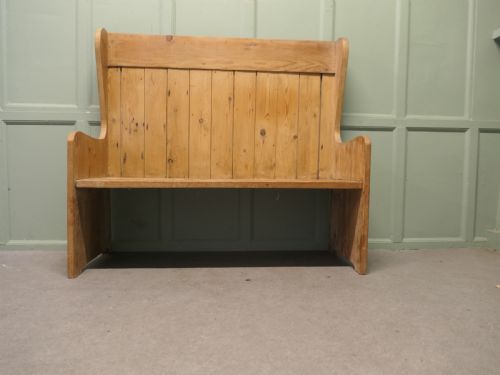
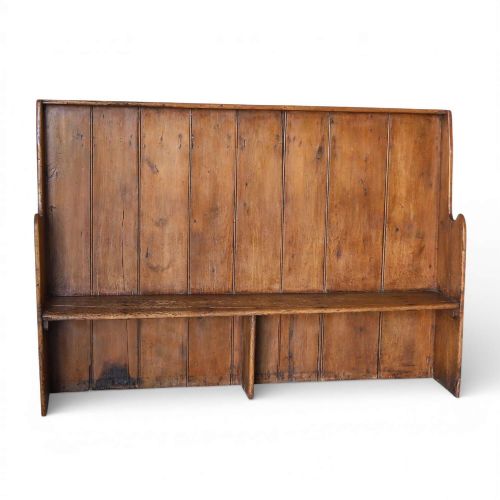
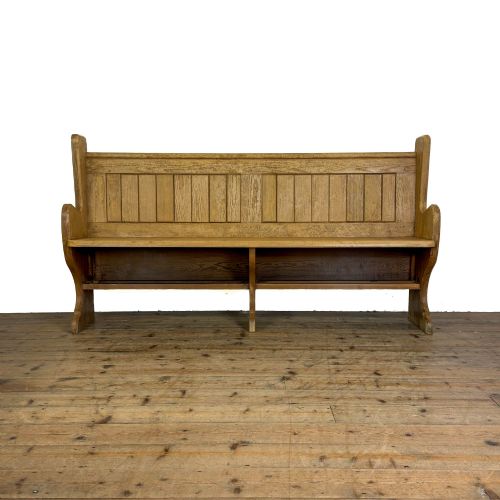
A traditional pine pew is a sturdy timber bench with deep roots in ecclesiastical, domestic and tavern settings. You encounter forms ranging from church and chapel pews to high-back fireside settles, tavern benches and school seating.
The pieces listed on this page span the eighteenth, nineteenth and early twentieth centuries, drawing on English, Victorian, Hungarian, Spanish and Austrian rural traditions. They frequently serve as functional hall seats, dining benches or fireside statement pieces.
Most examples rely on straight or high-backed timber construction designed to block draughts in large rooms. Versions range from simple linear chapel benches to enclosed settles with integrated canopies and armrests.
How they were made
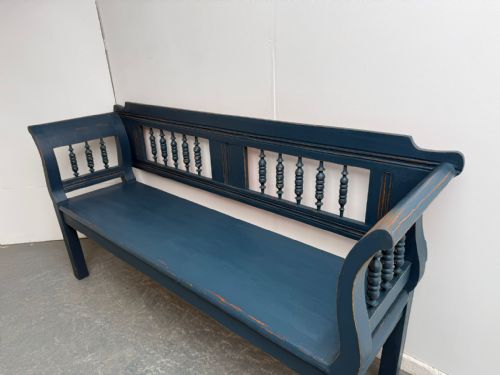
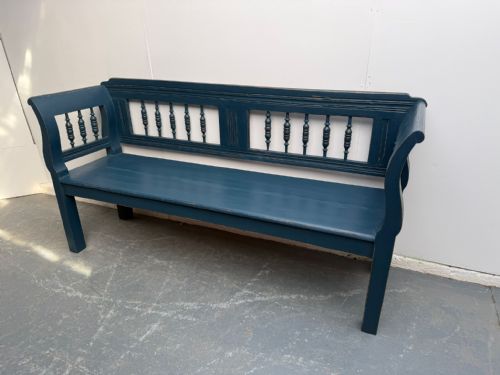
Makers built traditional pine pews using solid softwood timbers, frequently incorporating pitch pine or supporting structural elements in elm and iron. Surfaces were traditionally left bare, waxed to highlight the grain, or finished with traditional paint in blue and other regional shades.
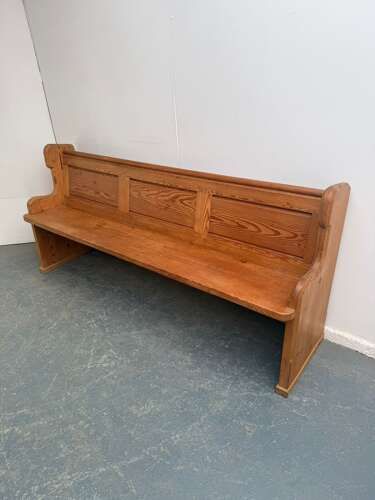
Joinery methods prioritized everyday durability over delicate cabinet-making, utilising thick planks for seats and uprights. Many survive with original surface treatments, displaying a natural honey brown patina developed through decades of handling and use.
Traditional Pine Pew Retail Price Guide 2026
Typical asking prices for traditional pine pew among the pieces listed under this phrase on Sellingantiques today, from the lower quarter to the upper quarter. They describe what is for sale here now, not the wider market.
Listings feature nineteenth-century and Victorian pieces constructed primarily from pine, pitch pine and elm, complemented by iron hardware and fabric elements.
What varies in quality
The distinction between ordinary utility seating and finer examples rests on structural integrity, proportion and surface preservation. Pieces with untouched original painted finishes or deep patinated wax show greater character than heavily altered or stripped alternatives.
The Traditional Pine Pew Glossary
- Settle
- A wooden bench with a high back, solid arms and often a storage box beneath the seat. It was designed to keep out cold draughts in old houses.
- Pitch pine
- A dense, resinous softwood variety prized for its durability and strong grain pattern. It appears frequently in nineteenth-century utilitarian seating.
- Patina
- The deep surface sheen and mellow colour acquired by wood through age, wear and regular waxing. It forms a key indicator of age.
- Flip-over pew
- A specialised bench design featuring a reversible backrest that allows sitters to face either direction. This mechanism was popular in chapel and institutional settings.
Traditional Pine Pew: Frequently Asked Questions
Where should I put a high back settle?
A high back settle works best placed against a solid wall in a spacious hallway, kitchen or living room. Its tall back acts as a physical divider in open spaces and creates a sheltered seating nook.
Positioning the bench away from direct heat sources helps protect the dry timber and historic wax finishes from cracking.
How do I clean a waxed pine bench?
Dust the timber regularly with a soft, dry cloth to prevent dirt accumulation on the surface. Avoid using wet cloths or harsh chemical sprays, which strip the aged patina.
Applying a traditional beeswax feed once or twice a year nourishes the wood and maintains its soft, natural sheen.
Are these pews comfortable to sit on?
Traditional pews and settles were built for upright posture during long services or tavern gatherings rather than lounging. Adding loose cushions or wool textiles provides extra comfort for daily dining use.
The deep seats and supportive backs offer solid support when placed around a kitchen table.
How can I tell an older pine bench apart?
Examine the construction joints, timber movement and surface wear for signs of genuine age. Eighteenth and nineteenth-century pieces display hand-planed boards, forged iron fixings and authentic surface patination rather than modern machine tooling.
Original paint finishes and deep honey brown tones also point towards genuine historical use in chapels, schools and farmhouses.