




Antique Chapel Seating
Antique chapel seating brings heavy timber benches, pews, and choir stalls straight into domestic rooms, offering honest construction and deep historic character.
Antique Chapel Seating
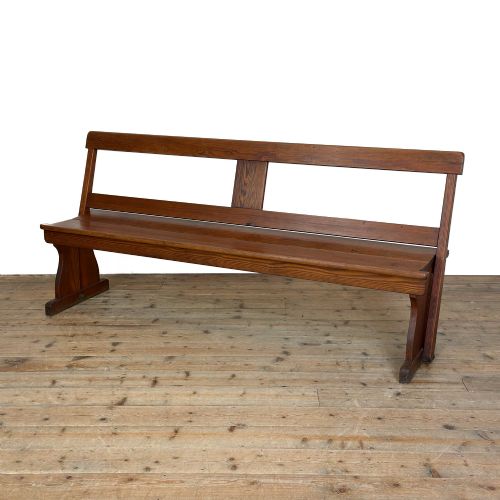
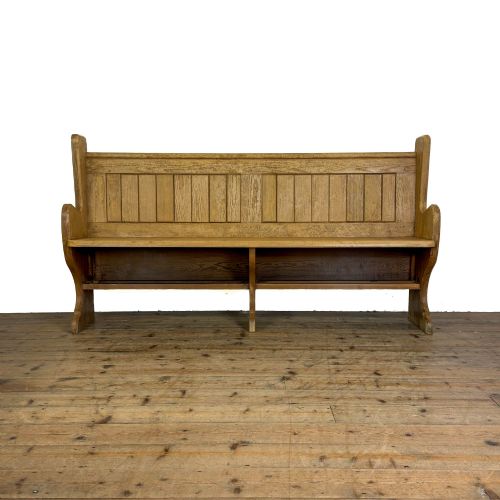
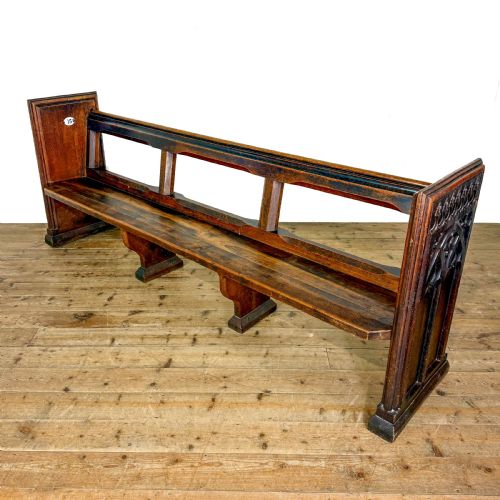
Buyers searching for antique chapel seating find utilitarian church furniture, including pews, benches, throne chairs, and organist stools. These pieces originate from ecclesiastical spaces, domestic chapels, and cathedrals, spanning eras from the Georgian period through the Edwardian years.
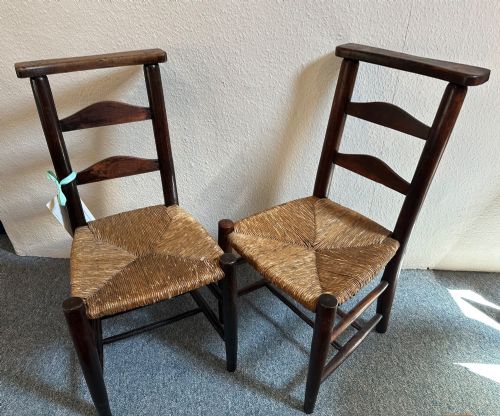
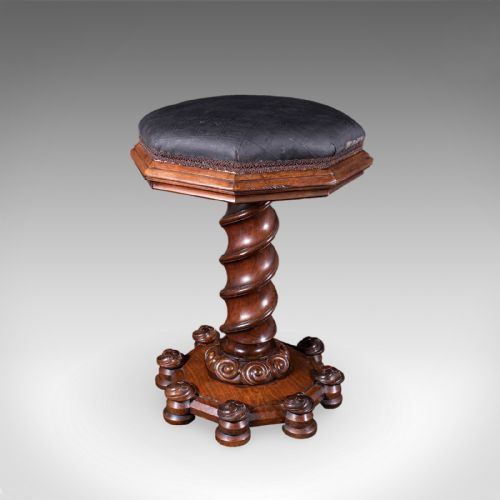
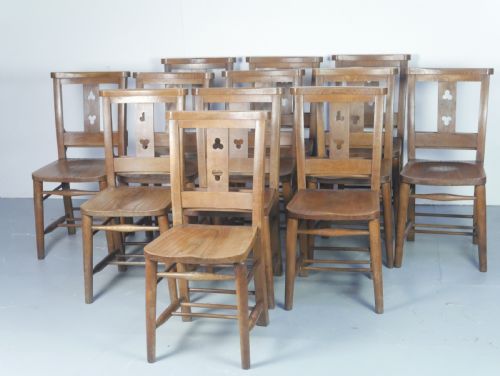
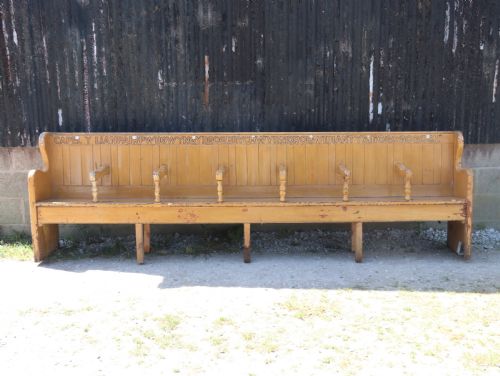
The inventory on this page leans heavily toward nineteenth-century pine pews and oak church chairs. Alongside large benches, one encounters specific forms like music stools and side chairs tied to ecclesiastical use.
Origin details range from Scottish workshops to specific commissions, such as seating marked for St Paul's Cathedral or Welsh chapels. The forms remain rooted in communal worship, scaled down or used directly in large residential hallways and kitchens.
How these pieces were made
Makers relied on durable native timbers, predominantly solid pine and sturdy oak, supplemented by walnut for finer musical and throne seating. Construction methods prioritized longevity under heavy daily use, employing thick boards and pegged joints rather than delicate adhesives.
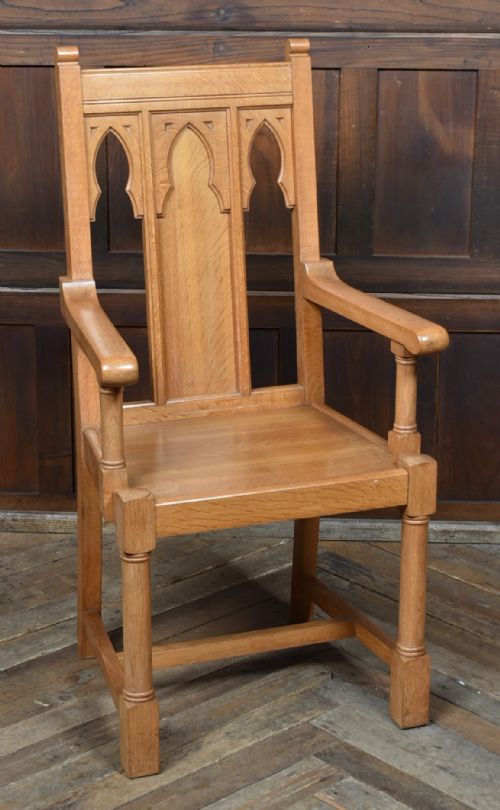
Surface finishes include simple painted pine, waxed grain, and exposed wood showing decades of handling. Detail work incorporates Gothic Revival tracery, carved armrests, and occasional leather or rush inserts.
Listings feature pine and oak as primary materials, spanning the Georgian, Victorian, and Edwardian periods.
What varies in quality
Quality rests on the integrity of the original timber and the presence of authentic ecclesiastical provenance, such as cathedral or chapel markings. Pieces retaining their structural heft and untouched surface patination stand apart from heavily restored examples.
The Antique Chapel Seating Glossary
- Pew
- A long bench with a back and seating, designed for communal congregations in churches and chapels. These were typically constructed from solid pine or oak.
- Gothic Revival
- An architectural and decorative style popular during the nineteenth century, drawing inspiration from medieval forms. It appears on church chairs through pointed arch motifs and tracery.
- Music Riser
- An adjustable or elevated component found on specialist seating like organist stools. This allowed musicians to alter their height during performances.
- Throne Chair
- An imposing, high-backed ceremonial seat often reserved for dignitaries or clergy. They feature superior carving and heavier proportions than standard side chairs.
Antique Chapel Seating: Frequently Asked Questions
What fits under antique chapel seating?
The category encompasses solid pine pews, oak church benches, cathedral chairs, and specialist items like organist stools and throne chairs.
These objects originate from ecclesiastical contexts, spanning Georgian, Victorian, and Edwardian eras.
How were these pews originally used?
Pews and benches provided communal seating for congregations during services in churches, cathedrals, and estate chapels.
Specialist seating served specific roles, such as choir stalls for singers or adjustable stools for church organists.
How do I live with church pews?
Large pews require significant wall space and suit long hallways, large kitchens, or dining tables as alternative seating.
Their solid timber construction handles daily wear well, though placement should avoid direct heat sources that dry out old wood.
How can I tell the periods apart?
Georgian and William IV pieces often display refined timbers like walnut and formal detailing, while Victorian and Edwardian examples frequently utilise pitch pine and heavy Gothic Revival styling.
Documented markings, such as stamps for specific cathedrals or chapels, help anchor pieces to narrower production windows.