

Victorian Wooden Pew
A victorian wooden pew brings lasting architectural character and solid seating to hallways and large rooms.
Victorian Wooden Pew
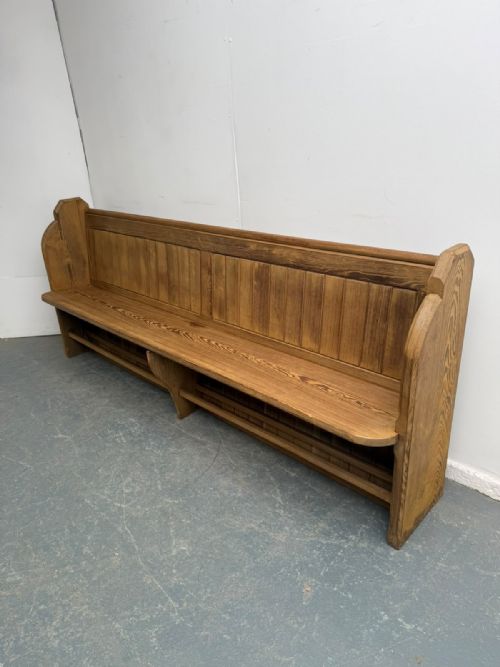
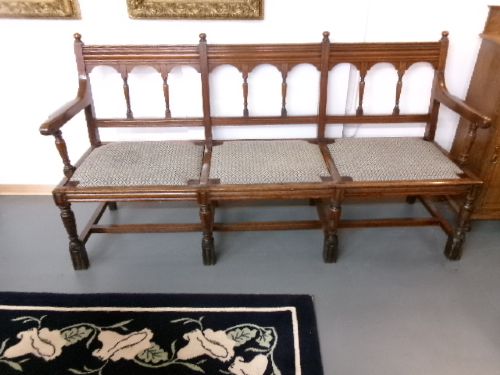
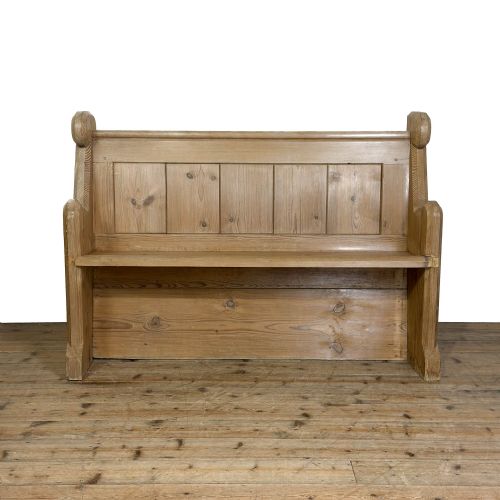
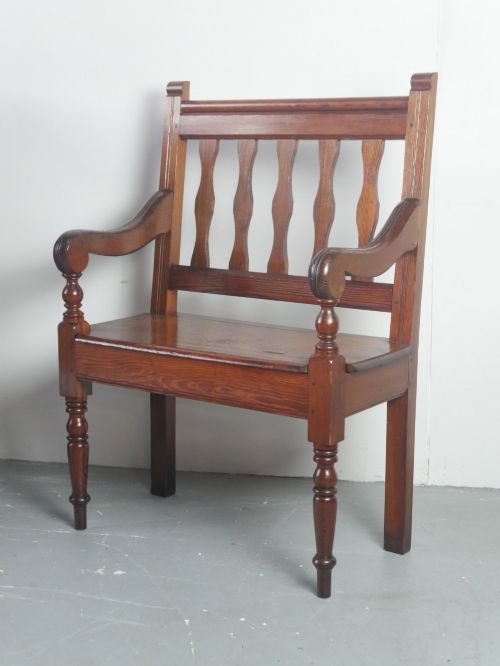
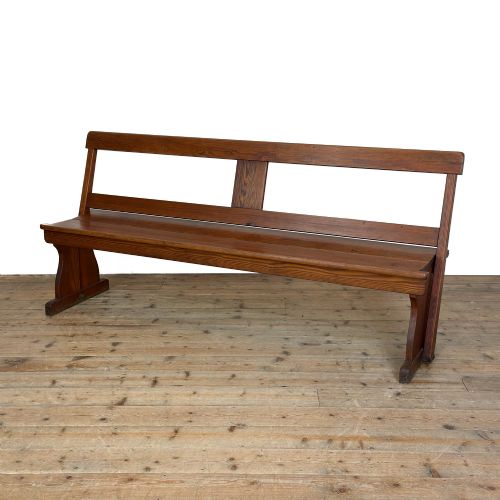
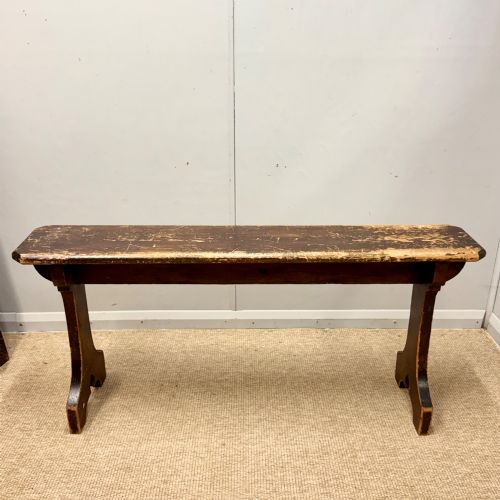
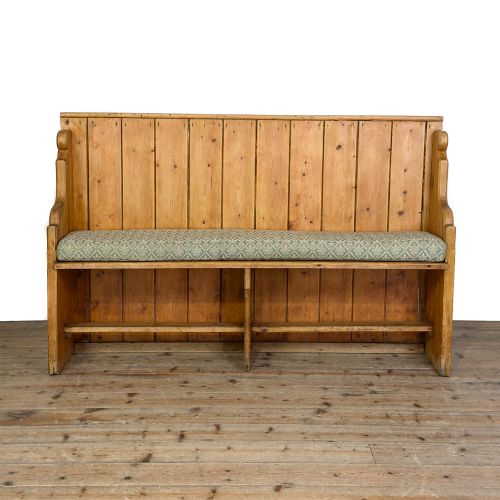
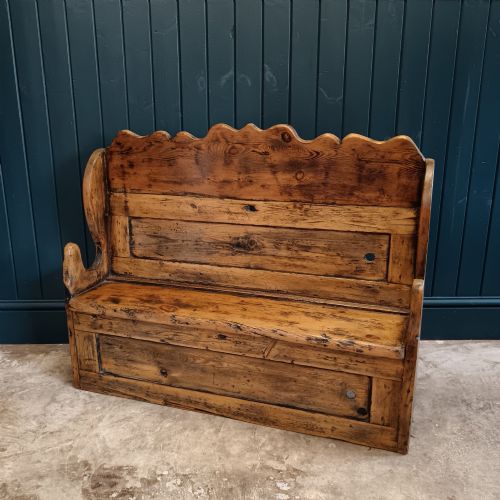
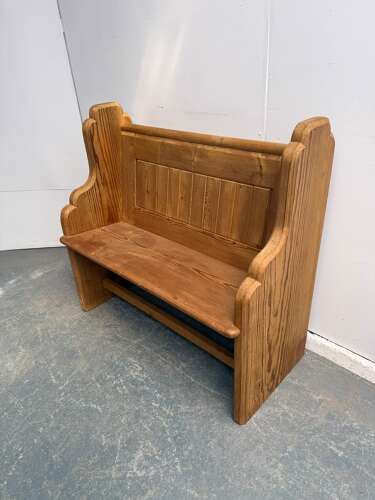
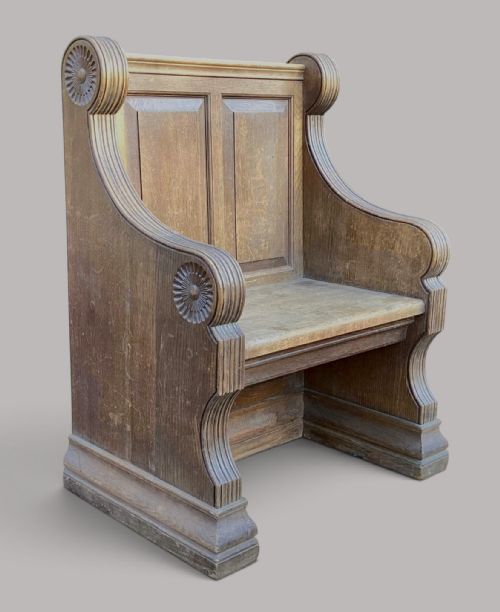
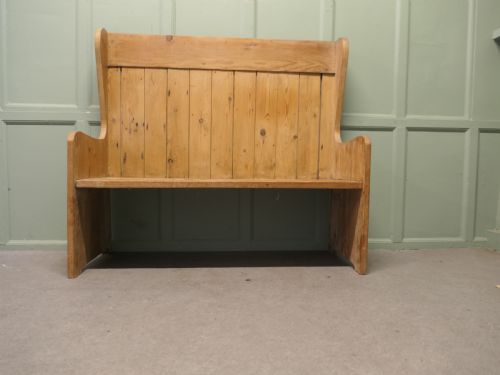
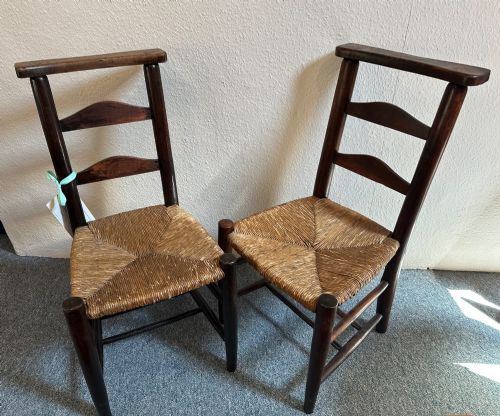
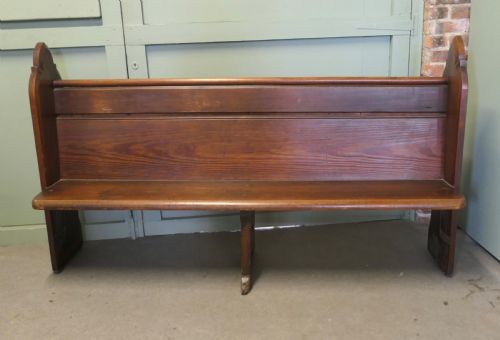
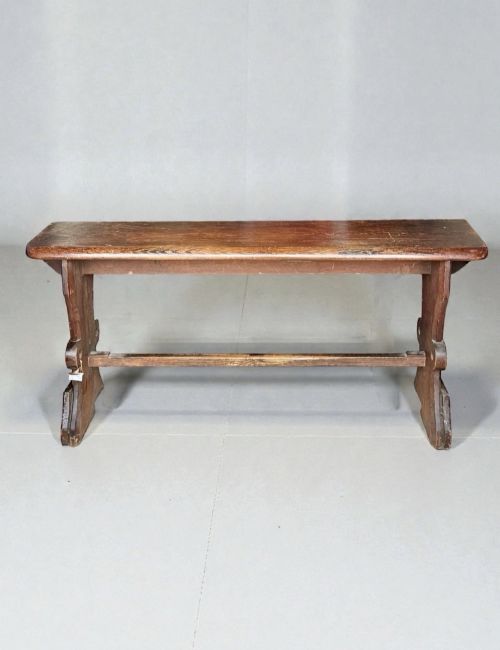
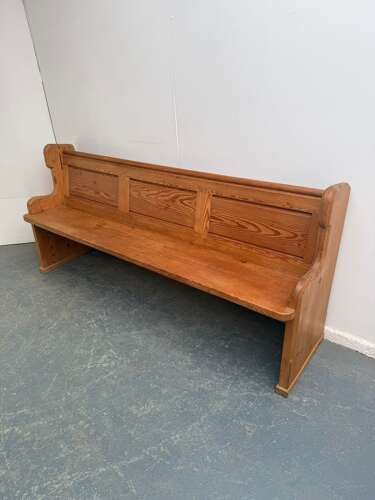
A victorian wooden pew serves as a sturdy seating option originating from churches, chapels, and country houses. These pieces often take the form of long benches, hall seats, or box settles with integrated storage compartments.
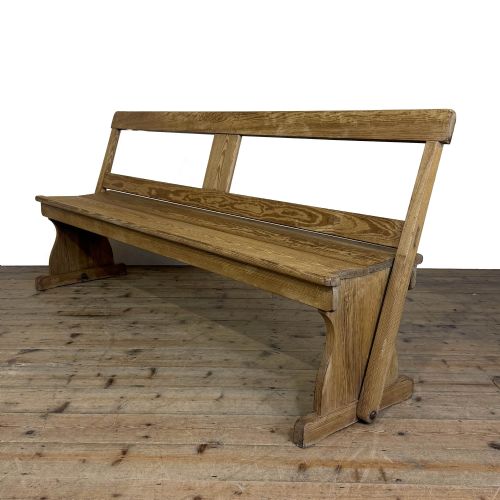
Buyers frequently encounter pine and oak variations, spanning simple rustic farmhouse designs to more formal Gothic revival styles. Many examples display the practical ingenuity of flip-over mechanisms or compact dimensions suited for narrow hallways.
Assessing Quality and Character
The sophistication of the carved detailing and the survival of original painted surfaces or functional hardware dictate the standing of individual pieces within the broader range.
Victorian Wooden Pew Retail Price Guide 2026
Typical asking prices for victorian wooden pew among the pieces listed under this phrase on Sellingantiques today, from the lower quarter to the upper quarter. They describe what is for sale here now, not the wider market.
Listings feature periods spanning the nineteenth century alongside early twentieth-century examples, constructed primarily from pine, oak, elm, and pitch pine.
The Victorian Wooden Pew Glossary
- Settle
- A wooden bench with a high back, solid arms, and often a storage box beneath the seat. This form protected occupants from drafts in domestic and tavern settings.
- Pitch Pine
- A dense, resinous softwood sourced primarily from North America and favored for its durability. It yields a distinctive grain pattern upon finishing.
- Gothic Revival
- An architectural and decorative style drawing inspiration from medieval forms. Pieces display pointed arches, tracery, and heavy framing.
- Flip-Over Bench
- A dual-facing seat featuring a reversible backrest that pivots to alter the direction of seating. This mechanism appeared in railway carriages and institutional spaces.
Victorian Wooden Pew: Frequently Asked Questions
What is a church pew used for at home?
These long benches fit naturally against hallway walls, along dining tables, or in large boot rooms. They provide substantial linear seating while anchoring a room with historic presence.
Their narrow depth allows them to occupy circulation spaces without obstructing movement.
How do I identify a Victorian pew?
Look for construction traits typical of the nineteenth century, including solid timber thicknesses, panelled backs, and traditional jointing methods. Stylistic clues often point toward Gothic revival or plain country vernacular designs.
Many examples carry physical wear patterns and patinas that develop organically over decades of institutional use.
Are these benches comfortable to sit on?
Most examples feature upright wooden backs and solid plank seats designed for formal posture rather than lounging. Adding loose cushions or pads easily softens the surface for extended sitting.
Shorter single-seat variations and settles offer compact alternatives for firesides and smaller alcoves.
What woods are common in these pews?
Pine and oak appear most frequently, supplemented by resilient pitch pine and occasional elm components. Each timber imparts a different weight, grain texture, and visual tone to the piece.
Painted finishes in historic blue or cream tones also occur across domestic and institutional variants.