









Antique Box Bench
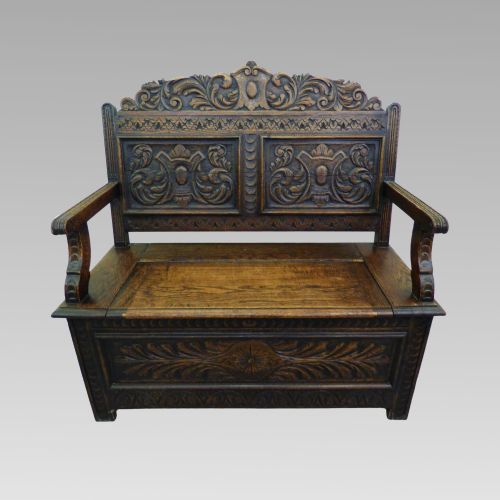
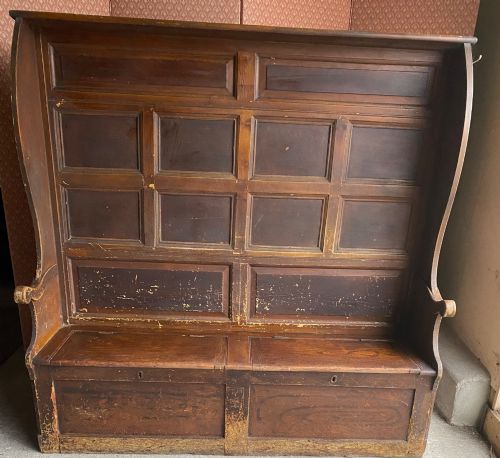
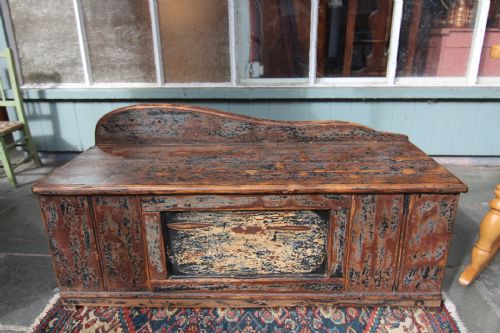
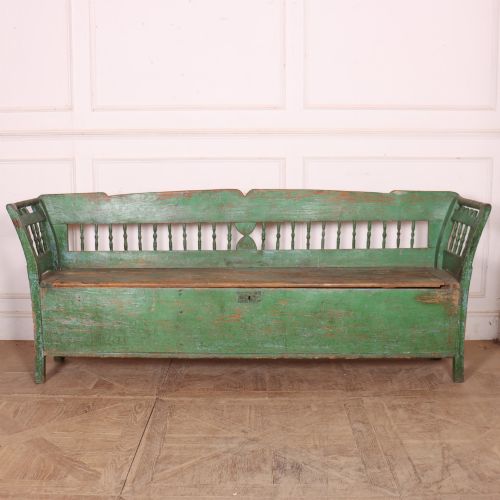
When you search for an antique box bench, you are looking at substantial seating built with integrated storage beneath the lid.
Antique Box Bench
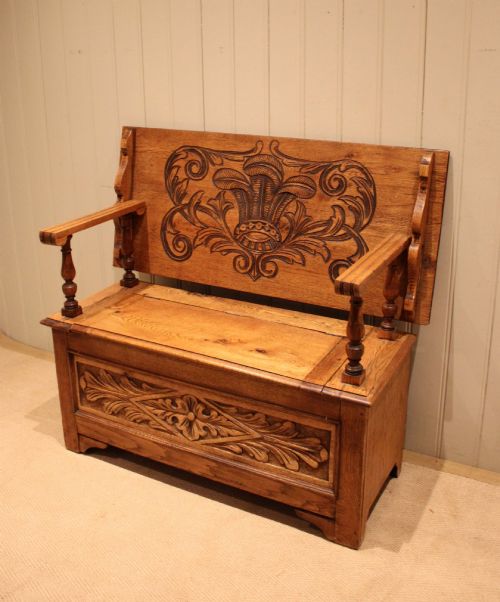
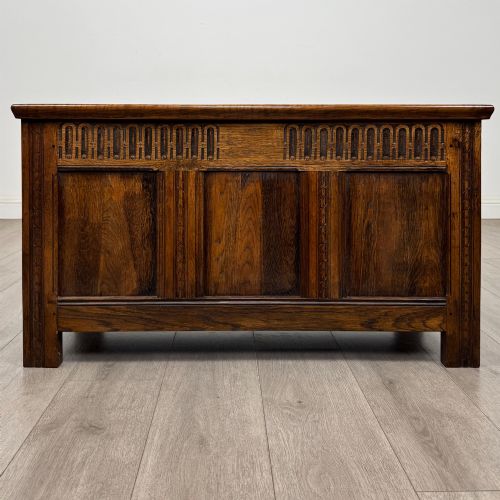
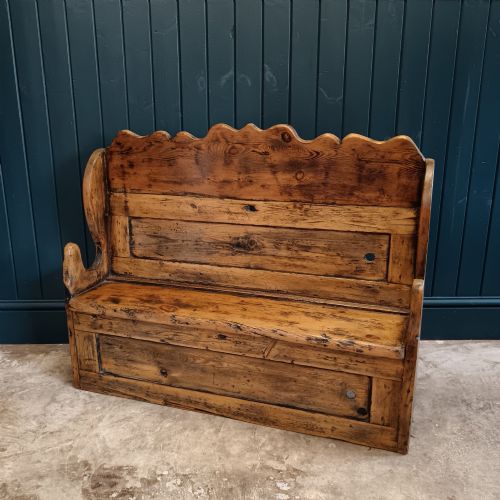
An antique box bench combines a seat with a deep storage compartment, serving utilitarian and seating roles across domestic spaces like halls and kitchens. You encounter variations ranging from high-back oak settles to pine country pieces and elm hallway benches.
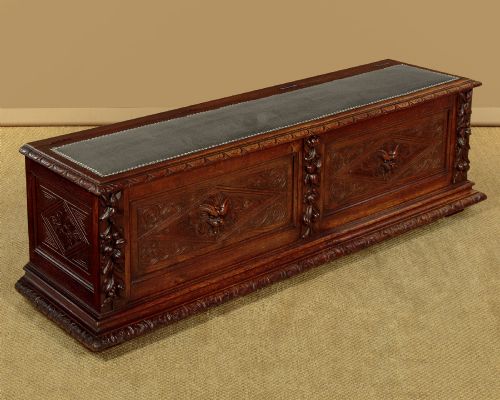
The historical span stretches from the 17th century through the Georgian and Victorian eras into the Edwardian period. Many examples display regional character, including panel-backed forms and imported continental workshop styles.
Formations include monastic convertible styles with fold-over tops alongside simpler lift-up seats. They function equally well as hallway storage units and kitchen seating.
How they were made
Carpenters relied primarily on solid oak, pine, and elm, fastening structural elements with traditional joinery such as mortise and tenon. Iron and brass hinges, brackets, and fittings secured the moving parts of the storage lids.
Surface treatments varied from waxed natural grains to painted finishes in grey, black, or cream. Carved ornamentation appeared on back panels and armrests, utilising hand tools to create geometric and floral motifs.
Antique Box Bench Retail Price Guide 2026
Typical asking prices for box bench among the pieces listed under this phrase on Sellingantiques today, from the lower quarter to the upper quarter. They describe what is for sale here now, not the wider market.
Listings feature oak, pine, and elm examples spanning the 17th century through the Edwardian era.
What varies in quality
The grade of timber selection and the integrity of the original joints dictate structural longevity. Heavy oak timbers with clean, hand-cut joinery represent more skilled craftsmanship than later, lighter constructions.
The preservation of original surface finishes, whether early paint or waxed patination, impacts the character of the piece. Retaining original iron or brass hardware without later replacement parts elevates the integrity of the bench.
James Shoolbred & Co.
The Antique Box Bench Glossary
- Settle
- A wooden bench featuring a high back to block draughts, often paired with enclosed storage beneath the seat. This form became a staple in farmhouse kitchens and entrance halls.
- Monks Bench
- A convertible piece of furniture featuring a hinged back that folds down over the arms to form a table top. It incorporates a box compartment beneath the seat for domestic storage.
- Cassapanca
- An Italian chest-bench combining a panelled back and arms with a deep chest base. These items typically utilise walnut or painted woods.
- Panelling
- Framework constructed from fitted stiles and rails surrounding thin wooden panels. This technique allowed timber to expand and contract without splitting the main structure.
- Parnassian
- An obsolete term occasionally found in older records denoting high literary or artistic standing, though irrelevant to basic carpentry.
Antique Box Bench: Frequently Asked Questions
What is an antique box bench used for?
These dual-purpose items served as primary seating and practical storage chests for blankets, dry goods, or garments in communal rooms. Households placed them near hearths or in entranceways to keep living spaces tidy and block cold draughts.
Today, they function effectively in modern hallways or kitchens to conceal clutter while providing durable everyday seating.
How do I date an oak box bench?
Dating relies on examining the construction methods, tool marks, and style of the woodwork. Early pieces from the 17th and 18th centuries feature hand-riven boards, pegged joints, and simple panel-back designs.
Later Victorian and Edwardian examples often incorporate machine-sawn timber, factory-made hinges, and heavier machine-carved decorative motifs.
How do I care for a waxed wooden bench?
Maintain the finish by applying a quality beeswax sparingly and buffing it with a soft cloth to nourish the dry timber. Avoid placing the wood near direct heat sources or in strong sunlight, which can cause the old boards to warp or split.
Dust the carved crevices regularly using a soft brush to prevent dirt accumulation in the recessed grain.