



Swedish Folk Art
These pieces of swedish folk art bring domestic utility and rural craftsmanship into modern rooms.
Swedish Folk Art
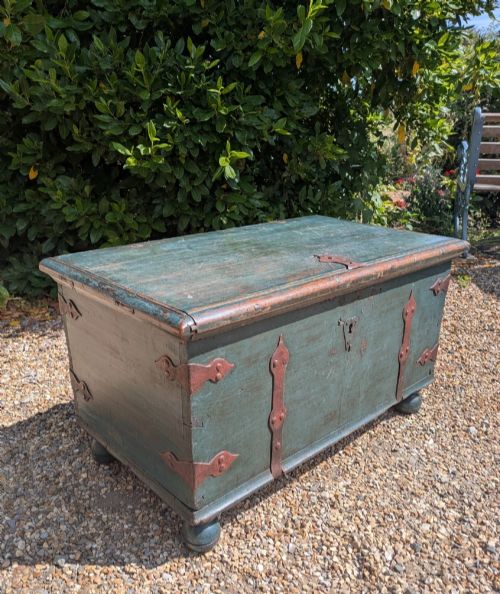
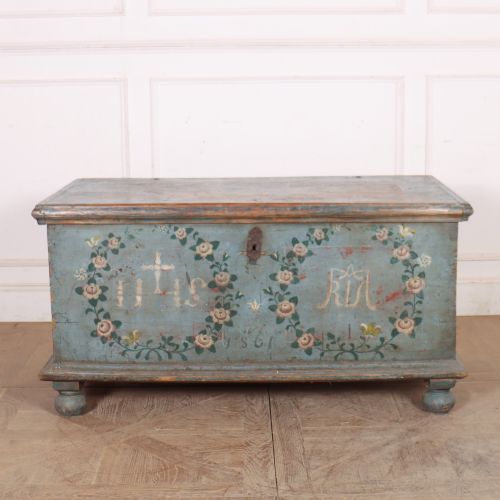
When you search for swedish folk art, you encounter utilitarian objects shaped by rural craftspeople during the eighteenth and nineteenth centuries. The selection centres on storage forms, including painted pine chests, marriage trunks, small boxes, and wall cupboards.
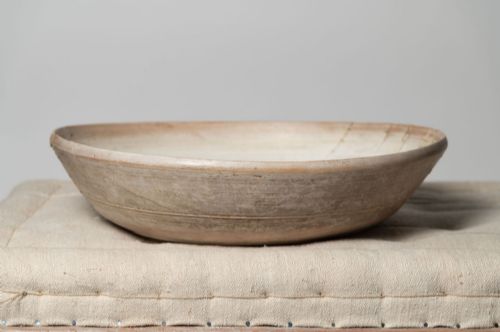
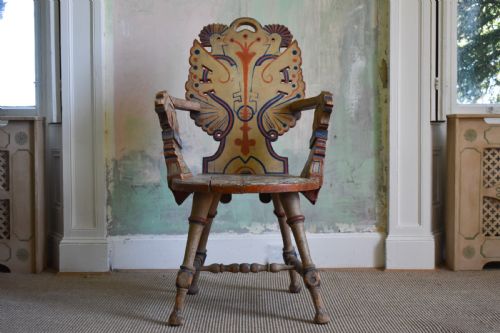
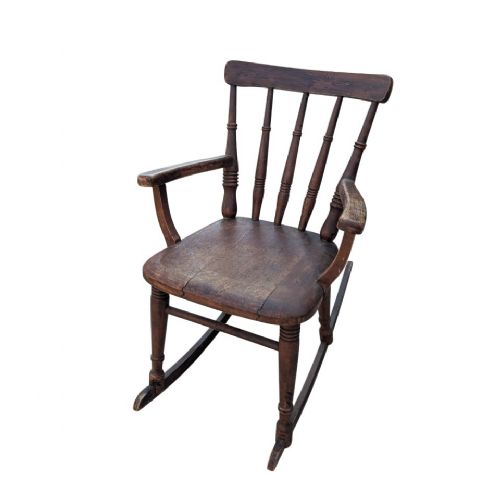
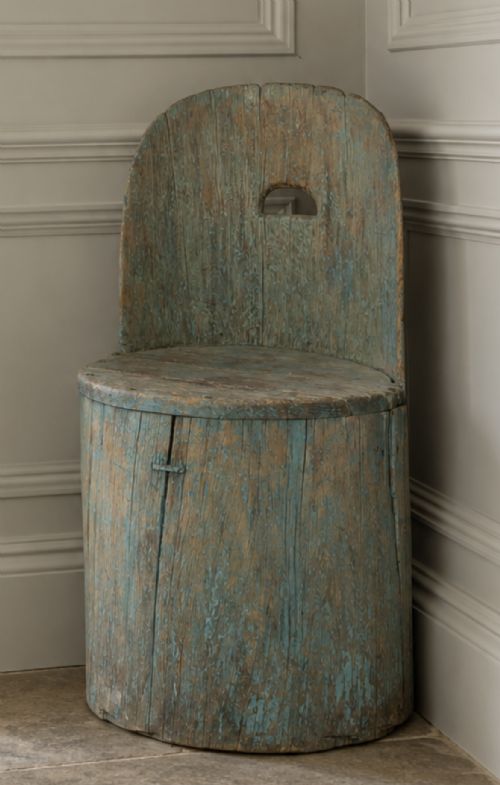
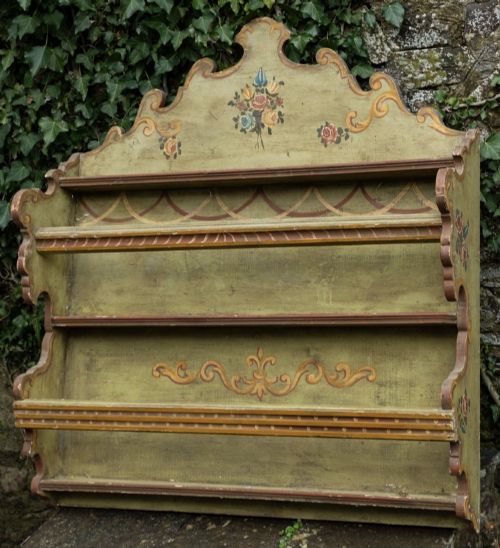
Seating also appears through armchairs, children's rocking chairs, and dug out chairs alongside smaller household items like dairy bowls, spoons, and wall shelves. Pieces originate predominantly from nineteenth-century rural workshops, with eighteenth-century examples appearing less frequently.
The aesthetic bridges Scandinavian country traditions and formal Gustavian influences, uniting domestic necessity with painted decoration.
How they were made
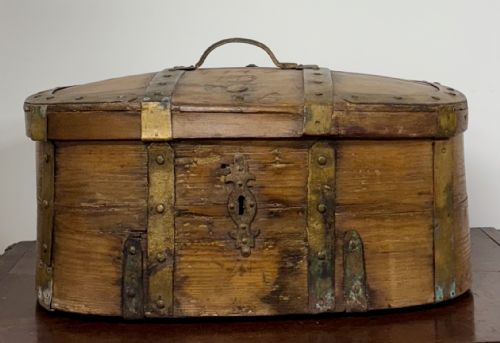
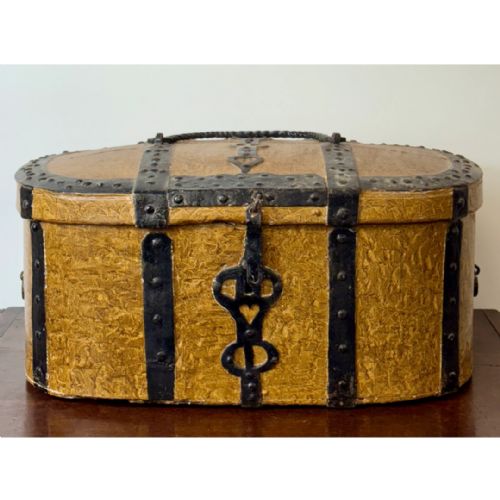
Makers relied on native softwoods and hardwoods, primarily pine and birch, shaped into storage vessels, furniture, and household implements. Iron and wrought iron supplied necessary structural reinforcement through hand-forged strapwork on chests and strong boxes.
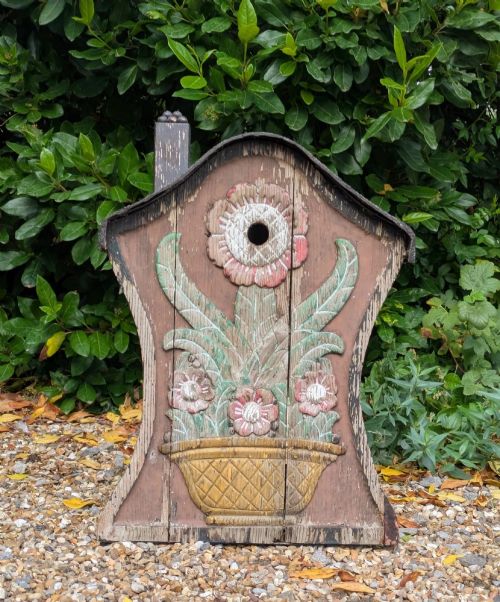
Surfaces received decorative treatments using oil or distemper paint, often applied by hand to pine boards, bentwood, and wood splint. Engraving and hand-weaving techniques completed smaller domestic items such as spoons and baskets.
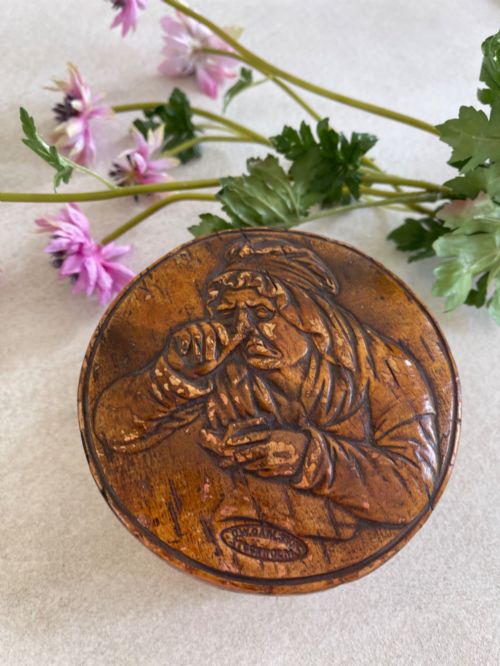
A table snuff box captures women taking snuff in nineteenth-century society.
What varies in quality
Quality rests upon the preservation of original painted surfaces and the integrity of the underlying timber construction. Pieces retaining their initial pigment without modern repainting hold greater visual and historical coherence.
Proportion and the restraint of hand-forged ironwork or painted motifs separate exceptional rural items from basic utilitarian containers. The balance between domestic function and decorative expression dictates the standing of each item.
GEMLA FABRIKERS
The Swedish Folk Art Glossary
- Marriage chest
- A large storage box commissioned for a wedding, often inscribed with initials or dates and decorated with painted motifs. These pieces functioned as dowry containers in rural households.
- Strong box
- A heavy timber storage chest secured with robust iron strapwork and locks. They protected valuables and documents within domestic interiors.
- Dairy bowl
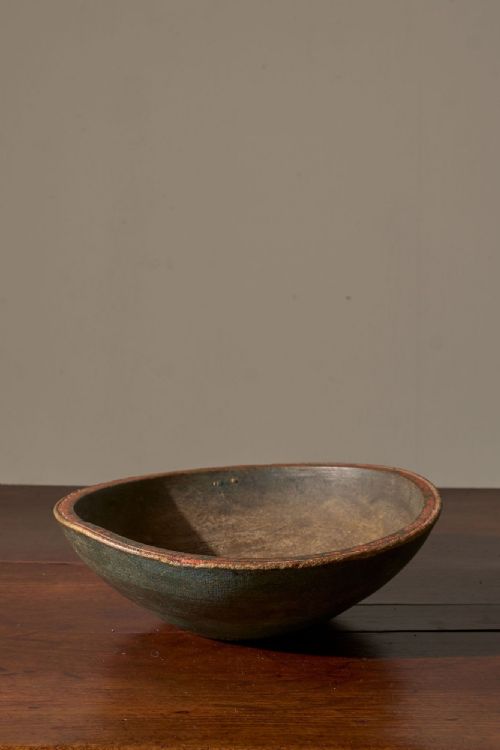
- An open wooden vessel utilised for setting milk and separating cream in rural homesteads. These turned or carved bowls display simple, functional curves.
- Bentwood
- Wood softened by heat and moisture, then bent to form rounded shapes such as small boxes and brides boxes. This technique allowed makers to construct seamless circular containers from thin strips.
- Coffer
- A deep wooden chest with a lid, used primarily for household storage before fitted wardrobes became common. They form a staple category within Scandinavian country furniture.
Swedish Folk Art: Frequently Asked Questions
How were marriage chests used?
Marriage chests served as dowry containers where brides stored textiles, linen, and personal valuables before moving to a new household.
Families often commissioned these pieces to mark weddings, decorating them with names, dates, and symbolic painted motifs.
What woods are common?
Pine and birch dominate the construction of these items, selected for availability and workability in Scandinavian forests.
Makers also utilised wrought iron for functional reinforcement and hinges on heavy storage boxes.
How do I identify original paint?
Original painted surfaces show natural wear, mellowed patination, and multiple thin layers applied directly to the timber substrate.
Inspection under magnification often reveals the absence of modern synthetic primers beneath the surface pigments.
Where did these pieces originate?
Rural communities across Sweden produced these objects for domestic utility, storage, and agricultural life.
Craftspeople worked regionally, adapting traditional Scandinavian country forms to local materials and needs.