

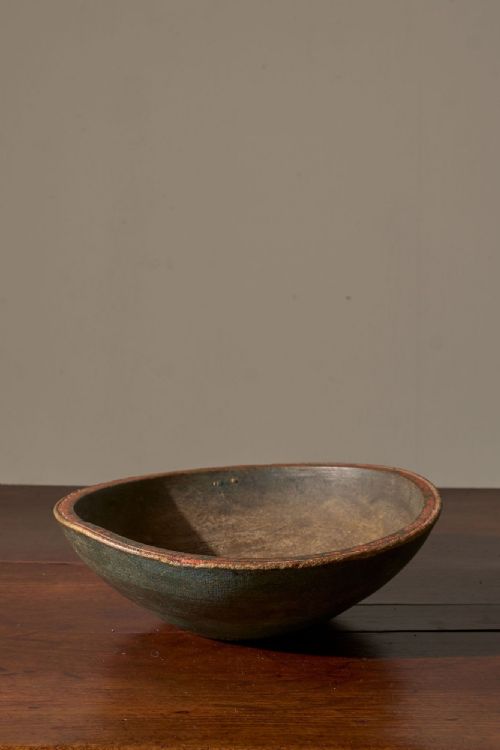


Vintage Scandinavian Folk Art
When you seek vintage scandinavian folk art, you discover hand-painted pine chests, utilitarian bowls, and rustic cupboards shaped by centuries of rural craftsmanship.
Vintage Scandinavian Folk Art
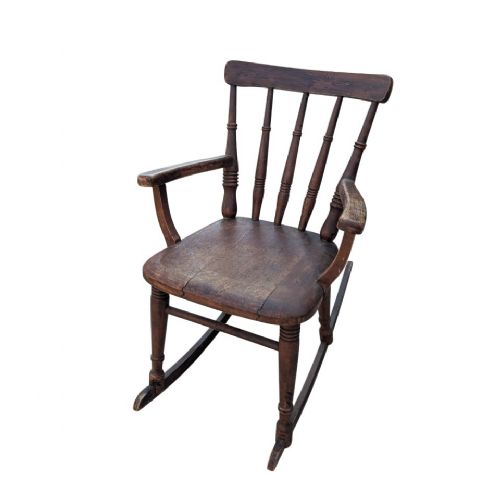
You are most likely to encounter painted pine boxes and larger storage chests spanning the eighteenth and nineteenth centuries. Alongside these containers, items such as rocking chairs, tables, and hand-woven baskets appear frequently across the current selection.
The aesthetic bridges utilitarian function with decorative tradition, often featuring original painted surfaces. Rural makers applied pigments to pine, birch, and other regional timbers to brighten domestic interiors during long winters.
Materials and methods of construction
Pine and birch form the primary structural timbers for these objects, shaped by local joiners using traditional hand tools. Makers selected softwood planks for domestic furniture and storage pieces, occasionally incorporating hardwood elements where extra strength proved necessary.
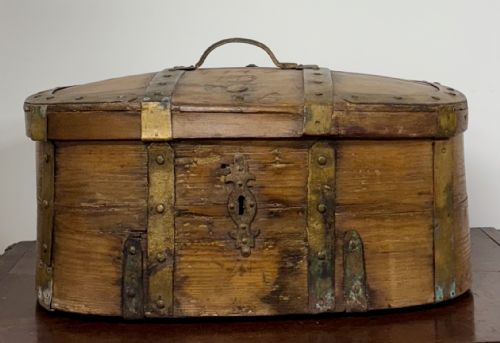
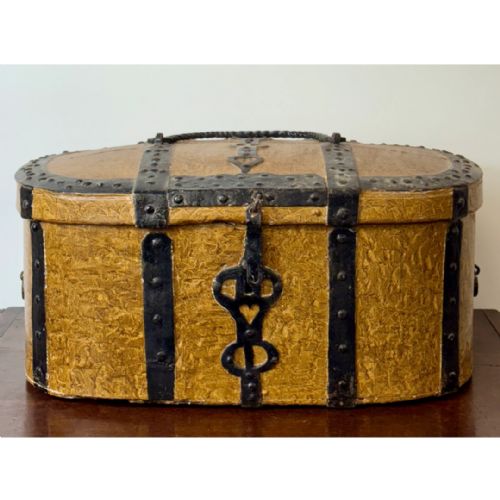
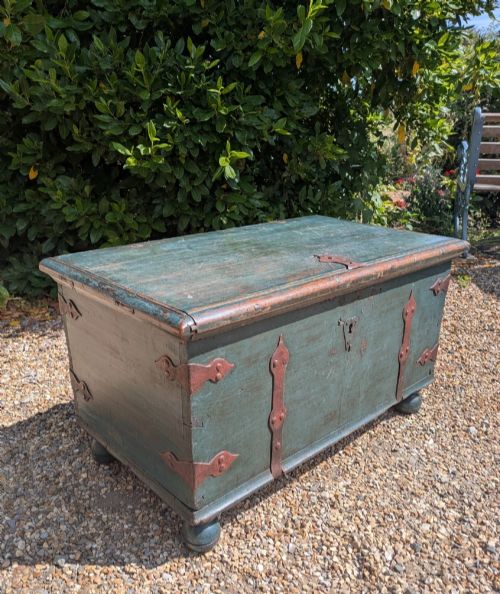
Iron strapwork and hand-forged hardware reinforce chests, strong boxes, and trunks, combining practical durability with visual detail. Blacksmiths produced hinges, latches, and corner brackets that secured heavy pine lids and doors.
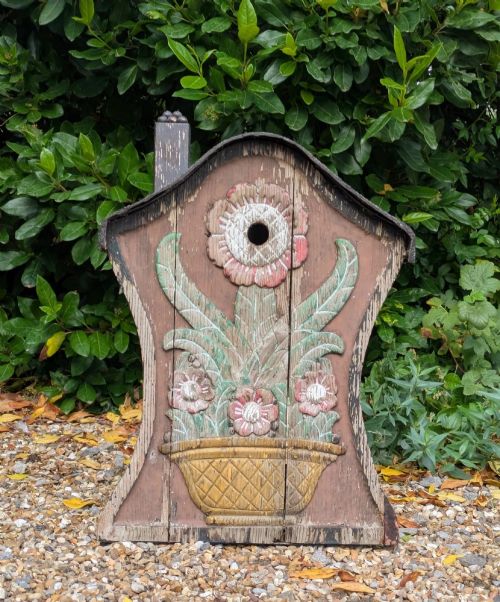
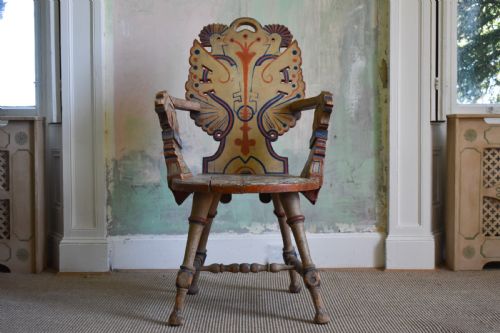
Painted finishes frequently define the exterior of these pieces, applied over plain wood using oil or milk-based paints. Artisans decorated surfaces with hand-painted motifs, leaving many items in original painted condition.
An anonymous Swedish maker once carved a small bird into a pine box lid, hoping to cheer up a grey morning.
Judging quality in folk art
The integrity of the original surface paint heavily dictates the character and desirability of a piece. Retaining untouched historical pigment without extensive modern overpainting distinguishes a superior example from one with compromised finish.
Structural honesty and the cleverness of vernacular joinery reveal the hand of a skilled rural maker. Well-executed dovetail joints, hand-forged iron strapwork that matches the period, and balanced proportions elevate utilitarian items into true folk art.
Gemla Fabrikers
The Vintage Scandinavian Folk Art Glossary
- Folk art
- Utilitarian objects created by rural artisans using traditional local methods rather than academic design. These pieces combine practical utility with vernacular decorative styles.
- Strong box
- A heavy storage chest or box reinforced with iron strapwork and secured with a substantial lock. Such containers safeguarded valuables and documents in rural homes.
- Gustavian
- The Swedish neoclassical style popularized during the reign of King Gustav III, characterised by restrained carving and pale painted finishes. It influenced Scandinavian furniture design well into the nineteenth century.
- Rya
- A traditional Scandinavian knotted pile rug historically utilised for warmth during cold winters. Early twentieth-century examples often display geometric or traditional abstract textile patterns.
Vintage Scandinavian Folk Art: Frequently Asked Questions
How were these wooden boxes used?
Rural households utilised painted pine boxes, strong boxes, and trunks for storing textiles, grain, and personal valuables. Their sturdy construction protected contents from dampness and pests in unheated farmhouses.
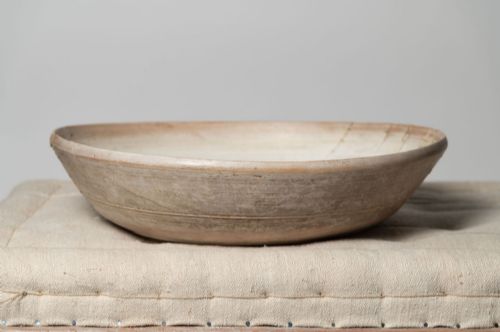
Smaller oval boxes and dairy bowls held food or household provisions, while larger coffers travelled with families or stored seasonal belongings.
How do I live with folk art furniture?
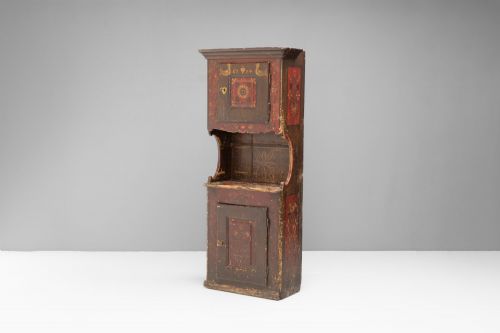
Folk art pieces bring warmth and texture into contemporary interiors through their weathered painted surfaces and honest joinery. A small painted cupboard or storage box works effectively as an accent piece in a modern hallway or living room.
Keeping these items away from direct heat sources and strong sunlight helps preserve fragile historical paint finishes and dry pine timbers.
How can I tell the age of these pieces?
Dating relies on examining construction techniques, such as hand-cut dovetails, forged iron hardware, and the composition of underlying timber. Eighteenth-century examples often show distinct hand-tool marks and simpler joinery compared to later nineteenth-century items.
Original paint layers and patination also provide clues, as older pigment mixtures wear down naturally through centuries of handling and cleaning.