




Blue Bench
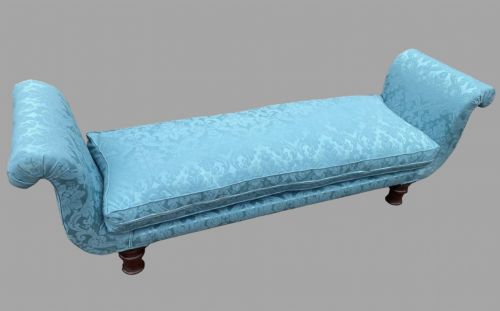
A blue antique bench brings colour and history to a room, offering practical seating shaped by nineteenth-century craft.
Blue Bench
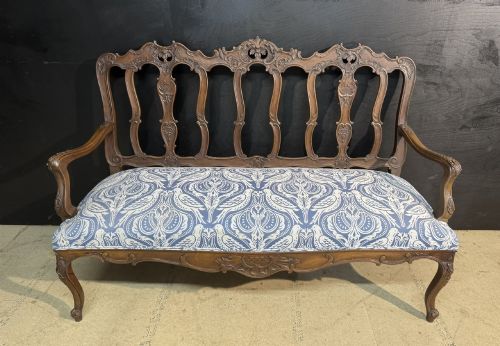
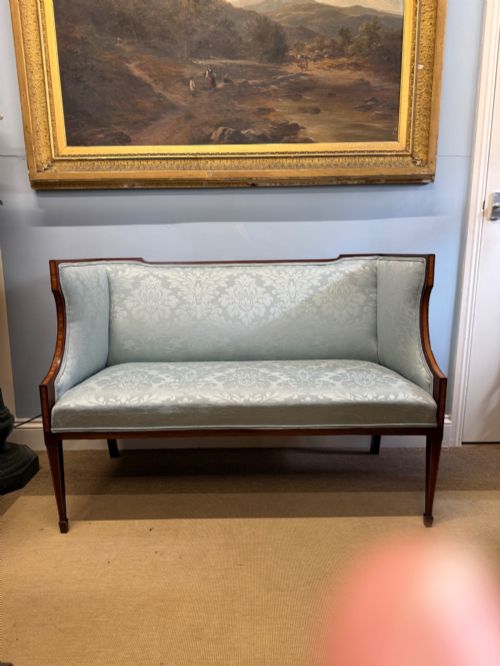
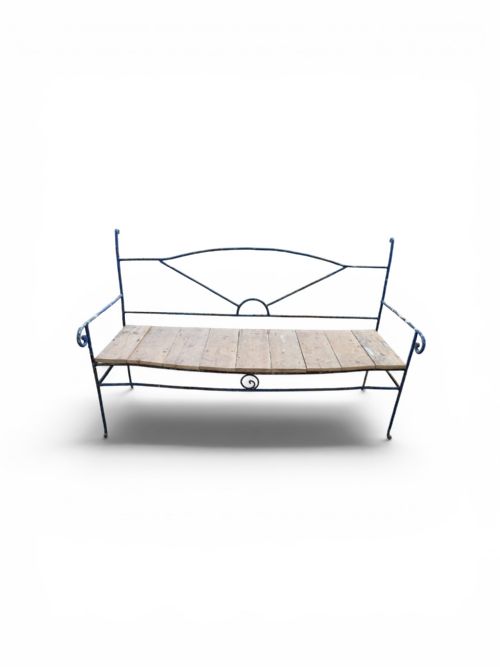
A blue antique bench encompasses a range of seating forms, most notably painted pine settles from nineteenth-century Hungary and Sweden alongside refined walnut and mahogany settees. These pieces vary from rustic country seating with storage boxes to formal French and English designs.
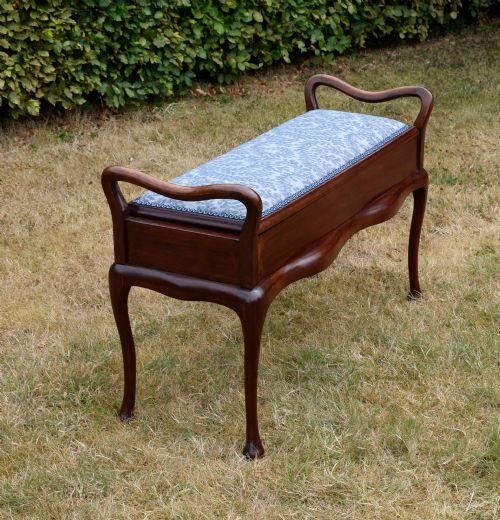
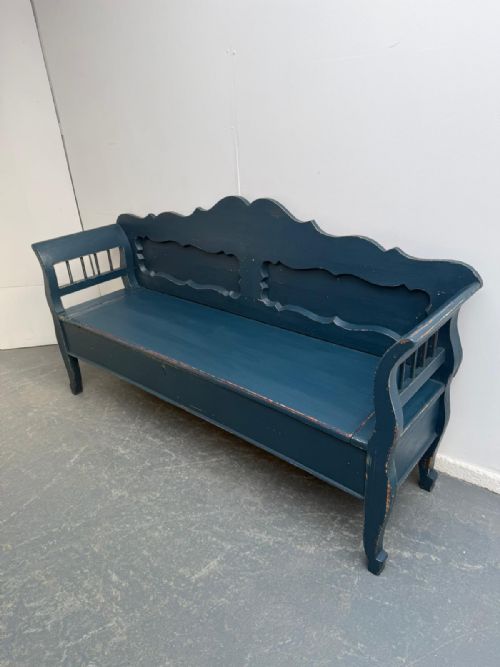
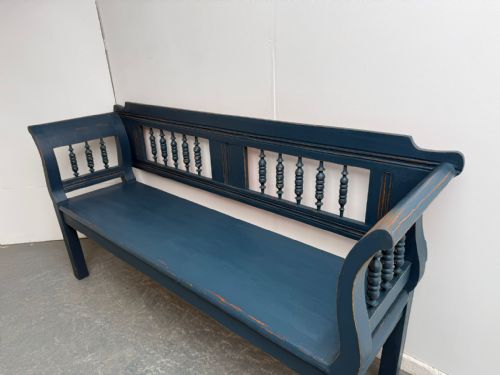
The version you are most likely to meet on this page is the painted pine bench, often originating from Hungarian or Scandinavian workshops with original blue surfaces. Alongside these, nineteenth-century Victorian and Edwardian upholstered sofas and window seats appear in various woods.
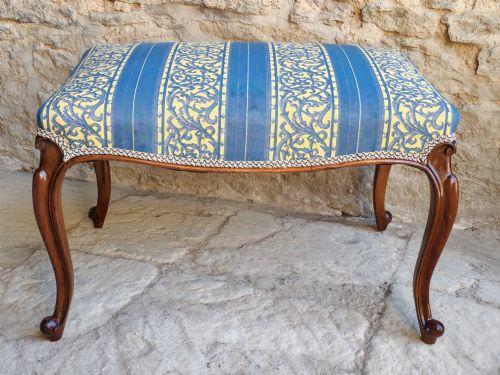
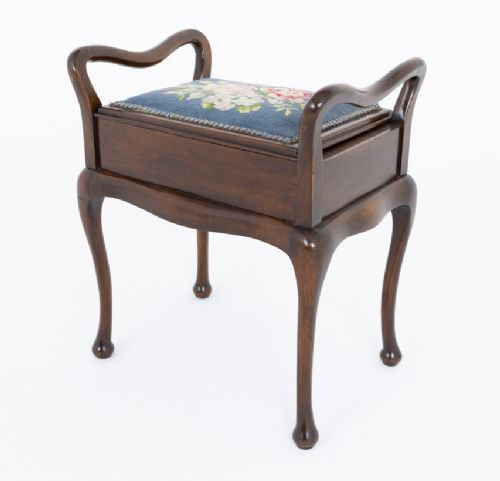
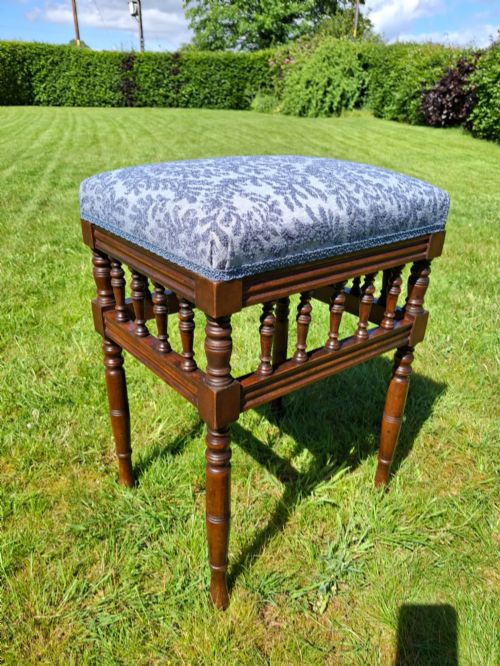
The category also stretches to piano stools, footstools, and daybeds, reflecting how diverse domestic seating from the eighteen-hundreds and early nineteen-hundreds was grouped under similar functional headings.
Materials and construction methods
Makers utilised solid timbers such as pine, walnut, and mahogany, constructing frames with traditional joinery like dovetails and mortise and tenon joints. Painted surfaces on country pieces relied on layered mineral or milk paints applied directly to softwoods.
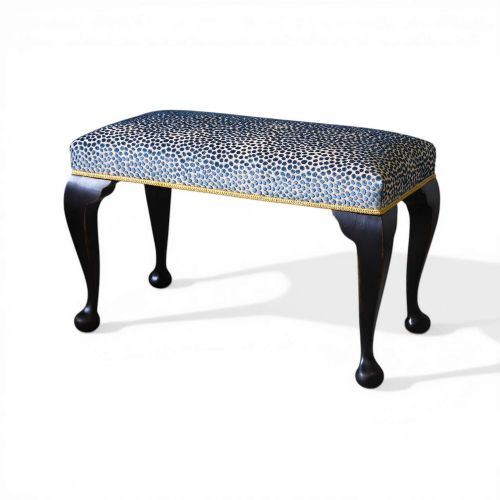
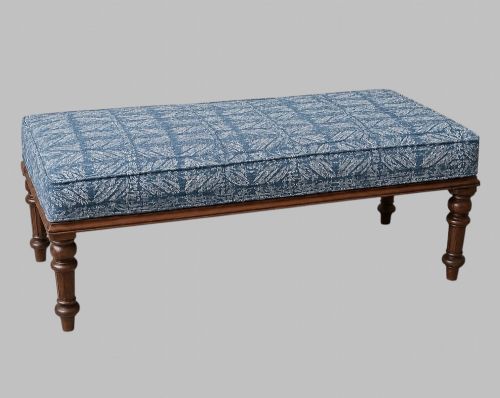
Upholstered variations employed traditional stuffing materials paired with fabrics ranging from plain velvet to patterned needlepoint. Frames often featured hand-carved detailing, turned legs, or ebonised finishes depending on the prevailing style.
European folk art pieces combined simple carpentry with decorative hand painting, while formal sofas utilised polished hardwoods and cane panels for lighter structural elements.
One listed settee carries a literary connection to Daphne Du Maurier's Rebecca.
Assessing quality and authenticity
Quality rests in the survival of original painted surfaces rather than later repainting, particularly on country pine settles where untouched pigment retains historical character. The crispness of hand-carved details in walnut and mahogany frames similarly separates standard output from finer workshop productions.
Structural integrity depends on the retention of original joinery and sound timber without excessive replacement parts. Upholstered examples distinguish themselves through the quality of the supporting frame beneath the fabric and the fidelity of period restoration.
The Blue Bench Glossary
- Settle
- A wooden bench featuring a high back to block draughts, often incorporating a hinged seat above a storage box.
- Canapé
- An upholstered French sofa style with an exposed wooden frame, popular during the eighteenth and nineteenth centuries.
- Bergère
- An enclosed armchair or sofa with upholstered sides, typically featuring cane panels within a wooden structure.
- Ottoman
- A low, upholstered seat or stool without arms or a back, frequently designed on a grand scale in rosewood or mahogany.
- Ebonised
- Wood treated with a dark finish to imitate expensive ebony, common on Victorian and Edwardian seating frames.
Blue Bench: Frequently Asked Questions
What is a blue antique bench used for?
These benches serve as functional seating and storage solutions in hallways, living rooms, and bedrooms. Their robust construction allows for daily use while adding a distinct decorative focal point.
Country settles often double as blanket boxes, making them particularly practical for clearing away clutter in smaller spaces.
How do I identify a Hungarian painted bench?
Hungarian painted benches typically feature heavy pine construction with panelled backs and original blue paint finishes. They often show distinct folk art motifs and practical box seating beneath the lift-up lid.
These pieces usually date from the nineteenth century and carry the characteristic wear of rural European domestic life.
Where should I place a window seat?
Window seats fit naturally beneath low windows or at the foot of a bed, echoing traditional nineteenth-century placement. Their compact depth makes them suitable for narrow circulation spaces or empty alcoves.
Ensure the height matches nearby furniture for a balanced interior layout.
How do I care for antique painted wood?
Maintain painted surfaces by dusting gently with a dry, soft cloth and avoiding harsh chemical cleaners. Keep pieces away from direct sunlight and excessive moisture to prevent the historic paint from flaking.
Wax can be applied sparingly to unpainted wooden sections, but painted areas require careful handling to preserve their original patina.