


Georgian Wooden Seat
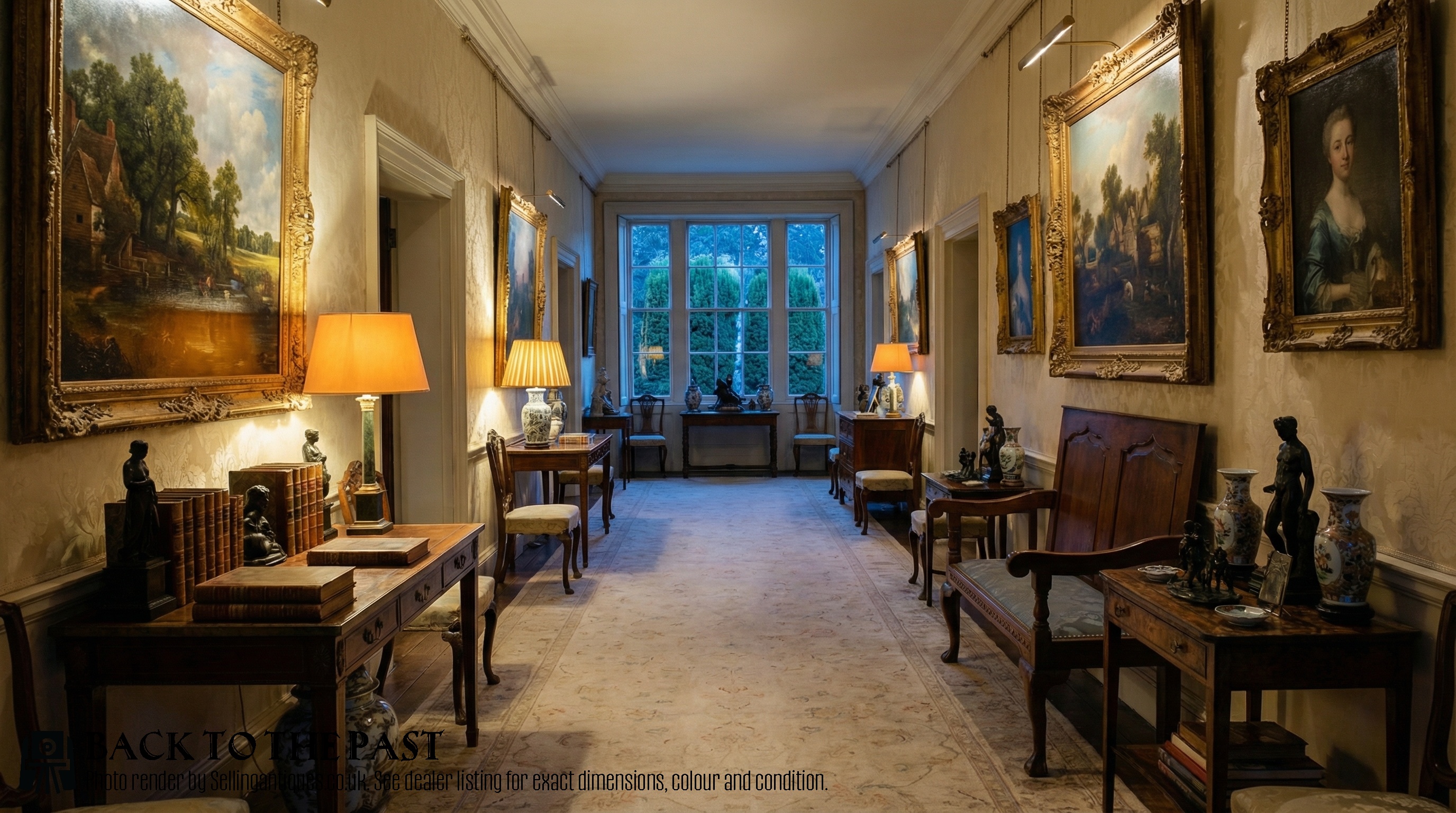
A georgian wooden seat brings domestic history into a room, offering functional seating formed from mahogany, oak, elm, and ash.
Georgian Wooden Seat
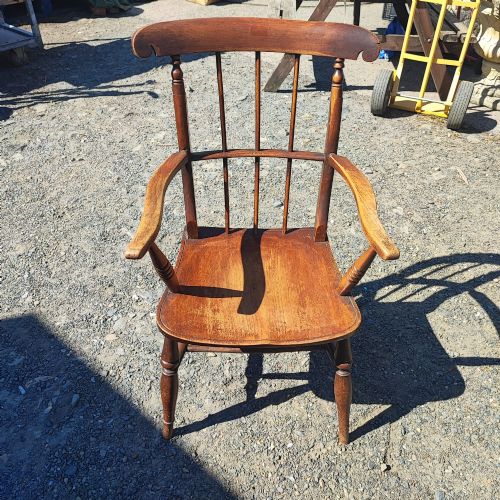
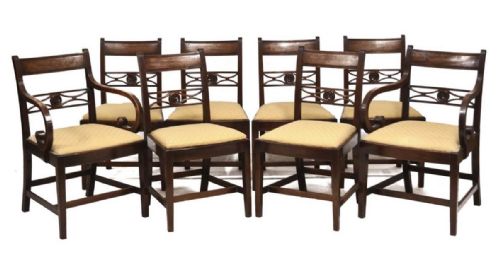
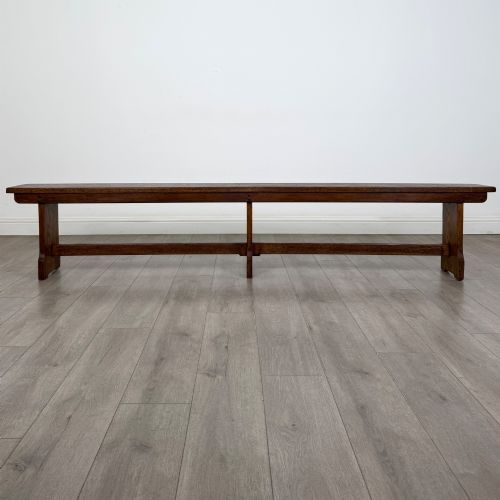
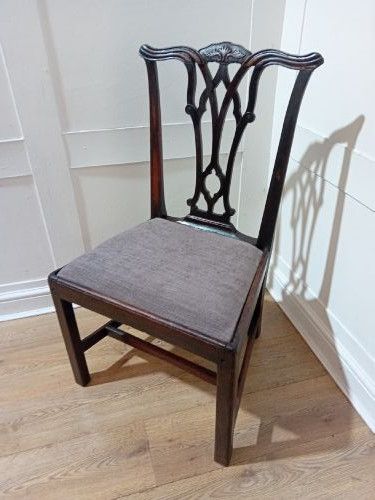
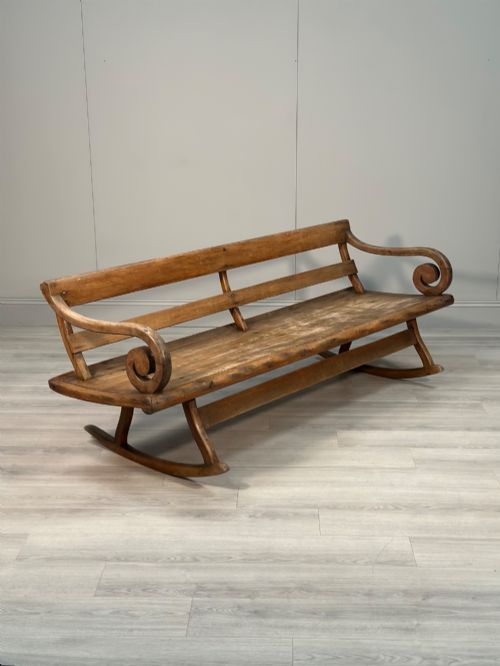
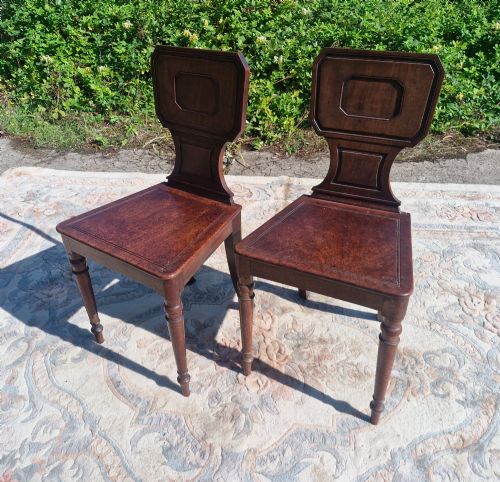
A georgian wooden seat encompasses dining chairs, armchairs, benches, hall chairs, settles, and stools originating across the eighteenth and nineteenth centuries. Buyers encounter formal mahogany seating alongside robust country pieces fashioned from elm, ash, and oak.
The selection ranges from single hall chairs and children's chairs to large dining sets and long tavern benches or box settles. These items reflect both urban cabinet-making and regional rural traditions of the period.
Materials and Construction
Cabinet-makers and country joiners utilised timber such as mahogany, oak, elm, ash, and fruitwood, often combining woods within a single Windsor armchair or country seat. Structural integrity relied on traditional joinery methods suited to solid timber and turned spindles.
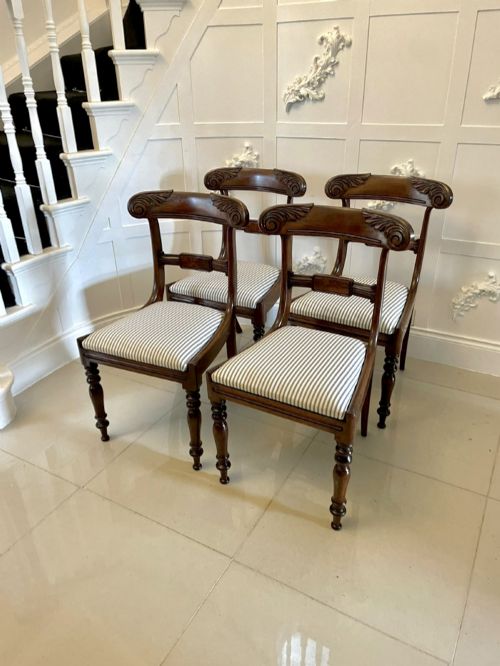
Surface detailing incorporated brass inlay, carved shield backs, ladderbacks, and bar backs, while upholstered variants featured fabric, velvet, and tapestry inserts.
The inventory records formal dining chairs and window seats alongside vernacular forms including box settles, joint stools, and Windsor armchairs.
Craftsmanship and Proportion
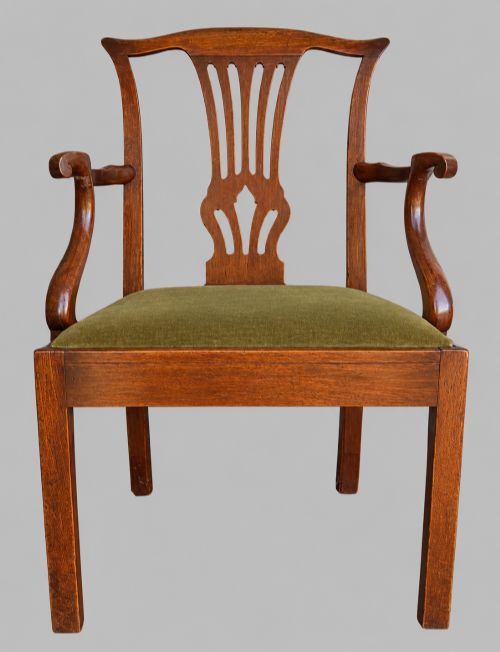
Proportion and timber selection dictate the standard of a georgian wooden seat, distinguishing finely figured mahogany dining chairs from simpler utilitarian benches. The crispness of carved details on Chippendale or Hepplewhite style chairs separates workshop production from standard output.
Surface preservation, original timber patination, and the retention of matching sets influence the character and standing of surviving examples.
The Georgian Wooden Seat Glossary
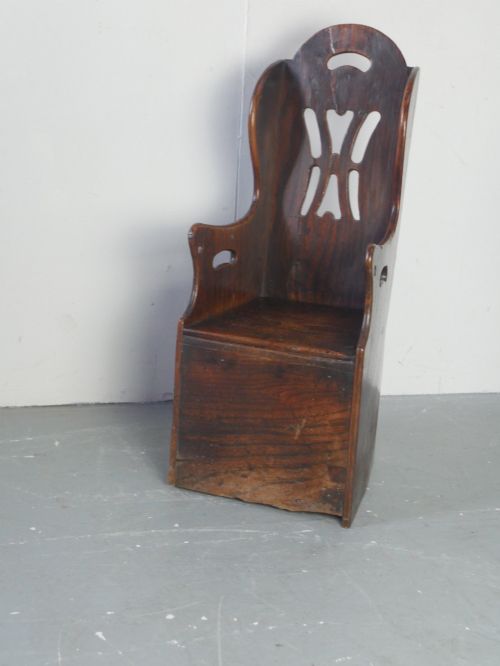
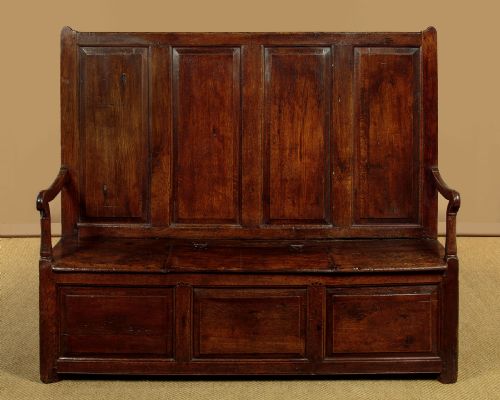
- Box Settle
- A high-backed wooden bench featuring a storage compartment beneath the seat. This form protected occupants from drafts in early domestic interiors.
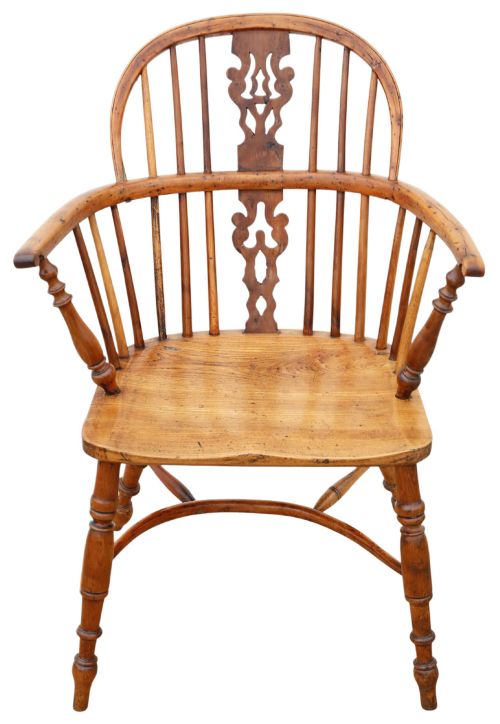
- Windsor Chair
- A wooden armchair constructed with a solid sculpted seat into which the legs and back spindles are wedged. These often combine elm seats with ash or yew superstructures.
- Hall Chair
- A rigid wooden seat designed for placement in hallways rather than long sitting use. They frequently display painted or carved family crests.
- Elbow Chair
- An armchair intended for desk use or as the carver variant within a dining set. They provide low arm supports.
- Joint Stool
- A low wooden stool constructed with mortise and tenon joints using pegs. These pre-date widespread chair usage in common households.
Georgian Wooden Seat: Frequently Asked Questions
How were box settles used?
Box settles served as dual-purpose furniture in early homes, providing seating beside the hearth while enclosing storage space beneath the hinged lid.
The high wooden back acted as a screen to keep out cold draughts from stone floors and uninsulated walls.
Where did hall chairs sit?
Hall chairs stood in entrance halls and vestibules of large houses for servants or visitors waiting briefly.
Because they were intended for short periods of sitting, they lacked upholstery and featured solid wooden seats.
What defines a Windsor chair?
A Windsor chair is built with turned uprights and a bowed back fitted directly into a thick, saddle-shaped wooden seat.
Makers typically paired different timbers, using dense elm for the carved seat and flexible ash or yew for the steam-bent back.
How do I distinguish regional styles?
Regional country pieces rely on locally sourced timbers like elm, ash, and fruitwood rather than imported mahogany.
Urban cabinet-makers adopted stylistic shifts such as Chippendale or Regency designs, while rural joiners maintained traditional vernacular forms.