
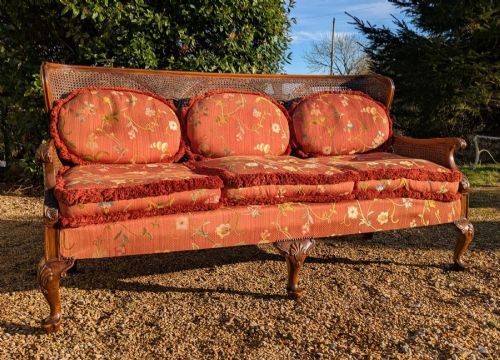
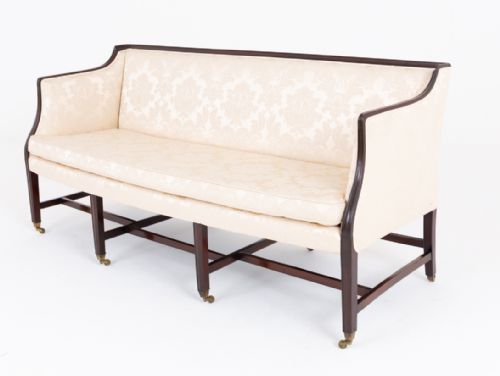

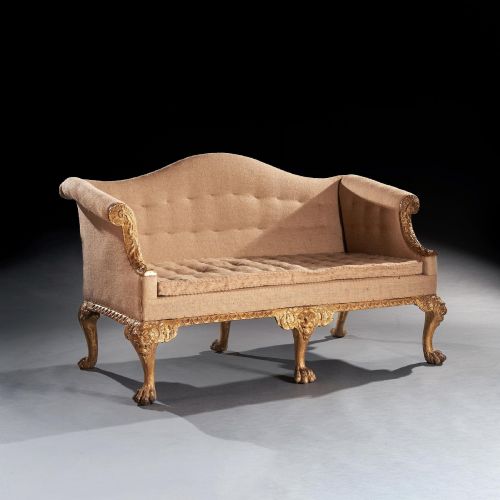


Georgian Style Sofa
A georgian style sofa brings classical proportions and generous seating into a room, spanning periods from the eighteenth century to the early twentieth.
Georgian Style Sofa
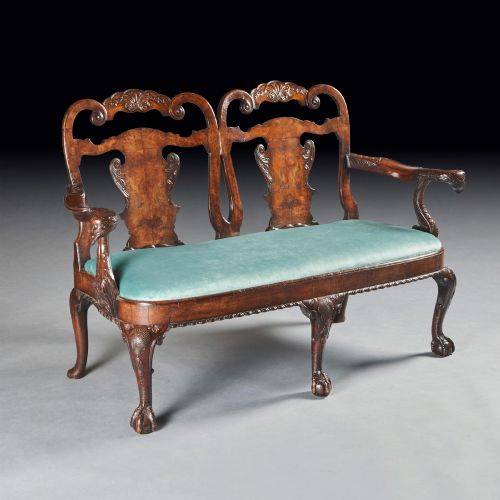
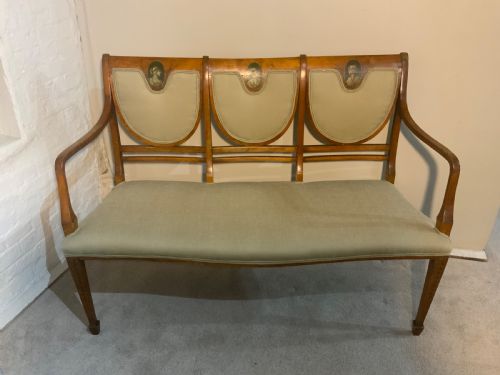
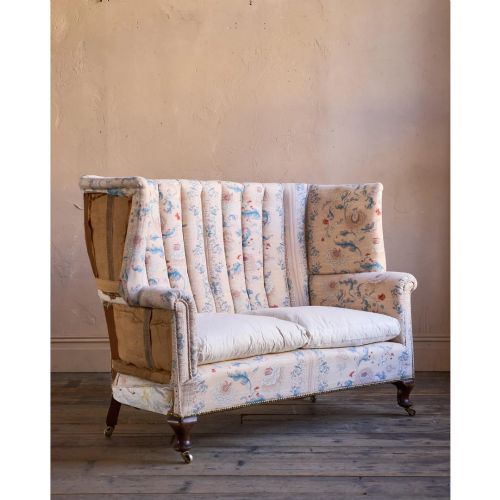
When you search for a georgian style sofa, you encounter seating forms that range from camel back settees to twin chair back designs and scroll end couches. These pieces draw upon eighteenth century origins as well as later revivals from the nineteenth and early twentieth centuries.
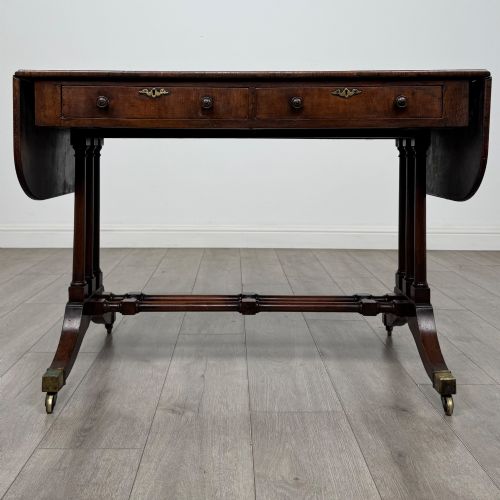
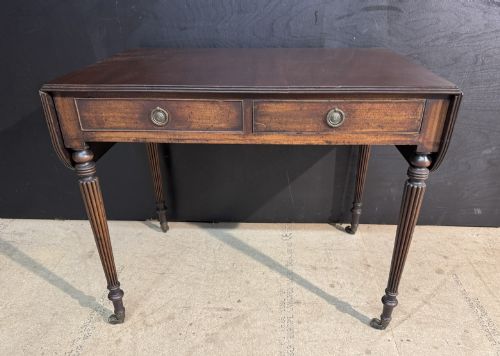
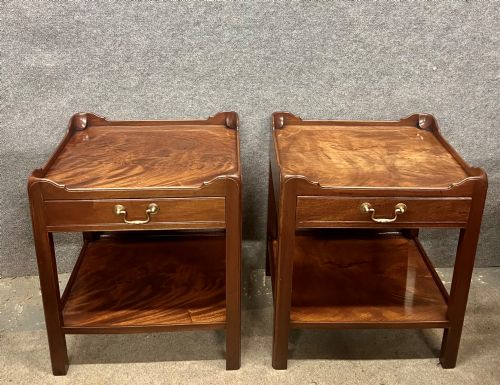
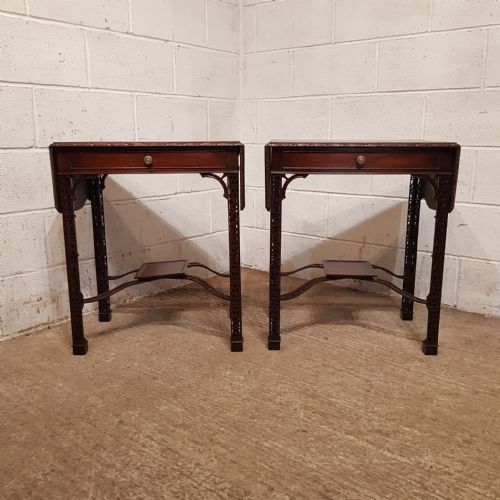
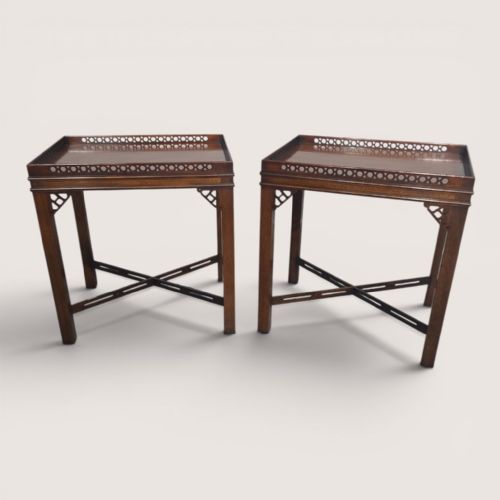
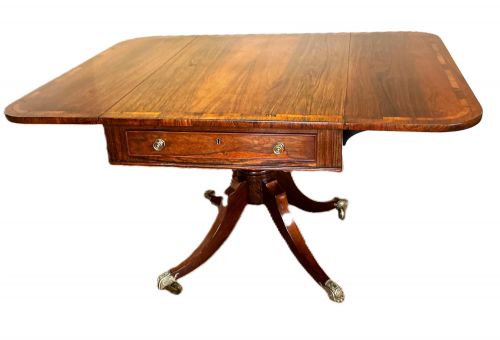
The evidence shows various interpretations including Chippendale, Hepplewhite, and George II manners, often produced as large two seater sofas or upholstered settees. Alongside these seating pieces, the category occasionally captures related library and drop flap tables due to historical naming conventions.
Materials and Construction
Makers utilised solid timbers such as mahogany, walnut, and satinwood, frequently pairing carved wooden frames with detailed upholstery in fabric, damask, or velvet. Structural elements incorporate brass details and feather fillings in cushions for support.
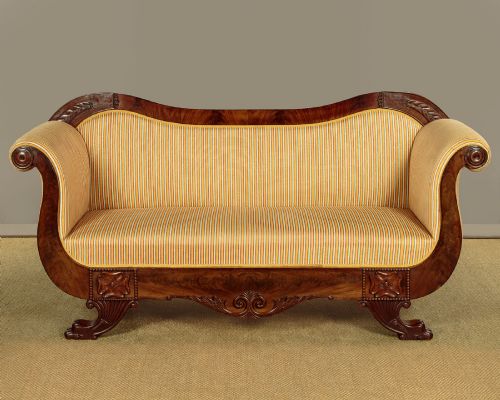
Woodworking techniques span from carved mahogany rails and lion mask hairy paw feet to inlaid satinwood panels and serpentine frames. These methods reflect both eighteenth century cabinetmaking traditions and later revival craftsmanship.
Some nineteenth century makers enjoyed experimenting so thoroughly with antique proportions that even side tables snuck into the sofa category.
Judging Quality
Quality rests upon the crispness of carved details in the mahogany or walnut frame and the grace of the serpentine camel back contour. Finer examples display balanced proportions and precise joinery that mirror authentic period pieces.
The choice of secondary timbers and the execution of inlay work further separate standard production from superior craftsmanship. Upholstery finish and the retention of original brass fittings also mark the distinction between tiers.
The Georgian Style Sofa Glossary
- Camel Back
- A curved, undulating sofa back shaped like the humps of a camel, popular in eighteenth century designs. This profile provides both structural rigidity and a graceful silhouette.
- Chippendale Style
- Furniture influenced by the designs of Thomas Chippendale, characterised by elaborate carving and ball and claw feet. It emerged in the Georgian period and saw revivals later.
- Settee
- A medium sized upholstered seat for two or more people, often featuring a wooden back and arms. The term frequently interchanges with sofa in historical listings.
- Satinwood
- A durable, yellowish wood used for fine cabinetmaking and decorative inlay work. It provides a bright contrasting surface on mahogany and walnut frames.
- Serpentine
- A line or edge that curves outward at the centre and inward at the sides. This contour appears frequently on the front rails of better quality sofas and tables.
Georgian Style Sofa: Frequently Asked Questions
What is a georgian style sofa?
A georgian style sofa is an upholstered seating piece modelled on eighteenth century proportions, featuring distinctive profiles like the camel back or twin chair back.
These pieces include authentic eighteenth century examples as well as later revival interpretations made during the Victorian and Edwardian eras.
How do I identify a camel back sofa?
A camel back sofa displays a continuous, undulating top rail that arches upward in graceful curves resembling a camel's back.
This distinct silhouette provides strong lumbar support while serving as a focal point in period drawing rooms.
Were these sofas used in pairs?
While most seating pieces were designed as standalone items for parlours and drawing rooms, matching pairs occasionally appear in large reception spaces.
Single two seater settees remain the standard configuration encountered in most historical inventories.
How do I live with antique upholstery?
Living with antique or revival upholstery involves gentle daily use and careful placement away from direct sunlight to protect delicate fabrics like damask or velvet.
Many pieces feature traditional feather cushions that benefit from regular plumping to maintain their shape and comfort.