

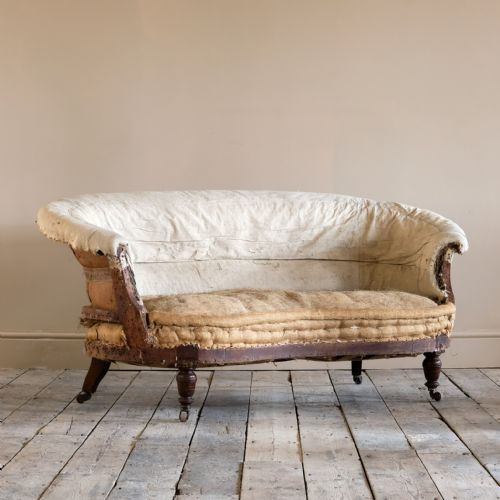


Mahogany Frame Sofa
A mahogany frame sofa brings substance and rich timber grain to a room, offering generous seating rooted in centuries of cabinet-making tradition.
What these sofas are
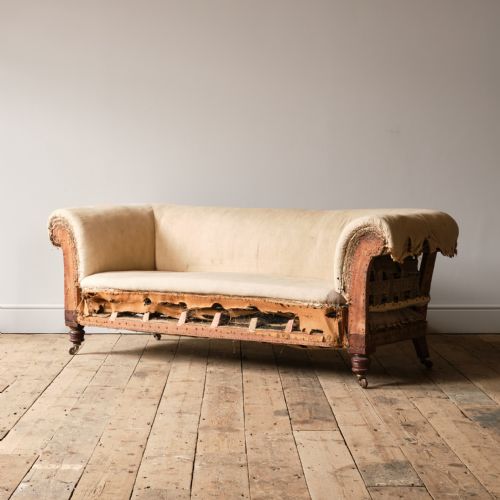
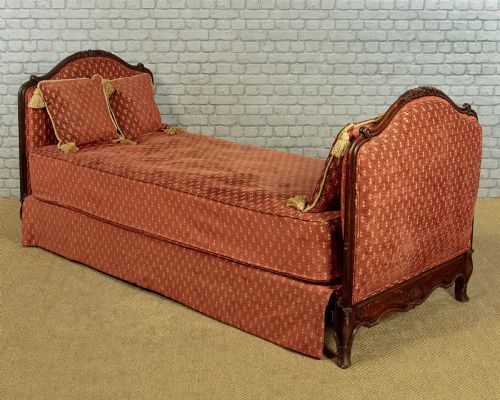
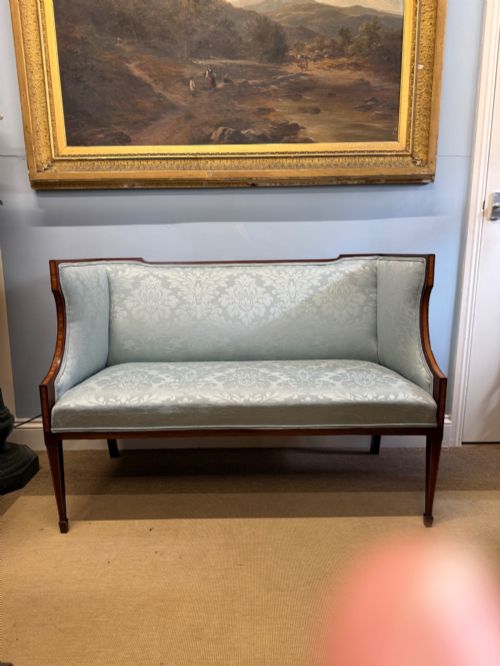
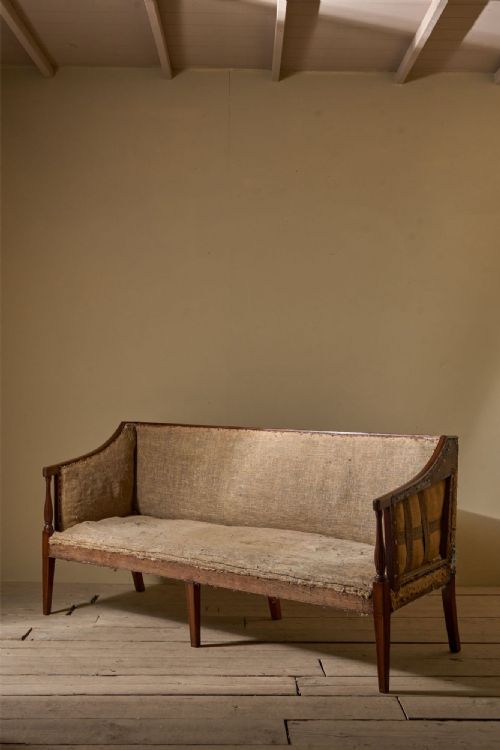
When you search for a mahogany frame sofa, you are looking at substantial timber-framed seating spanning from the eighteenth century through the Victorian era and into later revivals. These pieces range from restrained George III and Hepplewhite designs to scrolling William IV frames and deep-buttoned Victorian show-wood settees.
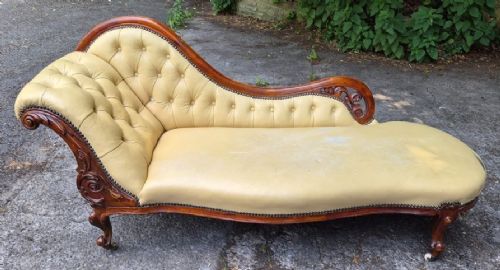
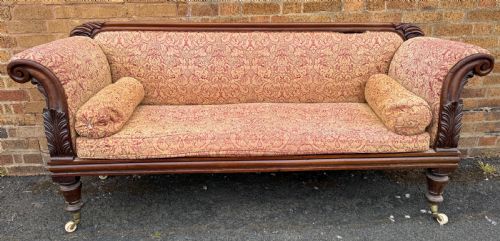
The most common examples on this page are nineteenth-century pieces, particularly Victorian scroll-end and country house sofas with exposed mahogany frames. You will also find earlier Georgian styles and later revivals sharing the same timber foundation.
Makers utilised various forms, from serpentine camel backs to double-end sofas and large settees, often supported by brass castors and secondary timbers like beech.
How they were made
Joiners constructed these frames using solid mahogany, frequently supported by internal elements of beech. Carved details, reeded framing and scroll ends required skilled hand-tooling by cabinet makers.
Upholstery methods evolved across the periods, incorporating hessian, calico, and stuffing beneath top layers of fabric, velvet, or leather. Buttoning and show-wood surrounds required precise carpentry to frame the textiles cleanly.
Retail Price Guide 2026
Typical UK retail prices for mahogany frame sofa, calculated from the Sellingantiques database of over a million retail prices indexed since 2003. This retail price guide relies exclusively on Sellingantiques data; no external sources or auction records are used, so the figures do not describe the wider market.
Keep an eye out for occasional Dodo head details carved into nineteenth-century arm terminals.
What varies in quality
Quality rests in the crispness of the timber carving and the architectural proportion of the frame. Superior examples display dense, well-figured mahogany grain with hand-carved flourishes rather than plain moulded surfaces.
The integrity of the underlying joinery and the retention of original framing elements distinguish finer pieces from later adaptations or replacements.
Howard and Sons
The Mahogany Frame Sofa Glossary
- Show-wood
- Exposed timber framing that is visible around the upholstered portions of a sofa. This allows the polished mahogany grain to become a primary decorative feature of the piece.
- Scroll-end
- A sweeping, curved arm or end profile reminiscent of a scroll. This form appears frequently on nineteenth-century scroll-end sofas.
- Serpentine
- A gently undulating line shaped like a horizontal 'S', often seen along the front rail or back of eighteenth and nineteenth-century settees.
- Camel back
- A convex, curved upper back profile resembling a camel's hump. This style provides robust lumbar support and a distinctive silhouette.
Frequently Asked Questions
How do I date a mahogany frame sofa?
Dating relies on stylistic clues, timber characteristics, and upholstery foundations. Georgian pieces display lighter proportions and classical revival motifs, while Victorian examples often feature heavier show-wood frames and deep buttoning.
Secondary woods and construction techniques hidden beneath the upholstery also offer clues to the decade of manufacture.
Are these sofas comfortable for daily use?
Many nineteenth-century country house and scroll-end sofas were built for deep lounging and substantial comfort. Their generous proportions accommodate modern sitting habits well.
Spring interiors and traditional stuffing provide a supportive yet yielding seat, though comfort ultimately depends on the condition of the internal webbing and padding.
What is a show frame sofa?
A show frame sofa is one where the polished timber structure remains visible around the upholstered body. Instead of fabric covering the entire exterior, the carved mahogany border frames the textile.
This design highlights the cabinet maker's woodwork alongside the upholsterer's craft.
How should I care for the mahogany frame?
Keep mahogany frames away from direct sunlight and heat sources to prevent the timber from drying out or splitting. Gentle dusting with a dry cloth maintains the polish.
Occasional application of appropriate wax nourishes the grain without building up a heavy, dull film.