


Antique Wingback Sofa
An antique wingback sofa brings grounded comfort and period presence into a room, offering high sides that catch the warmth of a fire.
Antique Wingback Sofa
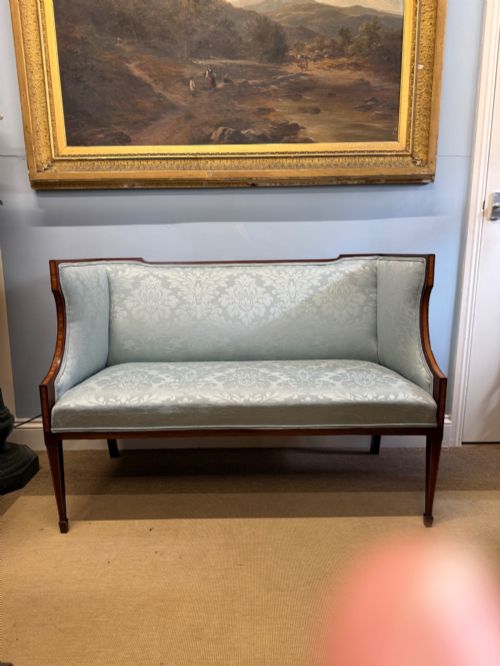
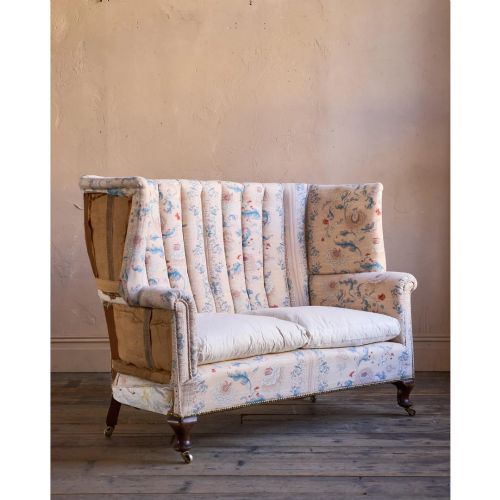
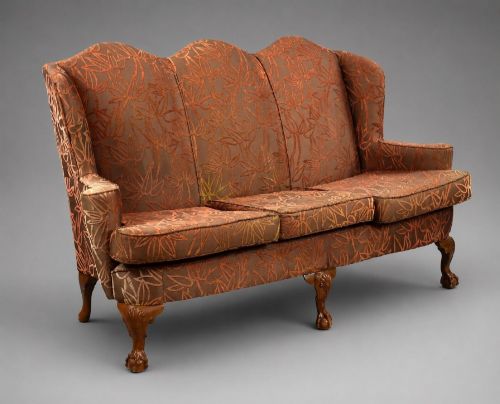
An antique wingback sofa combines deep seating with protective side wings, taking forms that span from the seventeenth century through to the Edwardian era and the early twentieth century. You find pieces rendered in styles such as Victorian, Edwardian, Queen Anne Style, and Georgian Revival, reflecting shifting domestic tastes across generations.
The selection ranges from two-seater and three-seat sofas to larger salon suites, settee combinations, and day beds. Woods like mahogany, walnut, and hardwood form the structural frames beneath upholstery that spans damask fabric, plain fabric, hand-dyed leather, and ticking fabric.
How they were made
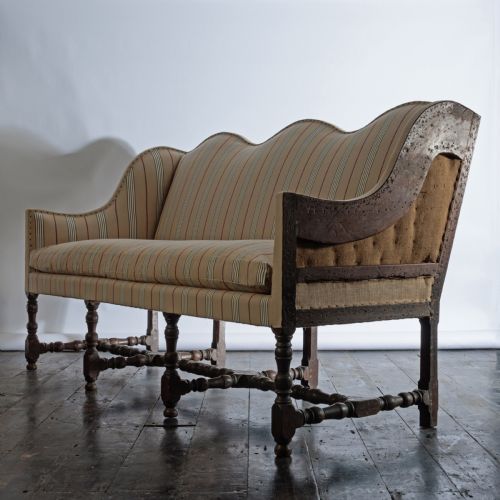
Frames rely upon sturdy timbers such as mahogany, walnut, and general hardwood, shaped to form the signature high backs and enclosed sides. Joinery methods secure these solid skeletons to withstand heavy daily use over centuries.
Upholstery involves traditional stuffing and covering techniques using materials like damask fabric, plain fabric, hand-dyed leather, and ticking fabric, often secured with brass detailing or subtle wood finishes.
Antique Wingback Sofa Retail Price Guide 2026
Typical asking prices for wingback sofa among the pieces listed under this phrase on Sellingantiques today, from the lower quarter to the upper quarter. They describe what is for sale here now, not the wider market.
Some winged seats hid clever side pockets for storing spectacles or documents away from prying eyes.
What varies in quality
The integrity of the underlying hardwood or walnut frame dictates the structural longevity of the piece, distinguishing robust construction from weaker builds. Original timber framing provides a solid foundation that alters how the sofa holds its lines over time.
The choice and execution of the covering material, whether hand-dyed leather, damask fabric, or ticking fabric, mark the distinction between standard production and finer workshop output. Finer examples retain cohesive upholstery choices that complement the specific stylistic period of the frame.
Howard And Sons·Hampton And Sons
The Antique Wingback Sofa Glossary
- Wingback
- A seating form featuring high side panels designed originally to shield the occupant from draughts. These protective extensions frame the upper back of the sofa.
- Settee
- A medium-length upholstered seat with a back and arms, accommodating multiple people. This form bridges the gap between a single armchair and a full sofa.
- Damask
- A reversible figured fabric woven on a loom, often utilised for formal upholstery. It displays patterns created through contrasting warp and weft threads.
- Ticking
- A closely woven, durable cotton or linen material traditionally used to contain feather or down stuffing. It appears on utilitarian and period pieces alike.
- Baroque
- A flamboyant stylistic period spanning the seventeenth century, known for ornate and dramatic ornamentation. Pieces from this era display dynamic carving and rich proportions.
Antique Wingback Sofa: Frequently Asked Questions
What is an antique wingback sofa?
An antique wingback sofa is a traditional upholstered seating piece featuring protective high sides designed to retain heat and block draughts. These pieces span periods from the seventeenth century to the early twentieth century.
They appear in various formats, including two-seater and three-seat configurations, utilising frames of mahogany, walnut, and hardwood paired with leather or fabric coverings.
Are these sofas comfortable for daily use?
These sofas provide deep seating and supportive high backs designed for extended periods of sitting. The enclosed wing design naturally cradles the user.
Upholstery materials ranging from hand-dyed leather to soft fabrics offer tactile variety, though older padding may feel firmer than modern commercial foam seating.
What materials were used for the frames?
Makers constructed the structural frames primarily using solid woods such as mahogany, walnut, and sturdy hardwoods. These timbers provided the necessary strength to support the high back and wings.
Exposed wooden elements often featured brass details or polished finishes that matched the prevailing style of the specific period.