



Cabriole Leg Couch
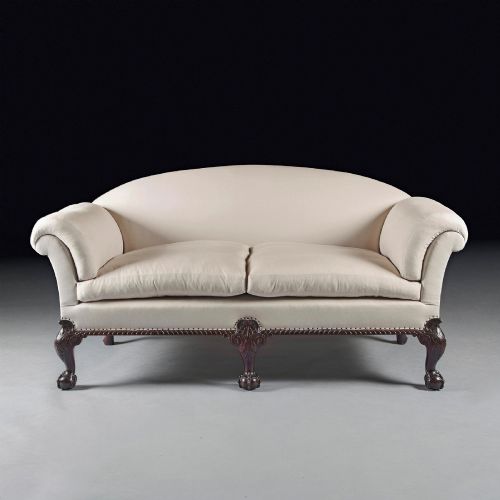
A cabriole leg couch brings sweeping curvature and period presence to a room, offering deep seating framed in carved timber.
Cabriole Leg Couch
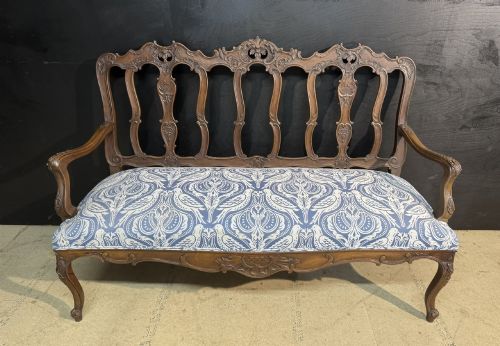
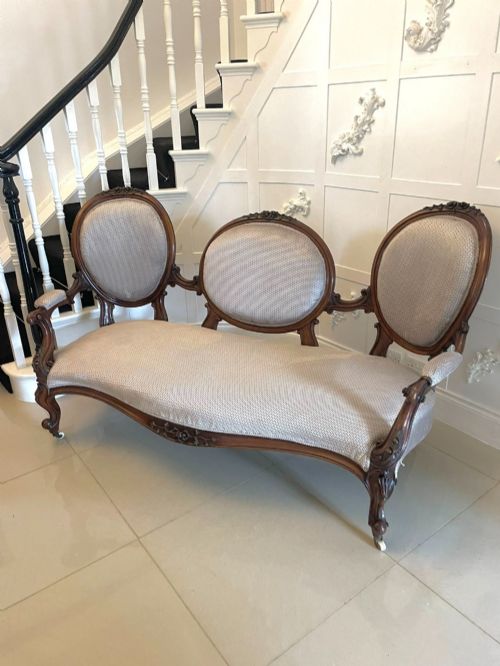
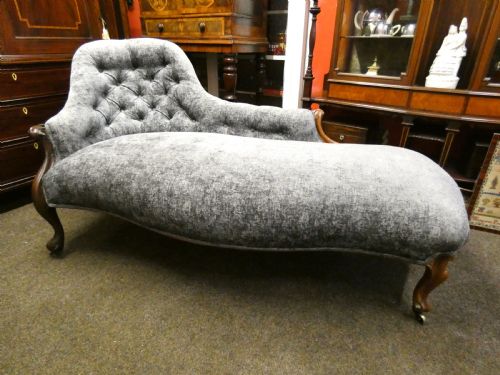
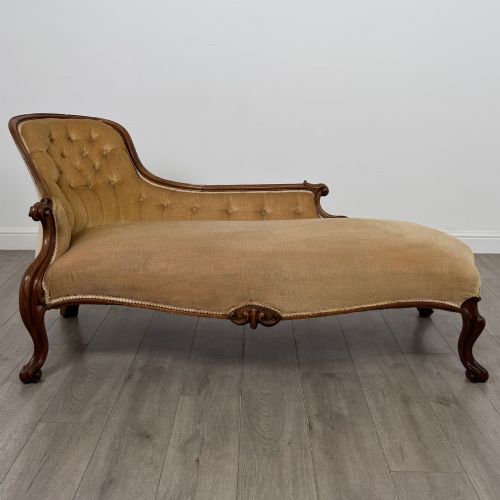
A cabriole leg couch combines structural timber frames with upholstered seating, drawing from periods spanning the eighteenth through the early twentieth century. These pieces appear primarily as sofas, settees, and chaise longues.
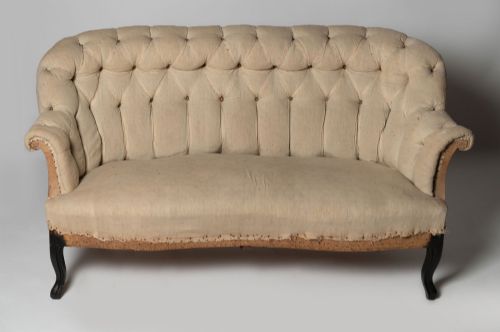
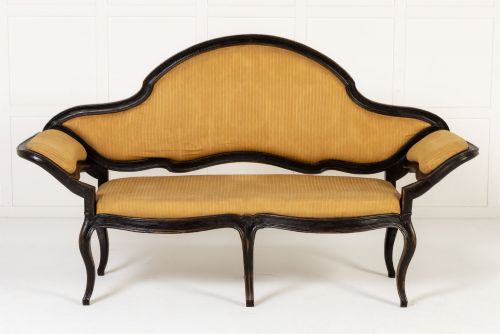
The Victorian era supplies numerous examples executed in walnut, mahogany, and rosewood, often reflecting Revival aesthetics such as Rococo or Queen Anne. Earlier eighteenth-century iterations demonstrate regional craftsmanship from English, Italian, and German workshops.
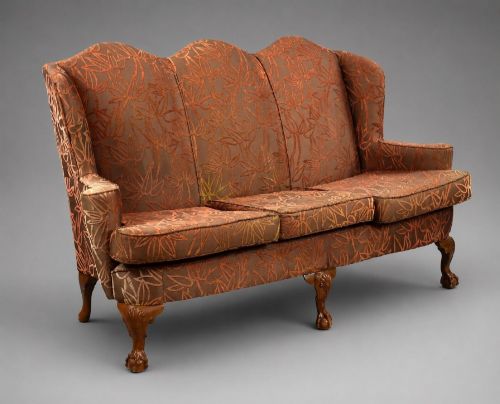
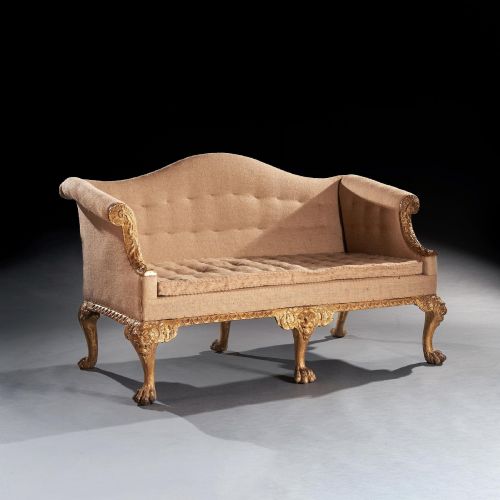
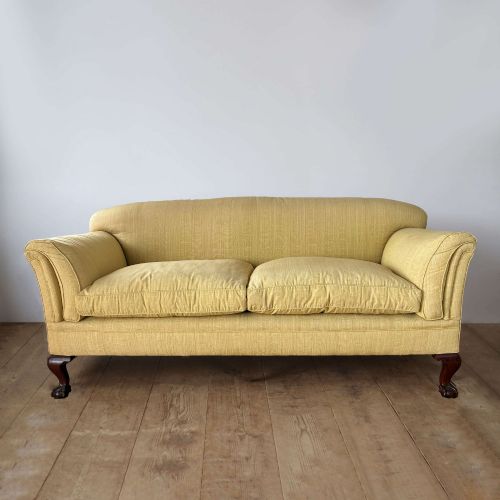
Edwardian and early twentieth-century interpretations continue these historical silhouettes, offering walnut or mahogany frames paired with diverse textile upholstery. Buyers encounter everything from compact window seats to large three-seat sofas resting on characteristic pad or ball and claw feet.
Timber frames and upholstery methods
Makers constructed these frames predominantly using dense hardwoods like mahogany, walnut, and rosewood, allowing for deeply carved show-wood elements and sturdy structural supports. Timber components often display hand-carved ornamentation including scroll arms, camel backs, and moulded rail profiles.
Upholstery relies on traditional textile coverings such as velvet, fabric, and leather secured over internal padding, whilst specific forms incorporate woven cane panels or brass castors. Frames frequently utilise traditional joinery techniques to secure the characteristic double-curved leg supports.
Listings feature timber frames in mahogany, walnut, and rosewood across Victorian, Edwardian, and eighteenth-century periods.
Proportions, carving depth and material selection
Quality rests in the crispness and depth of the timber carving along the frame, where sharp execution of motifs like lion masks, hairy paws, or foliate scrolls distinguishes superior workshops. Timber selection also dictates grade, with figured walnut and dense Honduras mahogany marking out the finer examples.
Structural integrity and the retention of original timber surfaces - whether ebonised, bleached, or polished - govern the standing of each piece. Well-proportioned framing with balanced curvilinear legs demonstrates the deliberate care applied during original manufacture.
Howard and Sons·Giles Grendey·Morison and Co
The Cabriole Leg Couch Glossary
- Cabriole leg
- A furniture leg featuring a double curve, typically curving outward at the knee and inward at the ankle, ending in a pad, claw and ball, or foot.
- Chaise longue
- An upholstered long chair or daybed designed for reclining, combining a chair back with an extended seat.
- Settee
- A long upholstered seat with a back and arms, designed to accommodate multiple people.
- Rococo Revival
- A nineteenth-century design movement characterised by asymmetrical scrollwork, naturalistic floral carving, and flowing organic contours.
- Bergere
- An enclosed upholstered armchair or settee featuring exposed wooden framing and cane or upholstered sides.
Cabriole Leg Couch: Frequently Asked Questions
How do I identify a Victorian cabriole leg couch?
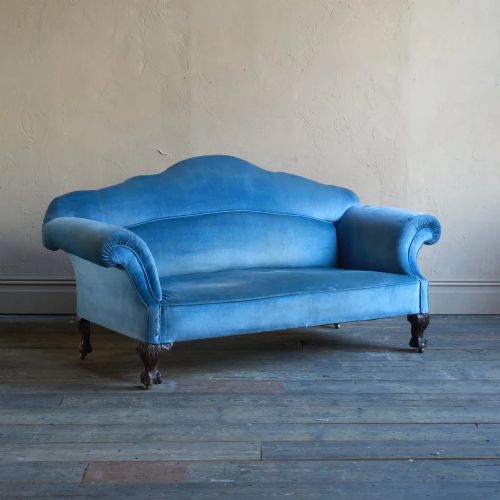
Victorian examples often display heavy walnut or rosewood framing with deep floral carving, reflecting Revival tastes popular during the nineteenth century. These pieces frequently utilise elaborate show-wood rails alongside velvet or patterned textile upholstery.
Examination of the timber finish and interior construction methods helps confirm the nineteenth-century origin, distinguishing them from later twentieth-century revivals.
Where were these couches used historically?
These pieces served primarily in principal reception rooms, drawing rooms, and country house interiors as both functional seating and decorative showpieces. Larger three-seat sofas and settees accommodated guests, whilst chaise longues provided private resting spots in parlours or bedrooms.
Their refined timber frames ensured they occupied prominent positions within period domestic settings.
How do I care for antique wood and upholstery?
Preserving the timber frame involves maintaining stable indoor humidity and cleaning polished surfaces with appropriate soft cloths rather than harsh chemical polishes. Upholstery fabrics require gentle vacuuming with a soft brush attachment to prevent dust accumulation.
Protecting the piece from direct sunlight prevents fading in both the exposed wood finishes and the textile coverings.