



Traditional Three Seat Sofa
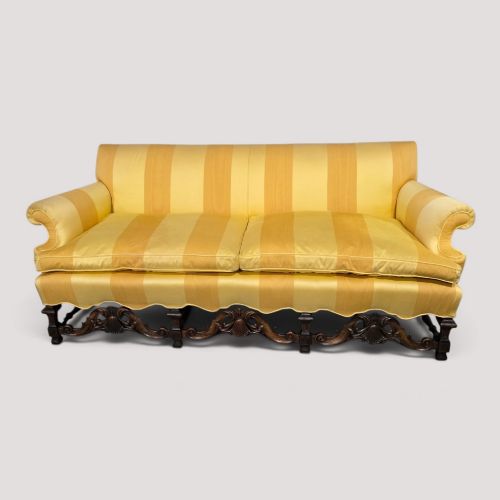
These traditional three seat sofa examples span the nineteenth and twentieth centuries, offering deep seating and enduring upholstery styles for a country house interior.
Traditional Three Seat Sofa
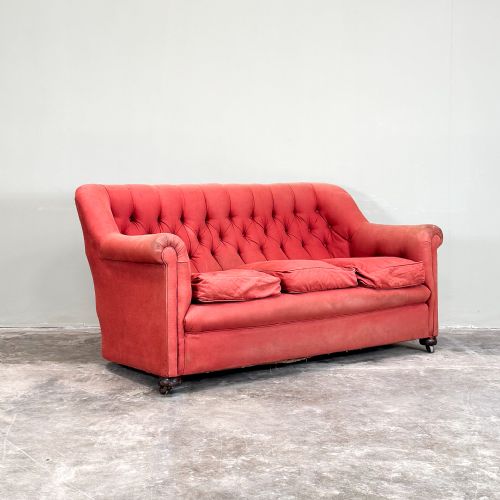
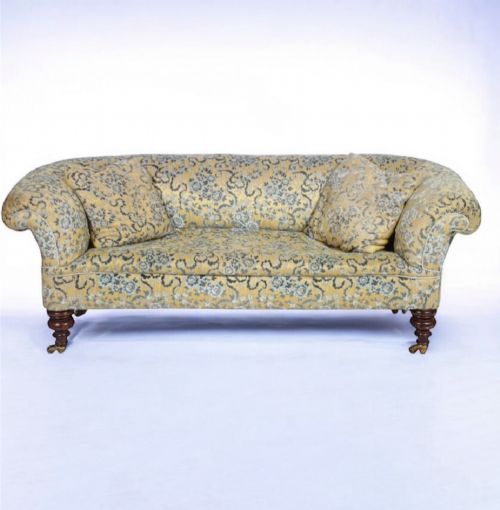
When you search for a traditional three seat sofa, you find large seating pieces originating from the nineteenth century up through the nineteen-forties. These include deep-seated country house designs, Chesterfield settees, and revival styles referencing earlier periods.
The versions most common here display substantial proportions upholstered in fabric, velvet, or leather, often resting on wooden or brass supports. They originate from Victorian, Edwardian, and later twentieth-century workshops.
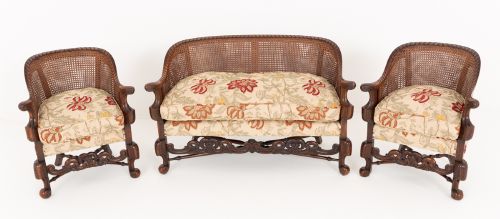
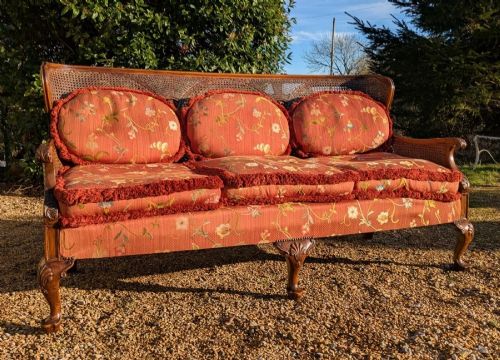
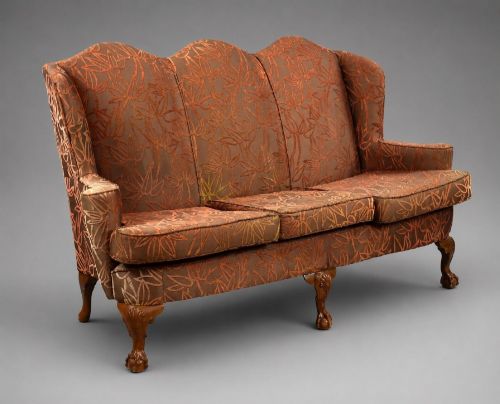
Formations range from open arm models and camel back frames to chair back settees and matching suites. Each provides extended seating capacity rooted in traditional British furniture design.
What varies in quality
Quality separates through the integrity of the underlying timber frame and the precision of the joinery. Pieces with substantial mahogany or walnut structures retain their rigidity far better over decades of use.
The standard of upholstery materials, from supple leather to heavy woven fabrics and feather-filled cushions, dictates the tactile richness. Maker attribution also shifts the standing of a piece within its period.
Traditional Three Seat Sofa Retail Price Guide 2026
Typical asking prices for traditional three seat sofa among the pieces listed under this phrase on Sellingantiques today, from the lower quarter to the upper quarter. They describe what is for sale here now, not the wider market.
Several sofas arrive with feathers tucked inside their cushions, ready to offer that proper country house slouch.
Hampton and Sons·Howard and Sons·Gillows·William Birch
The Traditional Three Seat Sofa Glossary
- Bergere
- An enclosed upholstered armchair or sofa with woven cane panels on the sides or back. Originating in France, this form gained popularity in British revival seating.
- Chesterfield
- A large sofa characterised by deep button tufting, rolled arms of the same height as the back, and leather or fabric upholstery. It remains a staple of traditional interiors.
- Camel back
- A sofa style featuring a graceful, undulating curved wooden frame along the top rail that resembles a camel's hump. This profile became prominent during the Georgian era.
- Shield back
- A chair or settee backrest carved in the shape of a classical heraldic shield, frequently utilised in Hepplewhite designs. The woodwork often incorporates delicate interlaced splats.
Traditional Three Seat Sofa: Frequently Asked Questions
How do I identify a Victorian sofa?
Victorian sofas often feature dark timber frames, elaborate carved details, and robust upholstery such as deep buttoned leather or heavy velvet. Their proportions tend to be heavy and grounded.
Look for specific styling cues like moustache backs or turned wooden legs fitted with brass castors, which are characteristic of nineteenth-century British production.
What is a country house sofa?
A country house sofa describes a deep, generously proportioned seating piece designed for relaxed comfort rather than formal reception rooms. They usually wear soft fabrics or patinated leather.
These pieces prioritise generous seating depths and loose feather cushions, reflecting the unpretentious elegance associated with traditional English domestic interiors.
Are leather Chesterfields comfortable?
Leather Chesterfields offer firm yet supportive seating thanks to their deep buttoned upholstery and stout internal wooden frames. Over time, the leather softens significantly with use.
Original un-restored examples or fully restored pieces develop a supple hand and a rich patina that moulds to the sitter while maintaining structural support.
How do I care for antique upholstery?
Antique fabric and leather require gentle maintenance, avoiding direct sunlight and excessive heat to prevent the materials from drying out or fading. Regular light dusting preserves the surface.
Leather benefits from occasional suitable conditioning treatments, while fabric and velvet upholstery respond well to professional specialist cleaning when necessary.