




Serpentine Back Sofa
A serpentine back sofa is a traditional seat defined by its undulating upper rail, built for formal drawing rooms and country house interiors.
What these pieces are
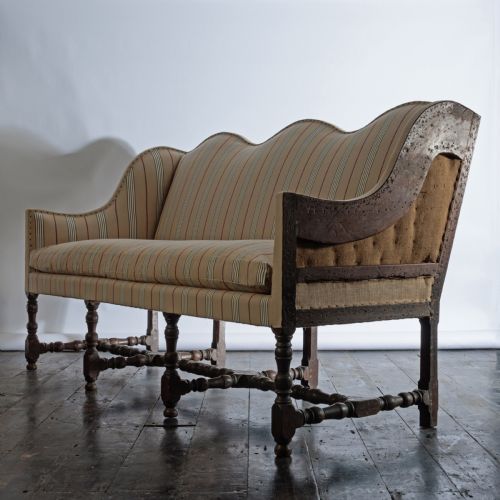
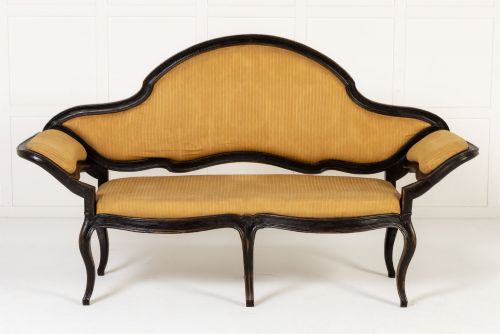
A serpentine back sofa brings together centuries of seating design, appearing across the seventeenth, eighteenth, and nineteenth centuries as well as mid-twentieth revivals. When you search for a serpentine back sofa, you encounter distinct regional interpretations spanning English George III workshop traditions and Italian Rococo expressions.
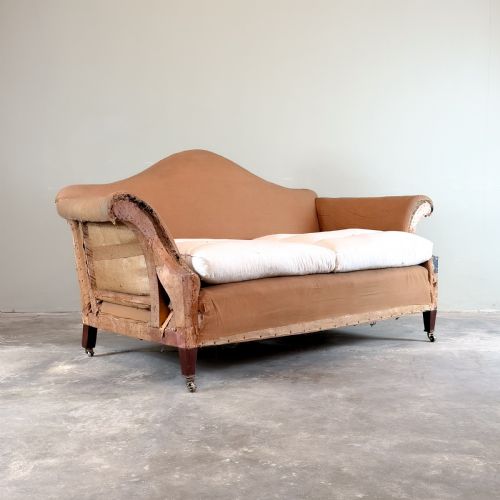
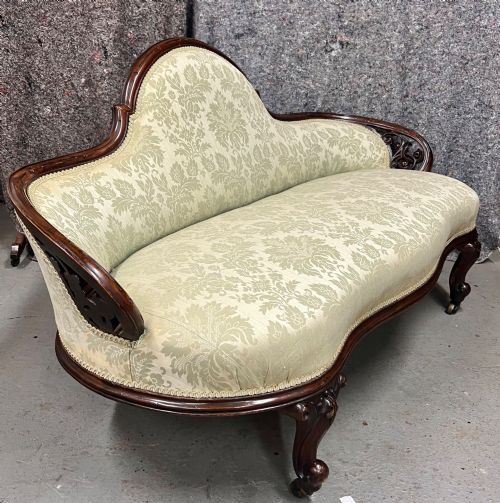
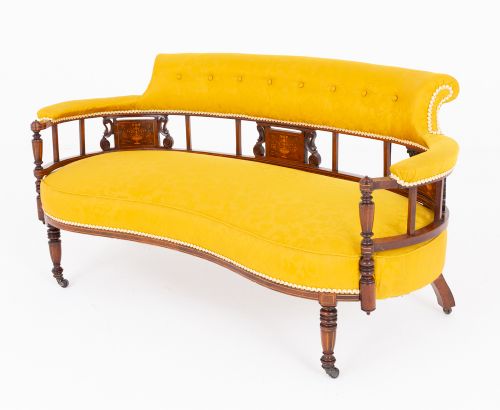
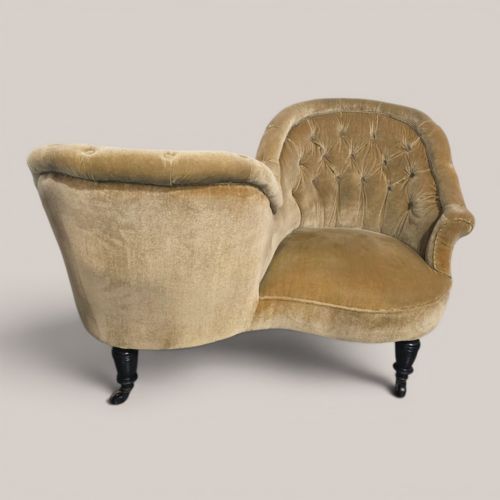
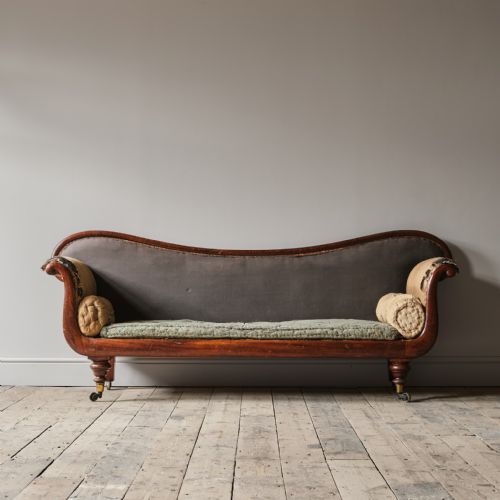
The forms on this page range from early seventeenth-century wingbacks and eighteenth-century camel backs to expansive nineteenth-century country house models and later reproductions. Variations include sweeping camel backs, button-upholstered two-seat settees, and ebonised frames reflecting diverse historical aesthetics.
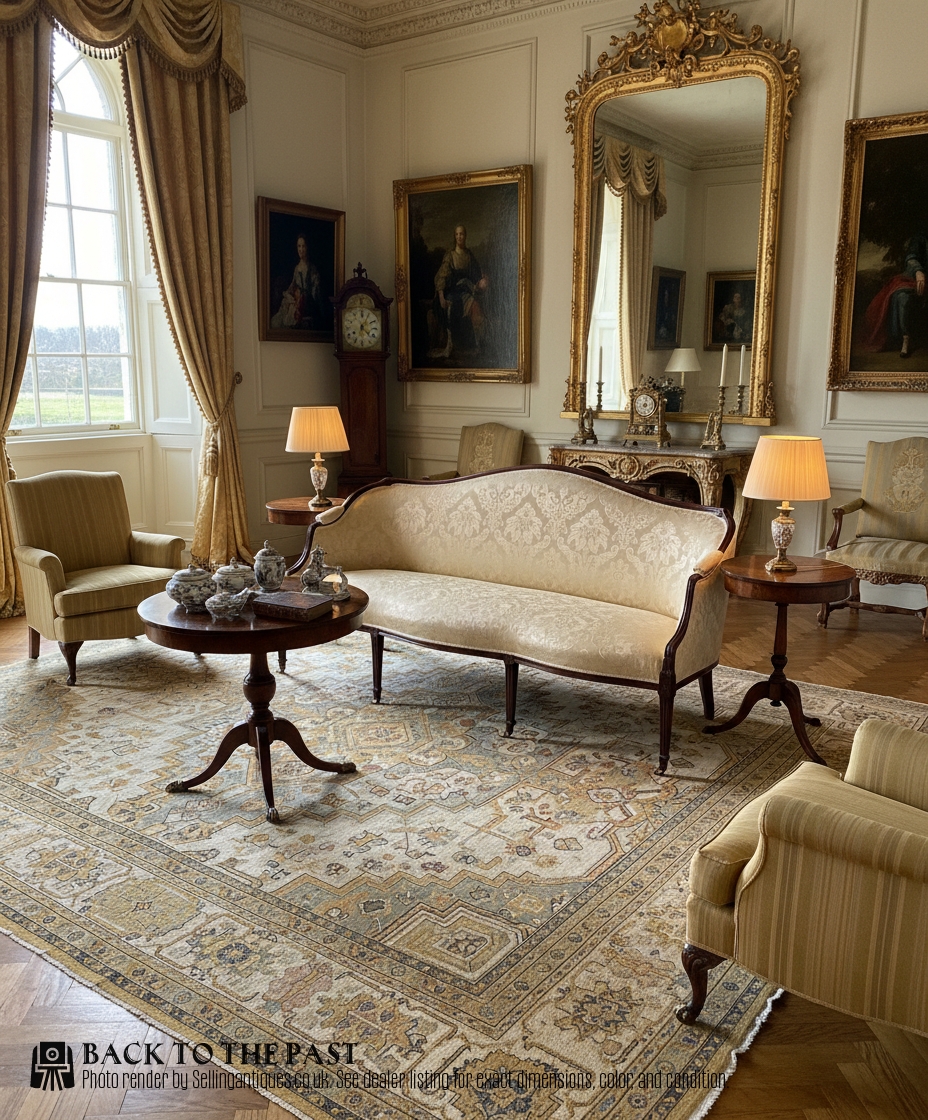
How they were made
Frames are constructed from sturdy timbers such as mahogany, oak, walnut, and ebonised wood, providing robust structural foundations. Cabinet makers shaped these woods to form the characteristic undulating curves of the backrest and arm supports.
Upholstery techniques rely on traditional stuffing materials secured with jute webbing and covered in layers of fabric and cotton. Brass accents occasionally appear on castors or decorative elements, completing the construction of these substantial seating pieces.
Retail Price Guide 2026
Typical UK retail prices for serpentine back sofa, calculated from the Sellingantiques database of over a million retail prices indexed since 2003. This retail price guide relies exclusively on Sellingantiques data; no external sources or auction records are used, so the figures do not describe the wider market.
The inventory encompasses styles from seventeenth-century Baroque and Italian Rococo to George III and Early Victorian.
What varies in quality
Quality in a serpentine back sofa rests on the fluidity of the carved wooden frame and the precision of the undulating top rail. Finer examples display harmonious proportions where the subtle curves of the back transition smoothly into the arms and legs.
The integrity of the underlying timber construction and the preservation of original frame materials distinguish superior specimens from later adaptations. Pieces retaining their structural timberwork without excessive restoration demonstrate greater fidelity to their period origins.
The Serpentine Back Sofa Glossary
- Camel back
- A serpentine back sofa style featuring a continuous convex curve along the top rail resembling a camel's hump. This profile became popular during the eighteenth century.
- Ebonised wood
- Timber treated with a dark finish to imitate expensive ebony. This technique creates a striking, formal contrast against lighter upholstery fabrics.
- Wingback
- A seating form featuring protective side panels attached to the armrests designed to shield the sitter from draughts. Early examples date to the seventeenth century.
- Jute
- A strong, coarse vegetable fibre utilised historically for webbing and internal support within traditional upholstery layers. It provides foundational tension for the seat and back.
Frequently Asked Questions
How do I date a serpentine back sofa?
Dating relies upon examining the timber species, construction methods, and the specific profile of the back rail. Eighteenth-century models often employ mahogany or walnut with hand-cut joinery.
Later nineteenth-century and twentieth-century interpretations utilise machine-sawn elements and differing upholstery foundations. Comparing the frame style to documented period pieces helps clarify the timeline.
Where should I place a serpentine back sofa?
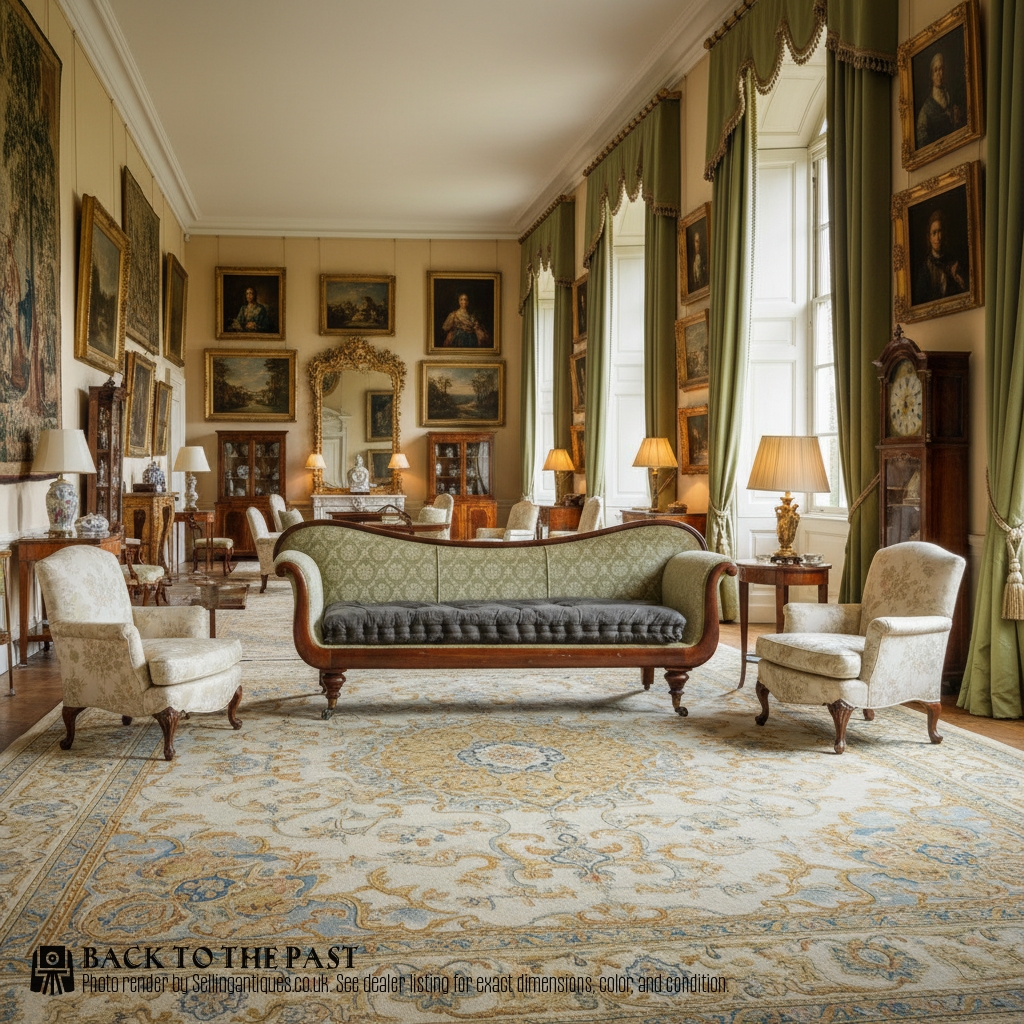
These substantial sofas suit principal reception rooms, grand libraries, or spacious drawing rooms where their decorative backs can be appreciated. Their sculptural profiles look effective when positioned away from walls.
Ensure adequate clearance around the piece to showcase the curved woodwork and upholstery lines. Pairing them with period armchairs creates a cohesive seating arrangement.
What is the difference between George III and Victorian sofas?
George III pieces typically exhibit restraint, refined mahogany frames, and classical proportions rooted in eighteenth-century design principles. They prioritise elegant structural lines.
Victorian examples often introduce heavier padding, button upholstery, and more exuberant curves, reflecting nineteenth-century comfort and country house scale. The framing timber and upholstery depth usually distinguish the two eras.
How do I care for antique upholstery?
Preserve fabric upholstery by avoiding direct sunlight to prevent fading and using gentle vacuum attachments with low suction. Professional cleaning is recommended for delicate historical textiles.
Maintain the exposed wooden frame by dusting with a dry cloth and occasionally applying suitable furniture wax. Regular inspection of the internal jute webbing ensures the structural integrity remains stable.