
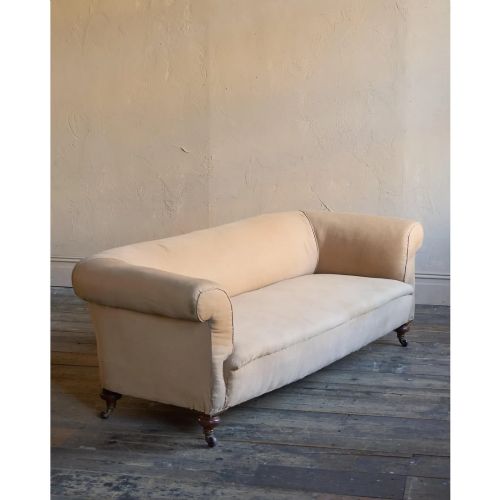
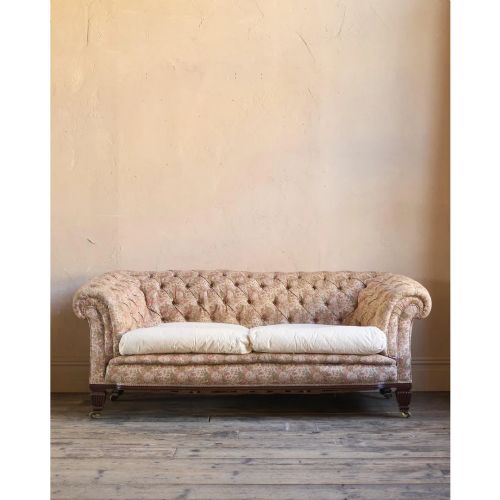
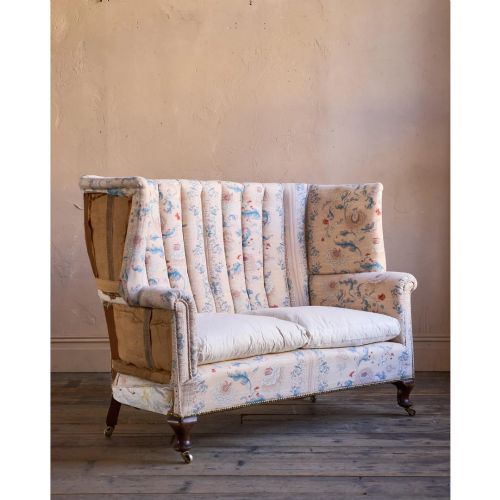
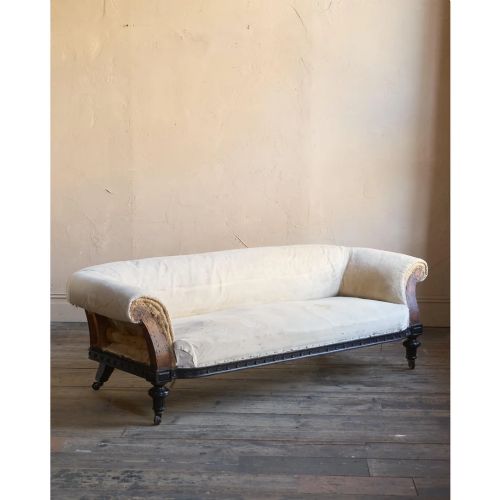
19th Century Couch
These 19th century couch pieces offer grand proportions and rich upholstery, bringing undeniable character to a traditional interior.
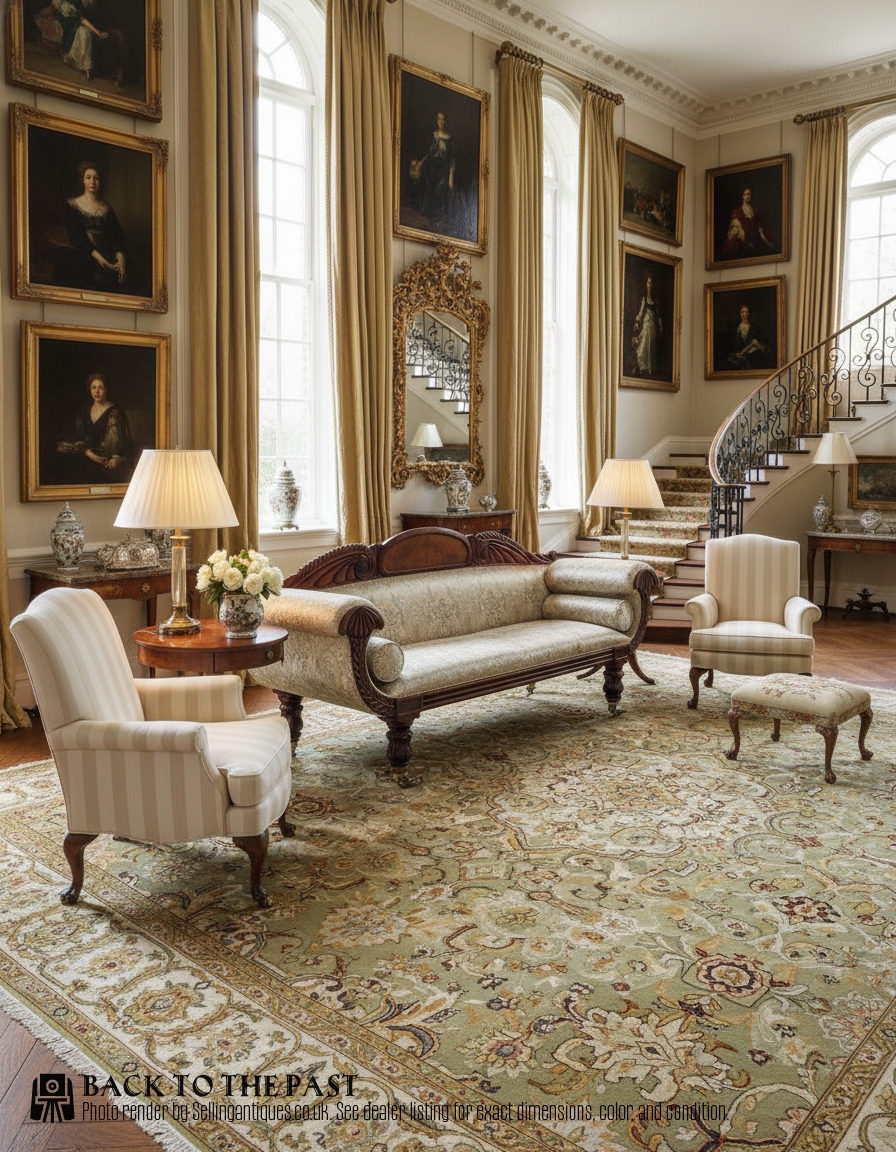
What a 19th century couch is
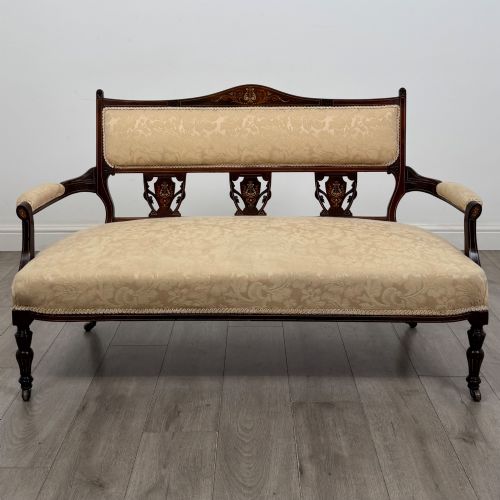
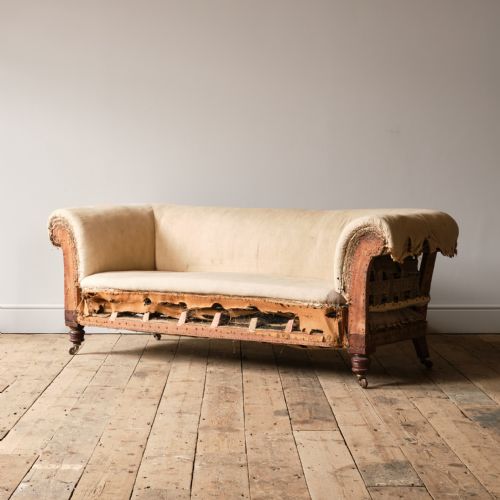
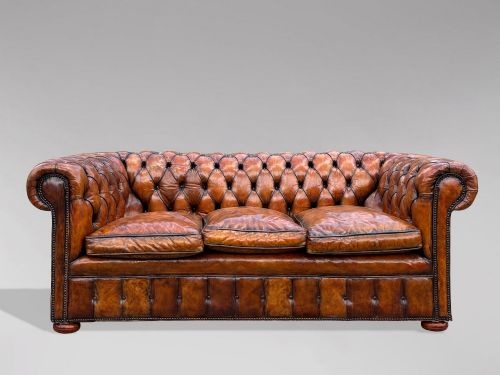
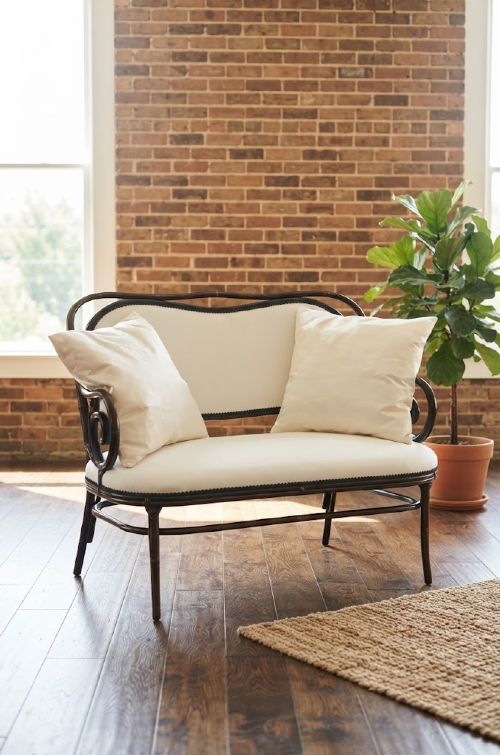
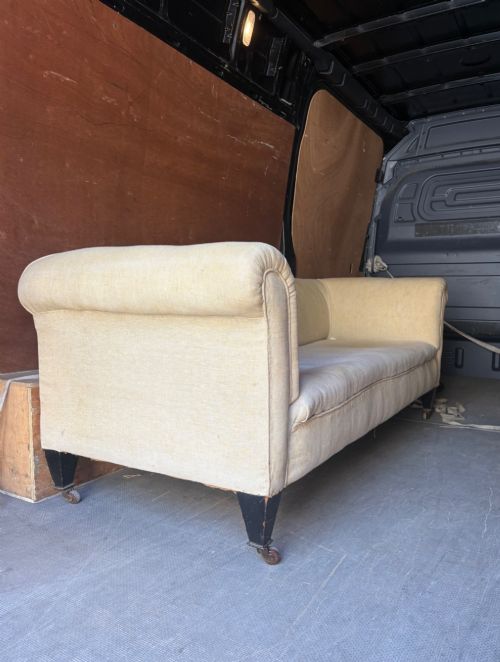
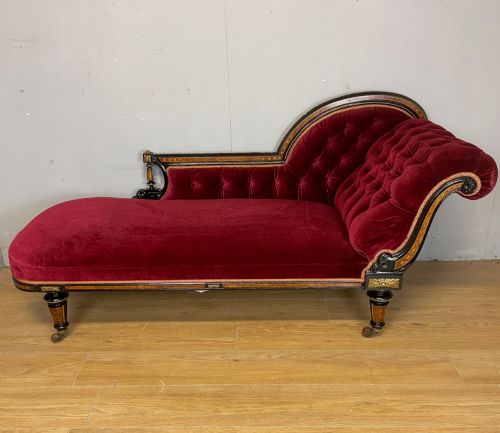
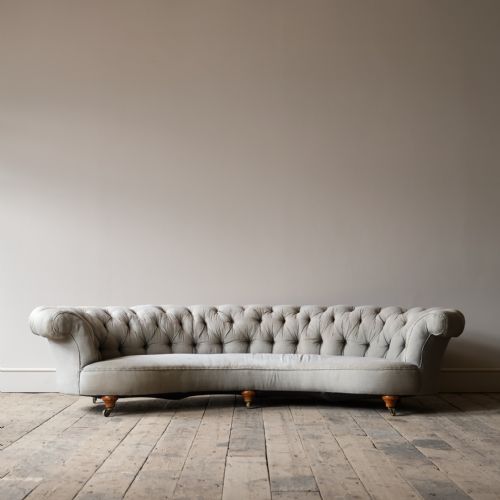
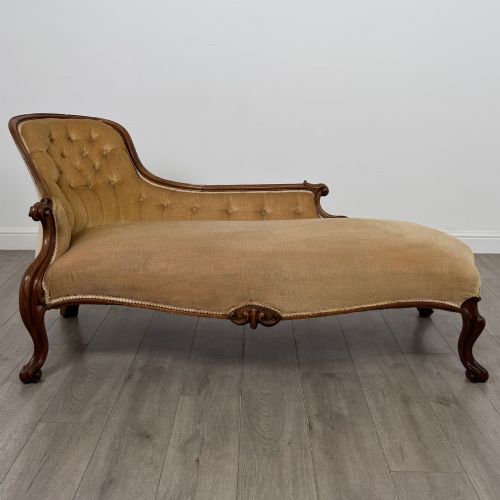
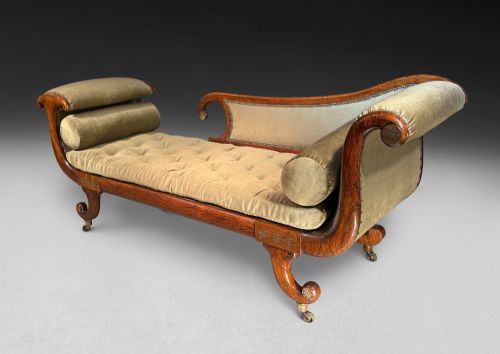
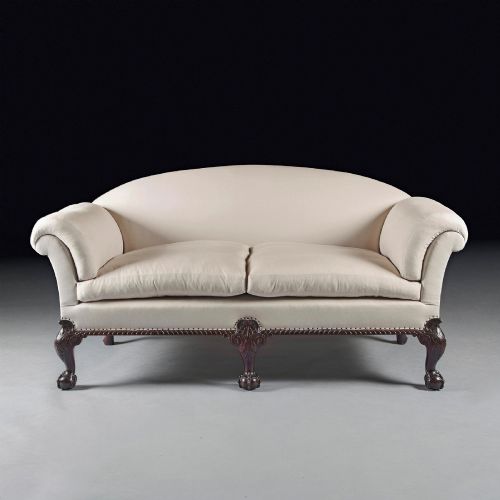
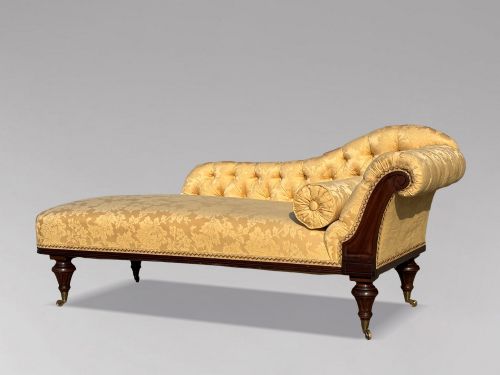
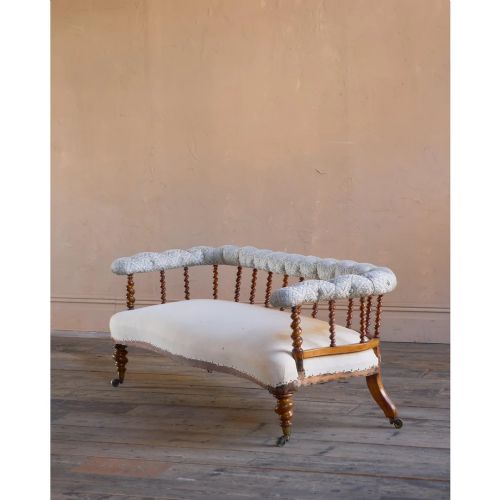
When you search for a 19th century couch, you are looking at substantial seating pieces spanning the Victorian and William IV periods, alongside vernacular English country house examples. The selection includes double ended sofas, scroll arm designs, Chesterfields in leather, and low window seats or ottomans.
The version you are most likely to meet on this page is an English country house sofa or a Victorian scroll arm piece. These designs utilise timber frames upholstered in velvet, fabric, or leather, reflecting the heavy domestic comfort favoured during the period.
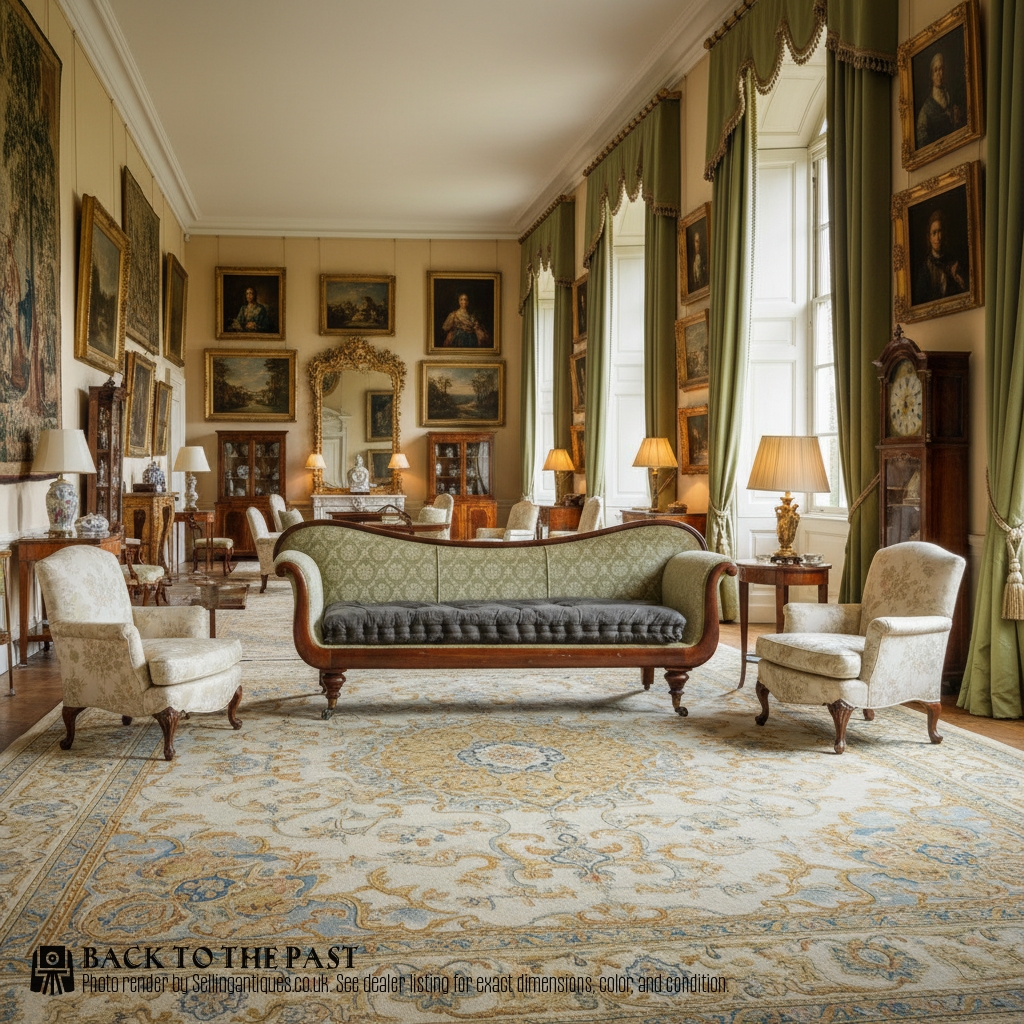
How they were made
Makers constructed the structural frames of these pieces using dense hardwoods such as mahogany and rosewood, often complemented by turned timber legs fitted with brass castors. These heavy timbers provided the necessary stability for large forms like double ended sofas and scroll arm Chesterfields.
Upholstery techniques involved layering fabrics including velvet, leather, and standard upholstery textiles over sprung or stuffed foundations. Brass detailing frequently secured trimmings and reinforced structural joints on fine rosewood and mahogany frames.
Retail Price Guide 2026
Typical UK retail prices for 19th century couch, calculated from the Sellingantiques database of over a million retail prices indexed since 2003. This retail price guide relies exclusively on Sellingantiques data; no external sources or auction records are used, so the figures do not describe the wider market.
One past record preserves a nineteenth-century portrait of an RN officer alongside the seating.
What varies in quality
The distinction between standard domestic seating and exceptional examples lies in the selection of cabinet timber and the sophistication of the frame carving. Rosewood and figured mahogany frames with finely defined scroll arms demonstrate superior craftsmanship compared to simpler pine or mixed timber country house frames.
Proportion and decorative restraint dictate the upper tier of these pieces, where balanced double ended forms or clean lines on early Victorian items supersede heavy, unrefined bulk. The integration of quality brass hardware and well-executed upholstery work further separates the better examples.
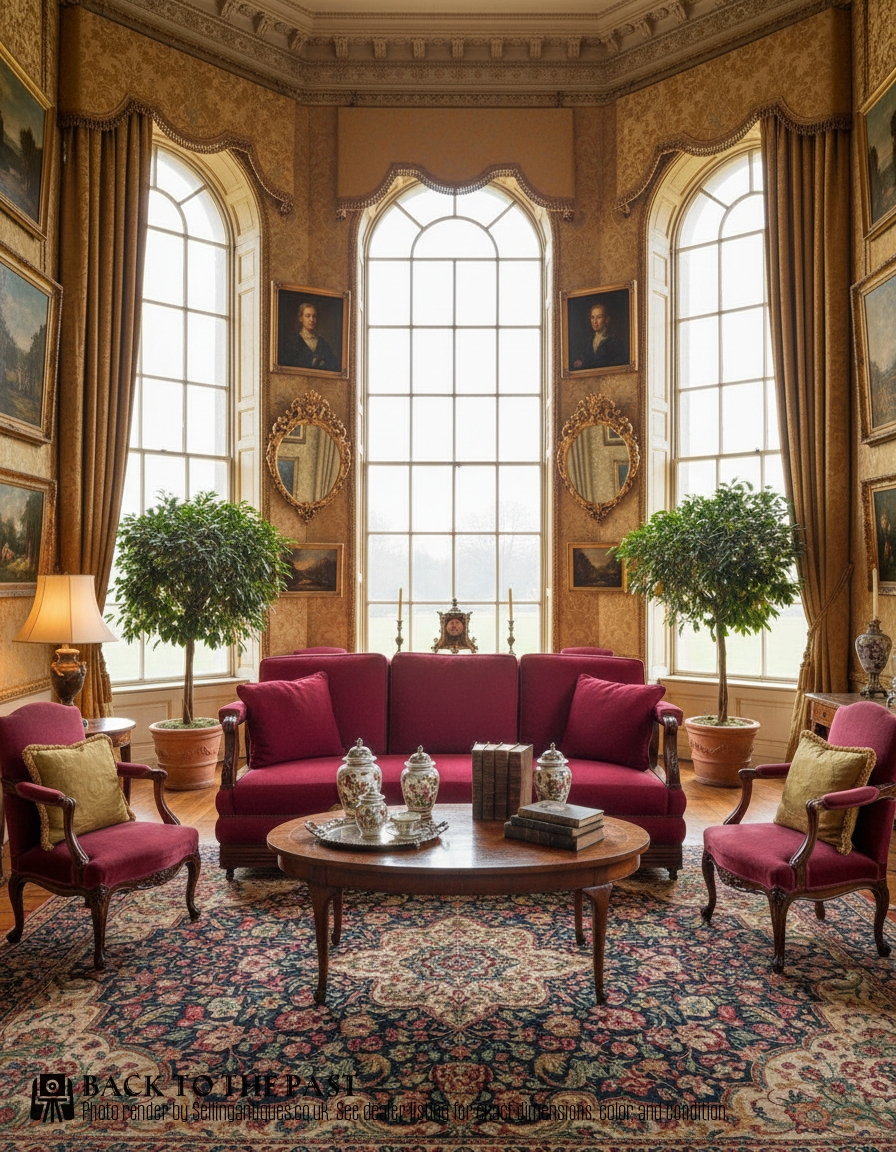
The 19th Century Couch Glossary
- Double ended sofa
- A seating form featuring symmetrically raised scroll ends, popular during the William IV period. This design allows a user to recline comfortably from either direction.
- Scroll arm
- An armrest curved outward in a tight spiral scroll shape. This prominent stylistic feature defines many Victorian and country house seating pieces.
- Chesterfield
- A deep-buttoned upholstered sofa traditionally finished in leather or heavy fabric. It is characterised by arms and back of the same height.
- Ottoman
- A low upholstered seat without arms or a back, frequently used as a window seat. The form dates across the nineteenth century.
- Castor
- A small wheel fitted to the base of furniture legs to aid movement. Brass versions are common on nineteenth-century rosewood and mahogany seating.
Frequently Asked Questions
How do I tell William IV from Victorian pieces?
William IV pieces often display distinct architectural details, such as bold scroll arms and rich rosewood or mahogany timbers. They represent the transitional phase leading directly into the broader Victorian era.
Victorian pieces encompass a wider variety of country house forms and materials, including leather Chesterfields and later upholstered ottomans. Comparing the timber grain and arm geometry helps clarify the specific period of manufacture.
Were these couches used in formal rooms?
Yes, many fine double ended sofas and rosewood pieces were designed specifically for formal drawing rooms and reception spaces. Their decorative timber frames and refined upholstery suited public display.
Conversely, simpler country house iterations were placed in libraries or morning rooms where durability and casual comfort took precedence over ornate show.
How do I care for leather and velvet upholstery?
Leather upholstery requires regular conditioning to prevent drying, while velvet benefits from gentle brushing to maintain the pile direction. Keeping these materials away from direct sunlight preserves their colour.
Checking the underlying frame stability and brass castors periodically ensures the structure remains secure during everyday domestic use.