
Antique Two Seater
An antique two seater brings compact seating into a room, offering scaled proportions and traditional craftsmanship.
Antique Two Seater
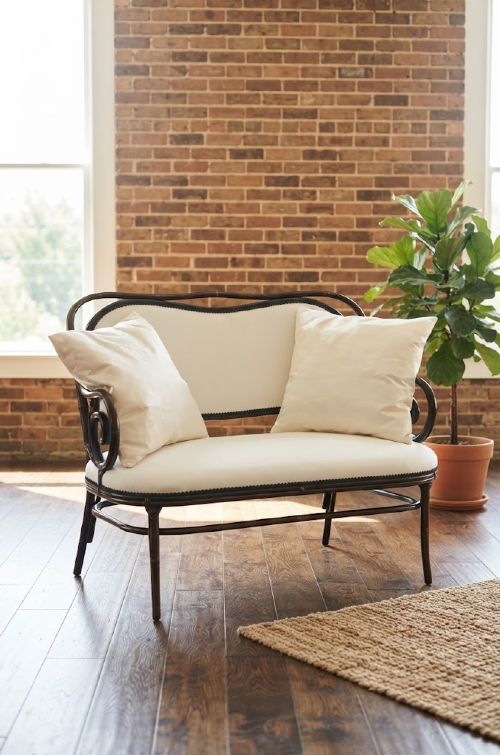
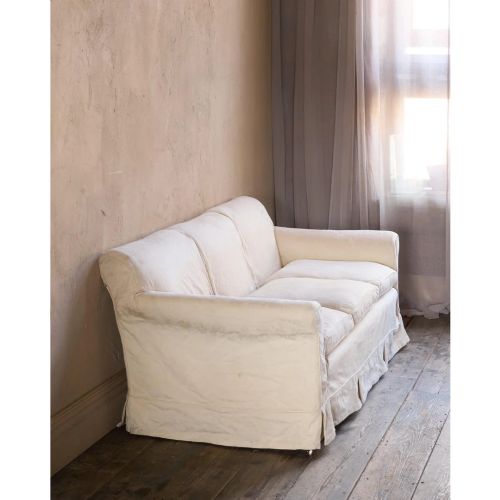
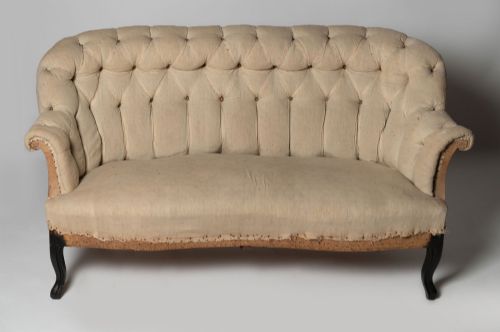
An antique two seater encompasses compact settees, small sofas, and window seats designed for pairs rather than large gatherings. The form appears across the Victorian and Edwardian periods, alongside French styles and English country house designs.
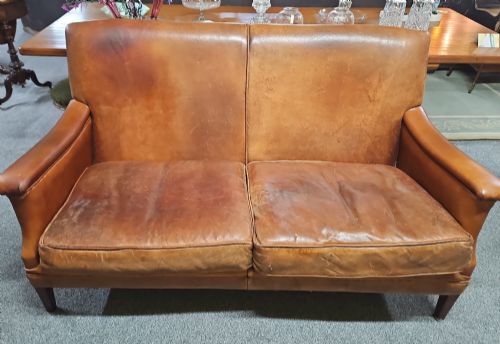
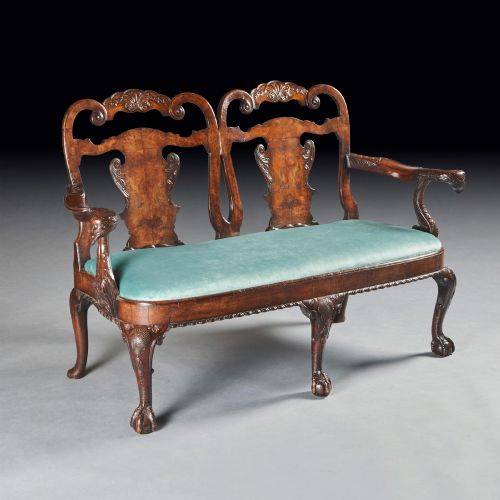
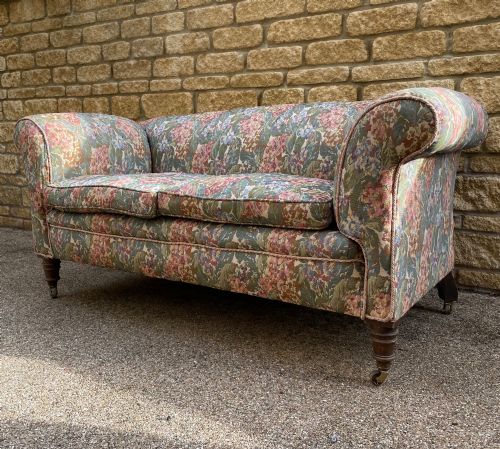
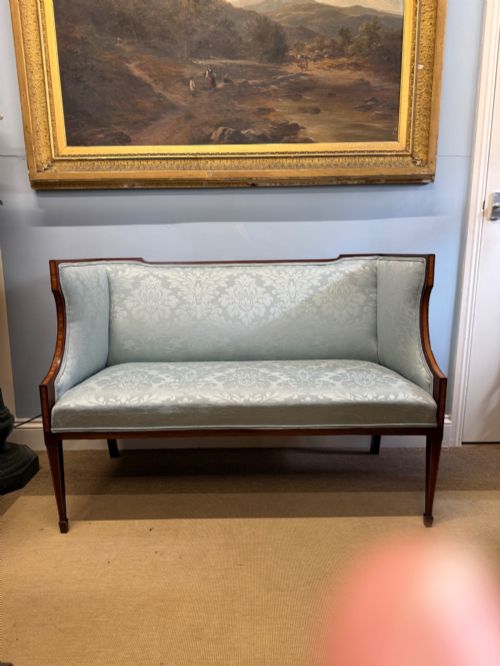
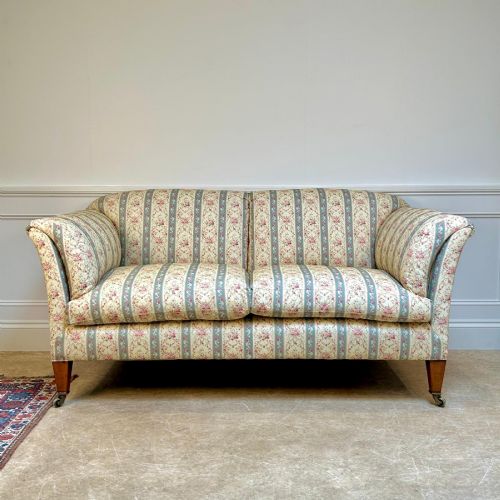
Most examples found in these selections take the form of upholstered salon sofas, mahogany-framed settees, or walnut twin-chair-back designs. Makers scaled these pieces for intimate spaces, boudoirs, and reception rooms.
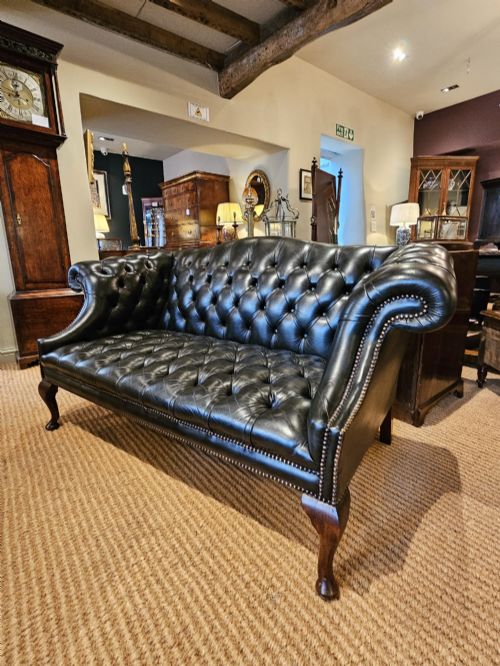
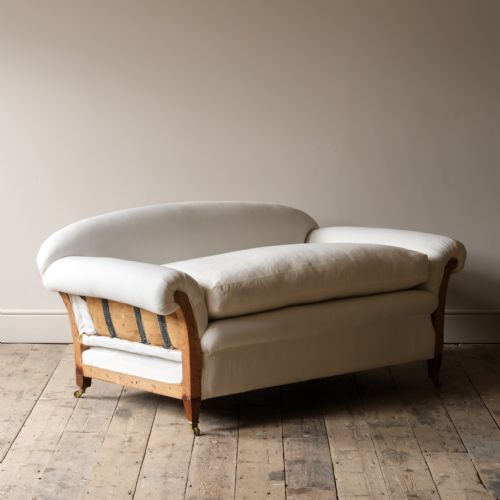
Makers adapted classical proportions to fit smaller footprints, resulting in items like drop-arm chesterfields, canapé styles, and low-seated country house couches.
Materials and Construction
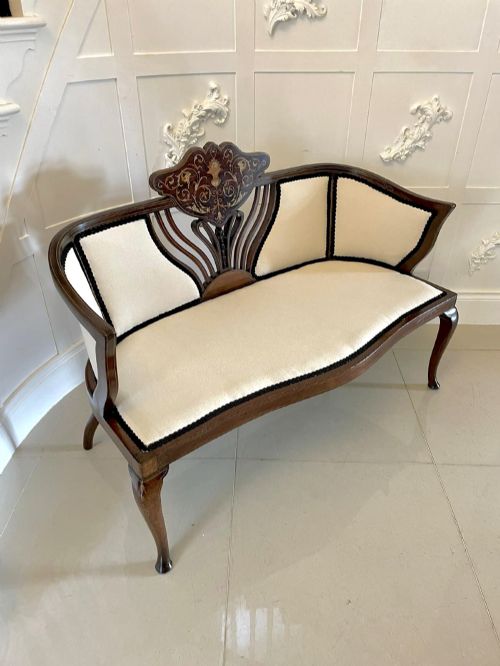
Frames rely on hardwoods such as mahogany and walnut, frequently enriched with satinwood inlay, giltwood finishes, or carved details. Structural stability depends on disciplined joinery and turned or fluted legs supporting the seat platform.
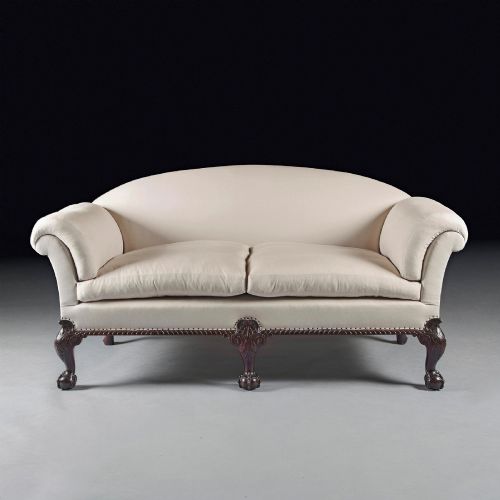
Upholstery incorporates traditional materials like leather, velvet, silk, and woven fabrics, often secured over sprung or padded foundations. Decorative elements include brass or ormolu mounts, ball and claw feet, and exposed wooden frames.
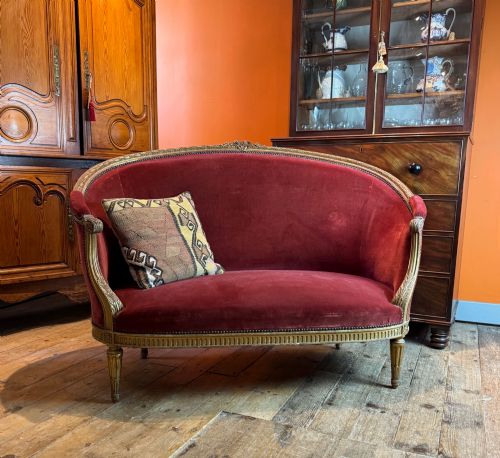
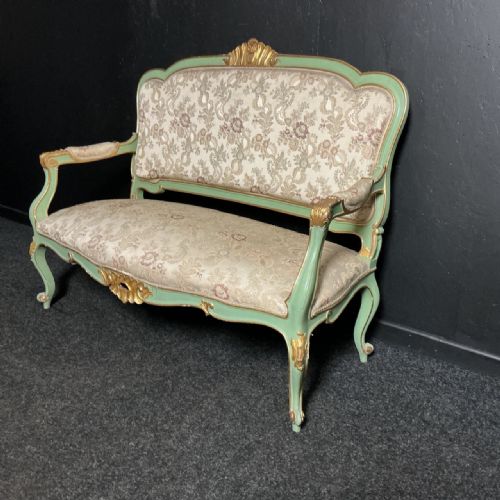
French pieces often utilise carved walnut or giltwood in Louis XV and Louis XVI styles, while English examples favour mahogany frames and deep-seated country house comfort.
Listings feature pieces from the 19th century through the Edwardian period, constructed in mahogany, walnut, and giltwood.
Distinctions in Execution
Superior pieces display crisp carving, well-chosen timber figures such as figured mahogany or walnut, and balanced proportions that reflect rigorous design. Finer examples maintain original frames and meticulous joinery that withstands centuries of use.
Makers of high-status pieces incorporated detailed inlay, Ormolu mounts, or signature upholstery systems which elevate the visual weight of a compact frame. Lesser examples rely on plain timber and simpler execution without decorative refinement.
The integrity of the structural frame and the fidelity of revival styles, whether Georgian design or French chateau influence, separate standard utility seating from masterworks.
Thonet·Howard and Sons·Jackson and Graham·Coalbrookdale·Hampton and Sons
The Antique Two Seater Glossary
- Canapé
- An upholstered French sofa or settee featuring an exposed wooden frame, typically carved in Louis styles. These pieces were standard in formal French salons.
- Corbeille
- A French sofa style characterised by a rounded or basket-like enveloping backrest. This form offers an enclosed and supportive seat.
- Ormolu
- Gilded bronze mounts applied to furniture for decorative enrichment. It appears frequently on French Empire revival and neoclassical pieces.
- Drop-arm
- A sofa mechanism allowing one or both armrests to lower into a horizontal position. This permits the user to recline.
- Bergere
- An enclosed armchair or sofa with woven cane panels on the sides and back. It became popular during the Edwardian period.
Antique Two Seater: Frequently Asked Questions
What is an antique two seater?
An antique two seater is a compact upholstered seat, settee, or small sofa designed for two occupants. These pieces date primarily from the Victorian and Edwardian eras.
Craftsmen scaled them for intimate spaces, drawing rooms, and bedrooms, employing traditional frames of mahogany, walnut, or giltwood.
Where were they used?
These settees served in domestic reception rooms, boudoirs, and hallways as secondary seating. Their smaller scale allowed them to fit into alcoves and window bays.
Country houses and urban townhouses alike utilised them for casual conversation or resting near a window.
How do I identify periods?
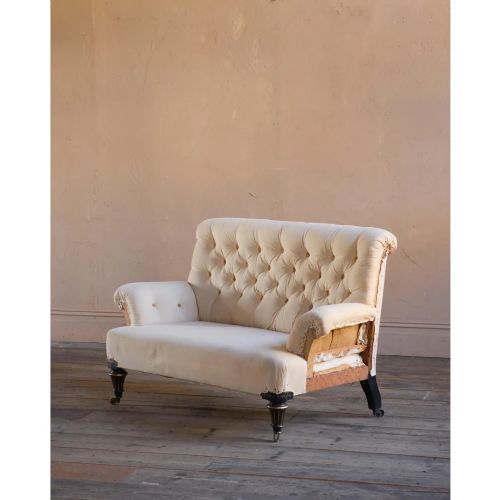
Period identification relies on wood choice, leg design, and upholstery style. Victorian pieces often feature heavy mahogany frames and button-backed velvet.
Edwardian examples lean towards lighter inlaid satinwood and delicate frames, while French revival pieces display carved walnut and giltwood details.
How do I live with them?
Living with an antique settee involves placing it where traffic is moderate to protect fragile fabrics and antique frames. Regular gentle dusting and professional care for vintage upholstery maintain their condition.
Their compact size makes them versatile for modern sitting rooms as accent seating.