


Antique English Settee
An antique English settee brings centuries of craftsmanship into a room, offering deep-seated comfort and distinct period character.
Antique English Settee
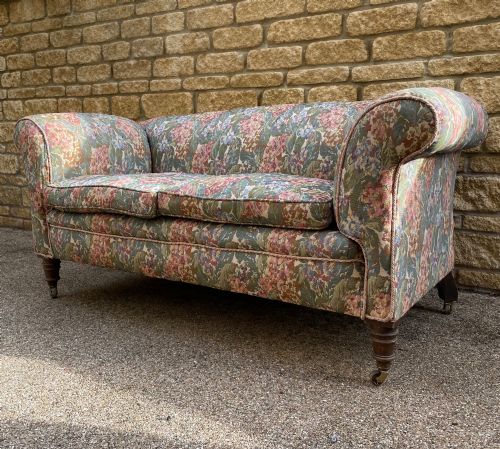
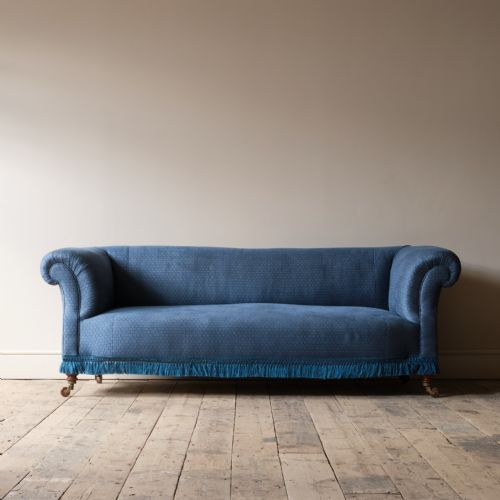
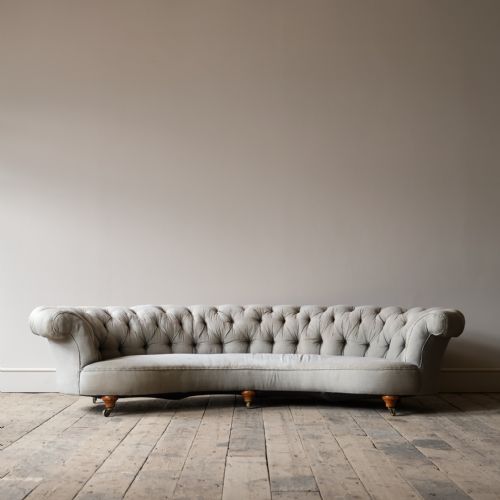
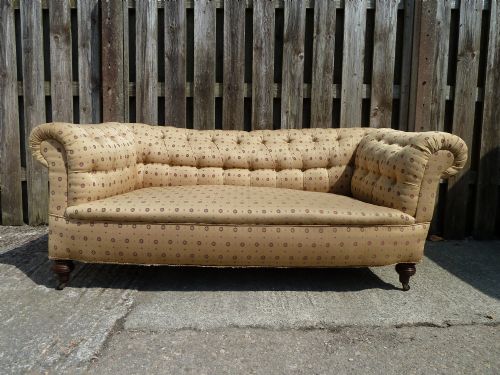
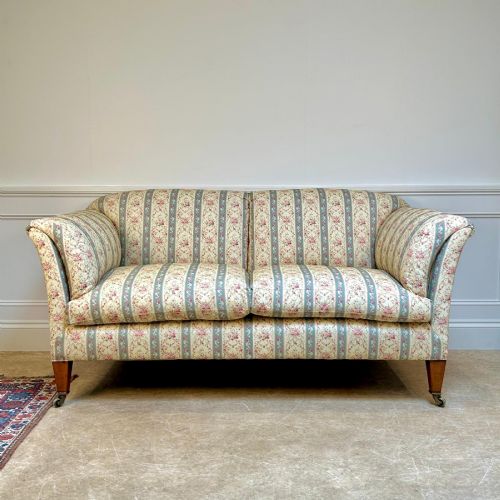
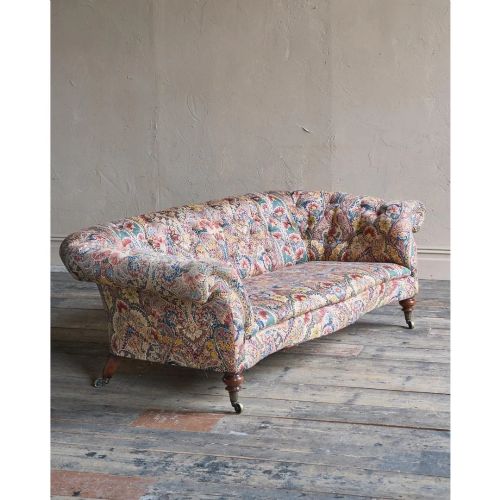
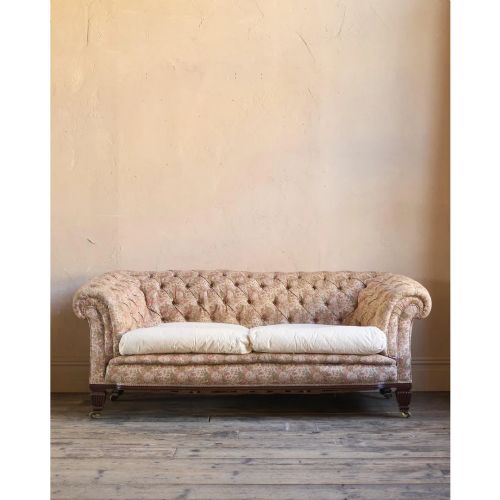
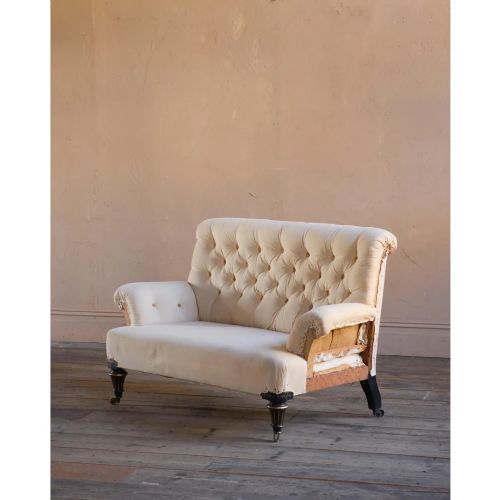
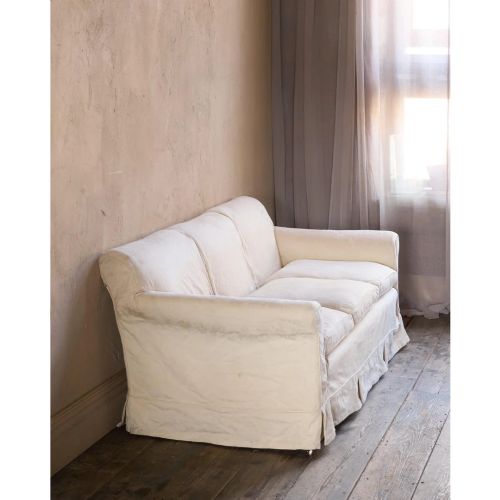
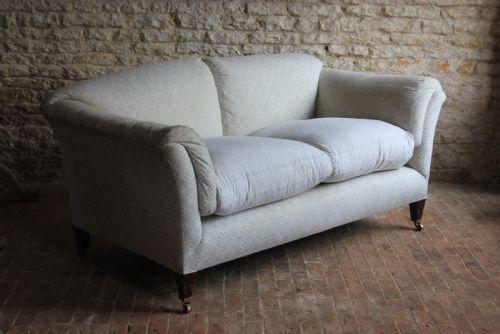
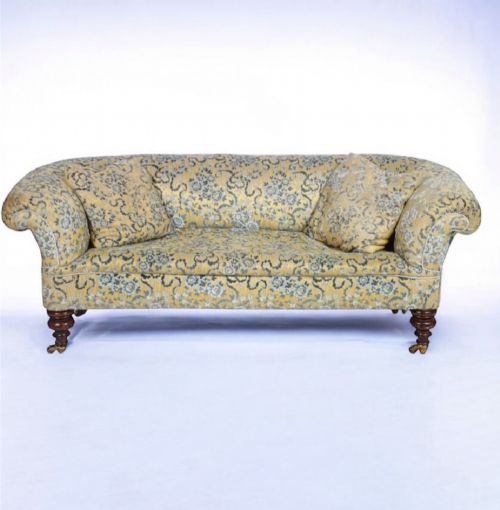
An antique English settee encompasses a broad category of seating, including nineteenth-century Chesterfield sofas, drop-arm designs, and double-ended couches. Buyers frequently encounter Victorian and Edwardian country house models upholstered in calico, leather, or patterned fabric.
The selection ranges from formal Regency rosewood day beds and Chippendale camel-back sofas to relaxed lounge suites and cane-backed bergere seating. Makers and workshops from the nineteenth and early twentieth centuries produced these pieces across various woods and styles.
How They Were Made
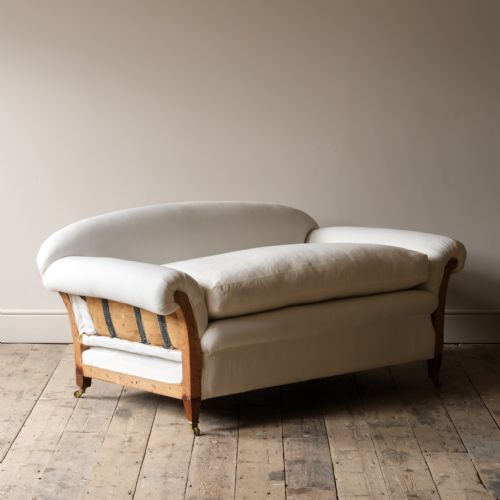
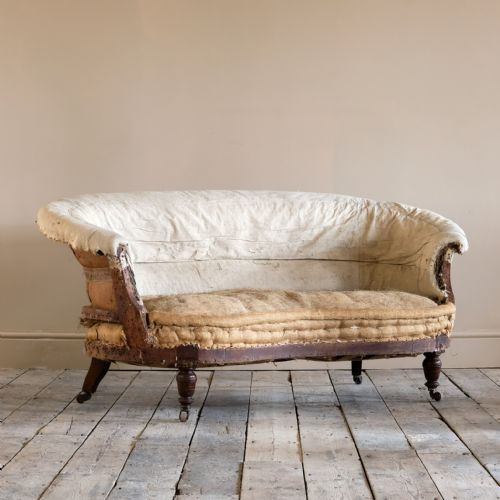
Frames rely on sturdy timbers such as mahogany, walnut, rosewood, and oak, often shaped with carved details or marquetry inlay. Artisans built internal support using traditional methods like horsehair filling and hand-tied coil springs.
Upholstery materials include button-backed leather, damask, calico, hessian, and cane panels. Structural flourishes feature painted and gilt finishes, brass fittings, and wrought iron in garden settings.
A whimsical nineteenth-century conch shell grotto sofa proves that Victorian seating could channel marine architecture with surprising commitment.
What Varies in Quality
Construction integrity sets superior pieces apart, visible in the resilience of the internal coil springing and the density of the horsehair stuffing. Maker attribution also elevates a piece, particularly when bearing stamps from established workshops.
Timber selection and cabinetwork refinement define the frame standard, from simple turned legs to intricate hand-carved mahogany and marquetry. Original upholstery components and preserved surface patination on leather or wood indicate higher preservation levels.
Howard and Sons·Hampton and Sons·Jackson and Graham·Jas Shoolbred·Gillows
The Antique English Settee Glossary
- Chesterfield
- A deep-buttoned upholstered sofa featuring arms and back of the same height. This form provides formal upright support while accommodating relaxed seating.
- Bergere
- An enclosed armchair or settee with cane wickerwork sides and back. It gained popularity during the Edwardian period and often includes loose squab cushions.
- Knole Sofa
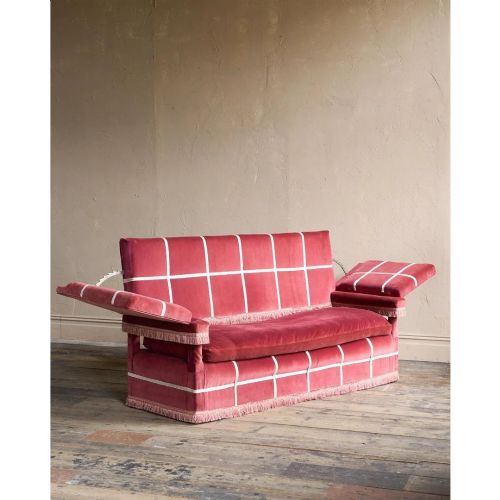
- A historic sofa style featuring hinged or adjustable drop arms that can be lowered or raised. Early versions often utilise heavy damask or silk upholstery.
- Chaise Longue
- An upholstered chair with a long seat for reclining, functioning as a day bed or couch. Victorian examples frequently exhibit carved mahogany or rosewood frames.
- Camel Back
- A sofa style distinguished by a graceful, undulating curved wooden top rail resembling a camel's hump. This Chippendale-associated form relies on clean wooden frames and exposed legs.
Antique English Settee: Frequently Asked Questions
How do I identify the period?
Period identification relies on examining the frame timber, carving styles, and upholstery construction methods. Victorian pieces often show heavy mahogany frames and button-backed leather, whereas Edwardian models frequently incorporate lighter walnut and cane.
Archival markers, such as maker stamps on legs or webbing, provide definitive dates and workshop origins.
Are these settees comfortable for daily use?
Many antique settees offer substantial comfort, particularly deep-seated country house models and coil-sprung Chesterfields. Internal hand-tied springing and horsehair stuffing provide robust support.
Buyers often select pieces with loose coil springing or down-filled cushions to balance historic authenticity with modern lounging preferences.
How should I care for leather upholstery?
Leather-upholstered Chesterbeds and club sofas require measured conditioning to prevent the hide from drying out. Routine dusting and application of appropriate leather balms preserve the natural patina.
Keeping antique leather away from direct heat sources and strong sunlight prevents cracking and maintains the finish.