





Victorian Period Settee
A victorian period settee brings substance and comfort to a room, offering deep seating shaped by nineteenth-century craft.
Victorian Period Settee
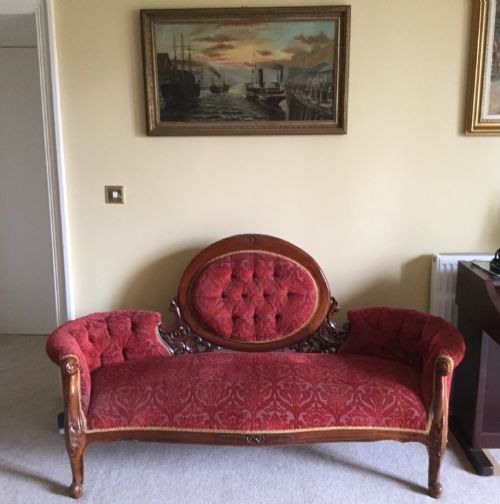
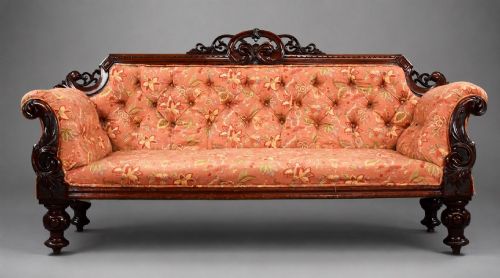
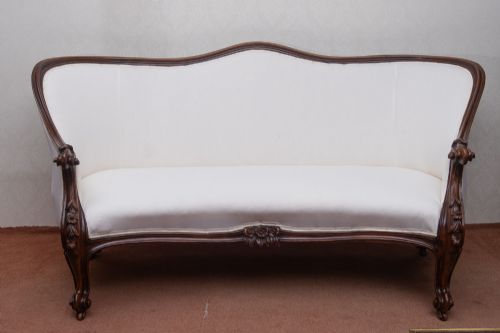
A victorian period settee provides generous seating across various forms, appearing most often on this page as mahogany or walnut framed sofas and smaller boudoir or conversation pieces. These items emerge from the nineteenth century in styles ranging from early William IV examples to late Victorian and Aesthetic movement designs.
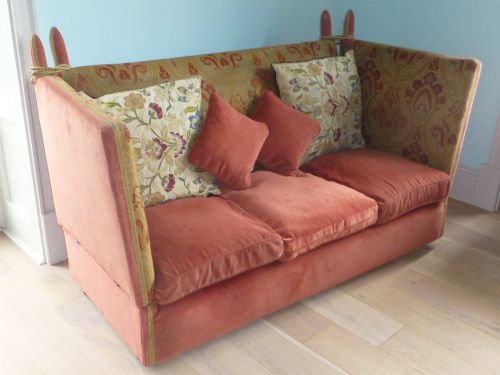
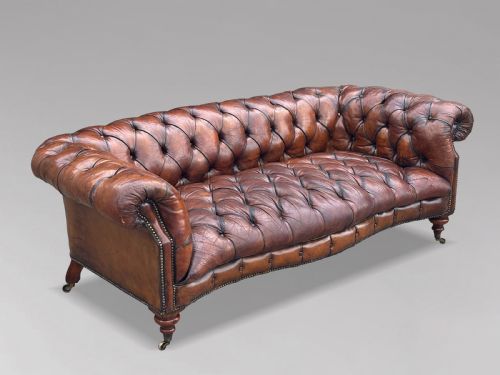
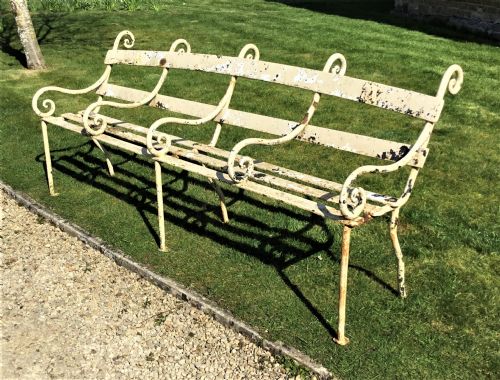
Buyers encounter distinct seating variants such as double-ended sofas, drop-arm Knole designs, and button-backed Chesterfields upholstered in velvet, brocade, leather, or tapestry fabric. Alongside interior furnishings, cast iron garden benches represent the era's outdoor seating options.
How they were made
Frames are constructed from solid hardwoods like mahogany, walnut, and rosewood, occasionally featuring carved gilt-wood or ebonised surfaces. Metal components such as brass fittings and cast iron structure appear on specific seating types.
Upholstery relies on traditional sprung bases layered with fabrics including velvet, brocade, woven textiles, leather, and tapestry. Drop arms and double-ended configurations required complex internal framing to maintain structural tension.
Upholstery materials recorded across the inventory include velvet, brocade, leather, tapestry, and woven fabric.
What varies in quality
The refinement of timber carving and the architectural balance of the frame set superior examples apart from standard production. Richly figured walnut and carved mahogany demonstrate a higher grade of cabinet-maker input.
The integrity of the upholstery build, from the resilience of the sprung base to the selection of deep pile brocade or leather, dictates the enduring comfort and finish of the piece.
Howard and Sons·Jas / James Shoolbred
The Victorian Period Settee Glossary
- Double-ended sofa
- A couch featuring symmetrical raised ends that allow a person to recline comfortably against either side. This form was popular during the nineteenth century for formal reception rooms.
- Chesterfield
- A deep-buttoned upholstered sofa traditionally finished in leather or heavy fabric with arms and back of the same height. It remains a staple of nineteenth-century seating design.
- Knole sofa
- An early upholstered form featuring hinged or drop arms that can be lowered to horizontal positions. The style originates from Knole House and was revived during the Victorian era.
- Aesthetic movement
- A late nineteenth-century design style focusing on artistic refinement, often incorporating ebonised wood and minimalist ornamentation. Pieces from this period reflect a shift away from heavy Victorian revivalism.
- Conversation settee
- A multi-seated piece shaped in an 'S' curve or circular formation to allow occupants to converse face to face. These intimate seats are frequently found in walnut frames.
Victorian Period Settee: Frequently Asked Questions
What is a victorian period settee?
A victorian period settee is a nineteenth-century upholstered seat designed for formal rooms, boudoirs, or gardens. These pieces range from large mahogany and walnut frames to intimate conversation seats.
They utilise traditional timber framing combined with sprung bases and textile coverings such as velvet, leather, and brocade. The category includes diverse forms like Chesterfields, drop-arm sofas, and garden benches.
How were these settees used originally?
These settees served as principal seating in nineteenth-century drawing rooms, receiving guests and providing comfortable spots for reading or needlework. Boudoir models were scaled down for private sitting rooms.
Conversation pieces were specifically built to encourage social interaction by positioning sitters at angles to one another. Garden settees extended this seating comfort to outdoor lawns and verandahs.
How do I style a victorian settee at home?
A victorian settee works well as a focal point in a living room, hallway, or bedroom, contrasting against neutral walls to highlight its wood frame and upholstery. Pairing it with simple modern furniture lets the nineteenth-century proportions stand out.
Consider the scale of the room and the fabric type, ensuring velvet or brocade finishes complement your existing interior palette. Cast iron garden settees can be placed on patios or lawns.
How do I tell different periods apart?
Early pieces from the William IV era often show heavier Rococo Revival carving and rosewood or mahogany frames. Mid-Victorian items lean towards walnut frames with curved lines and button-backed upholstery.
Late Victorian and Aesthetic movement pieces introduce ebonised finishes and simpler, linear forms. Examining the timber choice and carving style helps determine the approximate decade of manufacture.