
Antique Velvet Couch
An antique velvet couch brings nineteenth-century presence into a room, offering deep upholstery and carved timber frames.
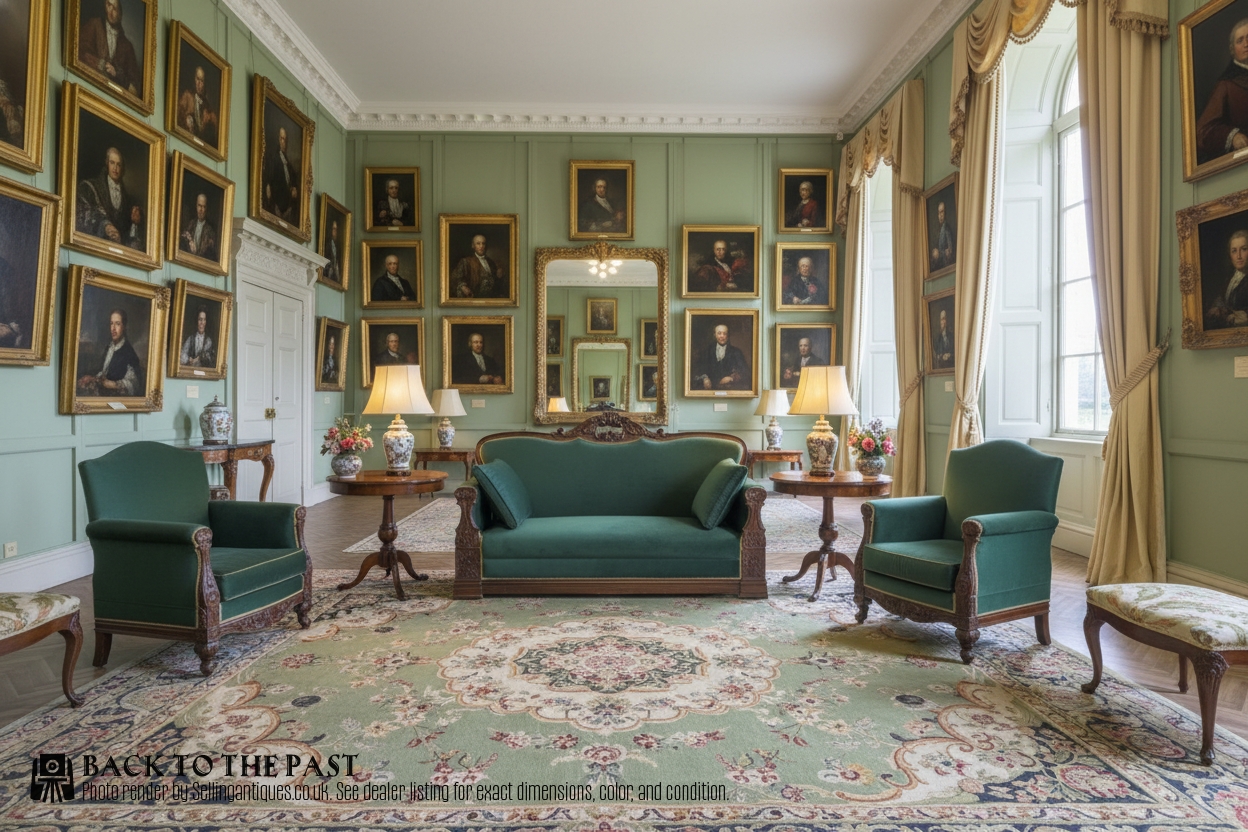
Antique Velvet Couch
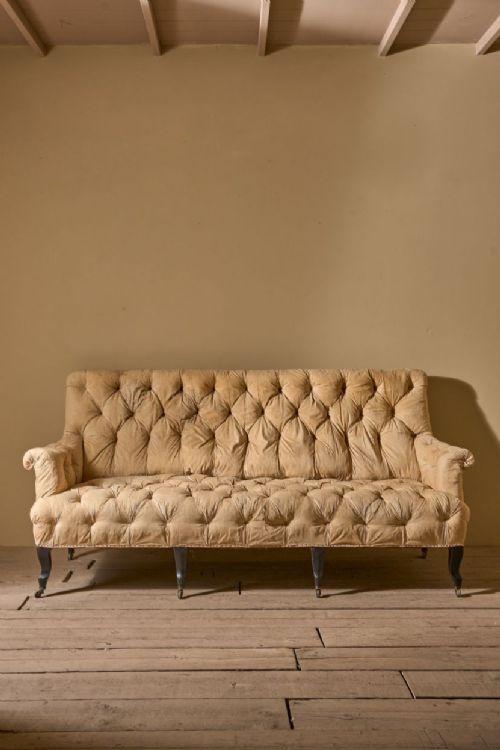
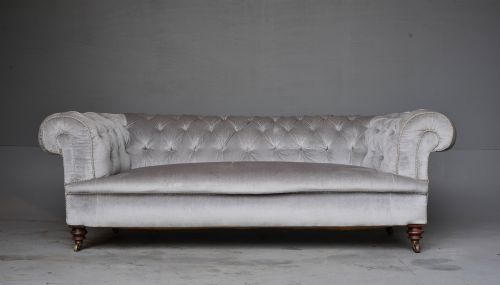
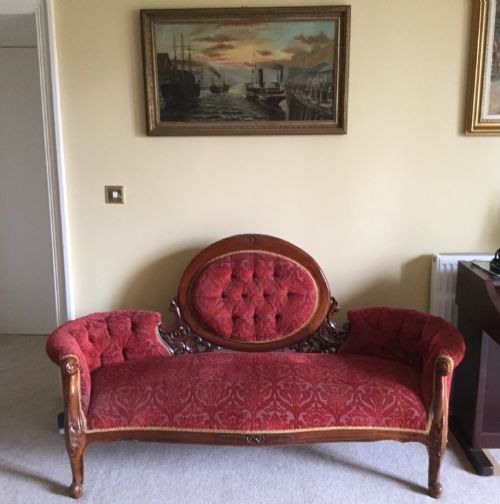
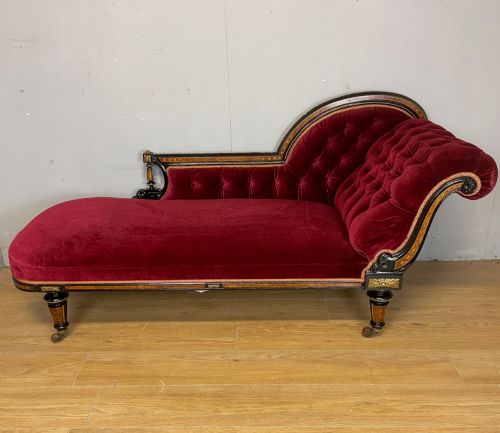
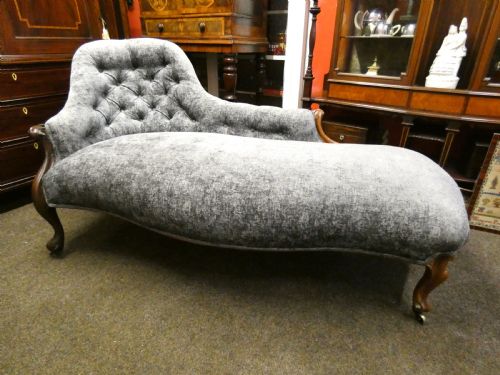
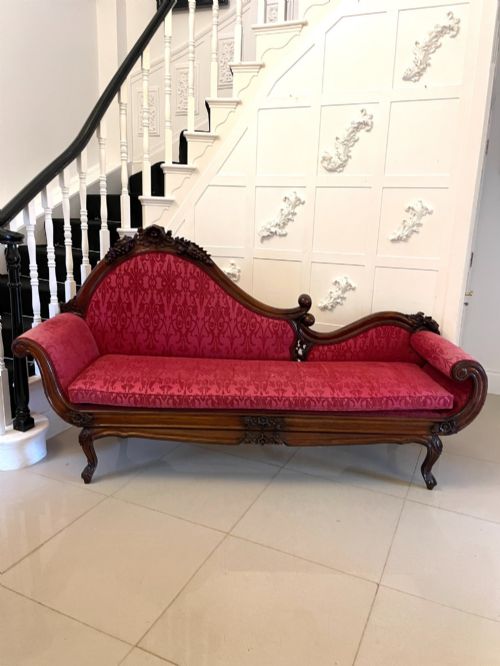
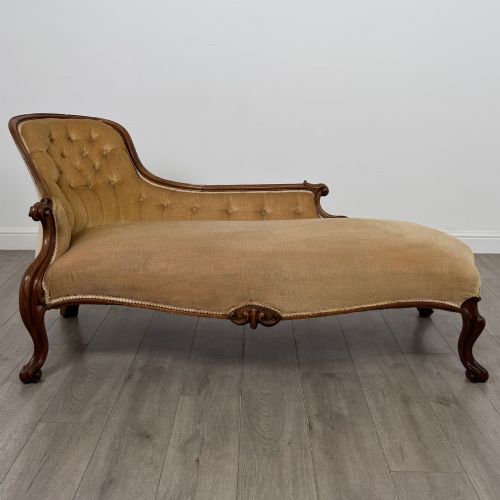
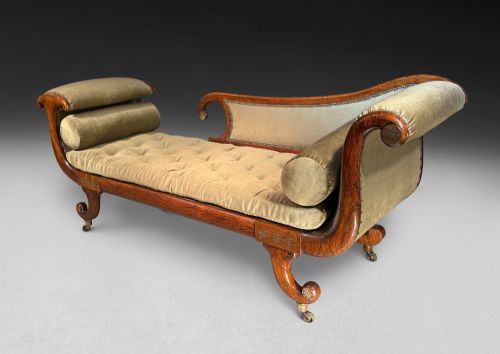
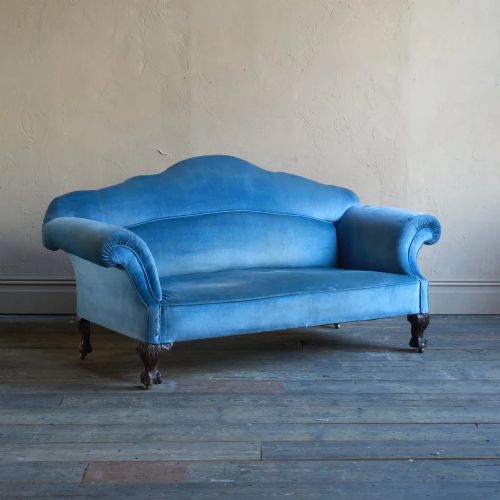
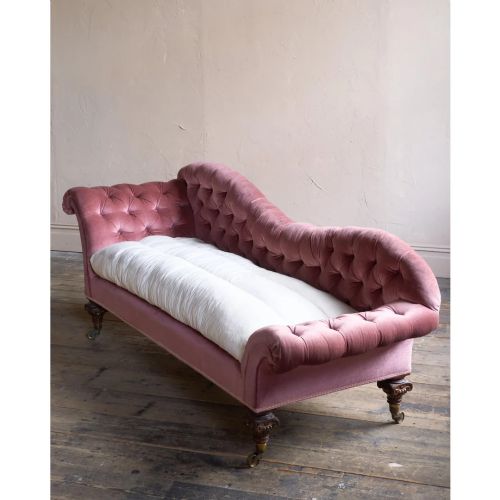
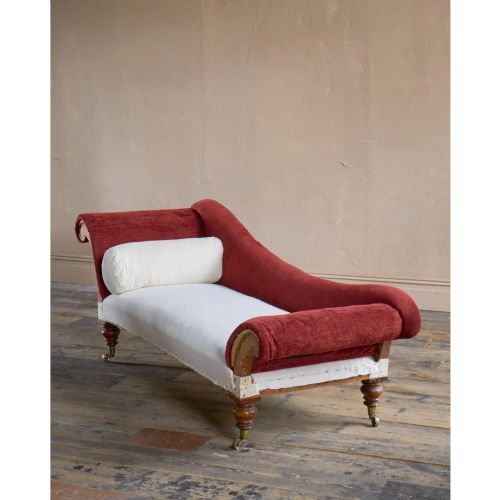
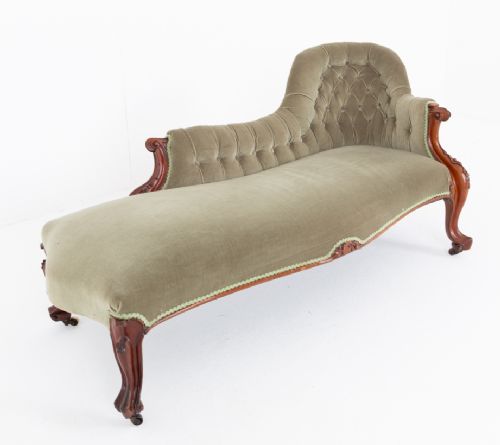
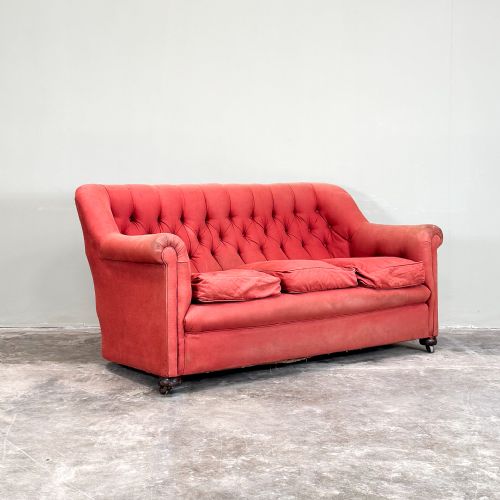
When searching for an antique velvet couch, buyers encounter nineteenth-century forms ranging from Victorian chesterfields and drop-arm settees to elongated chaise longues and salon seats. The selection spans the Regency, Victorian, and Edwardian periods, reflecting changing domestic fashions across those decades.
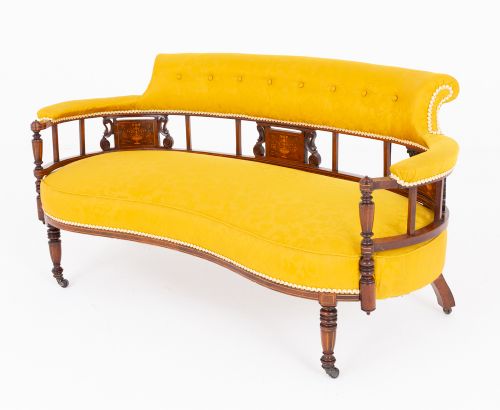
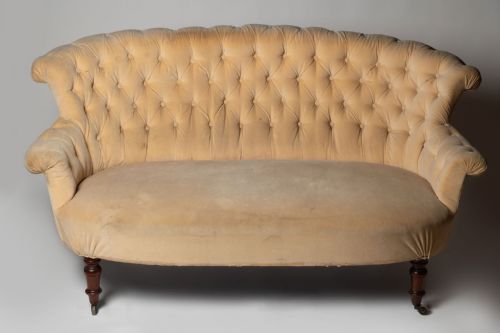
Chaise longues and low-backed settees dominate the listings, frequently sharing space with buttoned-back and double-ended configurations. Frames take various silhouettes, including camelback, kidney, and serpentine shapes rooted in Georgian proportions or revival styles.
Origins stretch from English country houses to French chateaux, bringing distinct regional carving traditions to the woodwork beneath the fabric. Pieces range from intimate petite proportions designed for smaller rooms to large reception salon daybeds.
Materials and construction
Frames rely on substantial hardwoods, predominantly mahogany and walnut, alongside rosewood, ebonised timber, and simulated rosewood. These timbers provide the structural rigidity required for heavily sprung bases and carved show-wood sections.
Upholstery relies on traditional techniques utilising sprung bases, horsehair stuffing, and deep-pile fabrics such as brocade, silk velvet, and plain velvet. Decorative metal elements including brass inlay, ormolu mounts, and castors complete the construction.
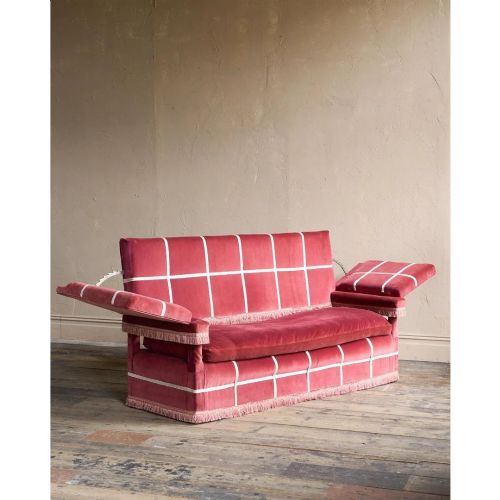
Some nineteenth-century chaises feature cunning drop-arms designed for a daytime nap without mussing a lady's bonnet.
Judging quality and execution
The distinction between ordinary and exceptional pieces lies in the crispness of the timber carving and the architectural integrity of the frame. Superior examples display fluent hand-carved detail on walnut or mahogany rails, whereas simpler items utilise plain turned legs.
Proportion and scale dictate the visual balance of a settee, with finer pieces maintaining harmonious lines across camelbacks or double-ended scrolls. The integration of decorative details, such as brass inlay or ormolu mounts, separates standard workshop output from higher-status commissions.
Howard and Sons·Holland and sons
The Antique Velvet Couch Glossary
- Chaise longue
- An upholstered sofa in the shape of a chair that is long enough to support the user's legs. Many nineteenth-century examples feature a single raised headrest and an open side.
- Chesterfield sofa
- A large upholstered settee traditionally characterised by deep buttoning, rolled arms of the same height as the back, and low seating. Nineteenth-century versions often sit on turned wood legs with castors.
- Ormolu
- Gilded bronze or brass applied as decorative mounts to furniture frames. It appears frequently on French nineteenth-century pieces alongside inlaid wood panels.
- Drop-arm sofa
- A settee featuring hinged armrests that can be lowered to convert the seating into a daybed. These mechanisms allow adjustable lounging positions.
- Bergere
- An enclosed upholstered armchair or sofa with wooden framing and cane or upholstered sides. The style gains popularity in late nineteenth and early twentieth-century interiors.
Antique Velvet Couch: Frequently Asked Questions
How do I care for antique velvet upholstery?
Velvet requires gentle brushing with the grain to maintain the pile and prevent flattening over time. Avoid direct sunlight to protect dyed textiles from fading.
Professional cleaning is advisable for older fabrics to preserve the structural integrity of the underlying horsehair stuffing and spring systems.
Can these couches be used every day?
Most nineteenth-century frames possess robust hardwood construction suitable for daily sitting when properly maintained. Consideration should be given to the internal webbing and springs, which may require professional re-tensioning.
Fragile show-wood or delicate fabric may benefit from placement in lower-traffic rooms to preserve their condition.
How do I date a Victorian velvet sofa?
Dating relies on stylistic clues such as the transition from heavy rosewood carvings in mid-century pieces to ebonised or inlaid walnut details later on. Leg styles also shift from heavy cabriole forms to slender tapered or turned supports.
Upholstery techniques and framing methods offer additional chronological markers when examining the interior construction.