
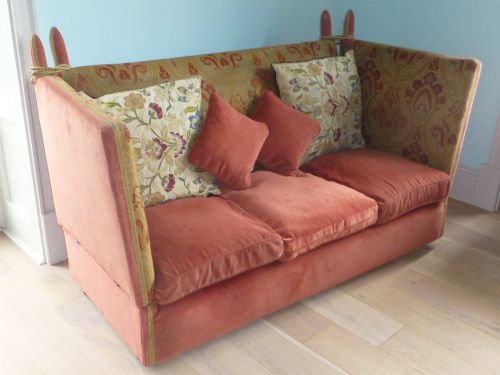


Victorian Velvet Couch
A victorian velvet couch brings warmth and tactile richness to a room, offering deep comfort paired with sculptural nineteenth-century woodwork.
Victorian Velvet Couch
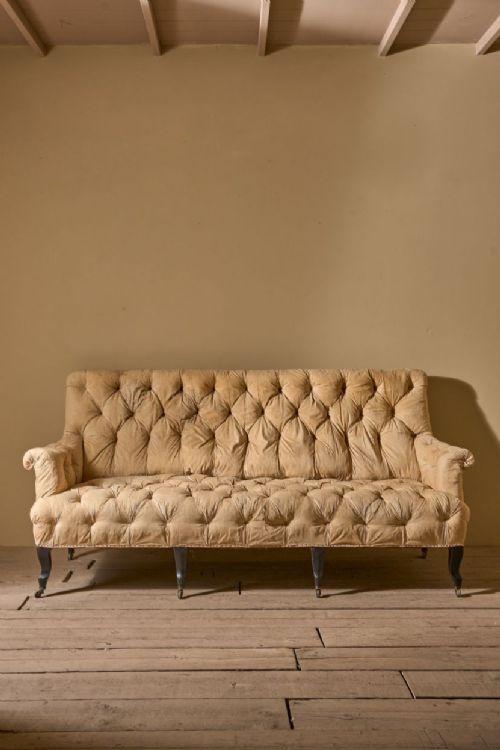
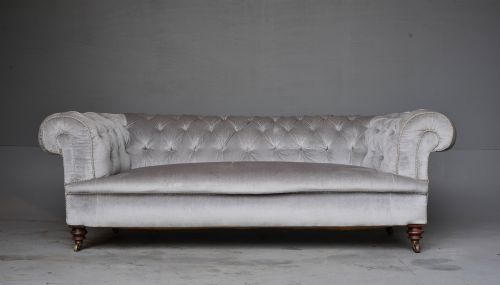
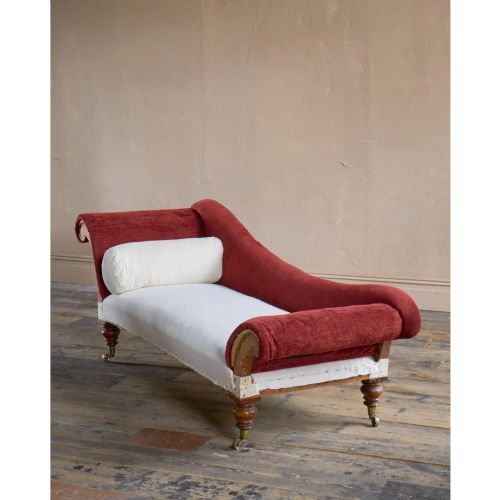
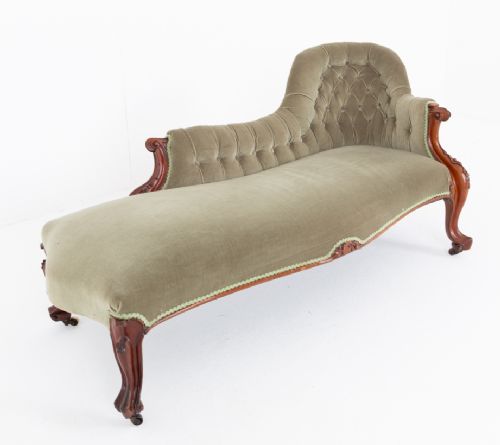
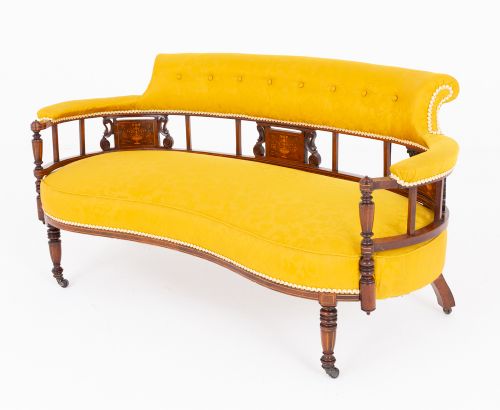
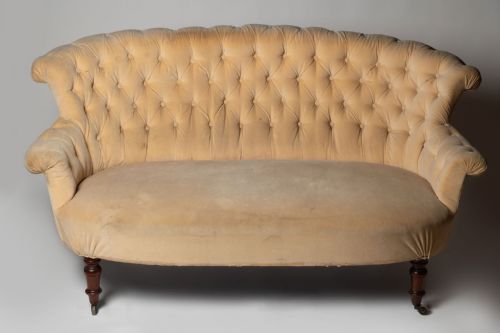
When you search for a victorian velvet couch, you encounter a range of nineteenth-century seating forms including chaises longues, day beds, button-backed settees, and generous Chesterfield sofas. These pieces originate primarily from the Victorian period, alongside related nineteenth-century designs such as Napoleon III, Aesthetic Movement, and Regency styles.
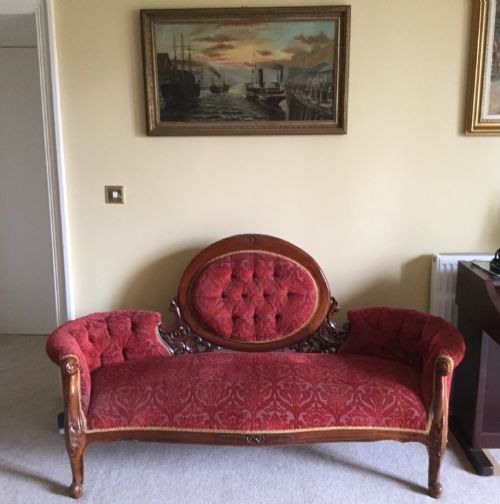
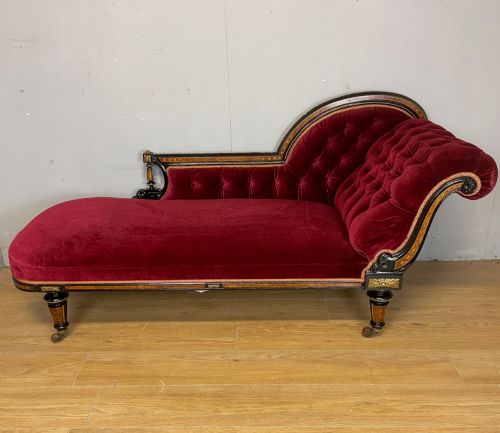
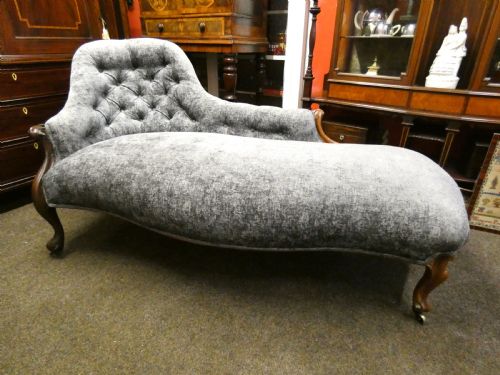
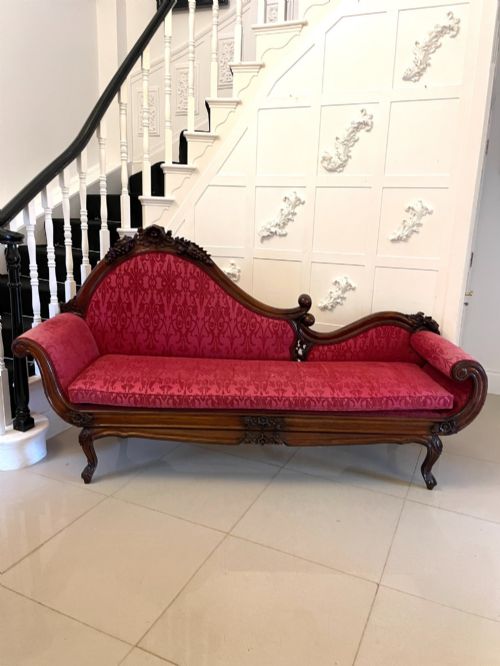
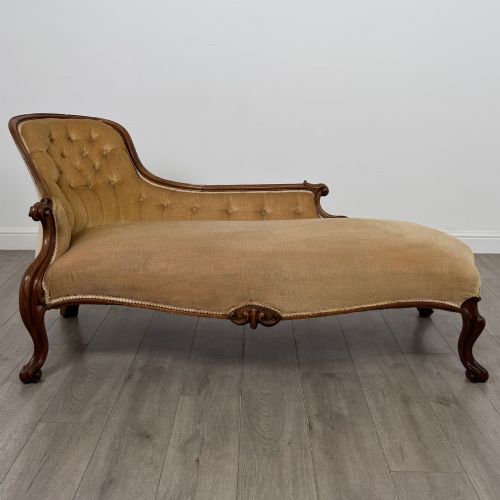
The version you are most likely to meet on this page is a chaise longue or a carved mahogany, walnut, or rosewood settee upholstered in velvet or brocade. They span the nineteenth century, with makers and workshops producing everything from compact bedroom sofas to large reception salon chaises.
How they were made
Frames are constructed from dense timbers such as mahogany, walnut, rosewood, and ebonised wood, often carved with elaborate details, ionic column legs, or inlaid panels. Cabinetmakers joined these robust structural skeletons to support heavy upholstery.
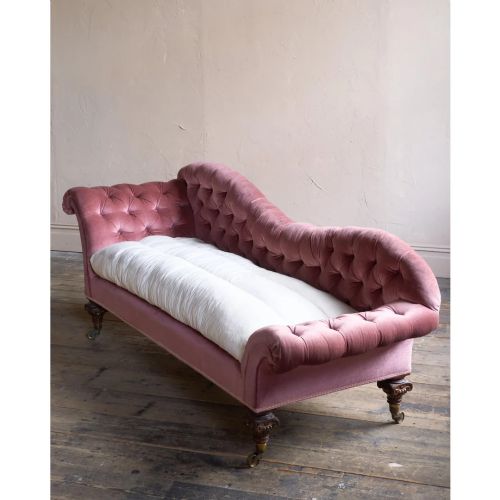
Upholstery relies on traditional techniques involving sprung settee bases, deep buttoning, and plush pile fabrics like velvet, sometimes accented with brass or ormolu mounts, fringe, and tassel trim.
Victorian Velvet Couch Retail Price Guide 2026
Typical asking prices for victorian velvet couch among the pieces listed under this phrase on Sellingantiques today, from the lower quarter to the upper quarter. They describe what is for sale here now, not the wider market.
One day bed survives complete with blue velvet and a tassel trim, ready for an afternoon nap.
What varies in quality
The distinction between tiers rests upon the crispness of the timber carving and the architectural ambition of the frame, whether an ornate spoon back or a fluid rosewood chaise curve. Finer examples display meticulous joinery, substantial proportions, and retained decorative elements such as ormolu or inlaid walnut.
Material selection and historical integrity dictate the standing of a piece, from simple turned legs to sculptural columns and robust spring construction. The harmony between the exposed timber frame and the depth of the velvet upholstery defines the piece's overall presence.
Holland and Sons·Howard and Sons·Hampton and Sons
The Victorian Velvet Couch Glossary
- Chaise longue
- An upholstered sofa in the form of a chair with a long seat for reclining. This elongated form developed specifically for resting while remaining seated upright.
- Chesterfield sofa
- A large sofa with deep buttoning and arms and back of the same height. This traditional form provides substantial seating capacity.
- Orpiment
- A mineral used historically for yellow pigments, though relevant here alongside ormolu, which denotes gilded bronze mounts applied to furniture. These metallic details enrich the timber frames.
- Brocade
- A class of richly decorative shuttle-woven fabrics, often made with coloured silks and sometimes with gold and silver threads. It appears on seating alongside deep pile velvet.
- Ebonised
- Wood finished to resemble ebony by staining or painting it black. This dark finish frequently characterises Aesthetic Movement and Napoleon III pieces.
Victorian Velvet Couch: Frequently Asked Questions
What defines a Victorian day bed?
A Victorian day bed is a piece designed for reclining during the day, combining a supportive timber frame with upholstered cushions.
These pieces often feature exposed wood such as mahogany or walnut alongside velvet or fabric coverings.
How do I identify a Howard style sofa?
Howard style sofas from the nineteenth century typically feature deep, comfortable proportions, low rolled arms, and turned wooden legs with castors.
They are built for deep seating comfort and traditionally upholstered in heavy fabrics.
What is a conversation seat?
A conversation seat is a multi-sided upholstered piece designed so two or more people can sit facing different directions while talking.
They often incorporate turned timber supports such as barley twist frames within the nineteenth-century design.
Are these sofas suitable for modern living?
These nineteenth-century pieces integrate well into contemporary interiors as statement seating in reception rooms, studies, or bedrooms.
Their robust timber frames and upholstered surfaces provide both functional seating and historical character.