

Painted Pine Bookcase
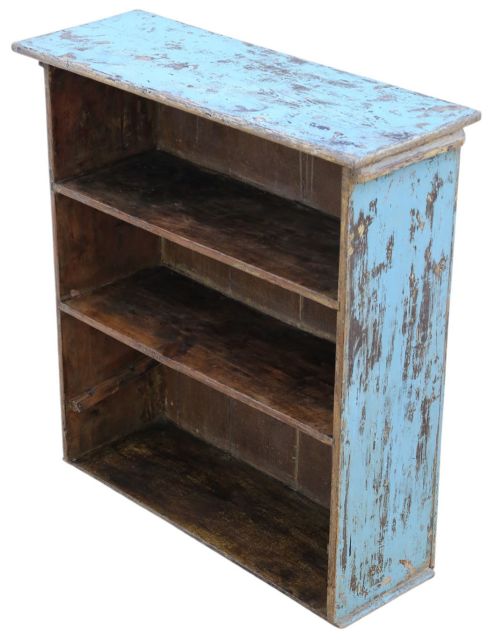
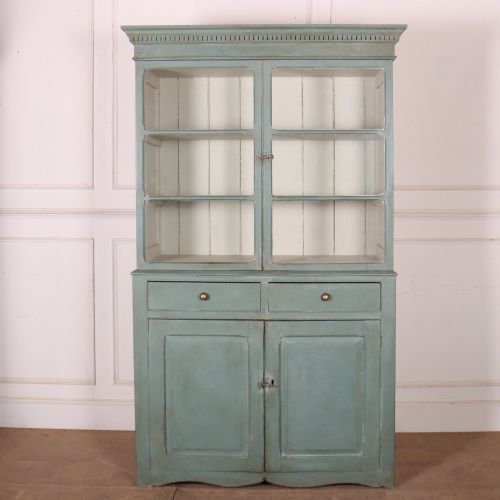
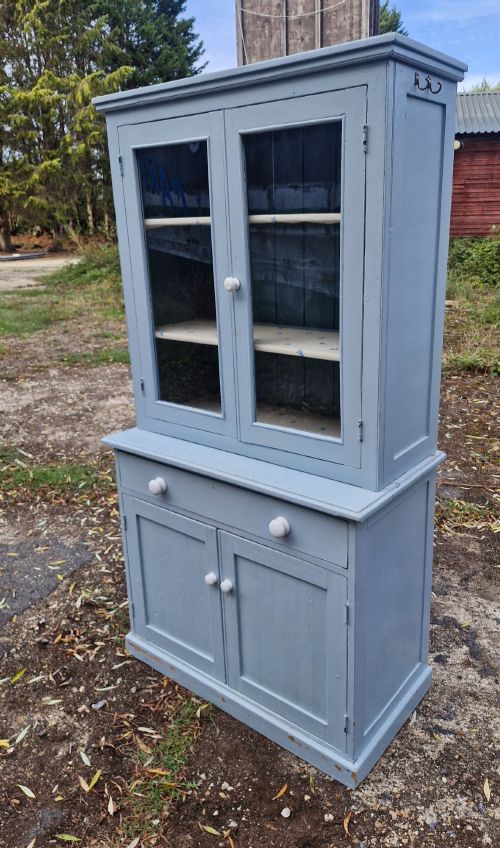
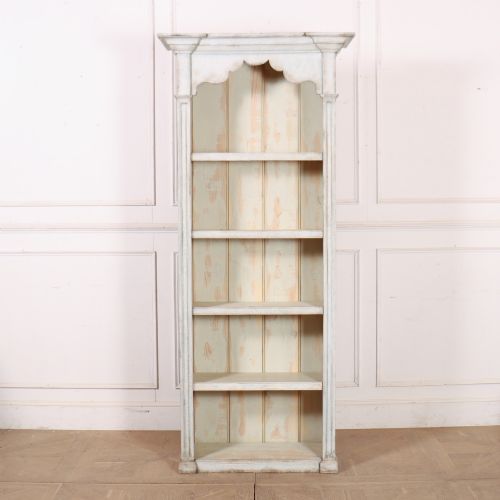
When you search for a painted pine bookcase, you are looking at practical utility softened by generations of applied colour and domestic use.
Painted Pine Bookcase
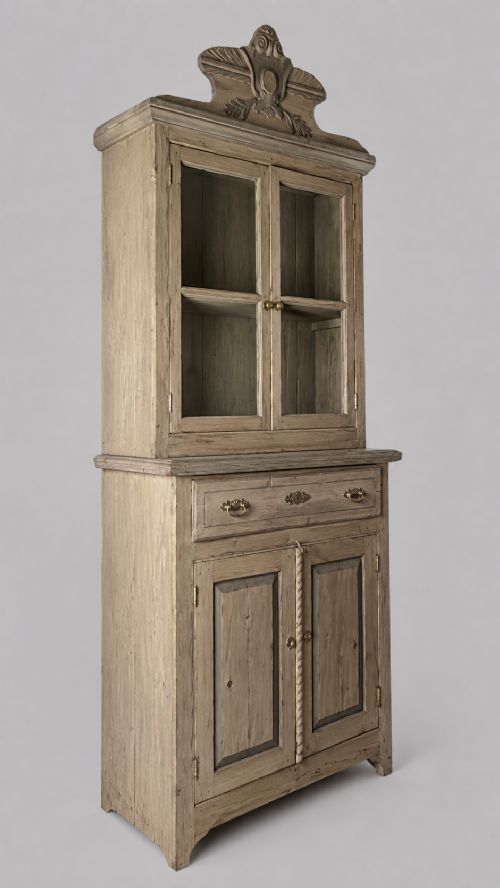
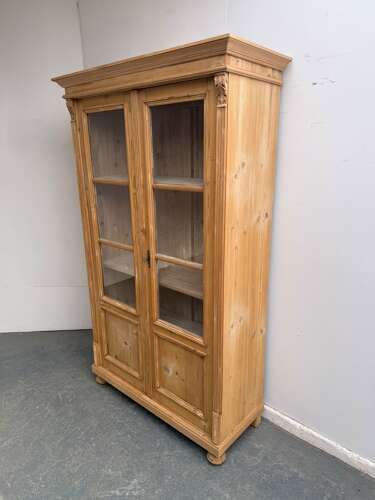
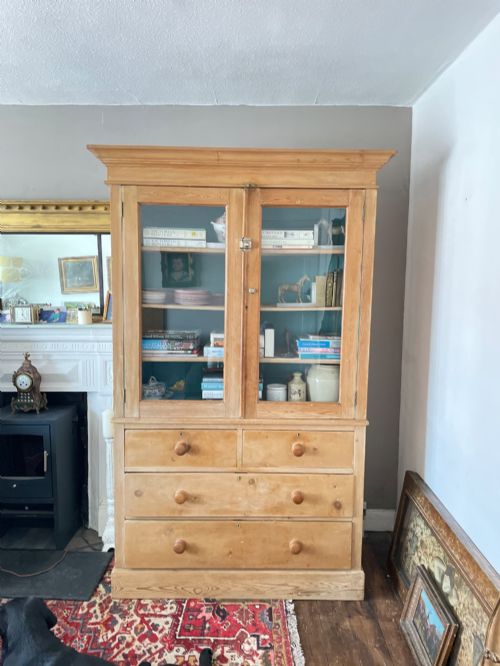
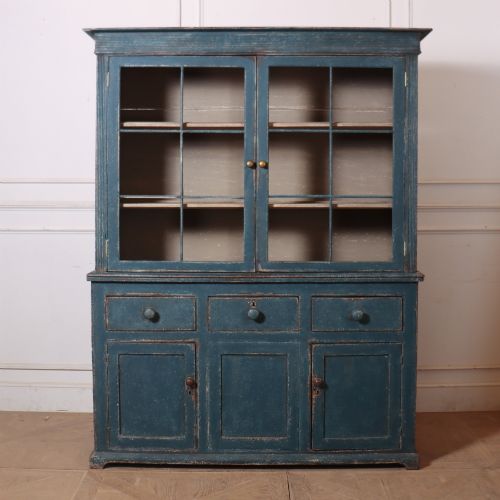
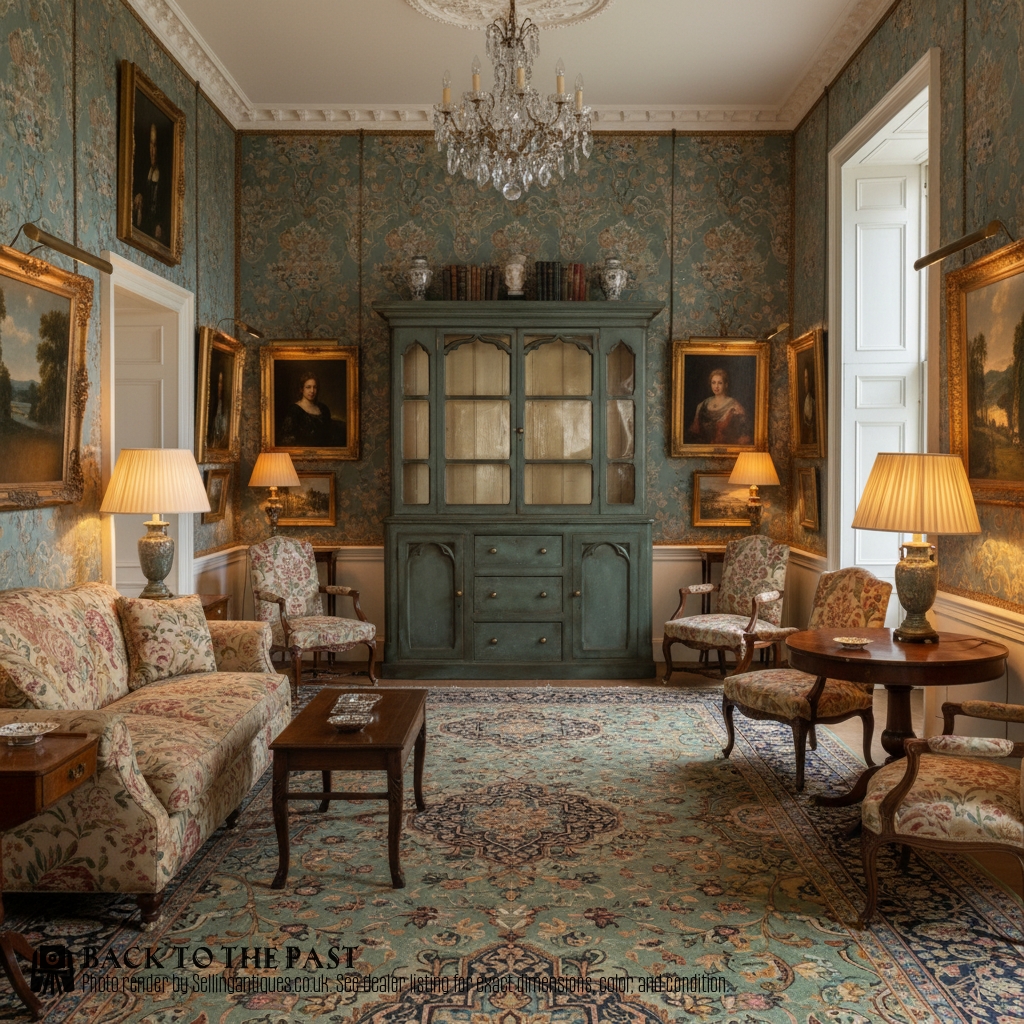
A painted pine bookcase serves as a versatile storage vessel for books and display, combining utilitarian timber construction with decorative surface treatments. When you browse this selection, you encounter pieces originating from English, French, Scandinavian, and Scottish traditions spanning the eighteenth, nineteenth, and early twentieth centuries.
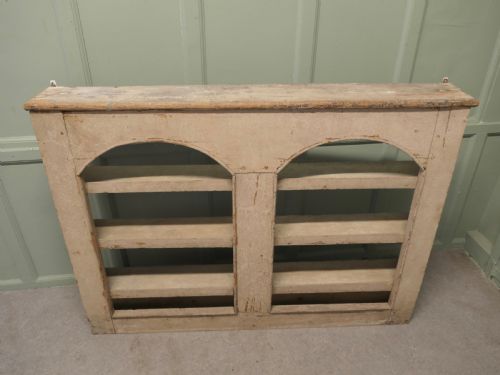
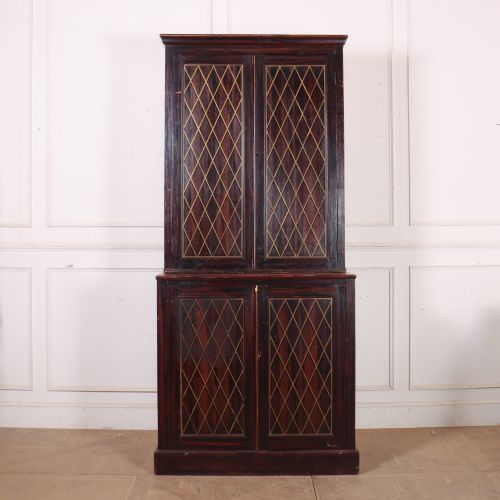
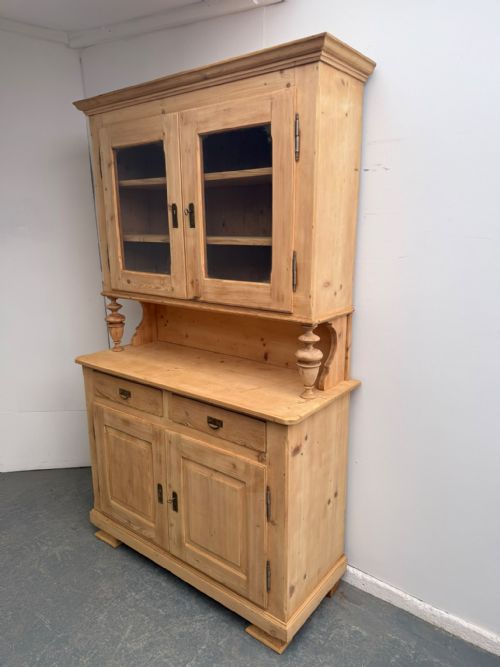
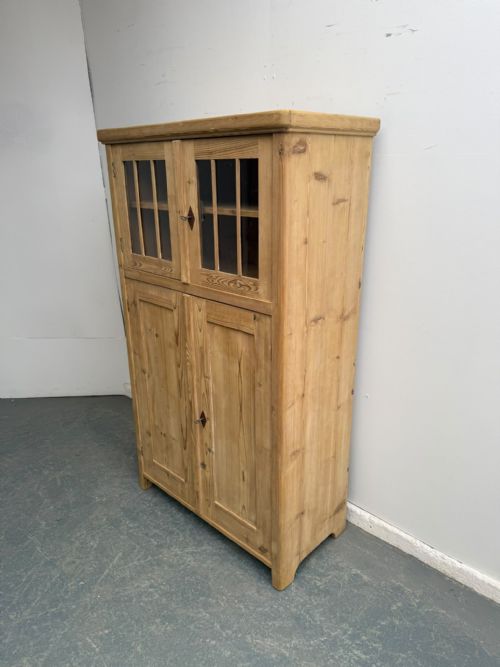
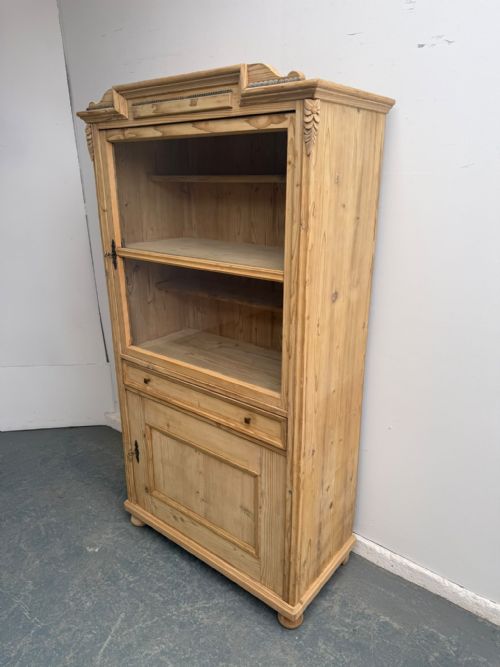
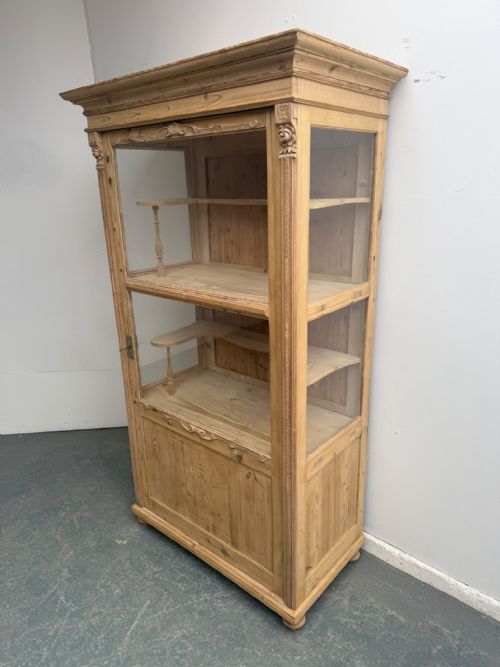
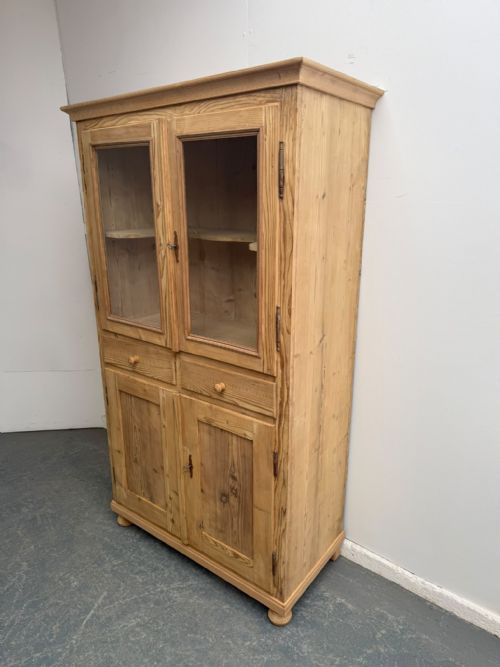
The format ranges from compact open shelving and tall library bookcases to two-part kitchen cupboards, glazed display cabinets, and bureau bookcases with fitted desks. Among these variants, nineteenth-century English and French examples with glazed upper doors or open pine shelves appear most frequently on this page.
Regional vernacular styles dominate the selection, showing distinct characteristics from West Country dressers to Scandinavian country cabinets. These pieces bridge the gap between humble utility furniture and decorative interior design through the application of historic paint layers.
How they were made
Carpenters constructed these carcasses primarily from native softwoods, utilising solid pine boards for structural stability and shelving. Joinery methods typically relied on straightforward panel construction, dovetailed drawers, and pegged joints designed for everyday service.
Surfaces received protective and decorative coatings utilising distemper paint, oil-based colours, or traditional wax finishes over exposed timber. Subsequent generations often applied new layers of paint, resulting in complex patinated surfaces that reflect centuries of domestic maintenance.
Listings feature eighteenth-century Georgian and nineteenth-century Victorian periods, utilising pine, glass, brass, and distemper paint across English, French, and Scandinavian origins.
What varies in quality
Quality rests upon the integrity of the original timber frame, the subtlety of the proportions, and the character of the surface finish. Pieces retaining early or original paint schemes hold greater interest than those stripped down or repeatedly repainted without regard for historic layers.
Construction details such as dovetailed drawer linings, original glass panes in glazed doors, and intact architectural pediments separate standard utility cupboards from finer cabinetmaker pieces. The balance between the utilitarian weight of the pine and decorative details like carved mouldings defines the success of each piece.
The Painted Pine Bookcase Glossary
- Distemper paint
- A water-based medium utilising size or glue as a binder, yielding a matte finish that chalks slightly with age.
- Breakfront
- A cabinet design where the central section projects forward from the flanking wings, adding architectural depth.
- Waterfall bookcase
- A graduated shelving unit where the side panels step back toward the top, creating a tiered profile popular in the Regency period.
- Scrumbled
- A decorative graining technique where a translucent top glaze is manipulated with combs or rags over a lighter base colour to imitate more expensive hardwoods.
- Glazed
- Fitted with glass panels in the doors to display books or china while protecting them from dust.
Painted Pine Bookcase: Frequently Asked Questions
How do I date a pine bookcase?
Dating relies on examining construction marks, nail types, and backboards. Hand-sawn timber boards and square-headed wrought nails generally point toward eighteenth or early nineteenth-century origins.
Later Victorian pieces often exhibit circular-sawn timber and more standardised machine-cut components. Paint analysis and style motifs like regency waterfalls or Victorian breakfronts help narrow the timeline further.
Are these bookcases suitable for heavy books?
Solid pine construction offers robust weight-bearing capacity suited for extensive book collections. Many original shelves feature central vertical supports or reinforced undersides to prevent bowing under heavy volumes.
Adjustable shelf systems appear in later nineteenth-century variations, allowing customization of shelf heights. Fixed shelves in earlier country pieces provide maximum structural stability.
How should I care for historic painted surfaces?
Preserving historic paint requires avoiding harsh chemical cleaners and modern solvent-based polishes. Light dusting with a dry microfiber cloth prevents dirt accumulation without disturbing fragile distemper or oil paint layers.
Maintaining stable indoor humidity prevents timber shrinkage that can cause paint to flake or craze. Professional conservation wax may be applied sparingly if the surface shows dryness.
What is the difference between a dresser and a bookcase?
A kitchen dresser traditionally combines lower cupboards and drawers with open upper plate racks for domestic dining ware. A bookcase focuses primarily on shelved storage for books, occasionally featuring enclosed lower cupboards or glazed upper doors.
Many transitional pieces blur these lines by serving multiple functions for both culinary storage and library display.