

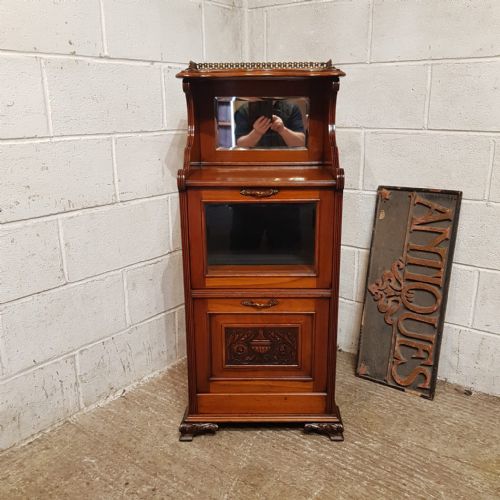
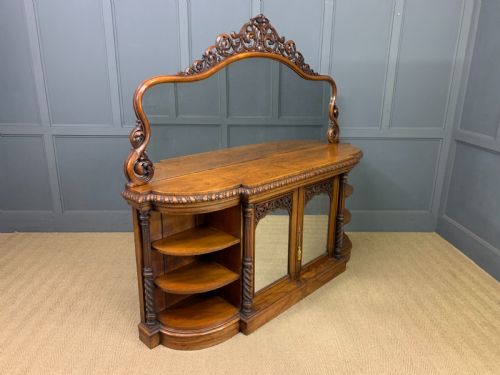

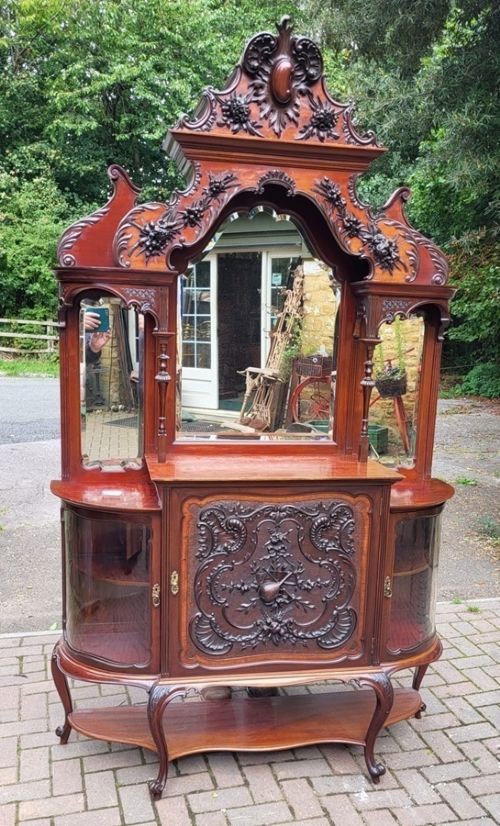
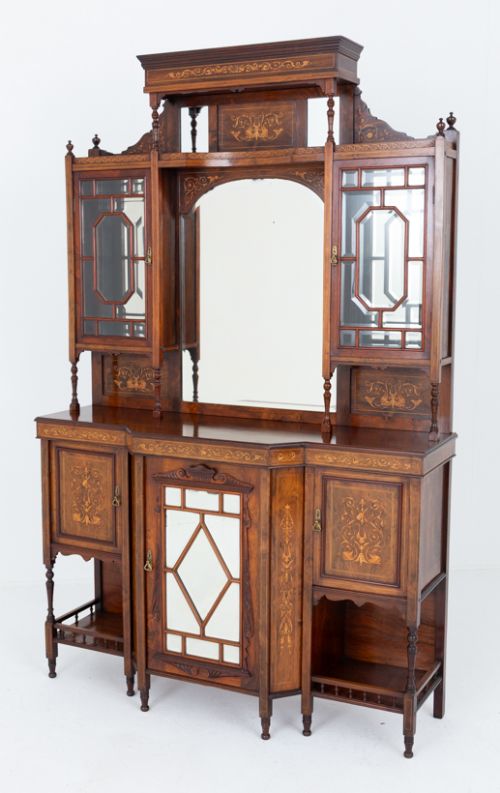


Victorian Mirror Back Chiffonier
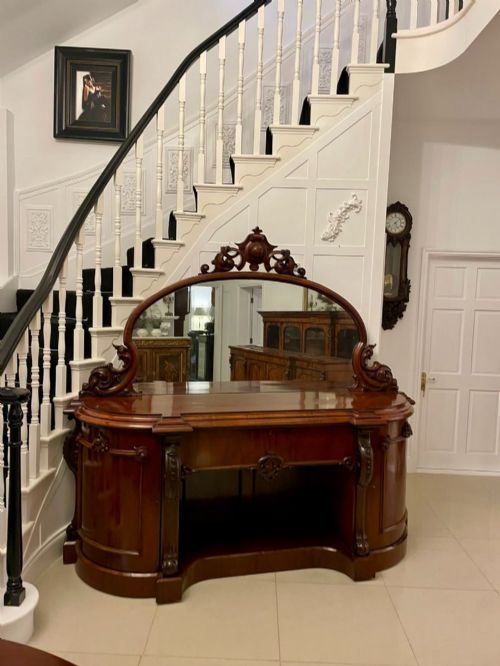
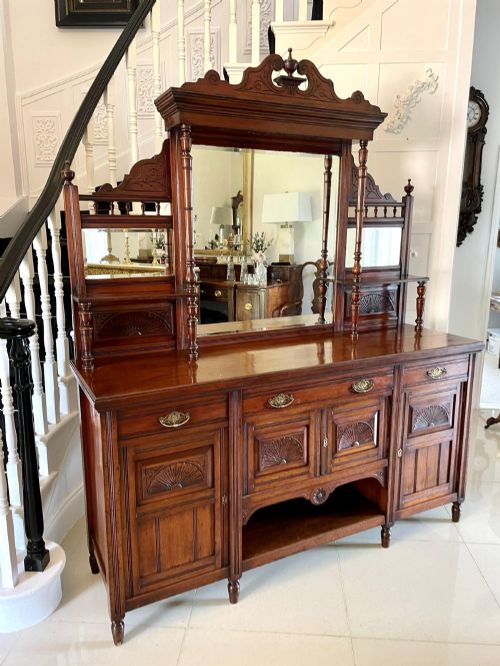
A victorian mirror back chiffonier brings grand nineteenth-century presence to a room, combining lower cupboards with an elevated glass plate.
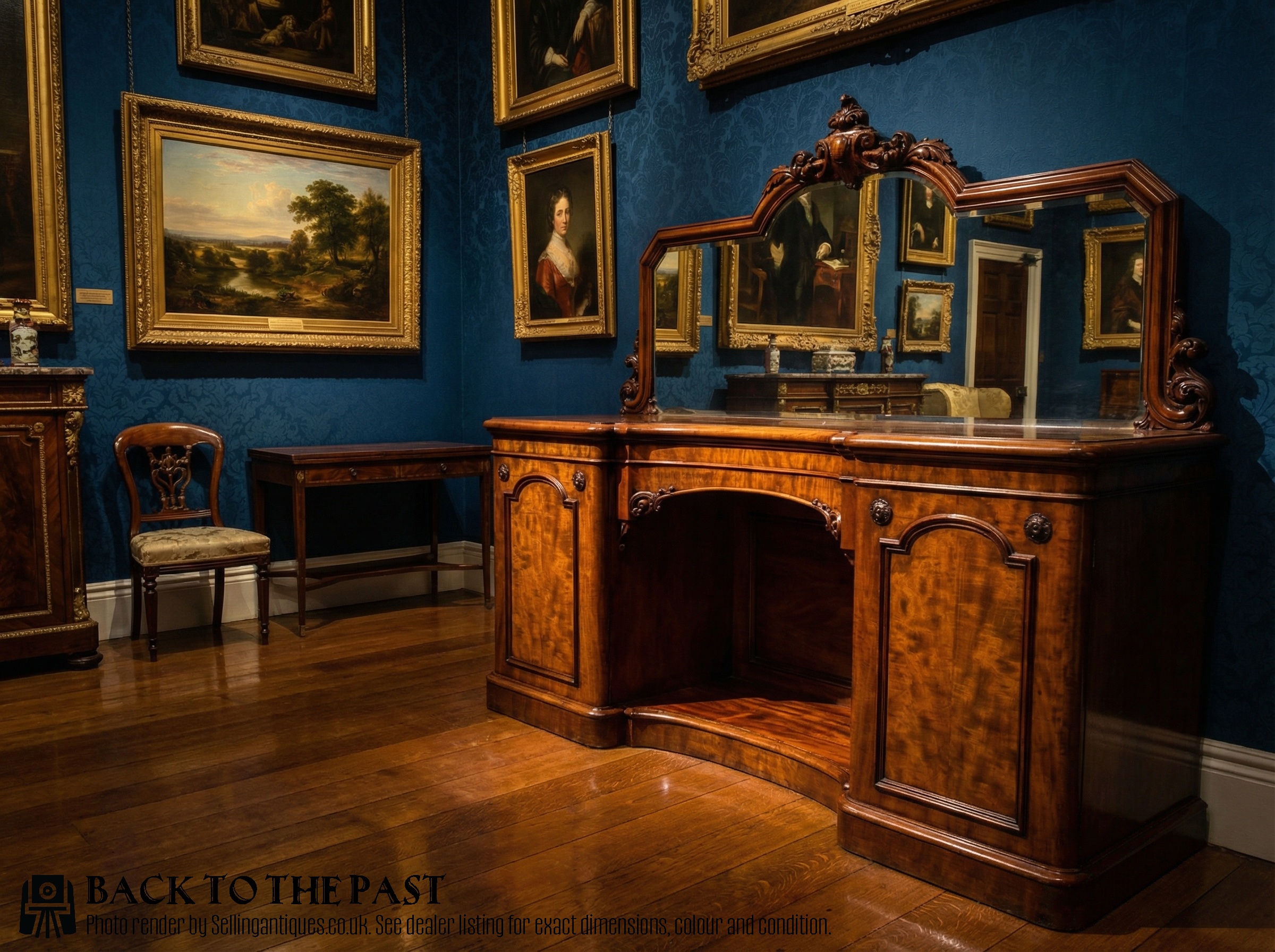
Victorian Mirror Back Chiffonier
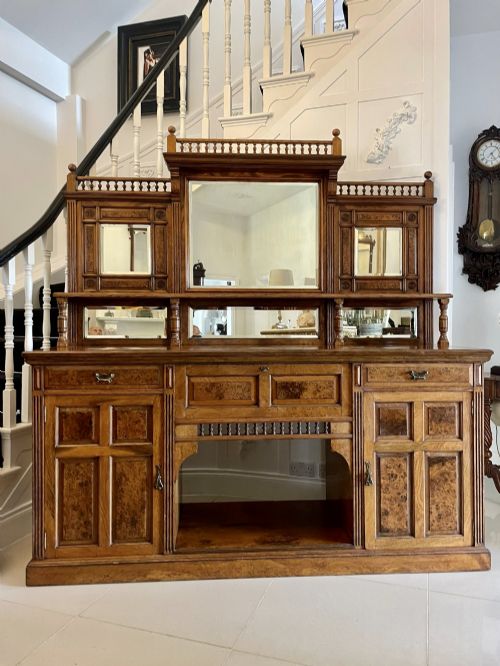
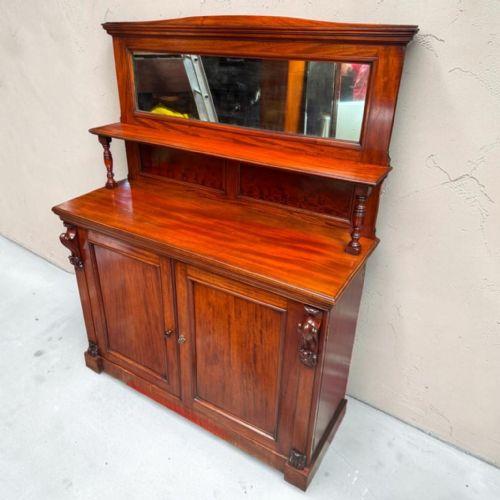
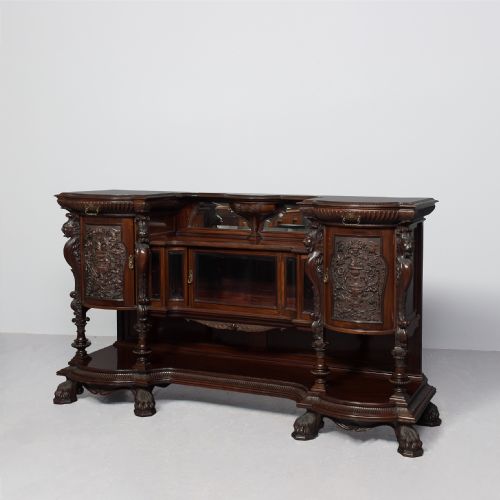
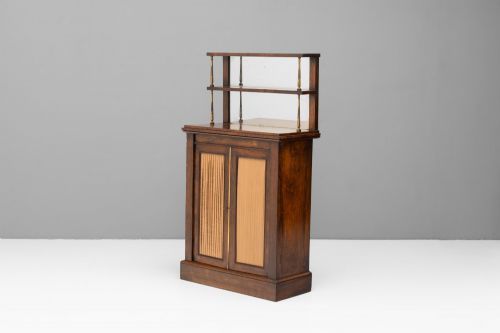
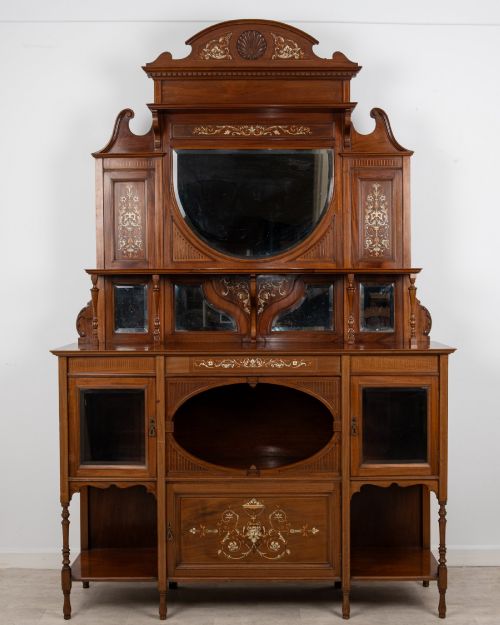
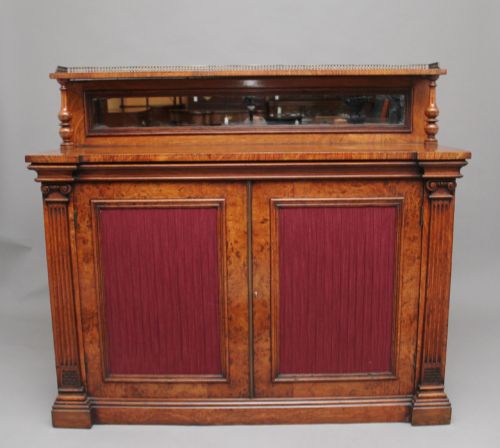
A victorian mirror back chiffonier is a substantial nineteenth-century storage piece that unites a low-base cabinet with an upper mirrored superstructure. These forms bridge the function of sideboards, credenzas, and display units, offering enclosed shelving alongside surface display space.
The versions met most frequently on this page date from the mid to late nineteenth century, spanning the early Victorian era through to the Aesthetic Movement. They appear in diverse timber selections, from rich flame mahogany and burr walnut to darker ebonised surfaces.
Makers integrated mirrors to reflect light and expand the visual breadth of nineteenth-century parlours and dining rooms. The lower sections typically provide concealed cupboard storage, occasionally augmented by open shelves or glass doors.
What varies in quality
The distinction between standard commercial output and exceptional exhibition quality rests upon the selection of timber veneers and the depth of carving. Master workshops employed highly figured burr walnut, flame mahogany, or pollard oak across entire surfaces, whereas simpler pieces reserved decorative grain for prominent panels alone.
Execution of detail defines the superior examples, visible in crisply hand-carved mouldings, precise marquetry inlay, and integrated brass hardware. The presence of secondary timbers, harmonious proportions, and original mirrored glass plates further separates ambitious parlour furniture from everyday utility pieces.
Victorian Mirror Back Chiffonier Retail Price Guide 2026
Typical asking prices for victorian mirror back chiffonier among the pieces listed under this phrase on Sellingantiques today, from the lower quarter to the upper quarter. They describe what is for sale here now, not the wider market.
Listings feature woods including mahogany, walnut, rosewood, burr walnut, pollard oak, burr yew, and amboyna.
Holland & Sons
The Victorian Mirror Back Chiffonier Glossary
- Chiffonier
- A low cabinet equipped with cupboards, evolving during the nineteenth century to incorporate upper shelves and mirrored superstructures.
- Marquetry
- Decorative patterns formed by fitting contrasting veneers into wooden surfaces. This technique allowed makers to create elaborate floral or geometric designs across cabinet doors.
- Pollard Oak
- Timber taken from trees that were cut back close to the trunk to encourage dense, knotty growth. The resulting grain yields highly decorative swirling patterns.
- Aesthetic Movement
- A late nineteenth-century design style that emphasised artistic visual qualities over historical revivalism. Pieces from this movement often feature ebonised finishes and gilt highlights.
- Credenza
- A grand sideboard or buffet cabinet designed for formal dining rooms, frequently featuring enclosed central cupboards and curved side compartments.
Victorian Mirror Back Chiffonier: Frequently Asked Questions
What rooms suit a mirror back chiffonier?
These pieces function naturally in dining rooms and formal living spaces where their height and storage capacity can anchor a wall.
The integrated mirror also serves to bounce light into darker corners, making them effective in reception rooms of generous scale.
How do I care for nineteenth-century timber surfaces?
Polished wood surfaces respond best to occasional applications of traditional beeswax rather than modern aerosol polishes. Keeping them away from direct heat sources prevents the timber and veneer from drying out.
The glass plates require simple cleaning with a soft cloth and mild glass cleaner, taking care to avoid moisture seeping behind the silvered backing.
What is the difference between a chiffonier and a credenza?
A chiffonier traditionally denotes a smaller sideboard or cabinet, often topped with a shelf or mirror for display. A credenza typically refers to a more formal, symmetrical low cabinet used for serving or display.
In nineteenth-century usage, however, makers and retailers frequently overlapped these terms depending on the specific configuration of doors and mirrors.
How do I identify early Victorian pieces from late ones?
Early Victorian examples frequently display rich rosewood or flame mahogany veneers with restrained classical lines. Late Victorian and Aesthetic Movement pieces often introduce ebonised finishes, gilt highlights, and pollard oak.
Carving styles also shift from robust classical scrolls towards lighter, more stylised geometric or botanical motifs as the nineteenth century progresses.