
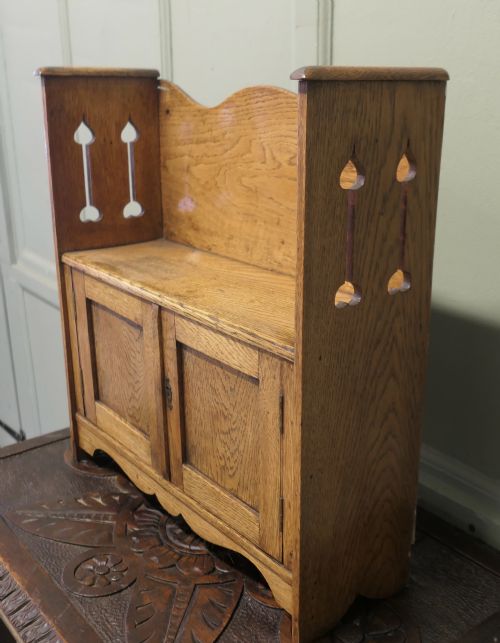
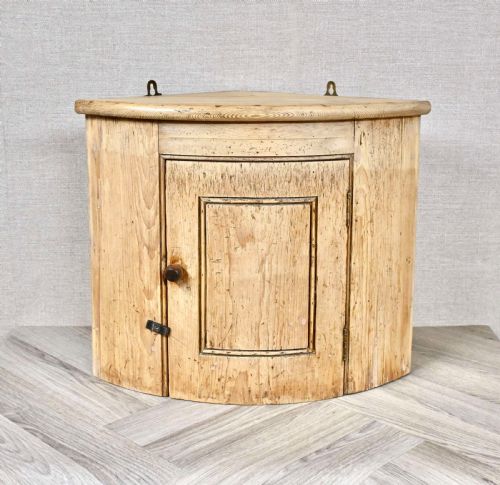
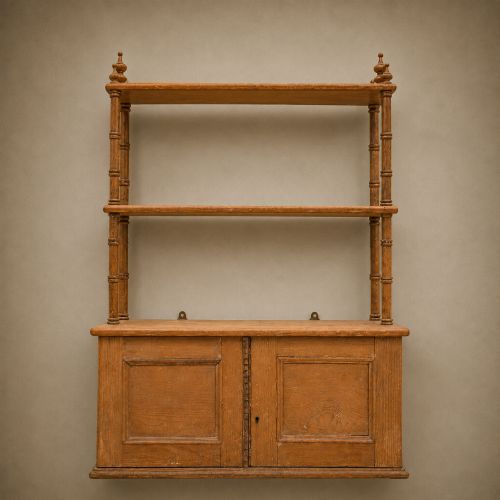
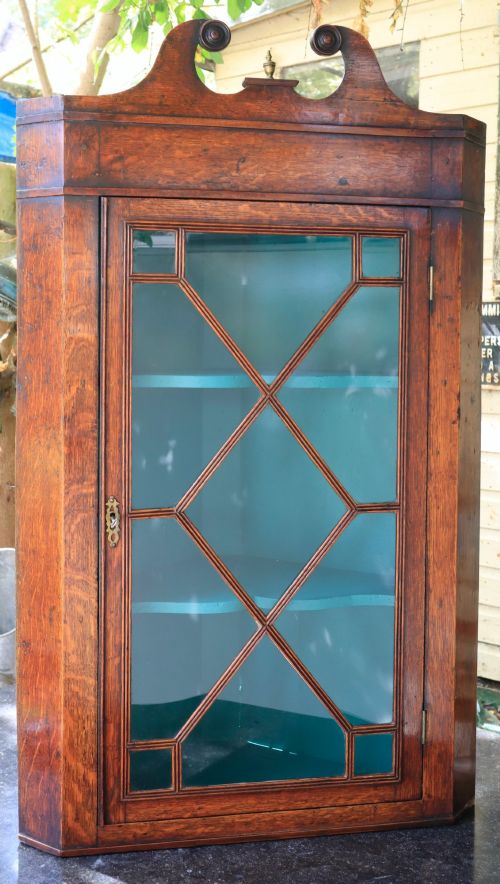
Vintage Wall Cupboard
A vintage wall cupboard turns dead wall space into practical storage, bringing timber grain and period proportion straight to eye level.
Vintage Wall Cupboard
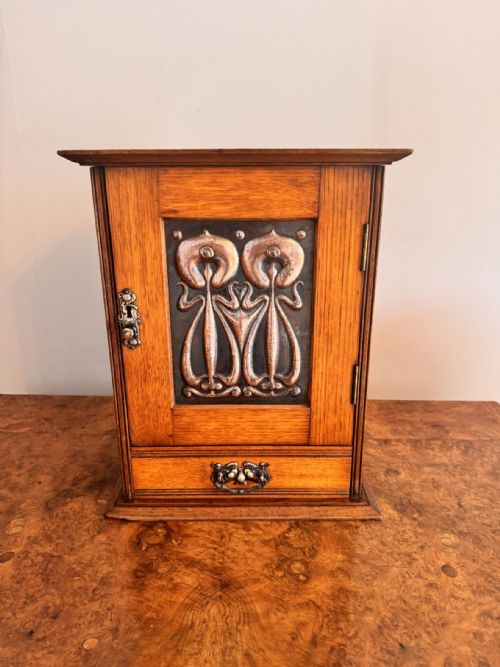
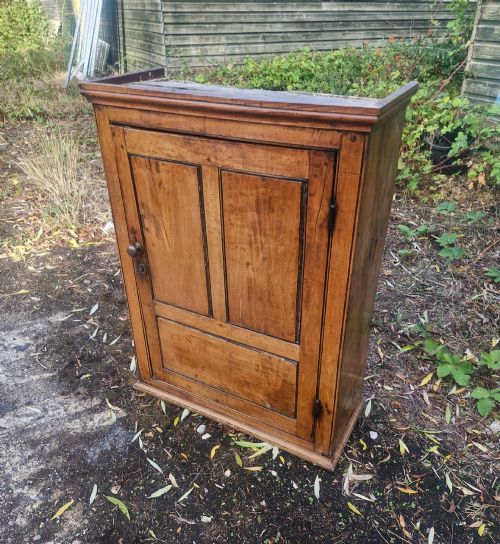
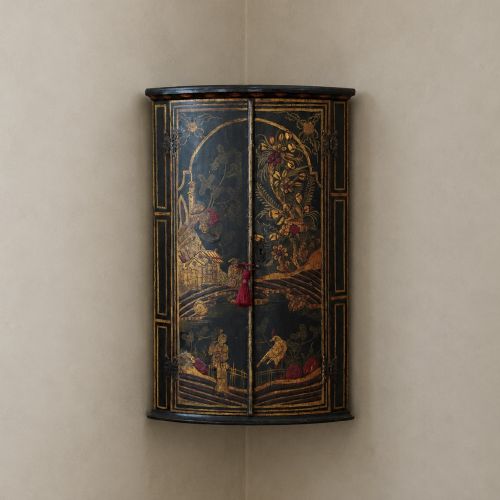
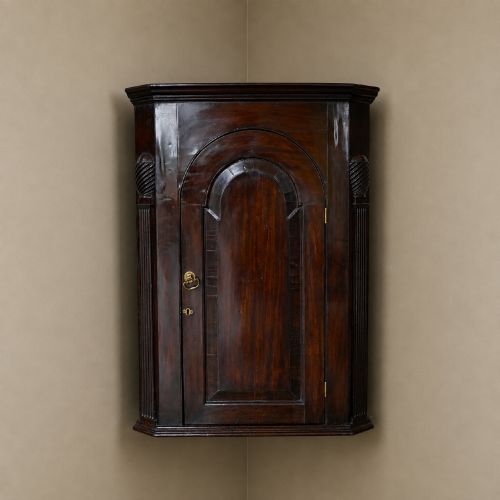
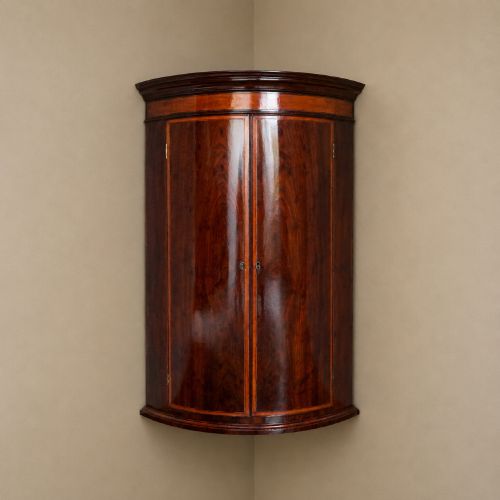
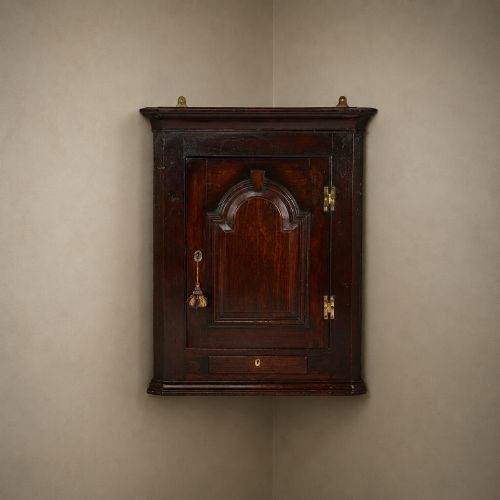
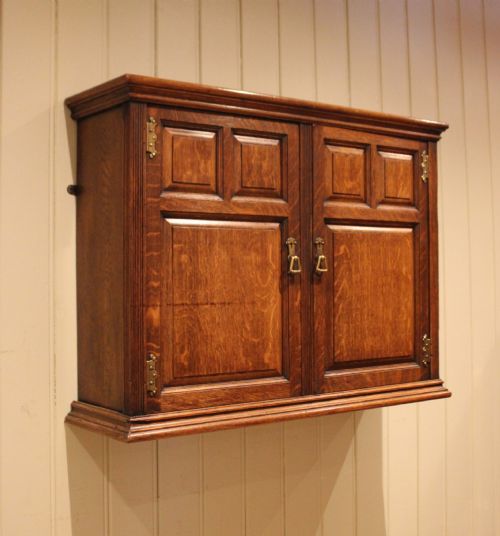
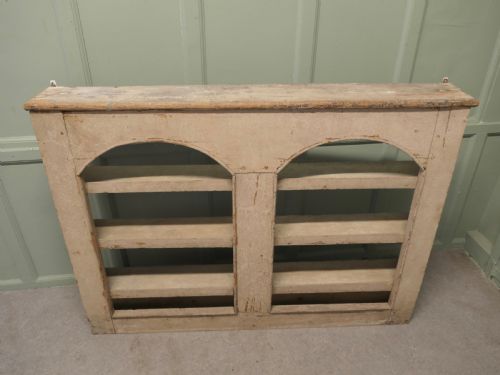
A vintage wall cupboard provides compact storage that fastens directly to a room's wall rather than resting upon the floor. These pieces include corner cabinets, hanging cupboards, and display cases designed to maximise smaller rooms or awkward alcoves.
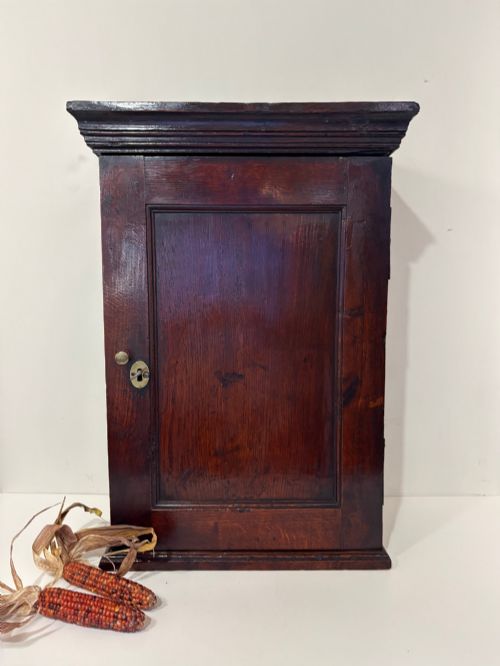
The selections span from robust 18th-century oak and mahogany Georgian hanging pieces to lighter 19th-century pine, painted Swedish styles, and compact Edwardian cabinets. Corner installations and flat-backed wall units represent the most common forms encountered on this page.
Makers utilised these small cabinets across domestic settings, ranging from formal Georgian parlours to rustic French farmhouses and utilitarian Victorian spaces. Their depths and door configurations vary widely to suit kitchen storage, key organisation, or corner display.
Materials and construction methods
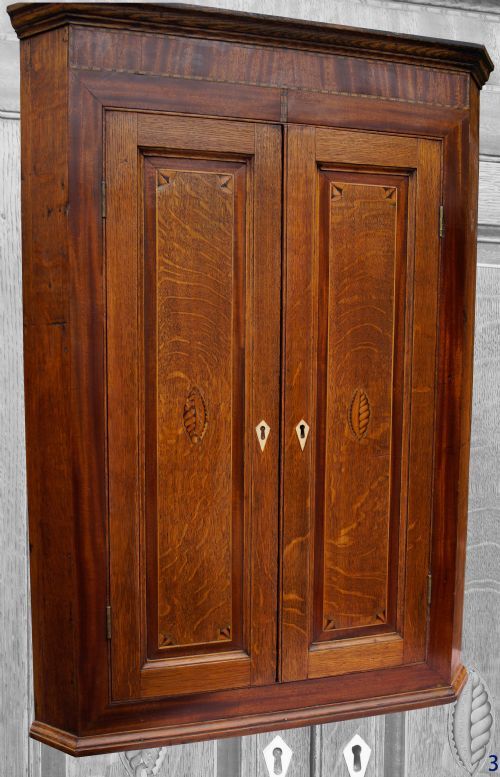
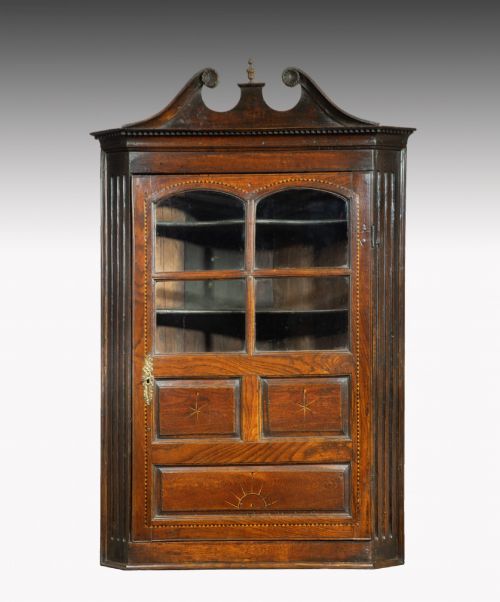
Carpenters built these cabinets predominantly using solid timbers such as oak, mahogany, pine, and walnut, frequently mounting doors with brass hinges and key escutcheons. Glazed doors appear on display cabinets, while other pieces feature solid timber panels, carved gothic motifs, or painted finishes.
Joinery techniques relied on pegged mortise and tenon joints for structural stability, allowing hanging cupboards to bear the weight of their contents safely against a wall. Backboards generally consist of vertically laid timber planks secured with hand-cut nails or early screws.
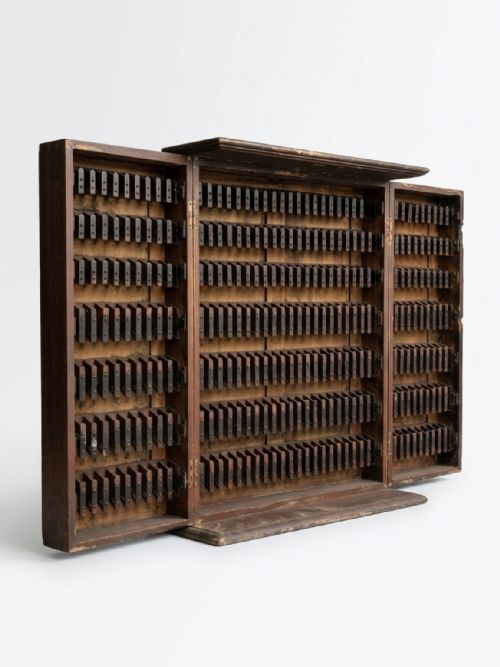
Several cabinets were built solely to hold railway tickets or tiny metal keys, proving that even the Victorians loved micro-management.
Assessing cabinet quality
Quality rests upon the choice of timber and the preservation of original surfaces, such as undisturbed painted interiors, patinated oak, or plum pudding mahogany veneers. Pieces retaining their original brass hardware, working locks, and matching keys hold greater integrity.
Construction refinement distinguishes simpler utilitarian boxes from sophisticated cabinet work, evident in the crispness of mouldings, hand-cut dovetailing in small drawers, and the precise hanging of panelled doors.
Arthur Simpson
The Vintage Wall Cupboard Glossary
- Hanging corner cupboard
- A triangular cabinet designed to fit neatly into the corner of a room and suspend from the wall, saving valuable floor space.
- Bow front
- A convex, curved cabinet front that projects outward from the corners, frequently seen on Georgian mahogany and pine pieces.
- Chinoiserie
- A decorative European technique imitating Chinese artistic styles, often involving painted or lacquered motifs on a dark background.
- Vitreen
- A wall-hanging display cabinet featuring glazed doors or panels intended for showing small collectibles or porcelain.
- Escutcheon
- A protective plate surrounding the keyhole of a cabinet door, commonly cast from brass and styled to match the period.
Vintage Wall Cupboard: Frequently Asked Questions
What rooms suit a corner wall cupboard best?
Corner wall cupboards excel in kitchens, dining rooms, and hallways where unused right-angles can accommodate storage without protruding into walking pathways. Their triangular profiles make exceptional use of dead space.
They also function well in bathrooms or studies for organising smaller items at a convenient height.
How do I tell a Georgian corner cupboard from a Victorian one?
Georgian corner cupboards typically display rich mahogany or quarter-sawn oak, featuring classical mouldings, H-brass hinges, and occasionally astragal-glazed doors. The timber often shows deep, warm patination developed over centuries.
Victorian and later pieces frequently employ pine, pitch pine, or applied gothic ornamentation, reflecting the utilitarian or revivalist tastes of the later nineteenth century.
Can I paint a stripped pine wall cupboard?
Many pine cupboards started life with painted surfaces before being stripped down to bare wood in later decades, meaning adding a new coat of paint aligns with historical practice. Swedish and French regional pieces frequently showcase traditional painted finishes.
Using breathable mineral or chalk paints helps preserve the old porous timber without sealing the grain permanently.